
β-Sitosterol in Phytosterole Pine Sterols Explained
Phytosterol pine sterols, represent plant-derived compounds rich in β-Sitosterol, a bioactive molecule proven to support cardiovascular wellness through competitive inhibition of dietary cholesterol absorption. Extracted from pine sources, these phytosterols offer superior purity and concentration compared to alternatives from soy or flax, making them valuable ingredients for nutraceutical formulations. Understanding their composition, mechanisms, and procurement considerations enables manufacturers to leverage β-Sitosterol-enriched pine sterols effectively within cholesterol management product lines that meet modern consumer expectations for natural, clinically validated ingredients.
Understanding Pine Sterols and β-Sitosterol: Composition and Health Benefits
Phytosterols, including pine sterols are chemicals that come from plants and are high in β-Sitosterol, a bioactive molecule that has been shown to improve heart health by stopping the absorption of food cholesterol. These phytosterols come from pine trees and are more pure and concentrated than similar compounds made from soy or flax. This makes them useful ingredients for nutraceutical products. Manufacturers can use β-Sitosterol-enriched pine sterols successfully in cholesterol management products that meet current customer standards for natural, clinically proven ingredients by understanding their makeup, how they work, and how to get them.
Pine sterols are a specific type of plant sterol that is mostly taken from the bark and wood of pine trees. One thing that makes them unique is that they have very high levels of β-Sitosterol, often more than 80% of the total sterol content, compared to about 50 to 60% in soy-based alternatives.
Chemical Structure and Composition
The structure of β-Sitosterol molecules is very similar to that of cholesterol. They have a tetracyclic cyclopentanoperhydrophenanthrene ring structure that comes from processes that make squalene. Because of this structural closeness, β-Sitosterol can compete with cholesterol for places in intestinal micelles where they can be absorbed. According to research, pine-derived phytosterols contain around 200 to 300 mg of total plant sterols per 100g of oil. The main component is β-Sitosterol, with smaller amounts of campesterol and stigmasterol also present.
Stanols are saturated products that need to be hydrogenated, while pine sterols are very different. The naturally unsaturated structure of β-Sitosterol from pine trees keeps its bioactivity while staying stable under a range of processing conditions that are important for making supplements.
Mechanism of Cholesterol Management
β-Sitosterol works by moving cholesterol molecules out of mixed micelles while they are being absorbed in the gut. When eaten with food, phytosterols bind to receptors on intestinal epithelial cells. This stops 30–50% of cholesterol from being absorbed, based on the amount taken. The cholesterol that isn't taken then leaves the body through regular digestion. There is clinical proof that taking 1.5 to 2.4 grams of phytosterole pine sterols every day can lower LDL cholesterol by 8 to 10 percent in 3 to 4 weeks. This shows a clear dose-response relationship that is useful for planning formulations.
Unlike pharmaceuticals that stop the liver from making cholesterol, phytosterols only work through processes in the gut. They offer different pathways that don't share metabolic targets. Because of this difference, phytosterols can be used on their own or as an addition to more traditional methods.
Safety Profile and Tolerability
In many clinical studies, phytosterol products have been shown to be very safe. Some common side effects are changes in the digestive system, like mild gas or changes in the consistency of the stools. These effects usually go away on their own within a few days as the body gets used to the medication. In controlled studies, these problems still only affect less than 5% of users, so they are still rare and mild.
Phytosterolemia, a rare genetic condition that affects about 1 in 200,000 people, is the only reason not to use it. This genetic problem makes it hard to get rid of phytosterols, which causes them to build up in an abnormal way. Taking this group of people out of the picture, pine sterols have good tolerance profiles that make them good for long-term supplementation plans.
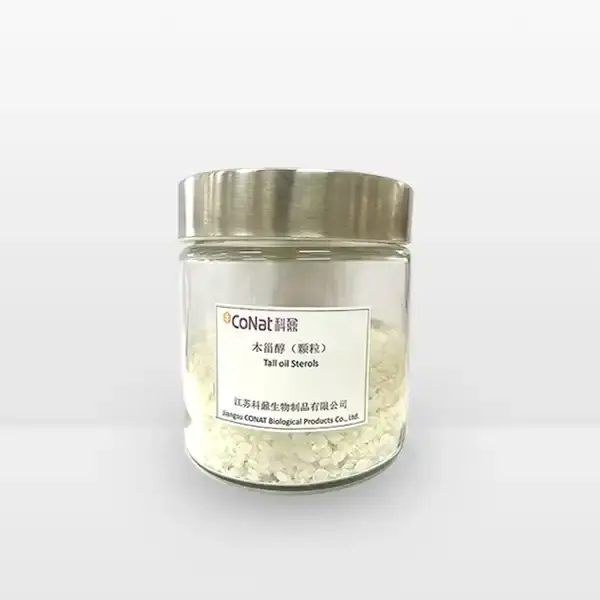
Comparing β-Sitosterol in Pine Sterols with Other Phytosterols and Supplements
Figuring out the pros and cons of different plant sterol sources and other ingredients helps formulators make decisions that balance effectiveness, cost, and market positioning.
Pine Sterols vs. Soy and Seed-Derived Phytosterols
Because soy is so common in agriculture, phytosterols that come from it are still popular, but they usually have lower β-Sitosterol levels (50–60%) than phytosterole pine sterols that come from pine trees (80%+). Because of this difference in concentration, pine sterols need smaller amounts to have the same effects on lowering cholesterol. This could mean smaller tablets or capsules, which is better for consumers and makes them more likely to take their medicine.
Phytosterols are naturally found in flaxseed and wheat germ, but in much smaller amounts, so they need to be extracted and concentrated. These sources look good on a clean label, but the difficulty of processing them often makes them more expensive without making them better in any way than pine-derived options.
Phytosterols vs. Omega-3 Supplements
Fish oil and omega-3 products made from plants improve heart health by reducing inflammation and triglycerides instead of moving cholesterol around. Many formulation teams are able to successfully mix phytosterols and pine sterols with omega-3 sources to target multiple cardiovascular risk factors at the same time. This makes heart wellness formulations that are all-around appealing to health-conscious consumers looking for multiple benefits.
Relationship with Pharmaceutical Options
Compared to statin drugs, which block HMG-CoA reductase enzyme activity in the liver, pine sterols work in ways that don't overlap. This difference makes it safe to use both at the same time, and when paired with phytosterol supplements, people can often reach their cholesterol goals with lower drug doses. Multiple cardiac organisations' clinical guidelines recognise phytosterols as evidence-based choices that can be used in addition to standard cardiovascular risk management plans.
Procurement Insights: Sourcing and Buying Pine Sterols for Supplement Manufacturing
To get regular, high-quality phytosterols, you need to carefully look at the skills, quality systems, and safety paperwork that phytosterole pine sterols suppliers provide, making sure they meet international legal requirements.
Critical Supplier Evaluation Criteria
Manufacturers of good products keep a full portfolio of certifications that show they follow production standards. Systematic quality management is proven by ISO 9001 certifications, and food safety system application is proven by ISO 22000 certifications. Good Manufacturing Practice (GMP) compliance is still required for pharmaceutical-grade uses to keep contamination under control and ensure stability from batch to batch.
Religious and cultural standards, like Kosher and Halal, make markets bigger, especially when you're trying to reach people in different areas or with certain types of customers. If you ask, a reputable seller will give you up-to-date certification paperwork along with certificates of analysis that show the levels of purity, heavy metal testing results, microbiological screening, and solvent residue proof.
An evaluation of the manufacturing infrastructure shows how much can be produced, how advanced the extraction technology is, and what the quality control lab can do. Experts who make phytosterols use supercritical CO2 extraction or advanced solvent systems to get the most β-Sitosterol out of their materials while leaving as few impurities as possible that could affect stability or regulatory compliance.
Pricing Dynamics and Procurement Strategies
Pine-derived phytosterols usually cost between $ 45 and $ 85 a kilogram on the market, but the exact price depends on the purity requirements, the order number, and the quantity of β-Sitosterol. When you buy more than 500 kg in one order, you usually get better prices, and yearly supply contracts help you plan your budget and give you priority during times of high demand.
Specialised manufacturers offer custom formulation services that let products stand out by combining pine sterols with other ingredients that work well together, such as natural vitamin E, policosanol, or coenzyme Q10. By shortening the time it takes to do research and development (R&D) and lowering the risks of creation, these value-added services make a small extra price worth it by speeding up market entry and lowering the cost of internal development.
When a product is certified organic, it costs 15–25% more, but it opens up new premium markets where the clean label image supports higher retail prices. When making decisions about what to buy, people should weigh the prices of organic certification against the tastes of the target market and brand-specific strategies for competing in the market.
How to Integrate β-Sitosterol Rich Pine Sterols Into Your Product Line
To successfully integrate a product, you need to deal with technical formulation issues, regulatory compliance requirements, and strategic positioning issues that help the product sell as much as possible.
Dosage Optimization and Bioavailability
The Food and Drug Administration (FDA) says that people should eat at least 0.65 grams of phytosterols with each meal, for a total of 1.3 grams per day. To back claims that phytosterols lower cholesterol, clinical studies usually use daily doses of 2.0 to 2.4 grams spread out over several meals to match the amount of fat eaten, which makes the phytosterols more soluble and available in the gut.
Formulation teams should take the quantity of β-Sitosterol into account when they figure out how much of a raw material to use. To make 2 grams of active β-Sitosterol, phytosterole pine sterols with 80% β-Sitosterol need about 2.5 to 3.0 grams of total phytosterol input. These amounts must be able to fit in tablet or capsule forms that are still the right size and shape for swallowing.
Regulatory Compliance Across Markets
The United States allows qualified health claims that consuming plant sterols lowers the chance of heart disease, as long as the goods meet certain dosage requirements and include the right nutritional context statements. Labels must say how many phytosterols are in each dose and how to use the product, recommending eating it with meals as part of a heart-healthy diet.
The European Union's Novel Food regulations and health claim databases say that approved language and standards for proof must be followed. The European Food Safety Authority (EFSA) keeps a list of allowed claim language that makers must use exactly. This way, they don't make any unauthorised health benefit claims that could lead to enforcement actions.
For foreign trade, you need things like certificates of analysis, allergen statements, confirmations of GMO status, and import permits that are relevant to each country. Suppliers of phytosterols with a lot of experience have regulatory affairs teams that know what the big market needs. These teams provide paperwork packages that make the customs clearance and regulatory filing processes go more quickly.
Future Trends and Market Opportunities in Pine Sterols with β-Sitosterol
Changing consumer tastes, new research uses, and changes in regulations all make it possible for more phytosterol-based product innovations.
Emerging Applications and Research Directions
Recent studies look into β-Sitosterol's uses beyond cardiovascular health, such as its ability to change the immune system, improve prostate health, and reduce inflammation. Even though these uses are still being looked into, early results point to possible future label claim possibilities as clinical proof gets stronger through peer-reviewed publication.
New ways of delivering phytosterols, like functional drinks, snack bars with added nutrients, and ready-to-drink protein shakes, are growing markets where they can provide unique health benefits. Because liquid systems aren't always stable, new microencapsulation and emulsification technologies have been created to keep the bioactivity of β-Sitosterol in products for a long time.
Market Dynamics and Growth Drivers
Natural options to pharmaceutical treatments are becoming more and more popular, especially among health-conscious people looking for ways to stay healthy. Market research shows that the global market for phytosterol ingredients will be worth more than $850 million by 2028. This is because people are living longer and are becoming more aware of the risks of heart disease.
Regulatory environments are favouring plant-based ingredients with well-established safety profiles and clinical validation more and more. This trend is good for phytosterols and pine sterols, which have been supported by decades of study and are already approved by regulators in most big markets. When it comes to supplements, brands that stress natural ingredients, sustainability, and scientific proof have an edge in crowded markets.
Strategic relationships between companies that sell ingredients and companies that make finished goods allow for co-marketing, shared research investments, and supply chain optimisation that are good for everyone. B2B buyers who want to stay competitive in the long term should judge suppliers based on their ability to come up with new ideas, provide professional help, and work with them in ways other than just doing business.
Conclusion
β-Sitosterol-rich phytosterols have been shown to be good for your heart in studies. They do this by replacing cholesterol in a way that is easy to understand and can be used in a variety of supplements, functional foods, and pharmaceutical formulations. Their higher concentration rates compared to other plant sterol sources make doses easier and help consumers follow the directions. To buy things successfully, you need to carefully look at each seller and pay special attention to their certifications, quality systems, and production skills that make sure each batch is the same and follows all the rules in different countries. Regulatory requirements specific to target countries must be taken into account, as well as dosage optimization and bioavailability improvement. At the same time, market trends toward natural ingredients and preventive health positioning must be taken into account.
FAQ
1. What daily amount of pine sterols provides optimal results?
According to clinical standards, you should eat 2.0 to 2.4 grams of phytosterols every day, spread out over meals that contain fats. When taken regularly, this dose usually lowers LDL cholesterol by 8–10% in 3–4 weeks. Products should have clear instructions on how much to serve and how much phytosterol is in each dose to help people follow the right eating habits.
2. Can pine sterols be used alongside prescription medications?
β-Sitosterol works in the gut in a way that is different from how pharmaceutical cholesterol drugs do, so it is safe to use both at the same time with the help of a healthcare provider. Many people are able to reach their cholesterol goals while also possibly lowering their medication needs over time by taking phytosterols supplements along with lower-dose prescriptions.
3. How do pine sterols compare with soy-derived alternatives?
Phytosterols from pine trees have higher amounts of β-Sitosterol (usually 80%+) than phytosterols from soy (50-60%), which means that smaller amounts are needed to have the same effects. This concentration advantage lowers the size of the capsules needed and makes formulations more cost-effective while still providing the same cholesterol-lowering effects that are backed by clinical proof.
Partner with CONAT for Premium Phytosterole Pine Sterols Supply
The Jiangsu CONAT Biological Products Co., Ltd. is an expert in making pharmaceutical-grade phytosterole pine sterols that have high levels of β-Sitosterol. Our combined production facilities use cutting-edge extraction technology and strict quality control systems to make sure that each batch is the same, which is in line with international GMP standards and meets your recipe needs. As a well-known company that makes phytosterole pine sterols, we keep a full set of certifications, such as ISO 9001, ISO 22000, Kosher, and Halal, which makes it easier for our products to reach customers around the world.
Our expert team offers formulation advice services that include helping you figure out the best dosage, how to keep the product stable, and how to follow the rules for your target markets. Bulk pricing and flexible minimum order quantities make it easy for both new brands and established manufacturers looking for reliable ingredient partners to work together. You can talk to our procurement experts at sales@conat.cn about your specific phytosterol needs and get full technical paperwork to help with your product development.
References
1. Ostlund, R.E. (2002). Phytosterols in human nutrition. Annual Review of Nutrition, 22, 533-549.
2. Malinowski, J.M. & Gehret, M.M. (2010). Phytosterols for dyslipidemia. American Journal of Health-System Pharmacy, 67(14), 1165-1173.
3. Phillips, K.M., Ruggio, D.M., & Ashraf-Khorassani, M. (2005). Phytosterol composition of nuts and seeds commonly consumed in the United States. Journal of Agricultural and Food Chemistry, 53(24), 9436-9445.
4. Abumweis, S.S., Barake, R., & Jones, P.J. (2008). Plant sterols/stanols as cholesterol lowering agents: A meta-analysis of randomized controlled trials. Food & Nutrition Research, 52, 1811.
5. Weingärtner, O., Böhm, M., & Laufs, U. (2009). Controversial role of plant sterol esters in the management of hypercholesterolaemia. European Heart Journal, 30(4), 404-409.
6. Fernandes, P. & Cabral, J.M. (2007). Phytosterols: Applications and recovery methods. Bioresource Technology, 98(12), 2335-2350.
YOU MAY LIKE