
β Sitosterol Particles Applications Across Food and Health Products
β sitosterol Particles represent a promising natural phytosterol ingredient gaining momentum in functional foods, dietary supplements, and pharmaceutical applications. Extracted primarily from plant sources like soybeans, corn, and pine trees, these particles deliver clinically backed benefits including cholesterol management and antioxidant protection. As consumer demand shifts toward clean-label, plant-based ingredients, procurement managers and product developers are increasingly seeking reliable sources of high-purity β sitosterol to differentiate their product offerings and meet stringent regulatory standards across global markets.
Understanding β Sitosterol Particles: Basics and Benefits
What Are β Sitosterol Particles?
β sitosterol Particles are a phytosterol, which is a group of chemicals found in plants that are physically related to cholesterol. They are found in large amounts in nuts, seeds, beans, and vegetable oils. It is easier to mix them into different mixtures when they are broken down into small pieces. They will still be stable and absorbent after being mixed. The molecular structure of β-sitosterol particles closely mimics cholesterol, allowing it to compete for absorption in the digestive system, thereby reducing cholesterol uptake into the bloodstream.
Clinically Supported Health Benefits
Researchers have found that taking phytosterols supplements as directed (1.5 to 3 grams per day) can cut LDL cholesterol levels by 5 to 15%. Because it stops the absorption of cholesterol in the intestines, it is very useful for heart-healthy recipes. Not only can β-sitosterol particles lower cholesterol, but they can also help with inflammation, which could be good for your skin and health. They have been looked into as a way to help keep the prostate healthy. Some evidence suggests that herbal medicines containing β-sitosterol particles may help men with mild to moderate benign prostatic hyperplasia with their urinary problems.
Safety Profile and Bioavailability Considerations
Toxicity studies have shown that β-sitosterol particles are generally safe and don't have a high chance of killing you. Acute poisoning, sister chromatid exchange rates, and cell division rates were all looked at by researchers. They found that there were no major changes compared to control groups. This suggests that the risk of genotoxicity is low. Most of the time, only 0.4% to 3.5% of the phytosterols that are eaten get into the bloodstream. They are safe because of this, but you need to be very careful about how you prepare them to get the most out of them. Bioavailability is influenced by the size of the particles, how they are transported, and how they are mixed together. This is why it's so important to know a lot about science when making new things.
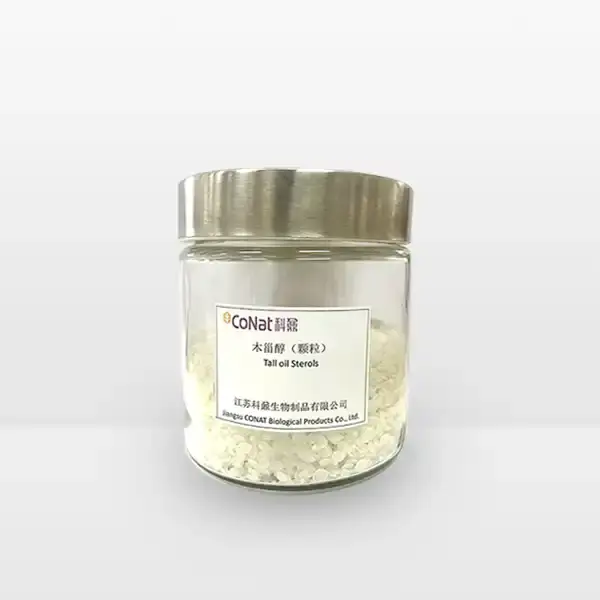
Applications of β Sitosterol Particles in Food and Health Products
Dietary Supplements and Nutraceuticals
It's mostly found in food products that phytosterol chemicals are sold. β-sitosterol particles are made into pills, tablets, softgels, and powder mixes that help lower cholesterol and make the heart healthier in general. So that they can be used to help people heal, sports nutrition companies are looking into how they can be used. Because the ingredient is so adaptable, it can be mixed with actives that work well with it, like red yeast rice, omega-3 fatty acids, or CoQ10. This makes the health benefits even greater. Supplement makers need to make sure that their goods stay stable over time and live up to what they say on the label. This makes batch regularity and purity levels very important.
Functional Foods and Fortified Beverages
Food engineers are making healthy drinks, fortified dairy products, nutrition bars, and snack foods better for your heart by adding β-sitosterol particles to them. It can be hard to keep the ingredients stable while they are being processed in places where the temperature, pressure, or pH changes. Microencapsulation technologies help keep β-sitosterol particles from breaking down and hide any tastes you don't like. Clear rules have been set for phytosterol health claims by regulatory bodies like the FDA. These rules say that goods need to give the right amounts of useful doses in the right food groups. Businesses that want to sell to this group need to have goods that can be heated, mixed, and kept for a long time without losing their effectiveness.
Pharmaceutical and Medical Nutrition Applications
Pharmaceutical-grade β sitosterol Particles are an active ingredient in a lot of prescription meds and medical nutrition items. When companies are making treatments for high cholesterol or specialized therapeutic nutrition goods, they need to make sure that impurities don't get through. Often, they need to be above 95% pure. For GMP compliance, stability data, and regulatory submission packages, it's important to have paper copies. Phytosterols are used by pharmaceutical companies that make enteral feeds or clinical nutrition products because they are good for you and can help your body heal. This market area needs tight rules for quality control and clear records of the supply chain.
Emerging Trends and Innovation Opportunities
The non-GMO project verifies ingredients, and more and more people want phytosterols that are called organic. They also want raw materials that are found in a way that doesn't hurt the earth. Private label brands are putting out one-of-a-kind products with amounts that have been tested in clinical settings and approved by a third party. Nanoemulsions, liposomal formulas, and time-release materials are some of the new ways that drugs are being delivered that are meant to improve absorption and bioavailability. Personalized diets and β-sitosterol particle supplements can be used together to create recipes that meet the needs of specific groups of people or take advantage of genetic traits.
Procurement Guide for β Sitosterol Particles: What B2B Buyers Need to Know
Evaluating Supplier Quality and Certifications
To find the best partner for production, pay close attention to how they keep quality high. To show that they are dedicated to regular production standards, look for suppliers that have ISO 9001, ISO 22000, GMP, and HACCP certifications. For the most recent production runs, ask for Certificates of Analysis (COA) and read over the rules for purity levels, heavy metal content, microbial numbers, and solvents that are still present. With Kosher and Halal certifications, brands that want to reach certain groups of people can reach more people. Suppliers should provide lots of paperwork, like safety statements, reports on GMOs, and reports on where the goods came from.
Here are the core advantages of working with established phytosterol manufacturers:
- Technical Expertise: Access to formulation scientists who can help you figure out the best ways to boost solubility, stability, and particle size. These scientists can change the tactics so that they work for your needs.
- Supply Chain Reliability: Well-established networks for getting raw materials that make sure production doesn't stop, and clear tracking from where the raw materials come from to where the finished product is delivered.
- Regulatory Support: Documentation packages including DMF filings, reports of regulatory status, and technical dossiers that make it easier to register a product in more than one foreign market.
- Customization Capabilities: Flexibility to change how the particle sizes are spread out, mix ingredients that work well together, or make your own delivery systems that fit the needs of your product.
These advantages directly shorten the time it takes to get a product to market, lower the risks of formulation, and help products stand out in markets with a lot of competition.
Bulk Order Logistics and Pricing Dynamics
The cost of phytosterols changes based on the availability of raw materials, the method used for extraction, and the quality standards that need to be met. Most bulk sales are between 100 kg and several tons, and customers who have already made a deal can save money by ordering in bulk. You can better plan your purchases if you know the minimum order amounts, lead times, and different packaging choices. For businesses that want to keep their inventory costs low, providers who offer flexible shipping and storage choices are a better bet. You shouldn't just look at the price per kilogram; you should also look at the total landing cost, which includes freight, import taxes, and safety tests.
Building Strategic Supplier Relationships
When you work with companies that make β sitosterol Particles over a long period of time, you get more benefits than just buying them once. When formulation problems come up, having open lines of communication makes it easier to solve them before they happen. Preferred customers usually know first when the prices of raw materials change, can use pilot-scale production sites to try new goods, and have first choice when supplies run out. A thorough supply agreement, specification sheet, and change control process help set clear quality standards. This keeps arguments to a minimum and ensures that the product is always the same from one production run to the next.
Comparison and Decision-Making: Choosing the Right β Sitosterol Product
β Sitosterol Versus Other Plant Sterols and Stanols
β sitosterol, campesterol, and stigmasterol are phytosterols that are found naturally. Stanols are fats that are made from phytosterols. In most plant extracts, 40–60% of the phytosterols are sitosterols. This makes it the main active ingredient. It is at least 90% pure and has been split by some companies so that it can be used in ways that need the most power with the least amount of dosing. Stanol esters and plant sterol esters make it easier for fats to break down. This makes it easier to add fats to food networks that are built on lipids. When given in the same amounts, studies have shown that different kinds of phytosterols cut cholesterol in the same way. But different kinds might not work the same way because of how they are given and how they react with food.
Organic Versus Conventional Sources
Organic phytosterols cost more, but natural goods companies that stress using clean sources like to buy them. Most people can get what they need for less money by using regular sources like vegetable oils. β-sitosterol particles from organic and conventional plants are mostly the same chemically. The main difference is in how the plants are grown, not in how the molecules are put together. Organic certification costs a lot of money, but non-GMO proof is a good middle ground that meets customer needs. Buyers should think about where the product fits in the market, who it's for, and how much it can cost when picking buying specs.
Powder Versus Encapsulated Formats
Powdered β sitosterol Particles give people who need to capsule their own goods or who are making powder blends, drink mixes, or food ingredients more ways to put them together. Softgels, beadlets, and other enclosed forms are easier to use, more stable, and soluble when they are delivered with lipids. Softgels protect ingredients that don't like water while hiding problems with taste. With beads, you can add things to dry forms like pills without having to worry about them getting mixed up. The choice depends on how good the company is at making things, what shape the final product will be, and a cost-benefit analysis of outsourcing encapsulation vs. doing the work in-house.
Conclusion
There is a growing need for natural heart health products, and β sitosterol Particles are a versatile and scientifically proven ingredient that meets that need. If you want to make a good product, you need to know how following the rules, using pure ingredients, and formulation technology all work together. It's better to work with makers who have a lot of knowledge as the market moves toward personalized nutrition and clear sources. When people who work in buying look at providers, they should consider more than just price. They should also look at who can help with technical issues, make sure processes are good, and work well with others. In the competitive health product market, brands can make unique products that meet both government standards and customer goals if they pick the right places to get their ingredients.
Frequently Asked Questions About β Sitosterol Particles
1. What is the recommended dosage for cholesterol management formulations?
A lot of people took between 1.5 and 3 grams of total phytosterols every day in clinical tests that showed they worked. Most of them got β-sitosterol particles. When making a new product, you should think about the way it will be transported, technologies that will make it more bioavailable, and government rules for structure-function claims. You can make sure you follow FDA rules and foreign standards by talking to regulatory experts. They can also help you figure out the best way to give the medicine so that it has the health benefits you want.
2. How can buyers verify product authenticity and quality?
When you ask for full analytical records, like HPLC chromatograms that show identity and purity, ICP-MS results for heavy metal analysis, bacteria test results, and stability data, make sure you get them all. Lab tests done by a third party are a separate way to make sure what a seller says is true. For extra peace of mind, you can get a site check that looks at the factories, how they control quality, and how they handle paperwork. Suppliers with a good reputation are willing to be open and give detailed technical help to fix problems with quality.
3. Are there safety concerns or potential side effects?
People can handle it well, and clinical tests with β-sitosterol particles didn't find many bad effects. Some people may have mild stomach pain when they take more. People with sitosterolemia, a rare genetic disorder that changes how phytosterols are broken down, shouldn't take phytosterols. If a woman is pregnant or nursing, she should talk to her doctor before taking supplements. It is not likely to damage genes, and studies on its toxicity show that it has good safety margins. This means that it can be used in functional foods and dietary supplements as long as the right amounts are taken.
Partner with CONAT for Premium β Sitosterol Particles Supply
The company CONAT has been making very pure phytosterols and natural vitamin E products for many years and is very good at it. Our state-of-the-art factories keep their GMP, Kosher, Halal, ISO 9001, and ISO 22000 certifications up to date. Every lot of β sitosterol Particles will meet the strictest quality standards all over the world. There is no charge for our technical help, and we help companies that make dietary supplements, functional foods, medicines, and ingredient sellers find reliable sources of β-sitosterol particles.
Our R&D team works closely with clients to make recipes better, fix stability issues, and make sure that each application's particle specs are exactly what it needs. It doesn't matter if you need pharmaceutical-grade purity for medical nutrition goods or food-grade phytosterols for functional drinks; we can handle your needs. You can email our team at sales@conat.cn for technical help, COA samples, or to find out how much β-sitosterol particles for sale cost in bulk. Find out how CONAT's knowledge of formulation, supply chain security, and quality assurance can help you with the growth of your product.
References
1. Wilt, T.J., MacDonald, R., & Ishani, A. (1999). β-sitosterol for the treatment of benign prostatic hyperplasia: A systematic review. BJU International, 83(9), 976-983.
2. Ostlund, R.E. (2002). Phytosterols in human nutrition. Annual Review of Nutrition, 22, 533-549.
3. Prager, N., Bickett, K., French, N., & Marcovici, G. (2002). A randomized, double-blind, placebo-controlled trial to determine the effectiveness of botanically derived inhibitors of 5-alpha-reductase in the treatment of androgenetic alopecia. Journal of Alternative and Complementary Medicine, 8(2), 143-152.
4. Berges, R.R., Windeler, J., Trampisch, H.J., & Senge, T. (1995). Randomised, placebo-controlled, double-blind clinical trial of β-sitosterol in patients with benign prostatic hyperplasia. The Lancet, 345(8964), 1529-1532.
5. Moghadasian, M.H. (2000). Pharmacological properties of plant sterols: In vivo and in vitro observations. Life Sciences, 67(6), 605-615.
6. AbuMweis, S.S., Barake, R., & Jones, P.J. (2008). Plant sterols/stanols as cholesterol-lowering agents: A meta-analysis of randomized controlled trials. Food & Nutrition Research, 52, 1811-1820.
YOU MAY LIKE