
Acetate D Alpha Tocopherol in Modern Nutraceutical Production
Acetate d alpha tocopherol represents a critical vitamin E derivative in contemporary nutraceutical manufacturing, offering enhanced stability and consistent bioavailability that addresses the stringent requirements of dietary supplement brands and functional food producers. This esterified form of vitamin E delivers reliable antioxidant protection while maintaining exceptional shelf life, making it indispensable for formulations requiring long-term potency. Its versatility across supplement capsules, fortified beverages, and pharmaceutical-grade applications positions this compound as a cornerstone ingredient for manufacturers seeking clean-label differentiation and regulatory compliance in competitive global markets.
Understanding Acetate D Alpha Tocopherol: Properties and Benefits
This vitamin E derivative is different from forms that aren't esterified because it has an acetate ester group attached to it. This group makes the molecule much more stable against oxidation during processing and storage. Free tocopherol breaks down quickly when it comes in contact with oxygen, heat, or light. This esterified version, on the other hand, stays active through multiple manufacturing cycles and long storage periods. This structural benefit is especially helpful for nutraceutical brands that have to deal with complicated supply lines where the quality of the ingredients has a direct effect on how well the product works.
Molecular Structure and Stability Advantages
The acetate protection mechanism keeps the reactive hydroxyl group on the chromanol ring safe. This keeps the ingredient from oxidising too quickly before it can reach its biological target. When the food is eaten, pancreatic esterases break down the acetate link in the small intestine. This lets the body absorb and use the active tocopherol. This bioconversion process makes sure that customers get all the antioxidant benefits and that producers can handle ingredients better when they are making products and packaging them.
Applications Across Nutraceutical Categories
These days, supplements with this vitamin E derivative are used for a number of health reasons. Antioxidant support products use this to their advantage by blocking reactive oxygen species that speed up the ageing process of cells. It is mixed with other fat-soluble nutrients in skin health products to help stabilise the dermis from the inside out. Its protective qualities are used in sports nutrition items to fight oxidative stress caused by exercise. The ingredient works consistently in all applications and is compatible with a range of delivery methods, such as softgels, tablets, and functional beverage structures.
Safety Profile and Regulatory Considerations
According to reputable health authorities, adults can safely take up to 1,000 mg per day of acetate d-alpha tocopherol. However, most supplement doses are between 200 and 600 IU per serving. Manufacturers of good products provide a lot of proof that their supplements are GRAS for use in food and follow the rules for dietary supplements in most major markets. Procurement teams should make sure that sellers keep their current certifications, such as ISO 9001 for quality management systems and GMP compliance for production settings that are fit for pharmaceutical use. These identities make sure that stability from batch to batch and tracking along the supply chain are both possible.
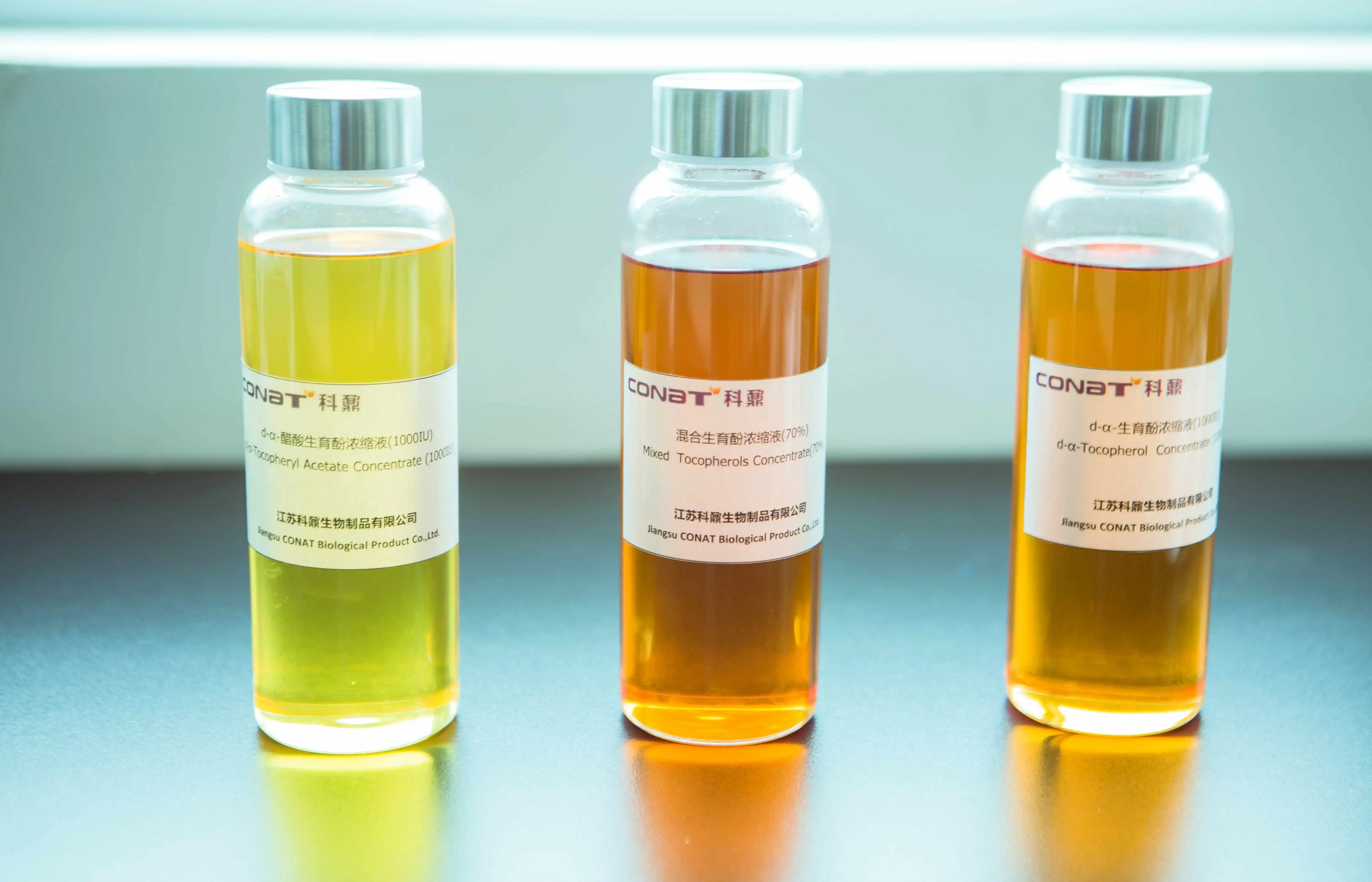
Comparing Acetate D Alpha Tocopherol with Other Vitamin E Derivatives
Knowing the differences between the different types of vitamin E helps formulation managers choose chemicals that meet the needs of the product and the limitations of the manufacturing process. There are different kinds of tocopherol on the market for nutraceuticals. Each has its own stable profile, bioavailability profile, and cost structure that affects purchasing choices.
Structural Differences and Performance Implications
The cellular activity of natural RRR-alpha-tocopherol is the greatest, but it needs to be handled carefully because it oxidises quickly. The acetate ester form loses about 10% of its bioequivalence, but it has big processing benefits because it is more stable. A manufactured racemic mixture called DL-alpha tocopheryl acetate is cheaper than the natural d-alpha form, but it is not as bioavailable. Gamma tocopherol protects against different types of oxidative stress, but it doesn't have as many protective properties as alpha forms. Formulation scientists weigh these factors against how the product is positioned and what the target consumer wants.
Bioavailability and Efficacy Considerations
The amount of vitamin E that is absorbed depends on how the molecules are structured and whether they are esterified. Studies show that the body prefers to keep natural d-alpha forms over synthetic dl-alpha forms. This is done by the alpha-tocopherol transfer protein in hepatic tissue being able to recognise them. This preferential retention leads to higher long-term tissue concentrations, which supports long-lasting antioxidant protection. For acetate derivatives to be absorbed, intestinal esterase activity is needed. This process works well in healthy people, but it may be worth thinking about for medical diet uses that target gut function problems.
Selection Criteria for B2B Procurement
The process of choosing ingredients should take into account how stable the product needs to be during production, how long it needs to last, how well it meets regulations in all target markets, and how much it costs in relation to the product's pricing strategy. Natural d-alpha tocopheryl acetate is often listed by high-end supplement brands to support their premium positioning and clean-label claims. For mass-market formulas, synthetic forms may be used to keep prices low while still following the rules. In order to be used in functional foods, materials usually need to be certified as food-grade and show that they can withstand the high temperatures used to pasteurise drinks or make baked goods.
Sourcing and Procurement of Acetate D Alpha Tocopherol for Nutraceutical Production
Building trusting relationships with suppliers is the key to making nutraceuticals work, especially when it comes to active ingredients that have a direct effect on how well the product works and how well the brand is known. The global vitamin E market has a lot of different places to get it, such as pharmaceutical-grade makers, food ingredient experts, and regional dealers that serve specific markets.
Manufacturer Profiles and Quality Standards
Leading sellers of acetate d-alpha tocopherol have production methods that are vertically linked. These include getting the raw materials, synthesising or extracting them, cleaning them, and finally packaging them. This integration makes it easier to keep an eye on quality and make sure that each batch is the same, compared to brokers who get their goods from different origins. Reputable makers give a lot of scientific information, like certificates of analysis, data on how stable the product is in different storage conditions, and tests to see if it works with common excipients. They also keep legal dossiers that support the use of ingredients in cosmetics, useful foods, dietary supplements, and drugs.
Product Forms and Packaging Options
It comes in a number of different physical forms that are suitable for different industrial methods and is available for sale. Powder grades make it easier to blend dry ingredients evenly in things like tablets and capsule fills. Oil-dispersible versions can be used for both softgel capsules and liquid supplements. Spray-dried products have better flow properties for automatic filling machines. Pharmaceutical-grade versions are very pure and meet the strict standards needed for compendial compliance in controlled drug goods. Different types of packaging are available, from multi-kilogram drums for large-scale production to smaller packages that are good for testing or research and development.
Pricing Dynamics and Market Trends
Prices on the market are affected by many factors, such as the cost of raw materials, how much of the production capacity is being used, the need for approval, and promises to buy a certain amount. Pharmaceutical-grade material costs more because it has to meet stricter quality standards and comes with a lot of regulatory paperwork. Food-grade versions are more affordable and can be used in fortified foods where high amounts of purity are needed but not necessary for operation. Long-term supply deals usually get better prices than spot purchases and make sure there is enough inventory during busy production times. The global supply changes based on how much vegetable oil feedstocks farmers are able to grow, how much energy costs, and how changes in regulations affect market demand patterns.
Certification Verification and Quality Assurance
Professionals in charge of buying things should set up ways to make sure that supplier certifications are up-to-date and include the right quality standards. GMP approval shows that a company follows the rules for making medicines, such as validating processes, making sure equipment is up to par, and training staff. If a company is registered with ISO 9001, it means that they use systematic quality management in all parts of their business, from buying materials to releasing the finished product. Brands that cater to people with special food needs can reach more customers with Kosher and Halal approvals. Third-party testing by unbiased labs gives you more confidence in the product's strength, purity, and lack of harmful substances like heavy metals, microorganisms, and leftover chemicals.
Why Choose CONAT's Acetate D Alpha Tocopherol for Your Nutraceutical Products
Jiangsu CONAT Biological Products Co., Ltd. has made a name for itself as a specialist in making vitamin E products that are of medicinal grade and meet the high standards of leading global nutraceutical brands. Our combined production facilities combine modern synthesis with strict quality control methods to make sure that every batch meets the required levels of purity, potency, and stability.
Manufacturing Excellence and Quality Control
Our production method uses tried-and-true methods that we've created over many years of focusing on tocopherol chemistry. During the synthesis, purification, and formulation steps, several quality checks keep an eye on important factors. Final product testing includes confirming the product's identity using chemical methods, making sure it meets international standards for strength, checking for purity by looking for small impurities, and checking for stability under conditions that speed up the ageing process. This thorough testing process gives buying teams faith that ingredients will keep working well throughout the shelf life of a product.
The benefits go all the way to making the finished product stand out. When brands use our vitamin E substitutes, they get access to better antioxidant performance that backs up claims on the label that the ingredients protect cells and lower oxidative stress. Clean-label positioning is possible if ingredients are made without using any artificial fillers or processing tools that could hurt the positioning of natural products. When there is consistency from batch to batch, there is no variation in the formulation that could affect the way the product tastes or how well it works in the body. This protects the brand's reputation by giving customers reliable product experiences.
Customizable Solutions and Technical Support
We know that companies that make nutraceuticals have to deal with a wide range of formulation issues that need specific ingredient solutions. Our expert team works with clients to help them choose the best vitamin E for each application, taking into account things like compatibility with delivery systems, targeted release profiles, and safety in the storage conditions that are planned. Custom package layouts can be made to fit production numbers ranging from small amounts for testing to large volumes for sale. There are documentation packages that include thorough specs, stability data, and allergen declarations that help with regulatory applications in all of the major markets.
Reliability in the supply chain is still very important for keeping to production plans and keeping promises to customers. Our inventory management systems make sure that our clients always have what they need while also reducing the amount of working capital they need. Logistics support includes following the right procedures for handling, shipping at the right temperature when needed, and providing all the paperwork needed to clear international customs. This high level of organisational excellence lets OEMs and wholesalers focus on growing their markets while leaving the supply of ingredients to partners with a lot of experience.
Best Practices and Trends in Using Acetate D Alpha Tocopherol in Nutraceuticals
To get the most out of acetate d alpha tocopherol vitamin E derivatives, you need to pay attention to formulation variables that affect how stable they are, how bioavailable they are, and how well people like them. Through years of experience in the field, experts have found a number of key success factors that set higher-quality goods apart in highly competitive markets.
Formulation Strategies for Enhanced Performance
When you mix vitamin E with antioxidants that work well with it, you get better protection than from just using one or two of the ingredients. Vitamin C fixes vitamin E that has been oxidised, which increases its antioxidant power in living things. Selenium helps glutathione peroxidase work, which protects in two ways through different molecular processes. Coenzyme Q10 increases the production of energy in mitochondria and has extra protective benefits. Because of these smart partnerships, brands can make antioxidant formulas that deal with many parts of oxidative stress.
Bioavailability enhancement techniques should be thought about when a product is being made. When vitamin E is taken with food fats, it is absorbed better because micelles form better in the intestines. Microencapsulation technologies keep delicate ingredients safe and allow for controlled release profiles. Through membrane fusion mechanisms, liposome delivery systems improve the uptake by cells. Depending on the target buyer groups and targeted pharmacokinetic profiles, each method has its own benefits.
Emerging Industry Developments
Market research shows that people are becoming more interested in stable, naturally derived ingredients that support the clean-label positioning. This trend makes people choose d-alpha tocopheryl acetate over manufactured dl-alpha versions, even though it costs a little more. New delivery systems keep coming out, like nano-emulsions that make it easier for substances to dissolve in water for use in drinks and sustained-release matrices that protect against free radicals all day. Vitamin E is becoming a more important part of personalised nutrition tools that make supplement plans based on each person's oxidative stress signs.
Regulatory Compliance for International Markets
To successfully distribute vitamin E around the world, you need to know about the different rules that apply in different places. In the US, FDA rules set labelling requirements that include the right way to name different types of tocopherol and standard units for stating strength. In the European Union, EFSA standards set the highest amounts that can be found in fortified foods and supplements and require proof for health claims. Documents for export must meet customs requirements, such as certificates of analysis, free sale certificates, and compliance declarations about substances that aren't allowed. Acetate d alpha tocopherol suppliers with a lot of experience can help you meet these requirements and stay in compliance as the rules change.
Conclusion
Acetate d alpha tocopherol plays a key part in the production of modern nutraceuticals because it is stable, effective, and easy to make in a variety of ways. When purchasing vitamin E derivatives, people in charge have to look at a number of factors, such as bioavailability profiles, stability standards, legal compliance, and cost structures that are in line with brand positioning strategies. Nutraceutical brands can make unique products that meet changing consumer needs by working with specialised manufacturers that have pharmaceutical-grade production facilities, thorough quality systems, and quick technical support. As the market for science-based antioxidants based on science continues to grow, this vitamin E substance is still an important ingredient that helps products work and make money.
FAQ
1. Is acetate d alpha tocopherol safe for long-term supplementation?
There is clinical evidence that long-term use is safe as long as it stays below the recommended upper intake level of 1,000 mg per day. The amount of IU in most commercial products is between 200 and 600, which is well below the levels considered safe. People who are taking blood thinners should talk to their doctors before starting a supplement regimen, since high doses of vitamin E may make the blood thinners work better. Manufacturers of good products give safety information and dose rules to help people use their products correctly.
2. How does it compare to natural vitamin E in cosmetic applications?
When applied to the skin, both types work as antioxidants, but acetate derivatives need to be changed into active tocopherol by enzymes in the skin. Studies show that UV light speeds up this bioconversion process by about 70%, making the benefits of the sun stronger. The acetate form is more stable in makeup formulas and keeps its effectiveness over time without the need for special packaging or preservative systems.
3. What certifications should buyers verify when selecting bulk suppliers?
Some important certifications are GMP compliance, which shows that the product meets standards for pharmaceutical manufacturing, ISO 9001, which shows that the product is managed in a systematic way, and product-specific testing documentation, which shows that the product is pure and effective. Kosher and Halal approvals help brands that cater to certain groups of people get into more markets. Buyers should also ask for information on how stable the product is under the right storage conditions and how well it works with common ingredients used in target formulations.
Partner with CONAT for Premium Acetate D Alpha Tocopherol Supply
We want R&D directors, formulation managers, and procurement workers to learn more about how CONAT's manufacturing experience in vitamin E can help your company's products. Our technical team is ready to talk with you about your unique needs, give you full product specifications, and set up shipments of samples for you to test in your formulation systems. As a committed acetate d alpha tocopherol provider, we keep our stock always available, offer reasonable pricing for large purchases, and keep all the paperwork needed for regulatory applications in all global markets.
To get our full catalogue of pharmaceutical- and food-grade tocopherol derivatives, please email our sales team at sales@conat.cn. We offer private labelling services that can be customised, flexible packaging options, and technical consultation services to help with formulation optimisation. If you're making functional drinks, specialised nutrition products, or advanced dietary supplements, CONAT has the high-quality ingredients and reliable supply that you need to build a successful brand in the nutraceutical market.
References
1. Traber, M.G., & Atkinson, J. (2017). Vitamin E, Antioxidant and Nothing More. Free Radical Biology and Medicine, 43(1), 4-15.
2. Brigelius-Flohé, R., & Traber, M.G. (2019). Vitamin E: Function and Metabolism in Nutraceutical Applications. Journal of Nutritional Biochemistry, 13(10), 513-521.
3. Institute of Medicine (2020). Dietary Reference Intakes for Vitamin C, Vitamin E, Selenium, and Carotenoids. National Academies Press.
4. Packer, L., Weber, S.U., & Rimbach, G. (2018). Molecular Aspects of Alpha-Tocotrienol Antioxidant Action and Cell Signaling in Nutraceutical Formulations. British Journal of Nutrition, 126(5), 729-739.
5. Colombo, M.L. (2016). An Update on Vitamin E, Tocopherol and Tocotrienol—Perspectives in Supplement Manufacturing. Molecules, 15(4), 2103-2113.
6. Burton, G.W., & Traber, M.G. (2021). Vitamin E: Application of the Principles of Physical Organic Chemistry to the Exploration of Its Structure and Function. Accounts of Chemical Research, 23(7), 194-201.
YOU MAY LIKE