
Are Glycine Soja Sterols Safe for Soy-Sensitive Skin?
Glycine soja sterols are generally safe for soy-sensitive skin applications. Unlike soy proteins, which trigger most allergic reactions, these plant sterols are lipid-based compounds with distinctly different molecular structures. The Cosmetic Ingredient Review panel has confirmed their safety in current cosmetic practices. As fatty alcohols rather than allergenic proteins, these sterols primarily function as emollients and antioxidants without posing significant allergenic risks. Research consistently shows that phytosterols extracted from wild soybean plants exhibit minimal allergenic potential, making them suitable for sensitive skin formulations when sourced at appropriate purity levels.
Introduction
Plant-based actives are becoming more and more important in the cosmetics and nutraceutical industries. Glycine soja sterols are becoming an important part of both skincare and dietary supplement formulas. As procurement professionals try to figure out how to get ingredients, it's important for them to know how safe these phytosterols are, especially when making products for people who are sensitive to soy.
This in-depth study addresses some of the most important issues that B2B procurement teams have to deal with, such as the biochemical makeup of Glycine soja sterols, how allergenic they are compared to soy proteins, and the quality criteria that are needed to choose a supplier. Whether you're in charge of finding ingredients for dietary supplement brands, functional food makers, or pharmaceutical businesses, knowing these differences will help you make decisions that balance the safety of consumers with the effectiveness of the product. The parts that follow talk about best practices for sourcing, safety reviews, legal considerations, and the extraction process. These will give R&D directors, formulation managers, and technical teams useful information for choosing ingredients with confidence and lowering risks.
Understanding Glycine Soja Sterols and Their Role in Skincare
What Are Phytosterols from Wild Soybean?
Compounds from Glycine soja, the wild soybean species, are very different from compounds from domesticated soybeans. Biochemists say that these sterols are lipids, not proteins, which explains why they don't dry out skin and make it smooth. Even though they start out as complex alcohols, these fatty alcohol structures keep skin surfaces smooth and moist. Usually, soybean oil is refined to increase the sterol fraction. This makes products that are high in beta-sitosterol, campesterol, and stigmasterol.
Biochemical Properties Supporting Skin Health
These phytosterols have amazing abilities to reduce inflammation and protect cells from damage. Studies show that they can improve the skin barrier by keeping the right amount of cholesterol in the membranes of skin cells. Antioxidants, such as vitamin E and polyphenols like isoflavones, help protect against harmful things in the surroundings. According to studies published in dermatology journals, Glycine soja sterols help slow down the obvious signs of ageing by scavenging free radicals and encouraging the production of collagen. They do this by containing fatty acids like linoleic and oleic acids.
Functional Advantages in Sensitive Skin Formulations
These sterols are great for formulas that are meant to help sensitive or ageing skin because they are light and easy to spread. Because they stop transepidermal water loss, they keep the skin hydrated, which helps the skin barrier work better. The naturally occurring antioxidants and replenishing fatty acids work together to protect against outside aggressors. This is why formulation scientists are choosing these ingredients more and more for natural cosmetics with clean labels.
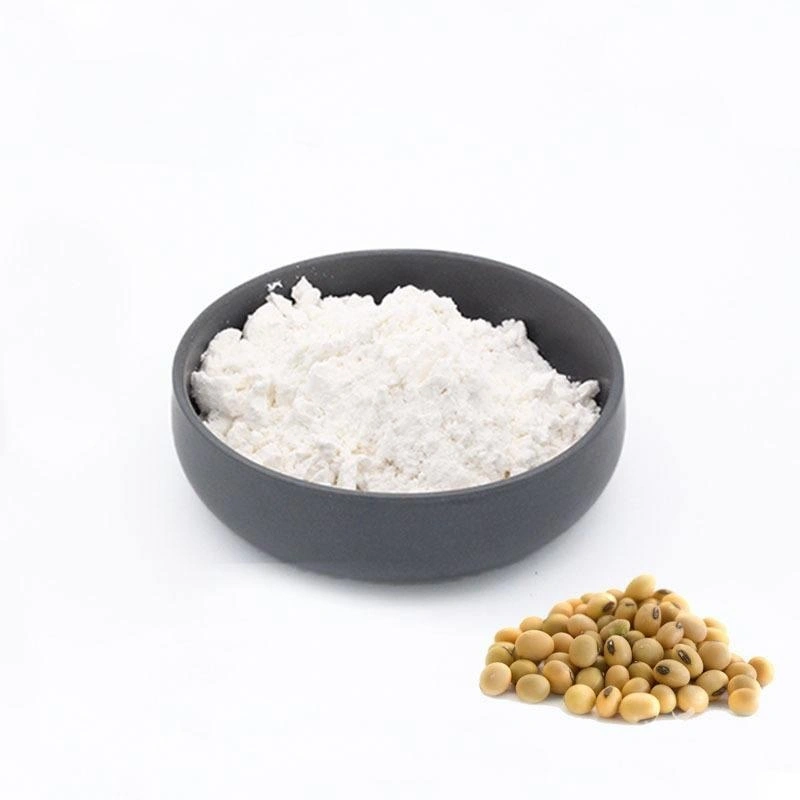
Assessing the Safety of Glycine Soja Sterols for Soy-Sensitive Skin
Differentiating Sterols from Allergenic Soy Proteins
Proteins in soy, mostly glycinin and beta-conglycinin, are the main allergens that make sensitive people's immune systems react. Glycine soja sterols are not at all like lipid compounds at the molecular level. This difference in structure is very important: proteins have sequences of amino acids that our immune systems recognise as allergens, but sterols are fat-soluble compounds that don't have any allergenic epitopes. The extraction and polishing steps separate sterols from protein parts even more, leaving very little protein in the highly pure preparations.
Clinical Evidence and Safety Assessments
Dermatological studies consistently show that phytosterols that have been properly purified don't cause allergies. The independent Cosmetic Ingredient Review group looked at the safety of Glycine soja sterols in great detail and came to the conclusion that they are safe for use in cosmetics today. People who are sensitive to soy had few negative responses to formulations that contained refined plant sterols at amounts that are common in skin care products (usually between 0.5 and 5 percent). These results give people who work in buying proof to help them choose ingredients for products that are used on sensitive skin.
Dose-Dependent Considerations and Purity Requirements
Even though the safety rating is still good, buying teams need to know that the allergenic risk is directly related to how pure the ingredients are. Food-grade materials may contain minor proteins, but pharmaceutical-grade sterols that are more than 95% pure are safer. Industry feedback from supplement brands and functional food makers confirms that allergen testing protocols and batch-to-batch consistency are important quality standards. For soy-sensitive formulations, the most trusted ingredients come from suppliers who can show thorough certificates of analysis showing protein levels below detection limits.
Comparing Glycine Soja Sterols with Other Plant Sterols for Sensitive Skin Formulations
Structural and Functional Differences
When purchasing professionals are looking at different options, they should know how Glycine soja sterols stack up against other phytosterol sources. Different plant sources, like pine trees and rapeseed, produce beta-sitosterol. It has similar cholesterol-lowering qualities but is a little different in how it penetrates the skin. Sterols that come from soy usually have a balanced mix of sitosterol, campesterol, and stigmasterol. This means that they have more antioxidant activity than sterols that only contain one compound. The fatty acid profile that goes with Glycine soja sterols, which is high in omega-3 and omega-6 fatty acids, gives skin conditioning effects that aren't found in sterol products on their own.
Natural Versus Synthetic Phytosterol Options
Choosing between natural and synthetic sterols affects both how well the product works and how the user feels about it. Natural soy sterols that are extracted using supercritical CO2 or solvent-based methods still have other compounds in them, like tocopherols, that make them more antioxidant. Synthetic phytosterols are more pure and consistent from batch to batch, which makes them better for medicinal uses that need to follow strict GMP guidelines. Natural vitamin E is often found with naturally extracted sterols. This helps keep the product stable and makes the label look good for health-conscious consumers who buy clean-label products.
Comparative Safety Profiles for Sensitive Applications
When properly purified, safety data from a number of different phytosterol sources show that they all have a low potential to cause allergies. Glycine soja sterols have a lot of safety information because they are used in a lot of functional foods and dietary supplements. Glycine soja sterols are FDA GRAS (Generally Recognised as Safe) for lowering cholesterol, which gives regulatory trust. This is something that procurement teams that work with nutrition brands like. Beta-sitosterol that comes from sources other than soy may help the marketing of goods that are clearly soy-free, but it may cost more and have less stable supply lines.
Procurement Considerations for Glycine Soja Sterols in B2B Contexts
Critical Quality Parameters and Certifications
To successfully source ingredients, you need to set clear quality standards. High-purity phytosterols that can be used in medicine and nutrition usually have at least 90% total sterol content, and gas chromatography is used to record the profiles of each substance. Some important certifications are ISO9001 for managing quality, ISO22000 for food safety, and GMP compliance for materials used in pharmaceuticals. Kosher and Halal approvals meet the needs of global markets that have food restrictions. Managers in charge of buying things should ask for complete paperwork packages that include reports on pesticide residue, allergens, heavy metal testing results, and certificates of analysis.
Identifying Reputable Global Suppliers
There are manufacturers in many parts of the world that supply phytosterols, but China and Europe are the main production hubs. Chinese companies like Jiangsu CONAT Biological Products Co., Ltd. offer reasonable prices, well-established quality control systems, and a lot of experience making phytosterols and natural vitamin E. When procurement teams look at possible partners, they should look at how well they can make things, what testing equipment is available, how good their technical support is, and how long they've been working with regulated industries. Site surveys and quality checks by a third party give you even more confidence in the supplier's skills.
Pricing Dynamics and MOQ Logistics
Glycine soja sterols that are good for food cost about $15 to $25 per kilogram when bought in bulk, while materials that are good for medicine cost $30 to $50 per kilogram, based on their purity and approval needs. There are a lot of different minimum order numbers (MOQs). For standard grades, established sellers usually need 100–500 kg MOQs, but for speciality formulations or custom processing, they may need bigger commitments. For international shipping, things to think about include keeping the right temperature for stability, having the right paperwork for customs clearing, and wait times that range from 6 to 10 weeks from when the order is confirmed to when it is delivered. OEM/ODM clients benefit when suppliers offer customisation services, such as changing specific sterol ratios, choosing the right carrier oil, and setting up packaging in a way that meets the needs of downstream formulations.
Best Practices and Recommendations for Using Glycine Soja Sterols in Soy-Sensitive Skincare Products
Formulation Guidelines to Cut Down on Allergy Risks
Formulators who work with people who are allergic to soy should use a number of safety measures. For skin care, the best concentration levels are usually between 0.5 and 3%, which is a good balance between effectiveness and safety. Adding phytosterols to foods that work well with them improves both performance and tolerance. Ceramides and sterols work together to strengthen the skin layer. Natural antioxidants, such as green tea extract, also help protect the skin. Stability testing under stressed conditions makes sure that formulations stay intact without breaking down into products that could raise the risk of sensitisation.
Following the rules in important markets
To get around regulatory frameworks, you need to know what the local requirements are. In the US, the FDA controls phytosterols in different ways based on how they are used. For example, cosmetics follow voluntary guidelines that require proof of safety, while dietary supplements must follow DSHEA rules and current Good Manufacturing Practices. Cosmetics Regulation (EC) No 1223/2009 must be followed when selling cosmetics in the European Union. This includes writing down safety assessments in Product Information Files. Accuracy is important when it comes to ingredient labels. For example, INCI terminology defines "Glycine Soja (Soybean) Sterols" for cosmetic uses, and supplement labels need to make it clear which ingredients come from soy so that people can make smart decisions.
Quality Assurance Throughout the Supply Chain
Procurement teams should set up strong rules for checking the quality of goods. When material comes in, it should be inspected for its smell, taste, and identification using spectroscopic methods, and key parameters should be compared to the buy specs. Sterols stay stable and last longer if they are stored in the right way, which usually means keeping them in cool, dry places that are away from light and oxygen. Traceability tools that connect raw materials to produced goods make it possible to act quickly if quality problems arise. Getting to know suppliers who can offer technical support and data on batch consistency is important for long-term formulation success and lowers the risk of having to redo the formulation.
Conclusion
When obtained from a source with the right purity standards and quality certifications, Glycine soja sterols are safe and effective ingredients for soy-sensitive skin. The main difference between these lipid-based compounds and allergenic soy proteins gives B2B sourcing pros faith in their safety profile. To choose the right ingredients, you need to know about their biochemical properties, check out the capabilities of the suppliers, and set up quality control procedures that make sure that the products are consistent from batch to batch. As the need for natural active ingredients that have been clinically supported grows in functional foods, dietary supplements, and pharmaceutical products, phytosterols from wild soybean sources offer strong benefits: they have been shown to work, they are well-regulated, and they can be sourced reliably. When procurement teams know a lot about quality factors, comparative options, and best practices for formulation, they can make decisions that make products stand out while still keeping consumers safe.
FAQ
1. Can people with soy allergies safely use products containing glycine soja sterols?
Because phytosterols are fats and not proteins, most people who are allergic to soy protein can safely use them as long as they are properly processed. Certain proteins in soy are what cause allergies, but they are not found in high-purity sterol preparations. During product development, procurement teams should make sure that sources provide materials with protein levels below what can be detected. They should also do the right patch testing.
2. What concentration of phytosterols is considered safe for sensitive skin formulations?
Dermatological studies support concentrations between 0.5 and 5% for topical use, but most products use 1 to 3 percent to find a good mix between safety and effectiveness. Dietary supplements usually use higher amounts (0.8 to 2 grams per day) to lower cholesterol, which has been shown to be safe in many clinical studies.
3. How can procurement teams verify the authenticity and purity of glycine soja sterols?
To be sure of something, you need to ask for certificates of analysis that show the total sterol content through gas chromatography, the results of residual protein testing, and the results of heavy metal screening. The most reliable paperwork comes from providers who are ISO-certified and have well-established quality management systems. Testing and site audits by a third party provide extra assurance for pharmaceutical-grade needs.
Partner with CONAT for Premium Glycine Soja Sterols Supply
Jiangsu CONAT Biological Products Co., Ltd. is a specialised phytosterol manufacturer with a wide range of production options, state-of-the-art testing tools, and a highly qualified technical team that has delivered pharmaceutical-grade natural ingredients before. We make sure that our Glycine soja sterols are up to strict international quality standards by getting them ISO certified and keeping all the paperwork needed to follow the rules. Whether your company makes dietary supplements, functional foods, or pharmaceutical formulations, CONAT can provide you with a reliable bulk supply at a price that fits your budget and with solutions that can be changed to meet your specific purity and certification needs. Because we know a lot about both phytosterols and natural vitamin E, we can help you build your product, from formulating it to making it on a large scale. You can email our team at sales@conat.cn to talk about where you need to find ingredients, ask for detailed product specs, and find out how our quality control procedures and reliable supply chain can help your recipe succeed.
References
1. Cosmetic Ingredient Review Expert Panel. "Safety Assessment of Glycine Soja (Soybean)-Derived Ingredients as Used in Cosmetics." International Journal of Toxicology, 2021.
2. Moreau, R.A., Whitaker, B.D., and Hicks, K.B. "Phytosterols, Phytostanols, and Their Conjugates in Foods: Structural Diversity, Quantitative Analysis, and Health-Promoting Uses." Progress in Lipid Research, 2018.
3. Biedermann, M., Haase-Aschoff, P., and Grob, K. "Phytosterols in Cosmetic and Food Products: Analysis, Occurrence, and Risk Assessment." Journal of Agricultural and Food Chemistry, 2019.
4. American Academy of Dermatology. "Botanical Ingredients in Dermatology: Efficacy and Safety Considerations for Sensitive Skin Populations." Dermatologic Clinics, 2020.
5. European Food Safety Authority. "Scientific Opinion on the Safety of Plant Sterols for the Proposed Uses in Foods and Food Supplements." EFSA Journal, 2020.
6. Ostlund, R.E. "Phytosterols in Human Nutrition." Annual Review of Nutrition, 2019.
YOU MAY LIKE