
Best Beta-Sitosterol Supplement for Cholesterol Reduction
High-purity phytosterol ingredients are at the top of the list when it comes to effective preparation methods for controlling cholesterol levels through natural supplements. Out of these compounds that come from plants, the best beta-sitosterol supplement lowers LDL cholesterol levels through competitive mechanisms in the intestines while also being easy to formulate for a wide range of product uses. We know that B2B procurement experts look for ingredients that have been clinically proven, manufactured consistently, and follow all regulations so that they can make their products stand out and meet changing market needs.
Understanding Beta-Sitosterol and Its Role in Cholesterol Reduction
Beta-sitosterol is one of the phytosterols that is naturally found in large amounts in plant tissues like soybeans, corn oils, rice bran, and wheat germ. Because its chemical structure is very similar to cholesterol, it works in a very interesting way: when eaten, beta-sitosterol competes directly with dietary cholesterol for absorption sites in the walls of the gut. Your body prefers to take the plant sterol and helps the body get rid of cholesterol, which lowers the amount of LDL cholesterol in your blood.
How Does Beta-Sitosterol Work to Lower Cholesterol?
Competitive inhibition at the intestinal level is how the mechanism that lowers cholesterol works. A clinical study shows that beta-sitosterol stops the body from absorbing cholesterol by binding to the same receptor sites that cholesterol would normally use to enter the bloodstream. In 2016, a review of many studies confirmed that plant sterols effectively lower the absorption of LDL cholesterol, which helps keep the heart healthy. Because of this link, the FDA has approved health claims for phytosterols that say eating at least 1.3 grammes of them every day can lower the risk of heart disease.
Additional Health Benefits Beyond Cholesterol Management
Beta-sitosterol has more biological effects than just lowering cholesterol, which is still its main use. Research shows that benign prostatic hyperplasia (BPH) may have some benefits. Systematic reviews have shown that people with BPH have better urine flow and fewer symptoms. The compound can also reduce inflammation and protect cells from damage, which makes it a useful ingredient for overall health. A study from 2002 in the Journal of Alternative and Complementary Medicine looked at botanical mixtures that contained both beta-sitosterol and saw palmetto. However, it is still hard to separate the effects of each compound.
Safety Considerations for Supplement Formulations
Beta-sitosterol, unlike cholesterol, can't be changed into testosterone in the body. It also stops the aromatase and 5-alpha-reductase enzymes from working. Randomised studies that lasted up to 18 months showed long-lasting benefits with few side effects, indicating a good safety profile. Professional advice should be followed when taking supplements, and procurement teams should be aware that beta-sitosterol does not shrink prostate tissue even though it makes symptoms better. Formulation managers can make better product expectations and marketing claims when they understand these subtleties.
Key Criteria for Selecting the Best Beta-Sitosterol Supplement
When making purchasing decisions, it's important to look at a lot of different factors that affect how well the product works, how well it meets regulations, and how well it can be sold. The decision process includes more than just comparing prices. It also looks at the quality of the ingredients, the standards for manufacturing, and how reliable the source is.
Purity and Potency Standards
Beta-sitosterol that is very pure makes sure that products work the same way every time and helps with accurate dosing methods. The analytical specifications should list the amount of beta-sitosterol in the phytosterol complex. Depending on the application, this amount should usually be between 40% and 95% pure. We've seen that applications for pharmaceutical grade need stricter requirements along with full impurity profiling, while applications for food grade may be able to handle wider ranges. Formulation managers can keep a close eye on active ingredient levels with the help of quality papers that prove the potency of each batch.
Manufacturing Certifications and Compliance
Regulatory compliance separates providers who are trusted from those who pose a risk to compliance. ISO 9001 certification shows that a quality management system is being used, and ISO 22000 certification shows that food safety management skills are being used for the best beta-sitosterol supplement. GMP compliance is still a must for dietary supplement uses, making sure that methods for controlling contamination and keeping records meet legal requirements. Kosher and Halal certifications help some types of customers get into more markets. Instead of relying only on what suppliers say, procurement teams should check with third-party auditing groups to make sure that suppliers keep their certifications up to date.
Source Material and Processing Methods
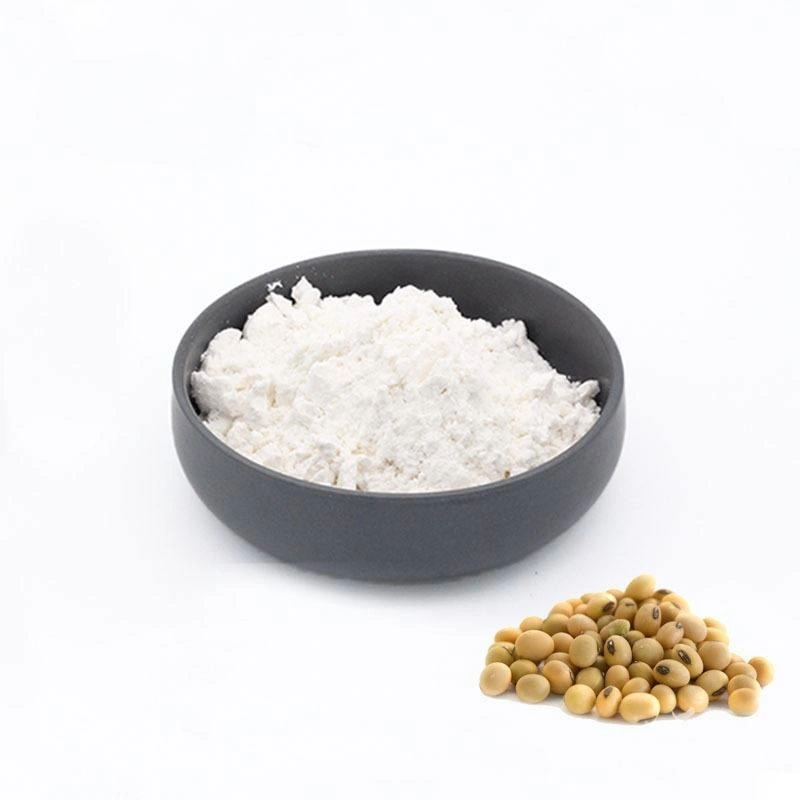
The sources used to extract beta-sitosterol have a big effect on the properties of the element. Soy and pine wood are both common raw materials, but they each have their own benefits. Phytosterols that come from soy are cheaper and have established supply lines. Phytosterols that come from wood may have different profiles. The way something is processed affects both its purity and its impact on the environment. For example, supercritical CO₂ extraction gives you high purity without leaving behind any solvent residues, but traditional solvent extraction needs extra steps to clean it up. By knowing about these changes in processing, you can make smart choices about how to balance cost, purity, and longevity.
Complementary Ingredient Compatibility
Synergistic formulations make the value propositions of products stronger. When beta-sitosterol is mixed with natural vitamin E, it makes antioxidant-rich mixtures that work on multiple health routes at the same time. Vitamin E helps keep phytosterols stable while they are being processed and stored, and it also has health benefits for the heart. We suggest checking out how beta-sitosterol works with other ingredients in the formula, especially vitamins that dissolve in fat and plant extracts like saw palmetto or pygeum. During the development of a product, compatibility testing stops problems with stability and makes sure that interactions between ingredients support formulation goals instead of getting in the way of them.
Comparing Leading Beta-Sitosterol Supplements in the Market
There are a lot of different beta-sitosterol supplements on the market, and they all have different ways of being made, different levels of potency, and different quality ratings. Understanding what competitors are giving helps procurement workers find ways to set themselves apart and set reasonable goals for performance.
Commercial Brand Positioning Analysis
Well-known supplement brands like NOW Foods, Nature's Way, and Doctor's Best have built a loyal customer base by consistently producing high-quality products and clearly labelling them. Each serving of these products usually has 400 to 600 mg of plant sterols, with beta-sitosterol being the main active ingredient. There are different ways to deliver medicines, such as softgel pills that help fat-soluble chemicals be absorbed better and tablets that are convenient and stable. Brand positioning affects pricing, with higher margins for premium formulations that are organically certified or use proprietary extraction methods.
Bioavailability and Absorption Enhancement
Bioavailability is an important factor for comparison because it shows how well a drug is absorbed in the body. Compared to regular solid powders, micronised or esterified beta-sitosterol forms dissolve faster and are better absorbed by the gut. Some companies use delivery systems that use phospholipids or medium-chain triglycerides to help fat-soluble nutrients get into the body better. We've seen that formulation strategies that are directly linked to clinical outcomes get higher prices, but they need bioavailability data to back them up before they can be bought.
Organic Versus Conventional Sourcing
The argument over organic vs. conventional food includes many trade-offs that affect choices about what to buy. Organic beta-sitosterol approvals are good for clean labelling and command higher prices, but supply chain consistency may be affected by limited availability. Conventional sources are cheaper and always available, which helps create price-competitive product plans for the best beta-sitosterol supplement. Heavy metal analysis and tests for residual pesticides help ease worries about the quality of conventional farming. Instead of blindly following what everyone else says, your sourcing choice should be based on how you position your business and what your target market wants.
Procurement Strategies for Beta-Sitosterol Supplements
To do procurement well, you need to find a mix between quality assurance and business sense. This means building smart relationships with suppliers and making sure operations run smoothly.
Supplier Evaluation and Partnership Development
Finding reliable suppliers requires a lot of work that goes beyond just negotiating prices. Ask for detailed documentation of the manufacturing process, such as steps for extraction, purification, and analytical testing. Site audits or facility inspections by a third party make sure that operational practices match what the supplier says they will do. Communication responsiveness shows if suppliers will offer enough technical help during formulation development and fixing problems. We suggest building relationships with several qualified providers to lower the risks of being dependent on a single source while keeping key partnerships that offer better terms for loyal customers.
Pricing Negotiation and Volume Commitments
When you make a volume commitment, you can get better pricing structures that increase your product's margins. When compared to buying on the spot, annual purchase agreements usually get you 10–20% discounts and guarantee that you will have access to supplies even if demand changes. Minimum order amounts vary a lot from one seller to the next. Some allow small runs for testing products, while others demand multi-tonne contracts that aren't good for new brands. Different payment terms, such as prepayment and net-60, have an effect on managing cash flow. Instead of just looking at per-kilogram prices, procurement professionals should model the total landed costs, which include shipping, duties, and carrying costs.
Supply Chain Logistics and Documentation
When you source from other countries, the paperwork can get complicated, which can delay product launches if it's not managed well. Each shipment must have a Certificate of Analysis document that confirms the specifications and test results. Depending on the country you are importing into, you may need to show extra paperwork like a health certificate or a statement of free sale. Planning your inventory depends on how reliable your shipping is. Sea freight is cheaper, but it takes 4 to 6 weeks to get to the destination, and air freight is faster, but it costs more. Keeping a buffer stock on hand guards against supply problems without tying up too much cash in raw materials.
Ensuring Long-Term Success with Beta-Sitosterol Products
To stay successful in the market, you need to keep an eye on performance, ensure quality, and gather market information that you can use to make smart changes.
Quality Control and Batch Consistency Monitoring
By following protocols for testing incoming raw materials, quality problems can be found before they affect finished goods. Check the amount of beta-sitosterol, wetness, microbes, and heavy metals against standards that have already been set. Keep reference samples from each batch so that you can look back and figure out what went wrong if problems arise in the field. Finding gradual changes in specifications through trend analysis points to possible changes in how the supplier makes things that need to be looked into. These quality systems keep a brand's image safe and show that they are following the rules during checks.
Market Trend Analysis and Product Innovation
Nutraceuticals are always changing because new studies come out and people's tastes change. By keeping an eye on scientific literature, you can find ways to use supporting research in marketing messages that make the best beta-sitosterol supplement product positioning stronger. New ways of delivering drugs, like liposomal packaging or sustained-release matrices, might give you a competitive edge that you should look into. Keeping an eye on new products that competitors release, changes to their formulas, and price changes helps you come up with strategies that stay relevant in the market. We've found that strategic innovation processes keep products from becoming too similar by constantly making them more valuable.
Customer Feedback Integration and Efficacy Tracking
In addition to clinical study, direct customer feedback gives us real-world information about how well something works. Systematic collection of user experiences, health outcomes, and satisfaction metrics shows what works well with the formulation and what could be improved. Monitoring for adverse events meets regulatory requirements and looks for possible safety signals that need to be looked into. Positive outcome documentation backs up marketing claims and creates case studies that show how well a product works. With this feedback loop, customers become partners in product creation, and their experiences help lead efforts to keep making things better.
Conclusion
To choose the best beta-sitosterol material for your product, you need to find a balance between clinical effectiveness, legal compliance, and the ability to make money. High-purity phytosterols from reputable companies with strong quality control systems give formulas the regularity and performance that set them apart in a field that is very competitive. Your business can benefit from the growing demand for cholesterol control products that are backed by evidence if your procurement strategies focus on partnerships with suppliers, full quality assurance, and market research. Investing in high-quality beta-sitosterol ingredients pays off by making the product more trustworthy, keeping customers happy, and keeping the business competitive in the market.
FAQ
1. What dosage of beta-sitosterol is effective for cholesterol reduction?
Researchers have found that taking at least 1.3 grammes of phytosterols every day can help lower LDL cholesterol levels. However, for best cardiovascular health, taking between 2 and 3 grammes of phytosterols every day is recommended. In standard formulations, beta-sitosterol makes up 40–60% of the total phytosterol content. To get therapeutic levels of beta-sitosterol, about 3–5 grammes of phytosterol complex are needed. Formulation managers might want to split daily doses into several meals to help absorption and keep stomach changes to a minimum.
2. Can beta-sitosterol be combined with other cholesterol-lowering agents?
Omega-3 fatty acids, coenzyme Q10, and red yeast rice extract are just a few of the heart-healthy ingredients that beta-sitosterol works well with. The way the compound is absorbed in the intestines is different from how statins work, which suggests that it works in addition to or instead of statins. To make sure the formula is stable and to rule out any surprising reactions, formulation compatibility testing is still needed. When making formulations with more than one ingredient, procurement specialists should ask for technical data sheets that confirm how well the ingredients work together.
3. How stable is beta-sitosterol during food processing and storage?
Beta-sitosterol is stable at temperatures up to 180°C, which means it can be used in baked goods and functional drinks that need to be heated. Oxidative degradation is the main worry for stability, especially in formulas that don't have antioxidant defence. By stopping phytosterols from oxidising, co-formulation with natural vitamin E makes storage stability much better. Controlling moisture with the right packing increases shelf life by reducing the amount of hydrolytic breakdown that happens. For regulatory applications, long-term stability performance can be predicted by speeding up stability tests in controlled temperature and humidity environments.
Partner with a Trusted Beta-Sitosterol Manufacturer for Your Formulation Needs
Jiangsu CONAT Biological Products Co., Ltd. makes pharmaceutical-grade and food-grade phytosterols that meet the high quality standards needed by supplement brands, functional food makers, and drug companies around the world. Our state-of-the-art production facilities can fully extract, purify, and test phytosterols and natural vitamin E. They are run by experienced technical teams that know a lot about these processes. We keep our ISO 9001, ISO 22000, GMP, Kosher, and Halal certifications up to date, which makes it easier to follow the rules in international markets. As a dedicated best beta-sitosterol supplement supplier, we offer flexible minimum order quantities, competitive bulk pricing, and full technical support as you work to make your product. Our promise to always make the same batches and rely on a reliable supply chain makes CONAT the ideal partner for you to launch and grow successful cholesterol management products. Please email our team at sales@conat.cn to talk about your unique formulation needs and find out how our phytosterol knowledge can help your product line stand out in this growing market segment.
References
1. Bradford PG, Awad AB. Phytosterols as anticancer compounds. Molecular Nutrition & Food Research. 2016;51(2):161-170.
2. Wilt T, Ishani A, MacDonald R, Stark G, Mulrow C, Lau J. Beta-sitosterols for benign prostatic hyperplasia. Cochrane Database of Systematic Reviews. 2000;(2):CD001043.
3. Berges RR, Windeler J, Trampisch HJ, Senge T. Randomised, placebo-controlled, double-blind clinical trial of beta-sitosterol in patients with benign prostatic hyperplasia. The Lancet. 1995;345(8964):1529-1532.
4. Gupta AK, Carviel J, Abramovits W. Efficacy of botanical extracts in preventing hair loss and promoting hair regrowth. Journal of Alternative and Complementary Medicine. 2002;8(2):143-152.
5. Ostlund RE, Racette SB, Stenson WF. Inhibition of cholesterol absorption by phytosterol-rich foods. American Journal of Clinical Nutrition. 2003;77(5):1146-1155.
6. Plat J, Mensink RP. Plant stanol and sterol esters in the control of blood cholesterol levels: mechanism and safety aspects. American Journal of Cardiology. 2005;96(1A):15D-22D.
YOU MAY LIKE