
Best Vitamin E Carrier Oils for Sensitive Skin: Top Picks & Tips
Choosing the appropriate vitamin E carrier oil is essential when creating skin care items for sensitive skin. These special mixes take natural carrier oils and add tocopherol-rich vitamin E to them. This gives the skin protective antioxidant benefits while still being gentle on sensitive skin. It's important to find the right mix between oxidative stability, hypoallergenic qualities, and effective nutrient delivery when making cosmetic lines, nutraceutical recipes, or functional health goods.
Understanding Vitamin E Carrier Oils and Their Benefits for Sensitive Skin
Composition and Natural Sources
Vitamin E carrier oil comes from plant lipid matrices and is a complex group of useful ingredients. These mixtures have naturally occurring tocopherols, mostly alpha, beta, gamma, and delta isomers, that come from vegetable oil distillates, such as those from sunflower, rapeseed, and soybeans. Natural mixed tocopherols are better than manufactured dl-alpha-tocopherol because they are more stable against oxidation and are recognized by skin cells.
The carrier oil part is both the vehicle and the active agent. Natural oils like jojoba, sweet almond, and argan have fatty acid ratios that are similar to human sebum. This makes them easier to absorb and lowers the risk of sensitivity. When these carriers are improved with concentrated tocopherols, they become better at removing free radicals without losing their natural ability to moisturize.
Biochemical Mechanisms in Sensitive Skin
Tocopherols work as chain-breaking antioxidants in cells, giving hydrogen atoms to lipid peroxyl radicals to stop oxidative cascade reactions. This process works especially well on sensitive skin because the barrier function isn't working as well, letting more external oxidants get in. The stratum corneum, which is full of lipids that are easily damaged by peroxidation, directly benefits from applying tocopherol to the skin.
Vitamin E increases the fatty lamellae between cells, which makes it easier for the skin to keep water and lessens transepidermal water loss. Tocopherol's anti-inflammatory effects come from its power to change the production of prostaglandins and stop the production of inflammatory cytokines. All of these effects work together to reduce redness, calm sensitivity, and help the skin's barrier repair, which fixes the basic problems that sensitive skin types have.
Protective and Regenerative Properties
Beyond just blockage, vitamin e carrier oil mixtures have the ability to hydrate. Tocopherols help keratinocytes make more ceramide, which makes the skin's natural defenses stronger. This healing effect is especially helpful in formulas that are meant to help skin that is damaged or stressed by the climate.
Antioxidants protect in several ways, including blocking lipid peroxidation in cell membranes, reducing singlet oxygen produced by UV light, and renewing other antioxidants like vitamin C by donating electrons. Because of these combined effects, vitamin E carrier oils are important parts of preventative skin care products, especially those made for sensitive or reactive skin that needs gentle but effective help.
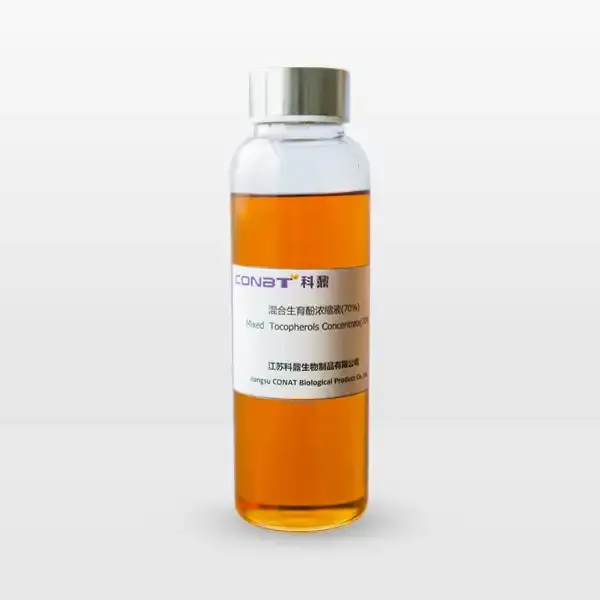
Top Vitamin E Carrier Oils for Sensitive Skin: Detailed Analysis
Selection Criteria and Quality Standards
When looking at carrier oils for use on sensitive skin, they need to be carefully evaluated across a number of quality factors. Standards for purity must meet or go beyond those for cosmetics, and the amounts of contaminants must be checked by a third party. Organic approval gives you peace of mind about chemical residues and processing methods, which is especially helpful when looking for ingredients for clean-label products.
The comedogenic rating method is helpful because it uses a range from zero to five to show how likely an oil is to clog pores. Formulations for sensitive skin usually focus on oils rated two or lower, which lowers the risk of breakouts while keeping the skin wet. Even though hypoallergenic certification isn't uniform, it shows that there is less chance of sensitization through elimination tests and data on past use.
Different types of carrier oil have very different stability patterns. Testing for peroxide value and anisidine suggests oxidative stability, which in turn predicts shelf life and resistance to going bad. Oils that are high in monounsaturated fatty acids tend to be more stable than oils that are high in polyunsaturated fatty acids. This is an important thing to think about for the safety of consumers and the life of formulations.
Jojoba Oil with Natural Tocopherols
Technically, jojoba oil is not a triglyceride, but a liquid wax ester. This makes it very stable and good for your face. Its chemical structure is very similar to human oil, which lets it absorb quickly without leaving behind a greasy film. When mixed tocopherols are added to jojoba, it makes a beautiful way to give antioxidants while also moisturizing in a way that won't clog pores, which is great for people with sensitive skin.
Jojoba is great for formulas for people with sensitive skin because it is not likely to cause allergies. It usually has between 200 and 400 ppm of tocopherol by itself, but strong vitamin E products can make it have more. This mix gives formulators a lot of options for getting the antioxidant strength they want while keeping the light feel and great spreadability that make good skin care products.
Sweet Almond Oil Enriched Formulations
Sweet almond oil has a balanced fatty acid makeup, with oleic and linoleic acids being the main types. These acids help the barrier function and lower inflammation. Its naturally occurring vitamin E content, mostly alpha-tocopherol, protects against free radicals and can be increased by adding other nutrients. The oil's emollient qualities calm redness and bring nutrients deep into the skin.
Concerns about where to get sweet almond oil include the need to tell people about allergens, since some people are sensitive to tree nuts. High-quality cold-pressed types keep as many nutrients and tocopherols as possible. When buying almond oil for sensitive skin, procurement teams should make sure it is non-GMO and ask for certificates of analysis that show the fatty acid composition and vitamin E concentration. This will ensure consistency from batch to batch, which is important for making sure the formulation works again and again.
Argan Oil: Luxury Meets Functionality
Argan oil is highly valued because it is hard to find and has amazing skin benefits. This oil from Morocco has strong anti-inflammatory and healing qualities because it is full of tocopherols and essential fatty acids. Its natural vitamin E content and special phytosterol substances protect cells in a wide range of ways, making it especially useful in anti-aging products for sensitive skin.
Because the oil absorbs quickly and doesn't leave a greasy film, it can be used in serums and face treatments. To get real argan oil, you have to carefully check the suppliers because market fraud is still a problem. Appropriate saponification values, specific gravity readings, and fatty acid profiles led by oleic and linoleic acids are all signs of quality. When natural tocopherols are added to argan oil, it turns into an expensive ingredient that can help a product stand out in a crowded market.
Comparative Performance Analysis
Comparing the various vitamin E carrier oil choices shows different performance profiles that are appropriate for various formulation objectives. Jojoba works great for light uses that need to absorb quickly and have a low risk of clogging pores. Sweet almond is a cheap way to feed your skin that works for most skin types. Argan has a premium status because it has amazing regenerative effects that support the higher ingredient costs.
Pure vitamin E oil is very strong, but it can be hard to use directly because it is thick and can irritate the skin at high amounts. These problems can be fixed by diluting the drug in carrier oils. This makes formulas that are easier for people to use while still being effective. Consumer choice data constantly shows that blended formulations are preferred over pure tocopherol products. This supports the use of carrier oils for sensitive skin.
How to Use Vitamin E Carrier Oil Safely and Effectively on Sensitive Skin
Application Protocols and Patch Testing
To reduce the chance of sensitivity, vitamin E carrier oil must be added to skin care routines gradually. Before applying it all over your face, you should do a patch test on a small part of your inner wrist and watch for redness, itching, or inflammation for 24 to 48 hours. This extra safety measure is especially important when using new formulas or working with clients who have known issues.
How often you should use it relies on your skin type and the quantity of the product. Most people can safely use it every day, as long as they put it on after cleaning, when their skin is at its most permeable. Small amounts should be used, usually two to three drops for the face, because too much product doesn't help and can leave an uncomfortable taste.
Synergistic Ingredient Combinations
Using vitamin E carrier oil with actives that work well together improves performance while keeping a gentle profile that is good for sensitive skin. Hyaluronic acid and vitamin E work well together. Vitamin E protects the humectant from radical breakdown, and hyaluronic acid hydrates the skin so that tocopherol can get into it better. This synergy works especially well in serums that are meant to both moisturize and protect the skin.
Niacinamide is another good match because both of these ingredients work to reduce inflammation in different ways. When putting these kinds of mixtures together, pH levels become important. Keeping the pH level slightly acidic keeps niacinamide stable and vitamin E in its reduced, active form. Combinations of antioxidants, like vitamin C, need to be carefully made because ascorbic acid's low pH can make oil-based systems less stable if they aren't balanced properly.
Safety Considerations and Reaction Recognition
The safety ratings of vitamin E carrier oil formulations are typically excellent, but it's still important to be aware of possible bad responses. Contact dermatitis is not common, but some people may be sensitive to certain carrier oils or tocopherols and get it. Localized heat, itching, burning feelings, or pustule formation are all symptoms that need to be stopped right away and thoroughly cleaned.
Oxidative rancidity is another problem, especially when goods are not kept properly. Oils that go rancid smell bad and may even make reactive stress worse instead of better. Buying fresh ingredients that are properly packaged and stabilized with antioxidants ensures that the product is safe for as long as it is supposed to last. It is suggested to store things in cool, dark places with closed cases so that they don't get too much oxygen, which speeds up degradation.
Procurement Insights: Buying the Best Vitamin E Carrier Oil for B2B Clients
Supplier Evaluation and Certification Requirements
For business formulations, vitamin E carrier oil must be sourced from reliable sources. Manufacturers of good products keep a lot of paperwork, like Certificates of Analysis, Safety Data Sheets, and allergy statements. ISO 9001 certification means that quality management is done in a planned way, and ISO 22000 certification is for food-grade uses that are important for makers of functional and nutraceutical foods.
Extra qualifications are valuable in certain markets. Kosher and Halal approvals make it easier for food supplement applications to reach more customers. Certifications from the USDA or the EU as organic are highly valued and meet the needs of consumers who want clean labels. GMP compliance is important for pharmaceutical-grade uses because it makes sure that production practices meet the strict quality and documentation standards needed for regulatory submissions.
Bulk Purchasing Strategies and Market Dynamics
Buying vitamin e carrier oil in bulk requires handling complicated price systems that are affected by the markets for agricultural products, the cost of processing, and certification fees. Most of the time, organic approved oils cost 20–40% more than regular oils. Due to limited regional availability and harvests that rely on the weather, the price of rare oils like argan can change a lot.
Minimum Order Quantities vary substantially between suppliers, ranging from 25-kilogram drums to bulk tanker shipments. Strategically, it's smart to build relationships with providers who are flexible and can adapt to changing growth paths. A lot of good makers let you make changes, like choosing the exact amount of tocopherol or carrier oil to use or setting up private labeling agreements that help your brand stand out.
Conclusion
Choosing the right vitamin e carrier oil is an important step in making safe, effective products for use on sensitive skin. Combining the antioxidant qualities of natural tocopherol with the nourishing properties of carrier oils makes ingredients that can be used in a wide range of skincare, nutraceutical, and functional food products. Knowing how jojoba, sweet almond, argan, and other carrier options work differently lets you make smart formulation choices that are in line with how you want to place your product and what your target market wants.
Quality buying is more than just looking at price. It also includes checking certifications, making sure the supply chain is reliable, and being able to provide expert help. Working together with well-known companies that are experts in making natural vitamin E gives you the steadiness and proof you need to follow the rules and be successful in business. As the trend toward "clean labels" grows and people demand more information, natural vitamin E carrier oils help products stand out while also providing measured benefits backed by biochemical proof.
Frequently Asked Questions
1. What distinguishes vitamin E carrier oils from pure vitamin E products?
Vitamin E carrier oil combines strong tocopherols with base oils like almond or jojoba to make mixtures that are both effective and useful. Pure vitamin E oil is very thick and may hurt skin when used in its pure form. Diluting it with a carrier oil makes it easier to spread and lowers the risk of sensitivity. In addition to tocopherol, the carrier oils add minerals and healthy fatty acids, making the mixtures better than tocopherol goods that are sold alone. Compared to pure vitamin E, this method also makes the product more stable and extends its shelf life.
2. Are vitamin E carrier oils safe for all sensitive skin types and age groups?
Vitamin E carrier oil products typically have good safety ratings across all age groups when they are properly made. It is still a good idea to do patch tests, especially when adding new formulas. Infants and young children's skin is less resistant to chemicals, so they need lower amounts and close supervision. People over 65 whose defenses aren't working as well may benefit from the extra moisture these oils provide. People who are known to be allergic to certain carrier oils should choose other options. For example, people who are allergic to tree nuts should stay away from almond-based goods, even though cross-reactivity rates are low.
3. Can vitamin E carrier oils promote hair growth or improve scalp health?
Vitamin E carrier oils are mostly known for their skin benefits, but they can also be used on the hair because they are antioxidants and reduce inflammation. Tocopherols protect hair strands from oxidative stress, and carrier oils keep the skin moist, which makes it less likely that irritation will happen. These benefits make it easier for hair to grow, even though vitamin E doesn't directly make hair follicles grow. If you rub your scalp with the right vitamin E carrier oil mixture, it may improve circulation and reduce inflammation that can lead to some types of hair loss. However, you shouldn't expect too much in terms of hair growth promotion versus maintaining a healthy scalp environment.
Partner with CONAT for Premium Vitamin E Carrier Oil Solutions
Formulations that work are built on high-quality materials. CONAT is an expert in making high-quality natural vitamin E and phytosterol products. They have decades of experience making tocopherol and developing derivatives. Our large study, production, and testing facilities make sure that the quality is always the same and meets foreign certification standards like ISO, GMP, Kosher, and Halal.
If you're working on dietary supplements, functional foods, cosmetic formulations, or pharmaceutical uses, CONAT's expert team can help you with the problems you're having with formulation. To ensure the purity, stability, and batch accuracy necessary for business success, our vitamin E carrier oil ingredients go through stringent quality control. As a reliable manufacturer of vitamin E carrier oil, we provide a variety of flexible purchasing choices to suit the needs of both new names and production companies that have been around for a while.
Email our team at sales@conat.cn to get product specs, samples, or to talk about how we can help you with a unique formulation. We give you custom quotes that take into account your MOQ needs and shipping times that work with your production plan. Find out how working with a natural vitamin E seller with a lot of experience can make your supply chain stronger and help you make better products with ingredients that people trust.
References
1. Thiele, J.J., & Ekanayake-Mudiyanselage, S. (2007). "Vitamin E in Human Skin: Organ-Specific Physiology and Considerations for Its Use in Dermatology." Molecular Aspects of Medicine, 28(5-6), 646-667.
2. Keen, M.A., & Hassan, I. (2016). "Vitamin E in Dermatology." Indian Dermatology Online Journal, 7(4), 311-315.
3. Podda, M., & Grundmann-Kollmann, M. (2001). "Low Molecular Weight Antioxidants and Their Role in Skin Ageing." Clinical and Experimental Dermatology, 26(7), 578-582.
4. Nachbar, F., & Korting, H.C. (1995). "The Role of Vitamin E in Normal and Damaged Skin." Journal of Molecular Medicine, 73(1), 7-17.
5. Burke, K.E. (2007). "Interaction of Vitamins C and E as Better Cosmeceuticals." Dermatologic Therapy, 20(5), 314-321.
6. Gehring, W. (2004). "Nicotinic Acid/Niacinamide and the Skin." Journal of Cosmetic Dermatology, 3(2), 88-93.
YOU MAY LIKE