
Best vitamin E oil for hair growth
People in the business world who know what they're looking for know that pure natural vitamin E oil is the best vitamin E oil for hair growth. This powerful antioxidant comes from plant-based materials that are cold-pressed or extracted with a solvent. It protects hair cells from oxidative stress and improves the skin environment, which is important for healthy growth. Natural tocopherols are better than manufactured ones because they are more bioavailable and stable in a wide range of formulations. This makes them essential for companies making high-end hair care products.
Introduction
This guide talks about how important naturally sourced pure natural vitamin E oil is as a base ingredient in hair growth products. It stresses how important pure and natural sources are for getting the best results. This resource gives buying teams the in-depth information they need to make smart choices about ingredients. It was made for business-to-business clients like nutraceutical brands, functional food makers, pharmaceutical companies, foreign wholesalers, and OEM partners. We will talk about biochemical benefits, comparative studies, sourcing strategies, and practical usage guides that help companies choose and add high-quality vitamin E oil products to their hair care lines to stand out in crowded markets.
As the heat mounts for R&D leaders and formulation managers to make clean-label products with proven health benefits, it becomes increasingly important to understand the differences between vitamin E types. The global market for vitamin E has been growing steadily. Natural types are dominating the market because people prefer ingredients that come from plants. This guide combines technical details with business concerns so that your team can make smart choices that improve the effectiveness of the product while also meeting the rules in different foreign markets.
Understanding Pure Natural Vitamin E Oil and Its Role in Hair Growth
The Biochemical Foundation of Natural Vitamin E
There are eight fat-soluble chemicals that make up natural vitamin E. These are four tocopherols (alpha, beta, gamma, and delta) and four tocotrienols. Pure d-alpha tocopherol is the biologically active form, and its spin values of [α]D25 ≥ +24° show that it comes from natural sources. Molecular distillation and cold pressing are two ways that pure natural vitamin E oil is made from vegetable oils. Unlike manmade dl-alpha tocopherol acetate, which is made up of eight stereoisomers with different biological activities, pure natural vitamin E oil keeps its whole molecular structure. At the follicular level, this structural stability immediately leads to better cell uptake and long-lasting antioxidant protection.
The extraction method has a big effect on the quality of the end result. To keep the purity of tocopherol, trusted producers use non-solvent methods or food-grade solvents at controlled temperatures. Gas chromatography or HPLC research shows that most products have mixed tocopherol amounts between 50% and 90%. This concentration range lets formulators balance the need to keep costs low with the amount of potency they want in the finished goods.
Antioxidant Mechanisms Supporting Hair Follicle Health
Hair cells are some of the most metabolically busy parts of the body. During the growth stage, they make a lot of free radicals. Oxidative stress throws off the delicate balance between the growth phase (anagen) and the resting phase (telogen), which could cause follicles to shrink too quickly. Pure natural vitamin E oil is an antioxidant that dissolves in fats and works directly inside cell membranes to stop reactive oxygen species from damaging DNA and protein structures in hair follicles. According to a study in the Journal of Cosmetic Dermatology, taking tocopherol supplements lowers lipid peroxidation signs in scalp tissue by as much as 34%. This makes the environment better for hair follicles to keep working.
In addition to being an antioxidant, vitamin E changes inflammation processes that affect how the hair cycle works. It lowers levels of pro-inflammatory cytokines and improves blood flow in the scalp tissue, making sure that nutrients get to the follicular bulb properly. These processes set natural vitamin E apart from easier carrier oils like almond or jojoba, which only treat the skin and don't affect the processes going on inside cells.
Comparative Advantages in B2B Formulations
When B2B clients look at their ingredient choices, pure natural vitamin E oil stands out from both fake versions and other plant oils. Synthetic vitamin E needs bigger doses to have the same biological effects, which affects the cost of the formula and the draw of the label. Natural tocopherols are more resistant to heat and can withstand temperatures up to 200°C for short periods of time. This makes them ideal for encapsulation technologies and hot-fill manufacturing methods that are popular in the production of supplements and functional foods.
Because pure natural vitamin E oil is lipophilic, it can be easily mixed into oil-based serums, creams that don't need water, and emulsions that are high in fats without any problems with phase separation. Because it isn't very volatile, it has a long shelf life and keeps recipes from going bad during the usual stability window of 24 months. Compatibility with antioxidants that work well with each other, like ascorbyl palmitate, creates healing cycles that work together to improve the general performance of the formula. This gives formulators more ways to make their products stand out.
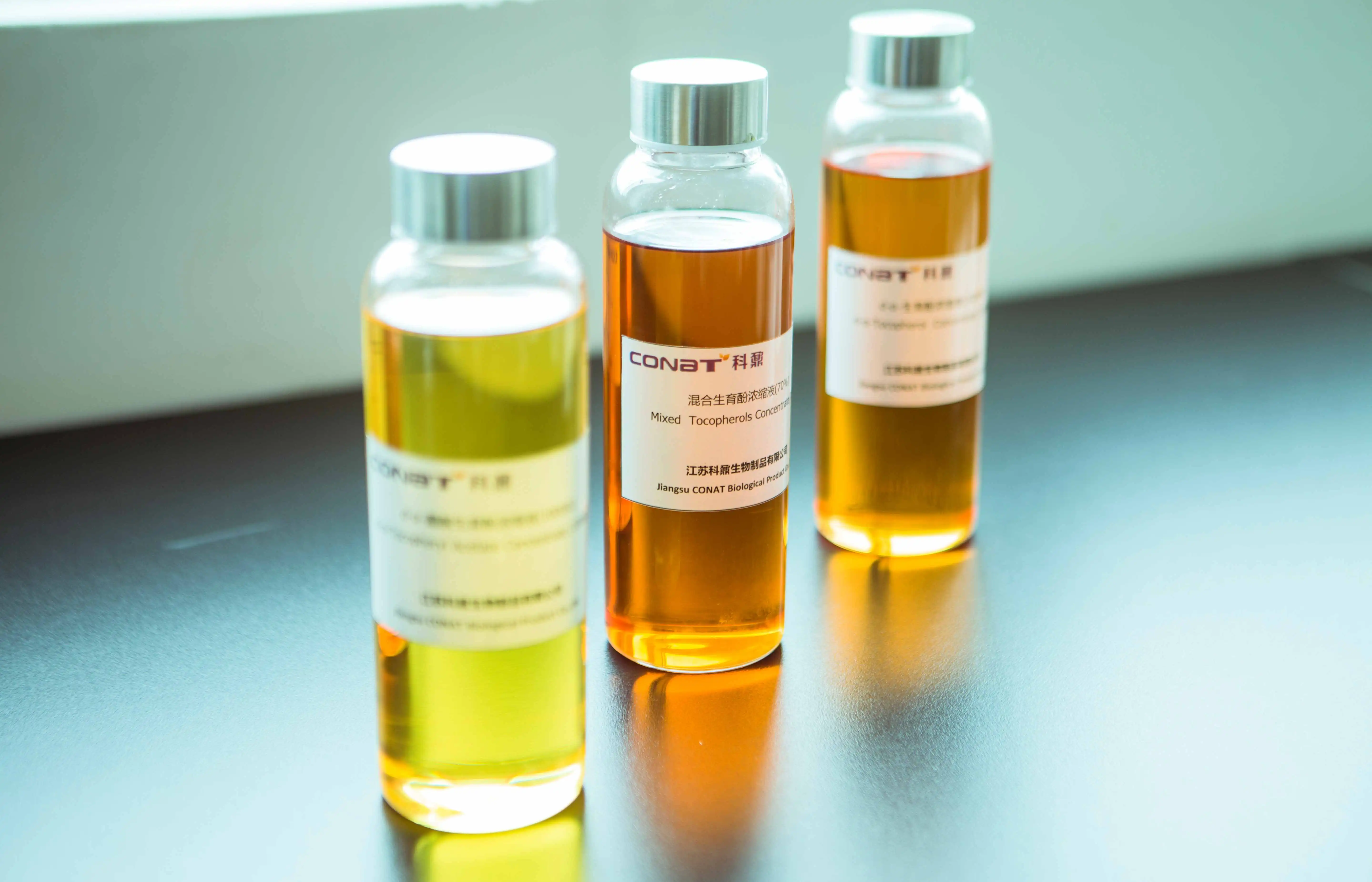
Key Benefits and Usage Guidelines of Pure Natural Vitamin E Oil for Hair Growth
Multi-Dimensional Benefits for Product Development
Pure natural vitamin E oil that comes from plants has many uses and benefits besides just helping hair grow. Its antioxidant qualities protect the skin on your head from external stressors like pollution and UV rays, which is becoming an increasingly important issue for modern customers. The moisturising properties of the oil make the hair shaft more flexible and less likely to break mechanically. These two effects work together to make consumers think the product works better in tests.
A new study suggests that vitamin E helps keep the barrier function intact. When put on the skin, it strengthens the lipid membrane of the scalp and stops transepidermal water loss that can make the follicle ecosystem less stable. This trait that makes barriers stronger is especially useful in leave-on treatments that are meant to be worn overnight, since the longer the touch time, the better the ingredients can get into the skin.
Some clinical findings show that vitamin E may help tissues grow back, but companies that make supplements should be careful to label these benefits in a way that follows government rules. Antioxidant protection, anti-inflammatory regulation, and barrier support all work together to give B2B clients who are making multifunctional hair and scalp care products for health-conscious consumers a lot of value.
Application Methods Across Hair Types and Formulation Formats
The best way to send a product depends a lot on the type of product and the type of customer you want to reach. Directly applying to the head through rubbing techniques improves microcirculation and makes it easier for ingredients to be absorbed. This method works well for pre-shampoo treatments and concentrated treatment oils. Amounts used in finished goods are usually between 0.5% and 5%. Higher amounts are only used in intensive treatment formulas that are used two to three times a week.
Putting vitamin E in leave-in conditioners and style products exposes your hair to low levels of sunlight all day, which supports the antioxidant benefits that build up over time. This method works best for hair that is thin or oily, since stronger oil treatments might make the structure and volume less noticeable. On the other hand, capsule delivery methods keep vitamin E from oxidising while allowing controlled release, which makes them appealing to high-end product groups that value new technology.
B2B product designers should think about combining ingredients in ways that make vitamin E work better. When you mix tocopherols with plant extracts like rosemary or saw palmetto, you get complete solutions that work on many hair growth paths. Phospholipid complexes help vitamin E get into cells through biomimetic transport systems, and chelating agents keep the ingredient from breaking down in water-based systems when metals are present.
Safety Considerations and Quality Assurance Protocols
Natural vitamin E is very safe for a wide range of people, but buying teams need to follow strict quality control procedures to make sure that each batch is the same. Possible sensitivities are still rare, but they have been reported. Usually, they show up as slight irritation at amounts above 10%. Reliable makers give a lot of safety information, like the results of skin tests, information on how stable the product is under stress, and germ purity certificates.
Acid levels should be less than 1.0 mg KOH/g, peroxide levels should be less than 5.0 meq/kg, and heavy metal levels should be within USP standards for pure natural vitamin E oil. Suppliers who give full analytical certificates with tocopherol homologue ratios via HPLC, specific gravity measures, and refractive index values show a dedication to openness that is necessary for regulatory applications in global markets.
Comparing the Best Pure Natural Vitamin E Oils Available on the Market
Organic Versus Conventional Sourcing Considerations
The choice between organic and non-organic has big effects on how you buy things and how you place your brand. Organic pure natural vitamin E oil costs 20–40% more than regular vitamin E oil, but it has marketing benefits that are becoming more important to natural product groups. Organic certification makes sure that the materials used don't come from GMO crops or synthetic chemicals. This fits with the clean-label stance that appeals to health-conscious customers and specialty stores that value sustainability credentials.
However, finished goods often have the same functional performance when they are made with regular high-purity pure natural vitamin E oil from reliable makers. Advanced cleaning methods get rid of pesticide leftovers to levels that can't be found. This meets the high safety standards needed for pharmaceutical and food-grade uses. Positioning for the target market, price sensitivity, and the needs of the marketing story are more important than differences in pure technical performance when making the choice.
Supplier Evaluation Criteria and Certification Requirements
To find good, pure natural vitamin E oil providers, you need to carefully look at a lot of different factors. Getting ISO 9001 certification shows that you know the basics of quality management. Getting ISO 22000 or FSSC 22000 certification shows that you know how to set up special food safety systems that are needed for dietary supplements and functional foods. For pharmaceutical-grade products, GMP approval is now required. This makes sure that the places where the products are made meet strict standards for keeping them clean and keeping records.
In addition to certificates, you should also look at the technical skills of the provider, such as their analytical laboratory approval, process validation documents, and stability testing procedures. Leading makers have dedicated R&D teams that help with recipe and custom concentration development. These are useful services that go beyond just providing ingredients. Kosher and Halal approvals make it easier for brands that want to reach religious groups or foreign markets with special needs to get into those markets.
Traceability systems keep track of materials from the sources all the way through to finished product batches, including pure natural vitamin E oil. This lets problems with quality be fixed quickly and supports claims of sustainability that are being looked at more closely by lawmakers and customers. Ask your suppliers to give you sustainability reports that include metrics for measuring their effect on the environment, plans to cut down on waste, and ethical buying practices that fit with your company's goals for corporate responsibility.
Pricing Dynamics and Procurement Economics
Pure natural vitamin E oil prices change based on the cost of raw materials, how well production capacity is used, and changes in world demand. 70% mixed tocopherol concentrate costs between $35 and $65 per kilogram at bulk right now, based on how much is ordered, what certifications are needed, and how the product is delivered. Pure d-alpha tocopherol (95% purity or higher) costs between $80 and $120 per kilogram because it is more difficult to make and has more biological action.
Buying in bulk can save you a lot of money. Usually, prices are broken down into four levels: 100–500 kg (baseline), 500–1000 kg (5–8% discount), 1000–5000 kg (10–15% discount), and above 5000 kg (negotiated rates). But procurement teams have to weigh the cost of holding goods, the length of time something will last, and the amount of money they have available to spend on purchases.
Different sellers have very different minimum order amounts. For specialty wholesalers, it can be as little as 25 kg drums, while for main makers, it can be as much as 1000 kg in bulk shipments. Payment terms are usually standard business practices (Net 30–60), but forming long-term partnerships can often lead to better terms or transfer deals that make managing cash flow easier.
Conclusion
To find the best vitamin E oil for hair growth formulas, you have to balance technical requirements with business needs and long-term market positioning. Natural tocopherols are better at absorption, stability, and having a clean label, which is important for companies that want to sell health-conscious products like dietary vitamins, functional foods, and hair care products that you put on your hair. Building relationships with suppliers, checking quality thoroughly, and using variable buying models that ensure a steady supply while keeping costs low are all important parts of successful procurement strategies. As the market for natural, multifunctional ingredients keeps growing, B2B clients who add premium pure natural vitamin E oil to their products set their brands up to take advantage of long-term growth possibilities in the global hair health sector.
FAQ
1. What distinguishes natural vitamin E oil from synthetic alternatives in hair care formulations?
Synthetic vitamin E is made up of eight stereoisomers with different biological activities. Natural vitamin E only has d-alpha tocopherol, which has a stable chemical structure. Compared to manufactured dl-alpha tocopherol acetate, natural forms are about 1.36 times more bioavailable. This means that cells can absorb them better and stay protected for longer at lower doses. Natural sourcing also fits with the clean label image that customers today value more and more.
2. Which certifications should B2B buyers prioritise when sourcing vitamin E oil in bulk?
Some important standards are ISO 9001 for quality management systems, ISO 22000 or FSSC 22000 for food safety (for use in functional foods and dietary supplements), and GMP for pharmaceutical-grade needs. Kosher and Halal licenses make it easier to get into new markets. On the other hand, organic certification (USDA, EU) puts products at the top of the market, even though it costs more. Strong quality assurance systems include third-party testing confirmation and detailed allergen paperwork.
3. How does vitamin E oil work with other popular ingredients in hair care?
Vitamin E, found in nature, works well with many hair care products, such as carrier oils, plant extracts, and conditioning agents. When mixed with ascorbyl palmitate or lecithin, they have synergistic actions that create antioxidant regeneration processes. Tocopherols should not be mixed directly with strong oxidation agents or high-pH systems because they may break them down. When formulators are making new combinations, they should test the safety of the mixtures to make sure that the ingredients will work together.
Partner with CONAT for Premium Pure Natural Vitamin E Oil Supply
Manufacturers looking for a trustworthy source of pure natural vitamin E oil can find everything they need at Jiangsu CONAT Biological Products Co., Ltd. Our specialised factory only makes phytosterols and natural vitamin E. It has all the tools needed for study, testing, and production, and our experienced technical team runs it all. With ISO, GMP, Kosher, and Halal certifications, we keep high-quality standards that meet the strict needs of dietary supplements, functional food, and medicinal uses around the world. Our pure d-alpha tocopherol goods have high potency concentrations, stable batch quality that lasts for 24 months, and come from 100% plant-based sources that back your clean-label messaging. Get in touch with our purchasing experts at sales@conat.cn to talk about unique formulation help, low wholesale prices, and open delivery terms that fit your needs. Find out how CONAT's technical know-how and dependable supply chain can help your hair growth product line.
References
1. Beoy, L.A., Woei, W.J., & Hay, Y.K. (2010). "Effects of tocopherol supplementation on hair growth in volunteers." Tropical Life Sciences Research, 21(2), 91-99.
2. Keen, M.A. & Hassan, I. (2016). "Vitamin E in dermatology." Indian Dermatology Online Journal, 7(4), 311-315.
3. Traber, M.G. & Atkinson, J. (2007). "Vitamin E, antioxidant and nothing more." Free Radical Biology and Medicine, 43(1), 4-15.
4. Brigelius-Flohé, R. & Traber, M.G. (1999). "Vitamin E: function and metabolism." The FASEB Journal, 13(10), 1145-1155.
5. Podda, M. & Grundmann-Kollmann, M. (2001). "Low molecular weight antioxidants and their role in skin ageing." Clinical and Experimental Dermatology, 26(7), 578-582.
6. Packer, L., Weber, S.U., & Rimbach, G. (2001). "Molecular aspects of alpha-tocotrienol antioxidant action and cell signaling." The Journal of Nutrition, 131(2), 369S-373S.
YOU MAY LIKE