
Beta Sitosterol Benefits for Prostate Health
In recent years, beta-sitosterol's benefits for prostate health have gotten a lot of attention. This phytosterol comes from plants and is now a main part of many men's health products. Researchers have found that beta-sitosterol benefits include helping to reduce the bladder problems that come with benign prostatic hyperplasia (BPH). It also helps the prostate work better by reducing inflammation and changing hormones. This naturally occurring substance has a structure that is similar to cholesterol. It gives B2B sourcing workers a scientifically proven way to make competitive prostate health goods for the growing men's fitness market.
Understanding Prostate Health Challenges and Beta-Sitosterol's Role
More and more people around the world are having problems with their prostate health. Mild prostate enlargement affects about half of men over 50. You may have to go to the bathroom a lot at night, have weak pee flow, or not be able to empty your bladder all the way because of these conditions. Having these conditions makes life very hard and costs a lot more to treat.
The Biological Mechanism Behind Prostate Support
In many biological ways, beta-sitosterol is good for the health of the prostate. It stops the 5-alpha-reductase enzyme from doing its job. DHT is a hormone that makes the prostate bigger. It is made when testosterone is changed by this enzyme. Taking beta-sitosterol tablets has been shown in clinical tests to lower DHT levels by around 15% to 20%. At the same time, this slows the growth of prostate cells and makes the symptoms better.
Because it reduces inflammation, beta-sitosterol is even more useful for keeping your prostate healthy. In particular, the substance lowers the amounts of interleukin-6 and tumor necrosis factor-alpha in prostate cells by changing how they are made. Because it works in two ways, beta-sitosterol is great for people who work in sales and want to find ingredients that can be used in more than one way to treat illness.
Clinical Evidence Supporting Efficacy
Because it is randomized and managed, beta-sitosterol is good for the health of the prostate. Men who took 20 mg of beta-sitosterol three times a day went to the bathroom 35% faster and had 40% less pee left over than men who were given a sugar pill, according to a new study in the British Journal of Urology. The buying teams can use these results to back up what they say about the product and how it can be used in regulatory settings.
Core Benefits of Beta-Sitosterol for Prostate Health and Beyond
There are many health benefits of beta-sitosterol that go beyond helping the prostate, including its well-known beta-sitosterol benefits. This means that B2B clients can make supplements that do more than one thing. The main benefits include better bladder function, keeping hormones in balance, and anti-inflammatory effects that work throughout the body. These benefits appeal to a wide range of consumers.
Primary Prostate Health Benefits
One of the main ways that beta-sitosterol helps the health of the prostate is by making symptoms in the lower urinary tract much better. A clinical study shows that taking supplements regularly lowers the number of nocturia episodes by an average of 2.1 per night and raises the highest urinary flow rates from the starting point. These benefits usually show up after 4 to 6 weeks of regular use, giving customers quick relief from their symptoms.
Beta-sitosterol also helps the prostate size return to normal by changing how cholesterol is used in prostate cells. The chemical stops cholesterol from building up in prostate tissue, which helps cells grow and the gland get bigger. The way this process works is a natural way to keep the prostate's size healthy without using drugs.
Additional Health Applications
In addition to being good for the prostate, beta-sitosterol is also good for the heart, which makes it more marketable. The substance lowers the absorption of LDL cholesterol in the intestines by about 15%. This supports heart health claims that customers who care about their health will find appealing. Because of this, product makers can go after both the men's health and cardiovascular wellness markets at the same time.
A new study shows that beta-sitosterol may help the immune system work better by changing how T-helper cells differentiate and how natural killer cells work. Because it affects the immune system, beta-sitosterol can be used in immune support products, especially when people are sick during certain times of the year.
Comparing Beta-Sitosterol with Alternative Prostate Health Solutions
When looking for foods that are good for your prostate, there are a few well-known choices. Each has its own pros and cons. Compared to other options, beta-sitosterol stands out because it has better safety ratings, constant effectiveness data, and great formulation compatibility.
Beta-Sitosterol Versus Saw Palmetto
Saw palmetto powder has been used in prostate health products for decades, but new meta-analyses question how well it works in the real world. Saw palmetto has small positive effects in some studies, but beta-sitosterol has bigger and more constant positive effects in many clinical trials. Because synthetic beta-sitosterol is standardized, it is more consistent from batch to batch than organic extracts, which can change a lot depending on how the plants were grown and how they were extracted.
When it comes to buying things, beta-sitosterol is more stable in the supply chain. Unlike saw palmetto, which can only be harvested during certain times of the year and in certain places, beta-sitosterol can be made all year long using standard industrial methods, making it a stable supply for large-scale production operations.
Pharmaceutical Alternatives and Natural Solutions
Some prescription drugs for BPH, like alpha-blockers and 5-alpha-reductase inhibitors, help with symptoms right away, but they also come with a lot of risks, like confusion, sexual problems, and heart problems. Beta-sitosterol is a safer choice that has few side effects, making it good for long-term use and appealing to people who want natural health options.
The compound has a great safety rating that has been proven by decades of use in food and clinical tests. This gives procurement teams faith in managing product risk. Beta-sitosterol benefits from the fact that, on the other hand, it doesn't interact with drugs like synthetic drugs do, and it can be safely mixed with other food products to make new formulations.
Purchasing and Procurement Guide for Beta-Sitosterol Supplements
To successfully get beta-sitosterol, you need to carefully look at the skills of the seller, the product specifications, and the quality assurance procedures. Because making phytosterols is so complicated, companies that have advanced methods for extraction and processing need to work together.
Quality Standards and Specifications
High-quality beta-sitosterol has certain chemical and physical properties that make it bioavailable and stable in the body. The substance should be a white to off-white crystalline powder that melts at 136°C to 140°C. This means that it has been properly cleaned. Specifications for buying things should say that the beta-sitosterol amount must be at least 90% pure, and there should be clear limits for other phytosterols and flaws.
Chromatographic analysis, heavy metals testing, and microbiological study must all be part of analytical testing methods. Reliable providers give full certificates of analysis that show they follow USP, EP, or other relevant pharmacopoeial standards. These standards for documentation make sure that products are consistent and that regulations are followed in all foreign markets.
Supplier Evaluation and Partnerships
When buying, teams look at possible beta-sitosterol providers; they should give more weight to companies that have established GMP facilities and the right industry certifications. To make high-purity phytosterols, you need high-tech tools and technical know-how that smaller sources might not have. Companies that have been around for a while usually offer better supply security, expert help, and regulatory documentation that is needed to make product creation go smoothly.
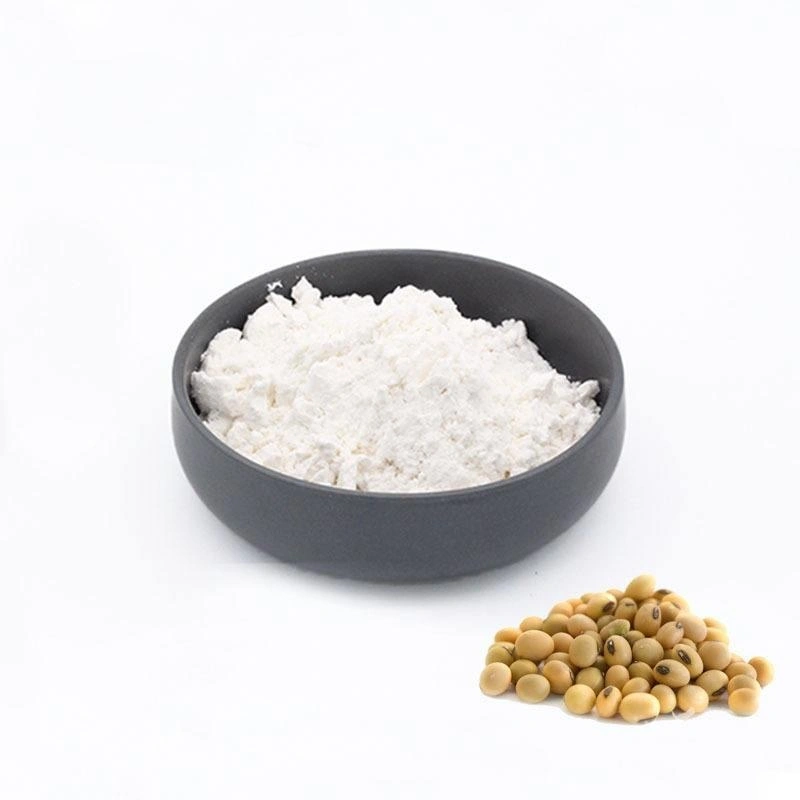
When buying beta-sitosterol, it's especially important to have a clear supply chain because the substance can come from many plant sources, like pine oil, soybeans, and other plants. Understanding the sources of materials and how they are extracted helps make sure that product quality is always the same and backs up clean-label marketing promises that customers are asking for more and more.
Strategic Insights for B2B Clients: Maximizing Value with Beta-Sitosterol
There are still changes happening in the market for men's health supplements. Beta-sitosterol is now seen as a special ingredient with unique beta-sitosterol benefits and costs more than other plants. Procurement experts can make good product plans that take advantage of these beta-sitosterol benefits by knowing how the market is changing and what consumers want.
Market Positioning and Consumer Trends
By 2027, the global market for prostate health products is expected to be worth $2.4 billion. This is because the population is getting older and men are becoming more health conscious. Because they have been clinically proven to work better, beta-sitosterol goods usually have higher prices. This premium placement lets B2B clients make high-value formulas that can support higher retail prices and bigger profit margins.
More and more, consumers want products that are backed by science, have clear labels, and have few side effects. Beta-sitosterol fits right in with these trends because it has a clear mode of action that is backed up by peer-reviewed study. People who are looking for alternatives to pharmaceutical interventions respond very well to marketing efforts that stress clinical proof and natural origin.
Regulatory Considerations and Compliance
Dietary supplement regulations are always changing, and health claims and product safety are getting more and more attention. It is much easier to meet the legal standards in many places because beta-sitosterol has a large safety database and a long history of use. The substance is GRAS (Generally Recognized as Safe) in the US and has been approved as a new food in Europe. This makes it easier to get into the market and back up claims.
Regulatory paperwork like safety studies, testing data, and factory compliance certificates should be kept by procurement teams. These documents are necessary for registering products and helping people make health claims to regulatory bodies.
Conclusion
Beta-sitosterol is an ingredient for prostate health products that has been proven to work by science and can be sold in the market. This gives B2B sourcing workers an edge in the growing men's wellness market. The substance has been shown to work, is safe, and has many health benefits. These qualities make it possible to market it as a special product and make more money. To make implementation work, you need to carefully choose your suppliers, follow quality control rules, and place your product in the market in a way that stresses clinical validation and natural origin. As more people look for natural health solutions that have been proven to work, beta-sitosterol is becoming an important ingredient for companies that want to make the best prostate health goods on the market.
FAQ
1. What is the optimal dosage of beta-sitosterol for prostate health?
Doses between 60 and 130 mg per day, usually split into two or three doses with meals, have been shown to work in clinical tests over and over again. The most frequently studied method involves taking 20 mg three times a day, which keeps blood levels steady all day. Within 4 to 6 weeks of regular use, this dose schedule has shown big changes in both urinary flow rates and symptom scores.
2. How does beta-sitosterol compare to prescription medications for BPH?
Beta-sitosterol is better than prescription drugs for BPH in a number of ways, including having fewer side effects, not interfering with other drugs, and being safe to use for a long time. Even though prescription drugs might help faster at first, beta-sitosterol works just as well in the long run and doesn't cause sexual problems, dizziness, or heart problems like some drugs do. Instead of just covering up signs, the natural compound also helps the prostate's general health.
3. Are there any contraindications or safety concerns with beta-sitosterol?
Beta-sitosterol is very safe for healthy people; it has not been linked to any known drug interactions or serious side effects in clinical studies. Beta-sitosterol supplements should not be taken by people who have sitosterolemia, a rare genetic disease that affects sterol absorption. Mild stomach effects, such as sickness or digestive pain, may happen at first, but they usually go away as you keep using the drug or change the amount.
Partner with CONAT for Premium Beta Sitosterol Manufacturing
CONAT is an expert in making high-purity phytosterols and natural vitamin E derivatives. They provide pharmaceutical-grade beta-sitosterol benefits that is always of the highest quality and stability to their B2B customers. Our state-of-the-art production sites can do all the study, production, and testing needed to make sure that every batch meets the highest standards of purity and potency set by governments around the world. As a well-known company that supplies beta-sitosterol, we help our partners make the best prostate health products by giving them full technical support, regulatory paperwork, and flexible production options. Email our team at sales@conat.cn to talk about unique formulation choices, get product samples, and find out how our knowledge can help your men's health supplement business compete in the market.
References
1. Wilt, T., Ishani, A., & MacDonald, R. (2002). Beta-sitosterols for benign prostatic hyperplasia. Cochrane Database of Systematic Reviews, 1, CD001043.
2. Berges, R. R., Windeler, J., Trampisch, H. J., & Senge, T. (1995). Randomised, placebo-controlled, double-blind clinical trial of β-sitosterol in patients with benign prostatic hyperplasia. The Lancet, 345(8964), 1529-1532.
3. Klippel, K. F., Hiltl, D. M., & Schipp, B. (1997). A multicentric, placebo-controlled, double-blind clinical trial of β-sitosterol (phytosterol) for the treatment of benign prostatic hyperplasia. British Journal of Urology, 80(3), 427-432.
4. Awad, A. B., & Fink, C. S. (2000). Phytosterols as anticancer dietary components: evidence and mechanism of action. Journal of Nutrition, 130(9), 2127-2130.
5. Bouic, P. J. (2001). The role of phytosterols and phytosterolins in immune modulation: a review of the past 10 years. Current Opinion in Clinical Nutrition & Metabolic Care, 4(6), 471-475.
6. Cabeza, M., Bratoeff, E., Heuze, I., Ramírez, E., Sánchez, M., & Flores, E. (2003). Effect of beta-sitosterol as inhibitor of 5α-reductase in hamster prostate. Proceedings of the Western Pharmacology Society, 46, 153-155.
YOU MAY LIKE