
Beta-Sitosterol Dosage Timing: Before or After Meals?
When creating with beta-sitosterol, the time is very important. Since this phytosterol is fat-soluble, research shows that the best time to take a beta-sitosterol dosage is with foods that contain dietary fats. When eaten with foods that are high in healthy fats, absorption rates go up by a huge amount, increasing bioavailability by up to 40% compared to when taken on an empty stomach. Understanding this pattern of absorption helps companies make better product labels and helps people get the most out of their designed vitamins for managing cholesterol.
Understanding Beta-Sitosterol Dosage: Key Concepts for B2B Clients
Beta-sitosterol is a phytosterol, which is a group of compounds found in plants that are structurally similar to cholesterol. This natural ingredient is used in many different types of products, from dietary supplements that aim to improve heart health to functional foods that lower cholesterol. Beta-sitosterol is used in the pharmaceutical industry to help keep the prostate healthy, and it is also used in nutritional products to help the immune system work better and stop hair loss.
Common Dosage Forms in the B2B Market
Beta-sitosterol is sold in a number of different forms, each of which is best for a different manufacturing process. Bulk powder forms give you the most options for making your own mixtures because they let you measure exactly and mix well with other active ingredients. Capsule-ready granules make it easier to put the medicine into capsules, and standardized extracts make sure that all production runs have the same amount of strength. At Jiangsu CONAT Biological Products Co., Ltd., we have strict quality controls on all formats to make sure that purity levels are higher than 95% for pharmaceutical uses.
When manufacturers choose between these forms, they should think about how much they can produce and what their target market wants. Powders can be easily added to functional drinks and enriched foods, but they need to be processed in a different way. Encapsulated products give exact amounts per serving, which makes it easier for customers to follow the directions and lowers the complexity of the formulation process later on.
Industry-Standard Dosage Ranges
Based on clinical studies, beta-sitosterol dosage levels of 800 mg to 2,000 mg per day are helpful for lowering cholesterol. Formulations for prostate health usually have between 60 mg and 130 mg of concentrated plant sterol complexes that are given twice or three times a day. These numbers come from studies that were reviewed by experts in the field and show that they can improve health without causing harm in most groups.
Phytosterol amounts aren't usually affected by gender, but they may be used in different ways in different areas. Male-focused prostate health supplements often mix beta-sitosterol with other botanicals that work well together. On the other hand, cardiovascular formulations that are sold to a wide audience all have the same phytosterol concentrations. When procurement teams know these differences, they can better match product specs with planned use cases and market positioning strategies.
Safety Considerations for Procurement Professionals
After a lot of clinical testing, beta-sitosterol has been found to be very safe. Higher doses can sometimes cause mild gastrointestinal reactions, which usually show up as short-term changes in digestion rather than serious side effects. To protect both manufacturers and end users, quality assurance protocols must make sure that contaminants are not present and that the phytosterol content is correctly labeled.
When sourcing for pharmaceutical uses or foreign markets, regulatory compliance paperwork is very important. Certifications like ISO9001, ISO22000, GMP, Kosher, and Halal show that the manufacturing process meets established standards. At our facilities, we keep a full portfolio of certifications to help our clients navigate the complicated regulatory landscapes in North American and European markets.
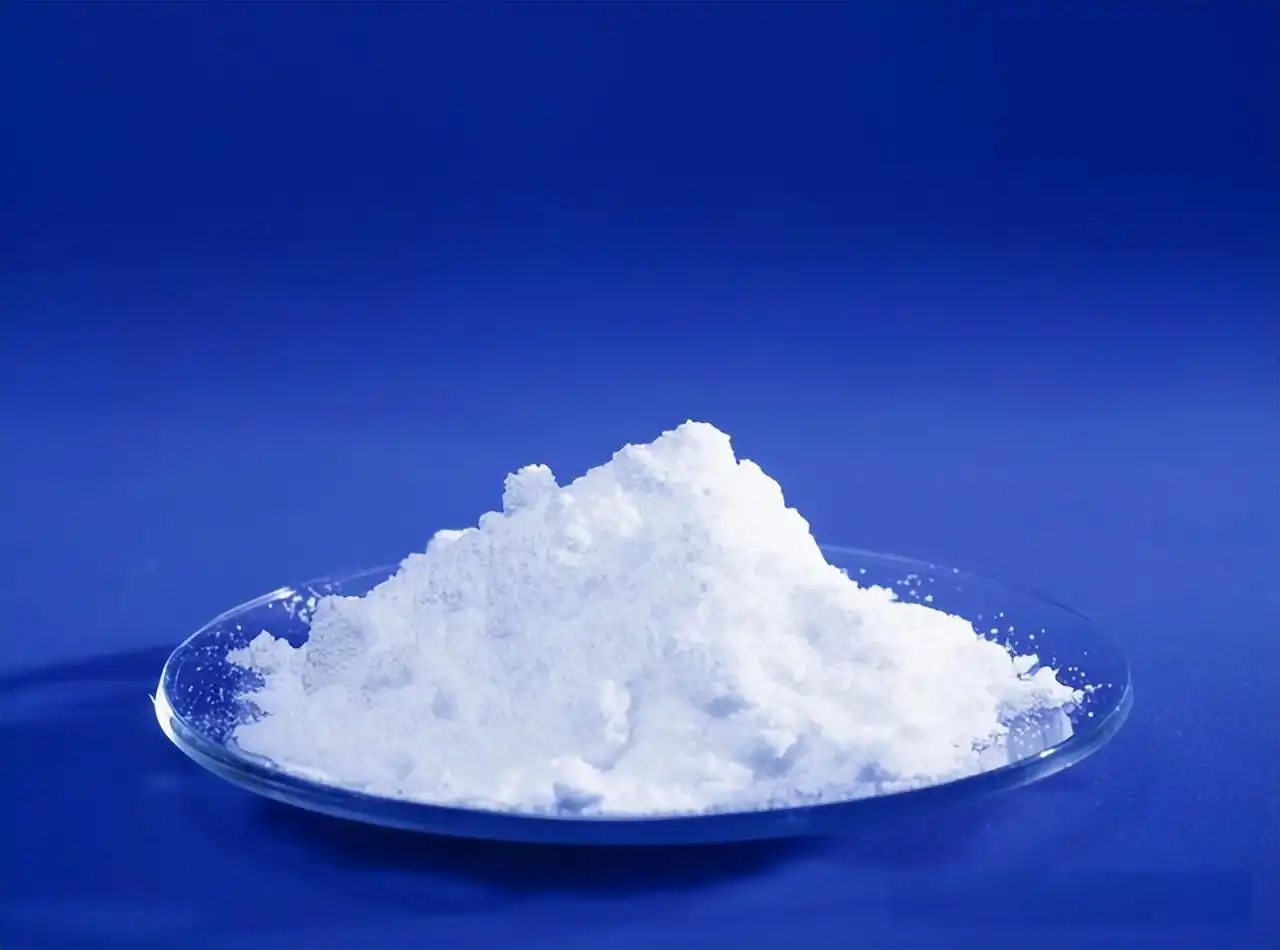
The Science Behind Meal Timing and Absorption
The fact that beta-sitosterol dissolves in fat has a big impact on how the body uses this chemical. Unlike water-soluble nutrients that are easily absorbed in wet digestive environments, phytosterols need lipid carriers to be taken up by the intestines. Due to this biological fact, meal time is an important thing to think about when trying to get the best results from a product.
How Dietary Fats Enhance Bioavailability?
When eaten with fats, beta-sitosterol molecules mix with mixed micelles, which are tiny droplets that form when fats are broken down. These micelles move phytosterols to cells in the gut, where they are absorbed. Studies that checked plasma phytosterol levels show that they are much higher after eating a meal with fat than when people are fasting.
This process is affected by the type of fat that you eat. Phytosterols are best absorbed when they are combined with monounsaturated and polyunsaturated fats from foods like olive oil, avocados, and nuts. Even a small amount of fat—about 10 to 15 grams per meal—is enough to start the digestive processes that help beta-sitosterol dosage and absorption. This information helps you when you're making educational tools for customers to go with your formulated goods.
Reducing Digestive Discomfort Through Proper Timing
Some sensitive people get mild sickness or stomach upset when they take phytosterol pills on an empty stomach. Food buffers concentrated plant chemicals so they don't come into direct contact with the gut walls. This makes digestion go more smoothly. This practical factor changes how the product is positioned and how to use it, especially for stronger formulations.
Manufacturers of once-daily formulas might suggest taking the beta-sitosterol dosage with food in the morning, while taking smaller amounts throughout the day gives you more options for when to eat. These usage patterns should match the lifestyle habits of your target consumer and the health outcomes your formulation is meant to improve.
Dosage Form Considerations
Powders that are mixed into food or drinks act differently from capsules and tablets. No matter what kind of pill it is, encapsulated types work better when taken at meals because the active ingredient still needs fats to be absorbed after it is released. Powdered phytosterols that are mixed directly into foods or drinks that contain fat may be absorbed a little faster because they skip the step of dissolving the capsule.
Enteric-coated formulations are made to be released slowly in the intestines, but they still need fat to be absorbed. The layer only keeps sensitive ingredients safe while they go through the stomach. It doesn't change how the food is absorbed in any basic way. This technical detail is important when comparing the services of different suppliers or creating custom delivery systems.
Comparing Beta-Sitosterol Dosage with Other Phytosterols and Supplements
Beta-sitosterol is one type of phytosterol. Other phytosterols include campesterol, stigmasterol, and brassicasterol. Most commercial phytosterol blends have between 40 and 60% beta-sitosterol, with the rest of the blend made up of these related compounds. Understanding changes in makeup helps buying teams compare options from different suppliers that offer the same amount.
Beta-Sitosterol Versus Saw Palmetto in Prostate Formulations
Beta-sitosterol and saw palmetto extract are both found in supplements for prostate health, but they work in different ways. Saw palmetto is usually taken in doses of 320 mg per day, while beta-sitosterol dosage levels are usually between 60 and 130 mg in the same situations. Many companies put these ingredients together to make products that stand out from others by taking advantage of how well they work together.
There is clinical proof to back both ingredients on their own, and products that use both of them together may give even greater benefits. This synergy makes it possible for formulators to make high-end products with better effectiveness ratings that support higher prices. When getting the raw materials for these kinds of formulas, accuracy from batch to batch is very important to keep the product working well.
Potency Differences Among Phytosterol Sources
The amount of beta-sitosterol in plant sterol extracts from pine trees, soybeans, or vegetable oils varies. Sources from pine usually have higher amounts of beta-sitosterol, while sources from soybeans have more campesterol and more balanced phytosterol profiles. These differences in composition affect the total amount of phytosterol that is needed to deliver a certain beta-sitosterol dosage.
In response to consumer preferences for certain source materials, companies making clean-label products are increasingly choosing phytosterols from non-GMO soybeans or sunflowers. We offer different grades of phytosterols that come from different plants. This lets our clients make sure that the ingredients they use are in line with how they want their brand to be seen and what their target market expects. This sourcing freedom lets you use a variety of formulation methods without lowering quality standards or breaking the law.
Procurement Insights: Buying Beta-Sitosterol by Dosage Forms and Quantities
Strategic decisions about sourcing have a big effect on how long it takes to develop a product and how much money it makes. Finding suppliers that consistently provide certified, high-purity phytosterols at prices that are competitive gives you a long-term edge over your competitors. The beta-sitosterol market has a lot of different suppliers, but the quality varies, so each one needs to be carefully checked out.
Evaluating Supplier Capabilities and Certifications
Phytosterol makers with a good reputation keep full testing labs that can check for purity, find possible contaminants, and confirm strength standards. Every shipment should come with a Certificate of Analysis document, which tells you exactly what you're getting. If a supplier can't or won't give you detailed analytical documentation, it raises quality concerns that could hurt the reputation of your finished product.
Certification packages that go beyond basic manufacturing standards show that a provider is dedicated to quality systems. Kosher and Halal certifications make it easier for finished goods to get into new markets. Organic certifications, on the other hand, get better placement even though they cost more for the raw materials. At CONAT, we put a lot of effort into getting a wide range of certifications because we know that these help our clients with their different market strategies and regulatory needs in different regions.
Cost-Effective Bulk Purchasing Strategies
Most of the time, volume agreements lead to better prices, but they need careful demand forecasts to avoid having too much inventory. As long as they are stored properly, phytosterols stay very stable, which means that larger purchases can be made for well-known products with steady sales patterns. Smaller original orders might be better for new formulas until it's clear how the market will react.
By negotiating supply agreements that include both competitive prices and flexible delivery schedules, you can protect your business from changes in the market and keep production going. Dealing with suppliers on a transactional basis isn't always better than building long-term partnerships with them. This is especially true when technical support and formulation help are valuable in addition to providing raw materials. During product development, our technical team works closely with clients and gives them feedback that helps improve formulations for both effectiveness and manufacturing efficiency.
Optimizing Beta-Sitosterol Use for Different B2B Client Needs
When different businesses use beta-sitosterol, they face different problems that need different solutions. For pharmaceutical companies, supporting paperwork for regulatory applications is very important. For functional food makers, processing stability and sensory balance are very important. Knowing these different needs helps suppliers build partnerships that are worth more than just supplying basic ingredients.
Application-Specific Timing Recommendations
Pharmaceutical formulations for prostate health often say to take different beta-sitosterol dosage amounts at different times of the day to get the most long-term exposure to the active ingredients. Cardiovascular applications that aim to lower cholesterol may suggest taking a single serving a day with the biggest meal. This makes it easier for people to follow through and take advantage of the best conditions for absorption. These patterns of use should guide the creation of the formulation and the requirements for packing.
The natural meal-timing alignment of functional foods and drinks with phytosterols helps customers because they naturally eat these products at mealtimes. This built-in optimization makes marketing messages easier to understand and more useful in the real world. But processing stability is even more important because making food often involves extremes of heat, pressure, or pH that can damage sensitive ingredients.
Regulatory Compliance Across Global Markets
The US Food and Drug Administration (FDA) rules allow approved health claims for goods that have the right amount of phytosterols. This gives compliant formulas marketing benefits. EFSA standards make sure that European markets follow similar but separate rules. To get around these regulatory environments, you need suppliers who know about international standards and can provide proof.
In every state, accurate labeling is still a must. The amount of phytosterol in a product must be based on real, tested values, not just theoretical estimates. This keeps brands from breaking the rules and losing customers' trust. As part of our quality assurance procedures, we test the finished product to make sure it matches the specs on the label. This helps customers make sure that the labelled information is correct throughout the product's shelf life.
Conclusion
Beta-sitosterol dosage that is taken with food is absorbed and works much better, so this useful information is important for product development and consumer advice. In supplement markets that are already very competitive, knowing how amounts change for different uses, comparing phytosterol sources, and using smart buying strategies can give you an edge. The science behind suggesting certain times for meals makes it clear how to write labels in a way that gets the best results for the product and makes customers happy. Getting quality ingredients from certified sources ensures that formulations always give the same results, which builds a brand's image and keeps customers coming back.
FAQ
1. What is the optimal beta-sitosterol dosage for cholesterol management?
Studies in humans have shown that 800 mg to 2,000 mg of plant sterols every day are effective. Beta-sitosterol makes up 40 to 60 percent of all phytosterols. Most store-bought formulas give you 1,300 mg to 1,500 mg of total plant sterols every day, split between one or two servings. When paired with heart-healthy eating habits, this amount helps lower LDL cholesterol in a useful way.
2. Does beta-sitosterol dosage differ between capsules and powder forms?
The amount of active ingredient stays the same no matter how it is delivered, but the rate of absorption may change slightly. Unlike powders that can be mixed directly into foods, capsules need to be broken down before the beta-sitosterol can be absorbed. This takes an extra 15 to 30 minutes. Both formats are bioavailable in the same amount when eaten with fat-containing foods, so the choice between them comes down to manufacturing taste and the ease of the target customer.
3. How should manufacturers label beta-sitosterol dosage timing recommendations?
For best absorption, product labels should say to eat with foods that contain dietary fats. Clear instructions are given when phrases like "Take with your largest meal of the day" or "Best absorbed when taken with food containing healthy fats" are used. Including this information helps people get the most out of the product and lowers the risk of stomach problems.
Partner with CONAT for Premium Phytosterol Solutions
Pharmaceutical-grade and food-grade beta-sitosterol are what Jiangsu CONAT Biological Products Co., Ltd. makes. It meets the high standards of supplement brands, functional food makers, and pharmaceutical businesses. We can do all the study, production, and testing needed to make sure that every batch is consistently more than 95% pure. We also have a full set of certifications, such as ISO9001, ISO22000, GMP, Kosher, and Halal, which help you get your products into markets around the world. Our offices have an experienced technical team that helps with formulations and more than just supplying ingredients. They can help you get the best beta-sitosterol dosage for your unique needs. Our production process is flexible enough to meet a wide range of needs, from bulk phytosterol powder for adding health benefits to drinks to exactly standardised extracts for use in pharmaceutical formulations. As a reliable provider of beta-sitosterol dosage, we keep our communication open and stick to regular shipping times that help you plan your production. Get in touch with our team at sales@conat.cn to talk about your phytosterol needs and find out how our production experience can help your product development efforts.
References
1. Ostlund RE Jr. "Phytosterols in human nutrition." Annual Review of Nutrition, 2002, 22:533-549.
2. Trautwein EA, Duchateau GS, Lin Y, Mel'nikov SM, Molhuizen HO, Ntanios FY. "Proposed mechanisms of cholesterol-lowering action of plant sterols." European Journal of Lipid Science and Technology, 2003, 105(3-4):171-185.
3. Berges RR, Windeler J, Trampisch HJ, Senge T. "Randomised, placebo-controlled, double-blind clinical trial of beta-sitosterol in patients with benign prostatic hyperplasia." The Lancet, 1995, 345(8964):1529-1532.
4. Awad AB, Fink CS. "Phytosterols as anticancer dietary components: evidence and mechanism of action." Journal of Nutrition, 2000, 130(9):2127-2130.
5. Plat J, Mensink RP. "Plant stanol and sterol esters in the control of blood cholesterol levels: mechanism and safety aspects." American Journal of Cardiology, 2005, 96(1A):15D-22D.
6. Wilt T, Ishani A, MacDonald R, Stark G, Mulrow C, Lau J. "Beta-sitosterols for benign prostatic hyperplasia." Cochrane Database of Systematic Reviews, 2000, Issue 2, Art. No.: CD001043.
YOU MAY LIKE