
Beta Sitosterol Supplement Benefits and Uses
Beta sitosterol supplement is a new and exciting natural phytosterol substance that is getting a lot of attention from health professionals and supplement makers all over the world. This strong sterol comes from plants and has amazing cholesterol-lowering effects. It also helps keep the prostate healthy and the heart working well. The supplement form gives concentrated amounts of this helpful chemical, so it can be used for specific health purposes and in business formulas that need to meet strict standards for potency and purity.
Understanding Beta Sitosterol Supplement: Essentials and Benefits
Biochemical Mechanism and Structural Properties
In the human gut system, beta sitosterol works through a complex process called competitive suppression. This plant sterol is very similar to cholesterol in structure. It has the same steroid backbone but an important ethyl group change at the C-24 position. When taken as a supplement, beta sitosterol molecules directly compete with cholesterol for uptake sites in the intestines. This moves both dietary and bile cholesterol out of mixed micelles.
Beta sitosterol can easily blend into cell walls because of its chemical structure, which also stops too much cholesterol from building up. According to research, this process can lower the absorption of LDL cholesterol by up to 15% as long as the right amounts are kept up. The FDA agrees that phytosterols can lower cholesterol and allows health claims for at least 1.3 grams of phytosterols per day.
Evidence-Based Health Benefits
Clinical tests show that taking beta sitosterol supplements can help with several health problems. A large review published in 2016 looked at many trials that showed people who took uniform phytosterol preparations had significantly lower amounts of LDL (the "bad" cholesterol). The study showed that lipid profiles consistently got better without having any negative effects on HDL ("good") cholesterol levels.
The health of the prostate is another well-known application area. Several randomized controlled studies with 519 men who had benign prostatic hyperplasia (BPH) found that taking beta sitosterol supplements increased urine flow rates and decreased the number of times they had to go to the bathroom at night. These effects remained over 18 months of follow-up, which suggests that the therapy continued to work.
Natural Versus Supplemental Forms
It is important to know the difference between naturally occurring beta-sitosterol and beta-sitosterol that has been added. Natural sources include soybeans, rice bran, wheat germ, and certain plant products, such as saw palmetto. To get therapeutic doses through diet alone, however, you would have to eat a lot of plant sterols, which might not work for specific uses.
Supplemental forms come in measured doses that range from 20 mg to 600 mg per serve, so you can get the right amount for your health goals. To get 70–95% beta sitosterol content in high-purity extracts, they are put through a lot of steps. This makes sure that all production batches have the same bioactivity.
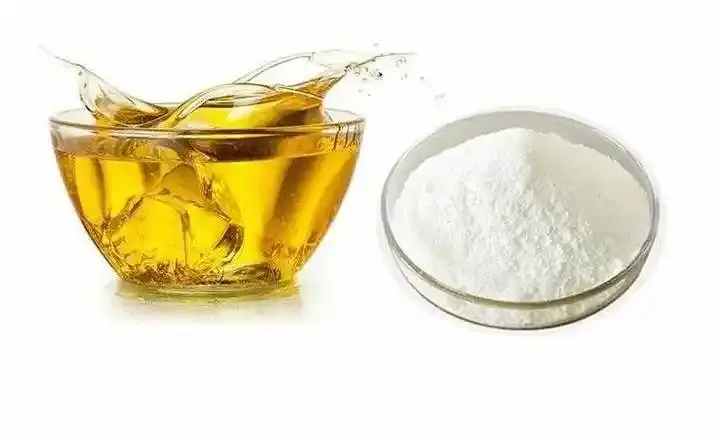
Comparing Beta Sitosterol Supplements: Making Informed Choices
Phytosterol Comparison and Synergistic Effects
Beta sitosterol is the most common phytosterol in plants, but supplements often also contain substances that work well with it, such as campesterol and stigmasterol. These mixed phytosterol products may lower cholesterol more effectively than beta sitosterol preparations that are used alone.
Saw palmetto extract and beta sitosterol are often found together in products for prostate health. A well-known study from 2002 in the Journal of Alternative and Complementary Medicine found that over the course of 4 to 6 months, 60% of men who took pills that mixed beta sitosterol and saw palmetto felt better. Individual compound inputs are still not clear, but the possibility of synergy supports methods for strategic formulation.
Adding zinc to beta-sitosterol supplements helps the health of the prostate in more than one way. A lack of zinc is linked to an enlarged prostate, which makes this mix very useful for all-around men's health.
Quality Evaluation Criteria
There are a few things that make premium beta sitosterol supplements stand out that affect both their effectiveness and their ability to follow government regulations. Organic approval makes sure that the crops used to grow the food don't use any manmade fertilizers or pesticides, which is good for products that are marketed as having clean labels.
Pharmaceutical-grade standards should be met for purity, and a proof of analysis should show that the product has the right amount of beta sitosterol and no heavy metals, chemicals, or microbes. Third-party testing confirms that these specs are correct and meet the requirements for regulatory filing.
Increasing bioavailability by esterification or using special delivery methods can help drugs be absorbed more quickly. Some companies use beta sitosterol esters, which can dissolve in 10 times more fat than water, making them easier to mix into lipid-based products.
Market Positioning and Consumer Preferences
Standardized extracts are becoming more popular in the supplement market over raw plant mixtures. People want goods with clearly stated concentrations of active ingredients instead of private blends whose ratios are kept secret. Standardized beta sitosterol ingredients should be used in consumer-facing products because of this trend.
When used in certain situations, capsule and pill delivery methods are better than others. Soft gel tablets can hold oil-based mixtures and protect against moisture better than other types. Tablets can hold bigger doses, but they might need special coats to stay stable.
Practical Procurement Insights for Beta Sitosterol Supplements
Global Supply Chain Considerations
Beta sitosterol comes from a lot of different places, and each one has its own benefits for different buying tactics. European suppliers, especially in Germany and France, put a lot of emphasis on pharmaceutical-grade quality and full legal paperwork. These sources usually cost a lot, but they are very consistent and can be used for medical feeding purposes.
Asian makers, especially those that focus on plant extracts, offer low prices for large amounts while still having certifications that are known around the world. Quality requirements change a lot from one seller to the next, so it's important to carefully vet each vendor before doing business with them.
North American wholesalers often keep a variety of beta sitosterol types in stock from a number of global sources. This gives customers the freedom to choose the amount they need. These wholesalers usually keep their stock in FDA-approved facilities, which helps the local supply chain work reliably.
Cost Optimization Strategies
Volume-based price systems have a big effect on the economics of buying beta sitosterol ingredients. When compared to buying on the spot, annual purchase deals usually cut unit costs by 15–25%. They also provide supply security for planning production.
Specification simplification can save a lot of money without lowering the quality of the product. Many uses can work well with 70% pure beta sitosterol instead of 95% medicinal grade, which can cut the cost of the ingredient by 40% or more. By knowing the minimum useful specs, you can avoid buying too many premium types for everyday use.
The choice of container size affects both the cost and the ease of handling. For people who use a lot of product, bulk drums (25 kg) are the best value, while smaller packages (1 kg) are easier to handle for people who change the recipe often.
Quality Assurance Framework
Strong supplier qualification methods guard against quality problems that could affect how well the end product works. Documents that are necessary include ISO 9001 quality management certification, GMP compliance proof, and certificates of analysis that are unique to the product.
Testing incoming materials verifies what suppliers say they are and sets basic quality standards. Some important factors are checking the amount of beta-sitosterol, analyzing the moisture, and doing microbial screening. When it makes sense, these tests should be in line with pharmacopeial guidelines.
Stability studies show how well ingredients work in different store situations, which helps with proper inventory management and storage. When kept in the right settings, well-known ingredients stay active for 24 to 36 months.
Safety, Dosage, and Usage Guidelines for Beta Sitosterol
Evidence-Based Dosing Recommendations
Beta sitosterol dose ranges that work well for different medical uses are found through clinical studies. Cholesterol control studies usually use 1.6 to 3.0 grams of mixed phytosterols every day, with 50 to 70% of the total being beta-sitosterol. This is the same as taking about 800 to 2100 mg of beta sitosterol every day for heart health reasons.
Lower amounts, usually 60 to 130 mg a day, are used in prostate health routines, and they are often mixed with other plants. Based on data from clinical trials, the European Scientific Cooperative on Phytotherapy suggests taking 60 to 130 mg every day to help with BPH symptoms.
Due to a lack of clinical proof, hair loss apps do not have clear dosing standards. Early research shows that taking 100–200 mg every day may be helpful, but more research is needed to find the best dosages.
Safety Profile and Contraindications
In clinical studies, beta sitosterol has very few known side effects, which is a great sign for its safety. Sometimes, higher doses cause stomach problems like mild sickness or digestive pain, but these problems usually go away when the drug is kept up or the dose is lowered.
People who have sitosterolemia, a rare genetic disorder that affects how sterols are broken down, should not take any beta sitosterol supplements at all. People with this inherited problem build up too many sterols in their bodies and need special medical care.
From what we know so far, drug reactions don't seem to be too bad. Beta sitosterol doesn't have a big effect on the cytochrome P450 enzyme systems that break down medicines. But possible combinations with cholesterol-lowering drugs mean that healthcare workers need to keep an eye on them.
Efficacy Timeline and Expectations
Usually, the benefits of lowering cholesterol become clear within two to four weeks of regular supplementation. After 6–8 weeks of daily use, the effects generally reach their peak. After that, they level off. Withdrawal undoes any gains in cholesterol levels within two to three weeks.
Prostate health gets better over time, and you can start to notice changes in your urine flow after 4 to 6 weeks. Symptom relief keeps getting better for 3 to 6 months after starting the supplements. Long-term studies show that continued use leads to long-lasting effects.
Predictability of outcomes is affected by the variety of individual responses. The efficiency of supplements is affected by things like starting cholesterol levels, dietary habits, genetic polymorphisms, and medicines that are being taken at the same time. This variation shows how important it is to have reasonable standards and keep an eye on things all the time.
Leveraging Beta Sitosterol in Your Product Portfolio and Market Strategy
Market Demand and Growth Opportunities
The global phytosterol market is still growing quickly, thanks to more people learning about heart health and green ways to stay healthy. According to market data, the compound annual growth rates will be higher than 8% until 2028. Beta sitosterol will play a big role in this growth.
Beta sitosterol is being used more and more, especially by older people who are worried about their prostate health and their cholesterol levels. More people are choosing plant-based ingredients over manufactured ones, which means that natural phytosterol goods can reach more customers.
The market can grow thanks to regulatory backing and accepted health claims for lowering cholesterol. The FDA's acceptance of the benefits of phytosterols helps businesses sell their products and builds customer trust in ingredients that have been proven scientifically.
Product Differentiation Strategies
In the supplement market, where competition is high, new delivery methods can help you stand out. Sustained-release versions make beta sitosterol more bioavailable while lowering the number of times it needs to be taken. Specific layers keep the food from breaking down in the stomach and make sure it releases only in the right places in the intestines.
People who want ease like combination products that treat more than one health problem. When beta sitosterol is mixed with omega-3 fatty acids, CoQ10, or red yeast rice, it makes products that help the heart in many ways.
Organic and non-GMO labels are becoming more and more important to health-conscious shoppers when they are shopping. These certifications help brands place themselves in natural product outlets and bring in higher prices.
Educational Marketing Approaches
Marketing that is based on facts builds trust and teaches people about the benefits of beta sitosterol. Using specific clinical studies and health claims that have been cleared by the FDA gives product placement a scientific basis.
Professional endorsements and connection networks for the beta sitosterol supplement are built through healthcare worker education programs. Medical gatherings, continuing education classes, and peer-reviewed journals all get the attention of people who make important decisions in healthcare.
SEO for relevant health terms should be a big part of digital marketing strategies, and useful material should be included. Thought leadership in the supplement business is built through authoritative blog posts, study summaries, and conversations with experts.
Conclusion
Supplementing with beta-sitosterol presents great chances to improve health and make money in several different areas. The scientific proof that lowering cholesterol and taking care of your prostate is good for you is a solid base for making new products and planning marketing campaigns. Beta sitosterol can be successfully added to a wide range of products by using good sources, the right doses, and placement based on proof. Companies that put money into high-quality beta sitosterol products and educational marketing strategies will have a big edge in the growing natural health sector as demand keeps going up.
FAQ
Q1: What makes beta-sitosterol supplements effective for cholesterol management?
Beta sitosterol works by having a chemical structure that is similar to cholesterol's, while fighting for places in the intestines where it can be absorbed. This competitive blocking lowers the intake of LDL cholesterol by up to 15% without changing the levels of HDL cholesterol, which is good for you. The FDA has allowed health claims for phytosterols because they have been shown in a lot of clinical studies to consistently lower cholesterol.
Q2: How does beta sitosterol dosage vary for different health applications?
As part of a mixed phytosterol diet, people with cardiovascular health needs 800-2100 mg of beta sitosterol every day. Lower doses of 60 to 130 mg per day are used for prostate health routines, and they are often mixed with other herbs that help the body. Each person may have different needs depending on their current health and the therapy goals.
Q3: Can beta sitosterol supplements interact with prescription medications?
A new study shows that taking beta sitosterol supplements doesn't mix with drugs very much. The substance doesn't have a big effect on the liver enzymes that break down medicines. But people who are taking medicines to lower their cholesterol should talk to their doctors before starting supplements to make sure they are monitored properly.
Partner with CONAT for Premium Beta Sitosterol Supplement Solutions
CONAT is a top company that makes beta sitosterol supplements and has decades of experience making phytosterols and coming up with new natural ingredients. Our modern factories keep their ISO 9001, GMP, Kosher, and Halal certifications and provide stable, high-purity beta sitosterol ingredients that are safe for use in food and medicine. Whether you need big raw materials to make supplements or custom formulations for functional foods, our expert team can help you with everything from the beginning of the development process to mass production. Get in touch with our sales team at sales@conat.cn to talk about your beta sitosterol needs and find out how our quality ingredients can help your product line stand out in the growing natural health market.
References
1. Berges, R., Windeler, J., Trampisch, H. J., & Senge, T. (1995). Randomized, placebo-controlled, double-blind clinical trial of β-sitosterol in patients with benign prostatic hyperplasia. The Lancet, 345(8964), 1529-1532.
2. Wilt, T., Ishani, A., MacDonald, R., Stark, G., Mulrow, C., & Lau, J. (1999). Beta-sitosterols for benign prostatic hyperplasia. Cochrane Database of Systematic Reviews, (3).
3. Ling, W. H., & Jones, P. J. (1995). Dietary phytosterols: a review of metabolism, benefits and side effects. Life Sciences, 57(3), 195-206.
4. Priego Capote, F., Jiménez, J. R., Granados, J. M., & de Castro, M. L. (2007). Identification and determination of fat-soluble vitamins and metabolites in human serum by liquid chromatography/triple quadrupole mass spectrometry with multiple reaction monitoring. Rapid Communications in Mass Spectrometry, 21(11), 1745-1754.
5. AbuMweis, S. S., Marinangeli, C. P., Frohlich, J., & Jones, P. J. (2014). Implementation of phytosterols/stanols into functional food products and their acceptance by consumers. Critical Reviews in Food Science and Nutrition, 54(1), 19-27.
6. Rocha, V. Z., Ras, R. T., Gagliardi, A. C., Mangili, L. C., Trautwein, E. A., & Santos, R. D. (2016). Effects of phytosterols on markers of inflammation: A systematic review and meta-analysis. Atherosclerosis, 248, 76-83.
YOU MAY LIKE