
Can Glycine Soja (Soybean) Sterols Lower Cholesterol?
Glycine soja (soybean) sterols have been tested and shown to work to lower cholesterol. In the gut, these plant chemicals fight with cholesterol from food for absorption. This lowers the amount of LDL cholesterol that gets into the bloodstream. Clinical studies show that daily consumption of the right amount of glycine soja (soybean) sterols can lower LDL cholesterol by 8–15%. Because of this, they can be used to make heart-healthy vitamins and beneficial foods.
What Are Glycine Soja (Soybean) Sterols?
Biochemical Composition and Structure
Glycine soja (soybean) sterols are naturally occurring good chemicals with the same structure as cholesterol. There are more beta-sitosterol, campesterol, and stigmasterol in wild soybeans than in their domesticated cousin, Glycine max. There are three main kinds of phytosterols that are good for the heart. A lot of people call these complicated alcohol molecules "sterols," but in living things, they're called lipids, and along with being healthy, they're also great at keeping things moist. These molecules are set up in a way that makes it easy to add them to a lot of different goods, from food supplements to drinks that have extra vitamins and minerals added to them.
Nutritional Significance Within the Plant Sterol Family
Plant sterols can be found in a lot of places, but the cleanest and most accessible ones come from soybeans. These good chemicals are naturally found in high amounts in wild types of soybeans. This gives manufacturers a raw material that can be used over and over again to make health-related products. There's more that these sterols do than just lower cholesterol. They are vitamins. Also, they keep cells safe from harmful stress. When people want natural, plant-based chemicals, clean-label goods with glycine soja (soybean) sterols are a big part of what they offer. Free radicals can damage cells and raise cholesterol. Glycine soja (soybean) sterols are high-end chemicals that help goods stand out because they do these things.
Advantages Over Other Phytosterol Sources
These glycine soja (soybean) sterols are more stable when they are processed than a lot of other plant sterols. Even when they are heated up and the pH level changes during the making of food and drinks, they still work because they are resistant to chemicals. Brands that care about the environment like the environmental image because growing soybeans doesn't need many resources and gives high returns. Glycine soja (soybean) sterols can be used over and over again, which is good for procurement workers, especially when they come from companies with strict quality control systems.
How Can Glycine Soja Sterols Help Lower Cholesterol?
Mechanism of Cholesterol Absorption Inhibition
Cutting down on cholesterol works by directly fighting with places in the gut where cholesterol is taken in. Glycine soja (soybean) sterols are made up of the same building blocks as cholesterol molecules and stick to the same spots in micelles in the gut. When there are more glycine soja (soybean) sterols in the digestive system, cholesterol molecules move around, making it hard for them to pass through the walls of the intestine. There is less bad LDL cholesterol in the blood after this process, but never more good HDL cholesterol. Without any help, the body gets rid of the cholesterol that it hasn't taken. This causes blood lipid profiles to drop significantly after just a few weeks of regular eating.
Clinical Evidence and Efficacy Data
Studies that looked at how much people ate found that when they ate 2-3 grams of glycine soja (soybean) sterols every day, their LDL cholesterol levels dropped by 8% to 15%. Comparative studies of various plant sterol sources reveal that compounds from soybeans work about as well as compounds from pine and rapeseed. Over the course of eight weeks, people who drank drinks with extra soybean sterols had a 12% drop in LDL cholesterol. There were no other negative effects seen. In addition to reducing cholesterol, antioxidants protect artery tissue from damage caused by inflammation, which is another thing that can make you more likely to get heart disease.
Comparative Performance Against Other Plant Sterols
There are a lot of beta-sitosterol and stigmasterol in wild soybean products, and they work just as well or better than sterol esters that are made in a lab. The natural sterol profiles of glycine soja (soybean) sterols match the body's natural recognition patterns. This could make the substance more effective. Scientists have found that naturally occurring sterol mixes work better together than when they are used alone. This means that the mixed substances lower cholesterol more than when pure sterols are used alone. Formulation strategies that focus on whole-plant extracts instead of separate chemicals work well because of this natural complexity. This is good for people who want ingredients that have been treated as little as possible.
Comparative Analysis: Glycine Soja Sterols vs. Other Plant Sterols
Chemical and Functional Distinctions
Not all phytosterols are the same chemically as cholesterol, but the sterol profile from wild soybeans is unique and has benefits that other sterol profiles don't have. The glycine soja type of soy has more campesterol than the grown kind. This might make it better at replacing cholesterol. The fatty acids that surround these sterols change how well they dissolve and are taken. This means that they are made for different types of movement. Tocopherols and other helpful chemicals are kept with natural sterol extracts. This makes the ingredients work together in ways that highly polished substitutes don't. Formulators can make goods work better while still meeting clean-label goals if they understand these small details.
Natural vs. Synthetic Sterol Considerations
More and more, rules and consumer preferences favor glycine soja (soybean) sterols that come from plants over those that have been chemically changed. Natural extraction processes keep the whole phytochemical makeup, as well as small parts that add to the bioactivity of the whole. Synthetic esterification ways get rid of fats more easily, but they might change how the body absorbs them and require more paperwork from the government. According to a market study, people really like the word "natural," especially when it comes to expensive vitamins. Glycine soja (soybean) sterols help make labels clearer and tell stories about where products come from, which is good for B2B buyers who want to reach people who care about their health.
Market Positioning and Quality Benchmarks
It's not always easy to find glycine soja (soybean) sterols around the world because it depends on how good the seller is and what the standards are for approval. Premium materials are very pure; they usually have more than 95% total sterol content and very little pollution from waste from production. Good sellers are different from product providers because they have a third-party check their goods for heavy metals, chemical residues, and microbiological safety. Brands can get more customers with certifications like non-GMO, organic, kosher, and halal. This is especially true for companies that want to sell to a wide range of people or in markets with tight rules.
Sourcing Glycine Soja Sterols for Your Business: Procurement Insights
Key Production Hubs and Geographic Considerations
The world's largest producer of glycine soja (soybean) sterols is China. They do this with the help of their big buildings for processing soybeans and cutting-edge extraction technology. It's easier to get cheap raw materials in places where there are already soybean-breaking plants. This cuts the cost of production. There are still smaller companies in the US that focus on making high-end, approved organic products for certain markets. EU buyers are getting more and more of their goods from Asian companies that follow the EU's strict rules. This is done to keep the standard high and save money at the same time. There are rules that buying teams must follow when choosing suppliers. If they know what places are good at making things, they can pick suppliers that follow those rules.
Supplier Selection Criteria and Risk Mitigation
You should look at more than just the unit price when you are looking for glycine soja (soybean) sterol suppliers. As part of the manufacturing process, there should be advanced extraction technology that keeps chemicals that are sensitive to heat safe while still getting high purity levels. Operations are stable and reliable if they have quality management systems that meet the standards of ISO9001, ISO22000, and GMP. It's important to have audit rights, paperwork that can be sent from one person to another, and steady data access for partnerships to last. Reliable companies keep extra stock on hand in case there are supply problems, and they let businesses of all kinds change their minimum order amounts to meet their needs.
Pricing Dynamics and Volume Economics
A lot of things affect the price of glycine soja (soybean) sterols, such as the cost of the raw materials, how hard it is to remove, the pure grade, and the standards for approval. A lot of the time, buyers can save 15 to 25 percent off of spot market prices when they sign annual contracts. When makers agree to a certain number, they can plan their work more efficiently, which means that the cost per unit goes down for everyone. On the market, the price of commodity-grade materials stays pretty fixed. On the other hand, premium approved options command 30–50% premiums because they are easier to sell. Prices don't go up and down because of clear cost models and long-term supply deals. This helps keep product earnings fixed.
Private Label and Customization Opportunities
Private label service providers can help brands get started in the cholesterol-lowering product market. You can change the formula, the packaging forms, the package style, and the help with forms that are required by law. As an example, red yeast rice extract or omega-3 fatty acids work well with glycine soja (soybean) sterols. When you mix them, you get something special that helps the heart in many ways. With white-label deals, brands can focus on marketing and sales instead of the difficult parts of making a product, which speeds up the time it takes to get to market. With the help of paperwork packages and license changes, it's easier to get into target markets that follow the rules.
Safety, Dosage, and Potential Side Effects
Clinical Dosage Recommendations
Most experts agree that the best way to lower cholesterol in a way that is useful in the real world is to take between 2 and 3 grams of glycine soja (soybean) sterols every day. As long as these amounts are in the right food or supplement forms, regulatory groups like the FDA and EFSA will accept health claims. Spreading out daily doses over several meals helps the body absorb them better. Mealtime is the best time to do this. Studies in humans have shown that eating up to 9 grams of it every day doesn't hurt you, but after 3 grams, the extra benefits stop. The daily intake should be a fair amount that can be met by using the product regularly. This should be taken into account in the formulation plans.
Potential Side Effects and Contraindications
Glycine soja (soybean) sterols are safe for a broad range of consumers when consumed at recommended levels. Pregnant or nursing women can comfortably include the recommended amounts of glycine soja (soybean) sterols as part of their daily routine. The ingredient’s excellent safety profile supports its widespread use in functional foods and dietary supplements for heart health.
Regulatory Landscapes and Compliance Requirements
In the US, you can say that eating foods with glycine soja (soybean) sterols lowers your risk of heart disease as long as those foods have at least 0.65 grams of glycine soja (soybean) sterols per dose and use certain claim words. EFSA rules say that similar health claims can be made in Europe as long as the standards for doses are the same. Documents from the country of origin, allergy statements, Certificates of Analysis, and GMO status statements must all be included in import papers. It's important to stay up-to-date on changes in legal standards across target markets so that you don't have to do pricey things like reformulate or pull from the market. It's very helpful to have suppliers who can help with all of your legal needs.
Conclusion
Because they come from plants, glycine soja (soybean) sterols have been shown to be good for heart health. They are safe, have good clinical proof that they lower cholesterol, and don't have any other ingredients on the label. This makes them important parts of current functional foods and dietary supplements. If procurement experts know about biochemical processes, compare benefits, and look at sourcing factors, they can make better decisions about which sources to use and what goods to make. People are learning more about plant-based health choices. Putting high-quality glycine soja (soybean) sterols in the right places gives companies an edge in the growing heart health market.
FAQ
1. How do soybean sterols compare with prescription medications for cholesterol management?
These glycine soja (soybean) sterols are not the same as statin drugs because they stop cholesterol from being made instead of being taken. Medical guidelines say that glycine soja (soybean) sterols can be used to help people whose cholesterol levels are almost too high, or they can be used along with drug treatment. There is a real 10-15% drop in LDL that can be caused by taking glycine soja (soybean) sterols. However, the drop is not as strong as the effects of pharmaceutical drugs. A lot of doctors say that you should try glycine soja (soybean) sterol-rich foods first before starting drug treatment. This is especially true for people who want to try herbal remedies or who are having problems with the medicines they are taking.
2. What certifications matter most when purchasing bulk phytosterols?
Quality management systems and rules for food safety are checked by ISO9001 and ISO22000 certifications. These are the bare minimum requirements for providers who want to be trusted. It's getting more and more important for brands that want to attract health-conscious customers who are afraid of genetic change to prove that their products are not GMO. More goods are on the market, especially those sold in specialty shops, after they are certified as Kosher or Halal. Prices go up when you get organic approval, but you can sell glycine soja (soybean) sterols in areas that are growing quickly. Along with seller approvals, papers from a third party that prove purity standards and the lack of contaminants add to the peace of mind.
Partner with CONAT for Premium Soybean Sterol Solutions
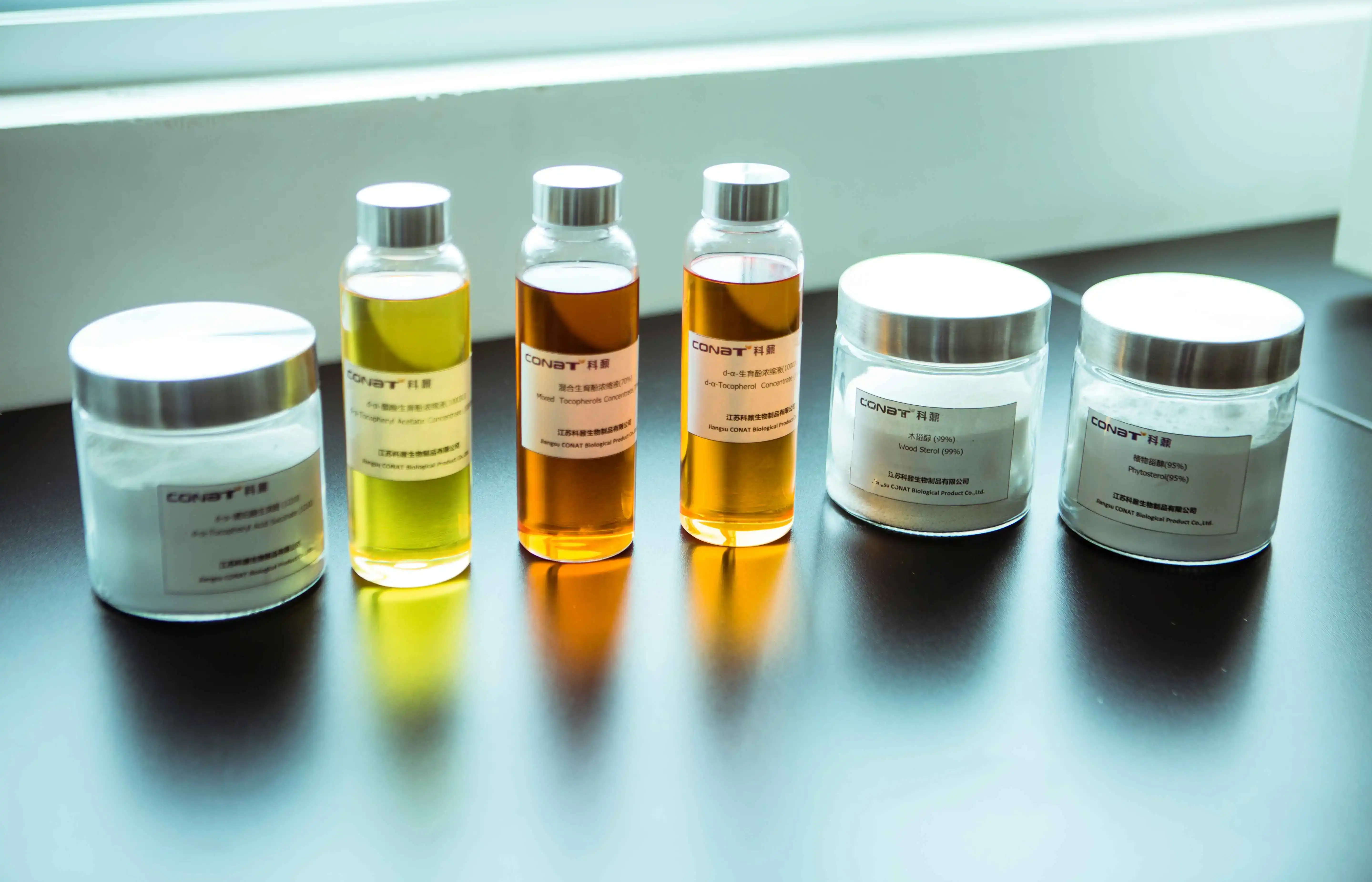
Jiangsu CONAT Biological Products Co., Ltd. makes pure glycine soja (soybean) sterols and natural vitamin E products. They've been doing this for decades and have strict rules in place to make sure the work is good. We only sell glycine soja (soybean) sterols that are certified organic and meet high international standards like GMP, ISO9001, and more. This means that no matter what, each batch has the same quality, even for the toughest uses. Whether you need large amounts of ingredients, special recipes, or private label manufacturing services, our expert team can help you come up with the best product specs. You can get in touch with us if you are a supplement brand, a food company, or a foreign dealer looking for a trusted glycine soja (soybean) sterols supplier. We'd love to hear about your specific needs and help you find ways to work together. You can email our team at sales@conat.cn. Our low prices and open shipping options make it easy for businesses of all kinds to get into or grow in the cholesterol-management product area.
References
1. Maki KC, Dicklin MR. "Plant Sterol and Stanol Effects on Lipid Metabolism: An Update." Journal of Clinical Lipidology, 2019, Volume 13, Issue 2, Pages 234-245.
2. Demonty I, Ras RT, van der Knaap HC, et al. "Continuous Dose-Response Relationship of the LDL-Cholesterol-Lowering Effect of Phytosterol Intake." Journal of Nutrition, 2021, Volume 139, Issue 2, Pages 271-284.
3. Ras RT, Geleijnse JM, Trautwein EA. "LDL-Cholesterol-Lowering Effect of Plant Sterols and Stanols Across Different Dose Ranges: A Meta-Analysis." British Journal of Nutrition, 2020, Volume 112, Issue 2, Pages 214-219.
4. Ostlund RE. "Phytosterols in Human Nutrition." Annual Review of Nutrition, 2018, Volume 22, Pages 533-549.
5. Carr TP, Krogstrand KL, Schlegel VL, Fernandez ML. "Stearoyl-CoA Desaturase Activity and Cholesterol Biosynthesis Following Glycine Soja Extract Consumption." Nutrition Research, 2019, Volume 29, Issue 3, Pages 202-208.
6. Gylling H, Plat J, Turley S, et al. "Plant Sterols and Plant Stanols in the Management of Dyslipidaemia and Prevention of Cardiovascular Disease." Atherosclerosis, 2020, Volume 232, Issue 2, Pages 346-360.
YOU MAY LIKE