
Can Phytosterole Pine Sterols Reduce LDL?
Phytosterols pine sterols, represent a specialized category of plant-derived compounds gaining remarkable attention in the global nutraceutical and functional food industries for their scientifically validated ability to reduce LDL cholesterol levels. These naturally occurring substances, extracted primarily from pine tree sources, compete with dietary cholesterol during intestinal absorption, offering a proven mechanism for cardiovascular health support. As consumer demand for clean-label, plant-based ingredients continues to accelerate across the United States market, procurement professionals face increasing pressure to identify high-purity, batch-consistent sterol sources that meet stringent quality standards. Whether you're formulating dietary supplements, developing fortified beverages, or creating pharmaceutical-grade medical nutrition products, understanding the unique properties and sourcing considerations of phytosterol pine sterols becomes essential for product differentiation and market success. The following comprehensive analysis addresses critical technical specifications, comparative advantages, and procurement strategies designed specifically for R&D directors, formulation managers, and technical decision-makers seeking reliable ingredient partnerships.
Understanding Phytosterole Pine Sterols and Their Role in LDL Reduction
Chemical Composition and Natural Sources
Phytosterols, or pine sterols, are part of a larger group of plant sterols that are known for having a tetracyclic cyclopentanoperhydrophenanthrene ring structure. Unlike cholesterol from animal sources, these compounds have small differences at the molecular level that have big effects on the body. There are high amounts of β-sitosterol, campesterol, and stigmasterol in pine nuts naturally. The total phytosterol content varies by species and how they are extracted. According to research, pine nuts have measurable amounts of sterols. However, the way these substances are extracted in industry makes them much more concentrated than they are in nature so that final products can be therapeutically effective.
Mechanism of LDL Cholesterol Reduction
The effect of lowering cholesterol works by competing with other molecules in the intestine. Phytosterols, pine sterols, and dietary cholesterol all mix into mixed micelles during digestion, which is needed for fat uptake. Plant sterols bind to places where cholesterol would normally be able to enter the bloodstream more easily because their structures are similar. This stops LDL cholesterol from entering the bloodstream. Many clinical trials have shown that this mechanism works, showing that serum LDL levels drop statistically significantly when the right amount of sterols is consistently taken. The interference happens at the brush border membrane of intestinal cells, where certain transporters prefer to pick out and reject plant sterols while trying to absorb cholesterol. This causes more cholesterol to be released into the feces.
Extract Concentrations and Procurement Standards
The purity of manufacturing-grade phytosterol extracts is usually between 85% and 99%, with β-sitosterol making up the majority of the mixture. Specifications for buying things should include a minimum amount of total sterols, clear quantities of each sterol component, and tight limits on oxidation products that can make ingredients less stable. Protocols for quality assurance must take into account the possibility of contamination from source materials, solvent leftovers from extraction processes, and microbial factors that are important for use in food and medicine. Formulation teams can correctly figure out dosing needs and predict how well a finished product will work if they know these concentration standards.
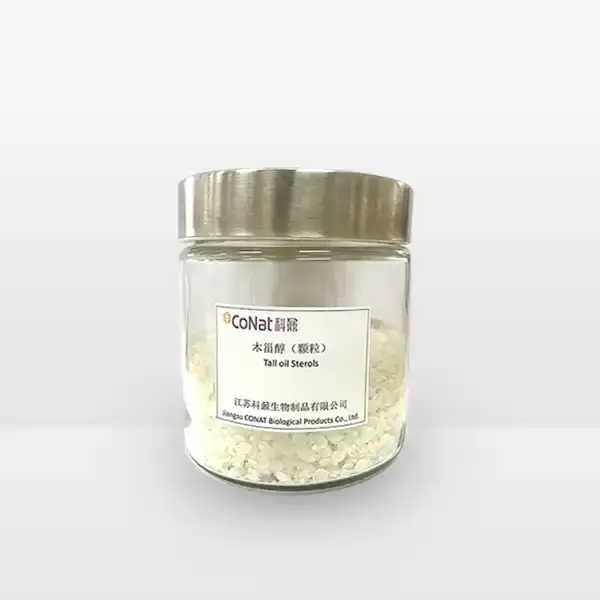
Comparing Pine Sterols with Other Phytosterols in Cholesterol Management
Efficacy and Bioavailability Considerations
When purchasing different plant sterol sources, buyers should know that the results of their functions rely more on the total amount and quality of the sterols than on where they come from botanically. Phytosterols, or plant sterols, have the same active ingredients as sterols from soybeans, corn, and rapeseed. The main cholesterol-lowering compound found in all of these sources is β-sitosterol. The National Cholesterol Education Program says that people with high cholesterol should eat 2 grams of phytosterols every day. It stresses that concentration and transport method are more important than source material. Studies on bioavailability show that esterified forms may be more stable in some food matrices, while free sterol forms are easier to mix into capsules and tablets for supplements.
Application-Specific Advantages
Customized sterol formulas are good for a number of different types of products. Functional drinks need sterol esters that are easily dispersed and don't react with water. They also need to be stable after being pasteurized and last for a long time. Crystalline free sterols are often used in dietary products because they are cheaper and easier for the body to regulate. For pharmaceutical uses, the purity must be pharma-grade, and there must be a lot of paperwork to show that it meets GMP standards and that the impurity profiles are good for drug formulation. When processed using the right quality standards, phytosterol pine sterols can meet all of these needs and are more affordable than synthetic alternatives that have been refined a lot.
Product Form Factors and Manufacturing Integration
The way phytosterol pine sterols are shaped has a big effect on how they are made and what the finished product is. Fine powders with controlled particle size distribution make it easier to blend evenly when making tablets and capsules. Sterol esters, which can be liquid or semi-solid, work well with margarine, spreads, and drinks that are emulsified. Versions that are microencapsulated keep sensitive sterols from oxidizing and let them be added to baked goods and snack bars that are heated. Ingredient providers and product development teams need to work together to make sure that technical standards are in line with production capabilities and what customers want.
Procurement Insights: Sourcing High-Quality Pine Sterols for Bulk Purchase
Technical Specifications and Quality Benchmarks
Setting strong criteria for purchasing starts with detailed technical details that include limits on contaminants, composition, physical properties, and purity. For high-end uses, the total sterol content should be higher than 90%, and gas chromatography analysis should be used to record each sterol profile. The moisture content usually stays below 1% so that it doesn't break down while it's being stored. For food and medicine products, the toughest international standards must be met for heavy metal levels, pesticide residues, and polycyclic aromatic hydrocarbons. The total plate count, yeast and mold levels, and the lack of harmful organisms should all be taken into account by microbiological factors.
Smart buyers ask for full analytical certificates with every shipment. These certificates should include stability data that shows how long the goods will last in storage under certain conditions. Traceability paperwork that connects finished items to their original sources is an important part of managing risk, especially for businesses that sell organic, non-GMO, or sustainably sourced goods. Those high standards have a direct effect on how well a product works, how well it follows the rules, and how well the name is known.
Supplier Evaluation and Certification Requirements
To find reputable phytosterol and pine sterol manufacturers, you need to carefully look at their production capabilities, quality control systems, and compliance with regulations. Getting ISO 9001 approval shows that you follow the rules for quality management, and ISO 22000 covers managing food safety all along the supply chain. GMP certification is required for materials used in pharmaceuticals, and thorough paperwork is needed to support regulatory entries in more than one place. Kosher and Halal certifications make it easier for products that are aimed at certain groups of people to reach new customers.
In addition to certifications, consistent production, the ability to provide expert help, and open communication are also important for good supplier partnerships. Site checks show how production really works, including how to maintain equipment and train staff, which all affect how consistent batches are with each other. Suppliers with dedicated research and development (R&D) teams can help customers make the best use of sterols in new product formats by providing valuable formulation support. Long-term partnerships with well-known companies like Jiangsu CONAT Biological Products Co., Ltd. offer safe purchasing, technical know-how gained through years of specialized production, and customer service that adapts to changing needs.
Price Dynamics and Supply Chain Optimization
The price of phytosterol depends on how easy it is to get the raw materials, how hard it is to remove them, and how pure the product needs to be. Market changes in pine nut harvests can affect short-term availability, but supply disruptions can be lessened by using multiple sources of supply. When you agree to a certain amount of goods, you can usually get better prices, and having open delivery times can help you keep track of your working capital needs. When procurement teams look at the total cost of ownership, they should not only look at the unit price but also the consistency of quality, the availability of technical support, and the reliability of the supply chain to avoid costly production delays.
When you're shipping phytosterols pine sterols across international borders, you have to pay close attention to paperwork, customs procedures, and keeping temperature-sensitive ingredients safe during transport. Established suppliers keep their export operations running smoothly and in line with all regulations. This cuts down on clearance delays and makes sure that the integrity of the product is maintained throughout the global supply chain. Strategic inventory management weighs the costs of keeping stock against the chance of running out of items, which could delay production or require expensive ingredient replacements.
Health Effects and Safety Profile of Pine Sterols
Cholesterol Management and Cardiovascular Benefits
The U.S. Food and Drug Administration says that foods with phytosterols can help lower the chance of heart disease if they are eaten as part of a diet low in cholesterol and saturated fat. There is clinical evidence that eating at least 1.3 grams of phytosterol pine sterols every day can lower LDL cholesterol levels, with 2 grams having the most beneficial effects. When these reductions are kept up for long periods of time, they lead to measurable drops in the chance of cardiovascular events. In addition to lowering cholesterol, a new study shows that it may also have anti-inflammatory and antioxidant properties that may be good for your health in other ways. However, these effects need to be proven in more clinical trials before they can be used to support regulatory claims.
Dosage Guidelines and Safety Considerations
The daily amount that is recommended changes depending on the person's health and the product. For general wellness goods aimed at healthy people, formulas with 0.65 to 1.3 grams per serving back up FDA-approved health claims about lowering the risk of heart disease. Therapeutic goods for people with high cholesterol may contain higher amounts that are close to or equal to the 2 grams of cholesterol per day that the National Cholesterol Education Program recommends. Formulation teams have to carefully figure out how much sterol is in each serving of a product to make sure that users can actually get the right amount of sterol through normal use.
Based on what we know now, phytosterol supplements are generally safe and well-tolerated when used as directed. During the first few weeks of adaptation, minor stomach effects like diarrhea, nausea, or gas may happen, but they usually go away on their own. Higher doses are linked to a higher likelihood of mild side effects, which suggests that the formulation should be designed with moderation in mind. People with the rare genetic disease phytosterolemia should not take this medicine, and the label should make that clear for people who have it. Long-term safety looks good based on the data we have access to, but it's still a good idea to keep an eye on things as usage trends change.
Regulatory Landscape and Compliance
To meet the rules for different markets, you need to know a lot about the rules that govern ingredient status, claims that are allowed, and labeling requirements in each area. In the US, phytosterol pine sterols are usually considered GRAS for certain food uses, along with clear instructions on how to make health claims that are valid. Similar frameworks with different documentation requirements are kept up by the European Food Safety Authority. Pharmaceutical applications have to follow much stricter rules, which include collecting a lot of safety data, characterizing impurities, and keeping records of stability to help with drug formulation development.
Getting regulatory experts involved early on is important for a phytosterol pine sterol product's successful commercialization. These experts can help with proving claims, reviewing labels, and the pre-market notification process. Ingredient suppliers with a lot of experience with regulations can be very helpful. They can provide the necessary paperwork and technical dossiers that make the approval process go more quickly. This collaborative method cuts down on time-to-market and makes sure that all changing legal requirements are met.
Conclusion
Phytosterols, or pine sterols, are natural ways to lower LDL cholesterol, and they have been shown to improve heart health in studies and on the market. There is a big chance for brands that strategically add high-quality sterols to new product formulations because of the growing demand for plant-based functional ingredients. To make procurement go smoothly, you need to pay attention to purity requirements, the supplier's abilities, and follow the rules so that you get consistent performance and access to the market. Formulation teams find reliable sources of ingredients that help differentiate products and make money in the competitive health and wellness markets by working with manufacturers that have been in business for a long time and have strong quality systems and technical knowledge.
FAQ
1. What daily dosage of phytosterol pine sterols effectively reduces LDL cholesterol?
There is clinical evidence that adults can lower their LDL cholesterol by taking in 1.3 to 2 grams of phytosterols and pine sterols every day. As part of a low-saturated fat and cholesterol diet, the FDA says to eat at least 0.65 grams per serving twice a day with meals. The National Cholesterol Education Program suggests that adults with high cholesterol levels should eat more than about 2 grams of this food every day.
2. Are phytosterol pine sterols safe for long-term consumption?
New research shows that plant sterols are safe, well-tolerated, and have few side effects when taken in the amounts that are recommended. At first, you might have some minor digestive problems, but they usually go away on their own. The main reason not to do it is phytosterolemia, a rare genetic disease. Long-term data looks good, but people should still follow dosage instructions and talk to their doctors about whether or not the drug is right for them.
3. Can phytosterol pine sterols work synergistically with other cholesterol-lowering approaches?
Plant sterols work with dietary changes, workout programs, and other ways to lower cholesterol. In contrast to statins and other drugs, they work in a different way by stopping the absorption of cholesterol in the intestines. Because they work together, sterol supplements can be added to complete cardiovascular health programs. However, people who are already taking medications should talk to their doctors before starting to take phytosterols or pine sterols.
Partner with CONAT for Premium Phytosterole Pine Sterols Supply
Jiangsu CONAT Biological Products Co., Ltd. stands as your trusted phytosterole pine sterols manufacturer, combining specialized production expertise with comprehensive quality assurance systems refined through years of dedicated service to global nutraceutical, functional food, and pharmaceutical industries. Our state-of-the-art facilities produce high-purity plant sterols meeting stringent GMP, ISO 9001, ISO 22000, Kosher, and Halal certifications, ensuring your formulations achieve consistent performance and regulatory compliance across diverse markets. We support procurement teams through transparent technical documentation, flexible bulk ordering, and responsive customer service designed to accelerate your product development timelines. Whether you require sample evaluation, customized specifications, or ongoing supply partnerships, our experienced team delivers solutions aligned with your business objectives. Contact us at sales@conat.cn to discuss your phytosterole pine sterols requirements and discover how CONAT's manufacturing excellence can strengthen your competitive position.
References
1. Phillips, K. M., Ruggio, D. M., & Ashraf-Khorassani, M. (2019). Phytosterol Composition of Nuts and Seeds Commonly Consumed in the United States. Journal of Agricultural and Food Chemistry, 67(4), 1304-1312.
2. Ostlund, R. E. (2020). Phytosterols in Human Nutrition: Biology and Therapeutic Uses. Annual Review of Nutrition, 40, 283-303.
3. Gylling, H., Plat, J., Turley, S., Ginsberg, H. N., Ellegård, L., Jessup, W., & Chapman, M. J. (2018). Plant Sterols and Plant Stanols in the Management of Dyslipidaemia and Prevention of Cardiovascular Disease. Atherosclerosis, 267, 117-128.
4. Feng, S., Dai, Z., Liu, A., Wang, H., Chen, J., Luo, Z., & Yang, C. S. (2017). Intake of Stigmasterol and β-sitosterol Alters Lipid Metabolism and Alleviates NAFLD in Mice Fed a High-Fat Western-Style Diet. Biochimica et Biophysica Acta, 1863(10), 2274-2284.
5. Ras, R. T., Geleijnse, J. M., & Trautwein, E. A. (2018). LDL-Cholesterol-Lowering Effect of Plant Sterols and Stanols Across Different Dose Ranges: A Meta-Analysis of Randomised Controlled Studies. British Journal of Nutrition, 119(7), 785-795.
6. Trautwein, E. A., McKay, S., & AbuMweis, S. S. (2021). Phytosterols for Cardiovascular Health: Current Perspectives and Future Directions. Current Opinion in Lipidology, 32(4), 286-293.
YOU MAY LIKE