
Capsule vs Tablet: Which Is the Best Beta-Sitosterol Format?
When selecting the best beta-sitosterol supplement for your product line, format matters significantly. Capsules generally offer superior bioavailability and absorption rates compared to tablets, making them the preferred choice for many manufacturers and distributors. Capsules dissolve faster in the digestive system, releasing beta-sitosterol more efficiently, which translates to better results for end-users seeking cholesterol management and prostate wellness support. However, tablets provide advantages in cost efficiency and shelf stability that make them attractive for certain market segments and large-scale procurement operations.
Introduction
The finest beta-sitosterol pills are popular worldwide for lowering cholesterol and maintaining prostate health. Peanuts, rice bran, and maize oils contain beta-sitosterol, an essential phytosterol. Concentration is greatest in avocado (76.4 mg/100g). Increased awareness of plant-based health solutions has driven demand for high-purity phytosterol ingredients from supplement, functional food, and pharmaceutical industries.
Purchasing managers, distributors, and OEM customers must now choose supplement forms. Capsules and pills vary beyond appearance. Your choice of style affects how well the product functions, how much it costs to create, how well it satisfies regulatory standards, and how competitive it is in the market. Knowing format differences is crucial while searching for beta-sitosterol goods that match quality and commercial requirements.
When deciding between pill and tablet forms, consider how effectively the product absorbs, how readily it can be mass-produced, how pure the contents must be, and what the end user desires. We examine these concerns through the perspective of business-to-business buying to help individuals balance product performance, price, and supply chain reliability.
Understanding Beta-Sitosterol Supplements: Capsules vs Tablets
What Makes Beta-Sitosterol Valuable
Beta-sitosterol is a phytosterol, which is a group of plant substances that are structurally similar to cholesterol but have very different metabolic routes. Selecting the best beta-sitosterol supplement helps keep cholesterol levels healthy by stopping the body from absorbing cholesterol in the digestive tract, according to clinical research. Studies that were released in the Journal of Alternative and Complementary Medicine found that beta-sitosterol products helped 60% of the people who used them. In addition, the substance has antioxidant qualities that help keep your health in good shape.
Fundamental Format Differences
Making capsules and pills is very different from making other types of medicines. Beta-sitosterol can be found in powdered or liquid form inside capsules made of gelatin or plant-based materials. This gives formulators a lot of freedom in how they make their products. Capsules made from gelatin are great at blocking air, and veggie capsules made from hydroxypropyl methylcellulose (HPMC) are good for vegans. The packaging process makes it possible to precisely control the dose without using a lot of extra materials.
Tablets use methods of compression to mix beta-sitosterol powder with other ingredients such as binders, disintegrants, and flow agents. This method makes solid tablet forms that can be coated to make them more stable or to hide the taste. Making tablets usually needs more complicated tools and quality control methods, but it can be helpful for making a lot of them at once. To make sure bioavailability is right, the compression process has to carefully balance hardness with dissolution properties.
Quality Standards in Manufacturing
Professionals in charge of buying things should give preference to companies with GMP certifications, which guarantee consistent quality in the production process and prevent contamination. Being certified with ISO 9001 and ISO 22000 shows that you are dedicated to quality management systems and food safety standards, respectively. For food supplement uses, getting extra certifications like Kosher and Halal labels might be needed to reach certain customer groups.
When looking for beta-sitosterol ingredients for making supplements, batch consistency is very important. Mixed phytosterol mixes don't always give the same results as high-purity phytosterol sources (≥95% beta-sitosterol content). For regulatory applications, you need to include full certificate of analysis (CoA) records, stable data, and impurity profiles that meet pharmaceutical-grade standards.
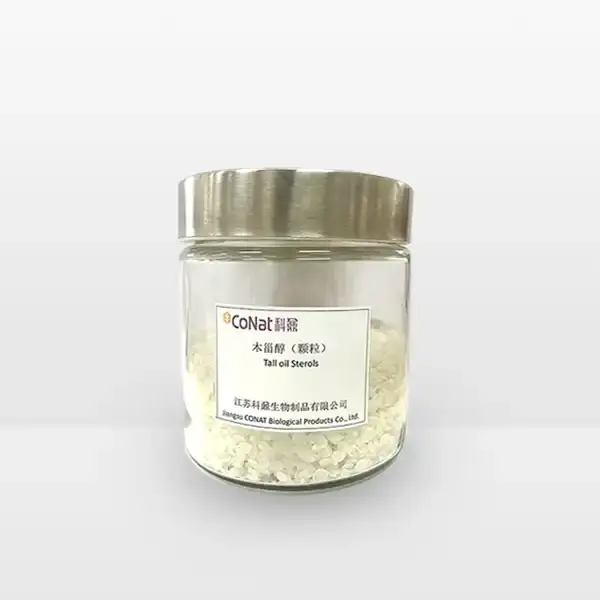
Comparative Analysis: Capsules vs Tablets for Beta-Sitosterol
Absorption and Bioavailability Characteristics
How quickly and completely beta-sitosterol can be absorbed is directly related to how fast it dissolves. Usually, capsules break down in 5 to 10 minutes in stomach acid, quickly releasing their contents. This faster breakdown often means better bioavailability for the best beta-sitosterol supplement users. This is especially important for lipophilic chemicals like beta-sitosterol that need to be well spread out for best absorption.
For tablets, the compressed structure needs more time to break apart and let the active ingredients out. Disintegration times can be anywhere from 15 to 30 minutes, depending on how the formulation was made. Modern tablet technologies, such as micronization and lipid-based delivery methods, can greatly improve absorption rates, though. By carefully choosing their ingredients, some high-end pill formulations reach absorption levels similar to capsules.
The choice of formats should be in line with the claims of effectiveness. Products that focus on quick action might work better with pill delivery, while products that need a longer release time might work better with specialised tablet technologies. Multiple studies have shown that plant sterols like beta-sitosterol work best when they are absorbed consistently. This means that format choice should be thought about strategically rather than being a personal choice.
Dosage Flexibility and Market Preferences
Dosage ranges for capsules are from 100 mg to 800 mg per unit, and different serving sizes allow for flexible daily intake suggestions. This versatility is helpful when making goods for various market groups, such as formulations that need higher doses for intense cholesterol management support versus formulations that need lower daily amounts for maintenance. Capsules also make it possible to give beta-sitosterol along with other helpful substances, such as saw palmetto or vitamin E.
Score lines can be added to tablets so that doses can be split, but this feature may make the tablets less stable by letting moisture into the inside. The crushing process makes it possible to make bigger dose tablets, which could make taking pills easier for people who need to take more every day. Studies on consumer preferences show that value-oriented market segments prefer tablets because they are more familiar and think they are cheaper. Health-focused market segments, on the other hand, associate capsules with higher quality.
Format choice is greatly affected by demographic factors. People who have trouble eating because of getting older may do better with smaller pills or chewable tablets. Vegans specifically look for plant-based pill shells, which gives companies a chance to stand out in the market. Capsules are often preferred by sports nutrition brands because they look good on clean labels and work well with protein-based recipe strategies.
Production Economics and Supply Chain Considerations
When making more than 500,000 units a month, tablets are cheaper because they are made in bulk. Encapsulation equipment usually only makes 3,000 to 5,000 capsules per hour, but tablet presses can make up to 10,000 tablets per hour. However, the initial investment needed to build infrastructure for making tablets is much higher than the cost of tools for filling capsules. This makes capsules easier for new brands or specialised product lines to get.
Minimum order numbers (MOQs) are very different from one type to the next. Manufacturers of capsules usually accept smaller batch numbers (10,000 to 50,000 units) because it's easier to switch over to the next batch. For tablet production, MOQs of 100,000 or more pieces are usually needed to cover setup costs and quality control steps. For distributors who handle different SKUs, this difference affects how they control their supplies and cash flow.
Shelf stability affects the total cost of ownership, which goes beyond the cost of making the product. Tablets that are properly made and have coats that don't absorb water can stay effective for 36 months or more when stored in a controlled environment. To keep the shell from becoming brittle or soft, capsules need stricter temperature control, which could mean they need special packing that costs more. Because beta-sitosterol is easily oxidised, it needs to be protected from air in any shape.
Evaluating the Best Beta-Sitosterol Supplement Formats in the Market
Quality Indicators Across Leading Products
There are a few things that make premium best beta-sitosterol supplements different, no matter what form they come in. GMP-certified factories make sure that there is no pollution and that the processes are always the same, which is what the government wants. Independent proof of label claims about beta-sitosterol quantity and purity levels comes from third-party testing verification. Products made from non-GMO plant materials are in line with the clean-label trends that are influencing buying choices across a wide range of customer groups.
Well-known brands show they are the best in the market by always delivering high-quality products and being open about where their materials come from. Beta-sitosterol levels in capsules from trustworthy companies are usually between 300 mg and 800 mg per dose. These levels come from pine tree products or phytosterols in soy. The high prices of these products are based on the fact that they dissolve quickly and absorb better than other products on the market.
More and more, tablet formulations use technologies that improve absorption, such as lipid matrices and micronization to reduce the size of particles. These technical improvements fix problems with bioavailability that have been around for a while, but they keep the cost benefits of making tablets. When coating technologies are added, beta-sitosterol is protected from oxidation and any bad tastes are hidden.
Emerging Market Trends
The move toward organic approval opens up chances to stand out in areas that are already very competitive. Organic beta-sitosterol that comes from approved plant materials costs more but allays customer worries about chemical residues in food. People who care a lot about their health and are willing to pay more for certified organic status are especially affected by this trend.
Vegan-friendly ingredients are no longer just a niche issue; they are now a basic need. Plant-based capsule covers made from pullulan or HPMC don't contain any ingredients that come from animals and work just as well as gelatin replacements. With this method of formulation, brands can reach growing veggie markets without lowering the quality or security of their products.
High-bioavailability formulations are the next big thing in beta-sitosterol supplements. When compared to regular powder formats, liposome delivery systems, nanoemulsion technologies, and phytosome complexation techniques greatly improve absorption rates. Even though these new technologies make production more expensive, the higher retail prices are justified by the higher effectiveness in the premium market.
Strategic Sourcing Recommendations
To successfully buy beta-sitosterol, you need to look at providers in more than just terms of unit price. Manufacturing capacity scalability makes sure that suppliers can grow with the business without lowering quality or stopping supplies. When working with pharmaceutical or functional food applications that have strict compliance requirements, it's important to be able to provide documentation like regulatory support files, stability studies, and customised CoA requirements.
Having suppliers with technical knowledge in phytosterol chemistry and formulation science is very helpful during the whole process of making a new product. Companies that offer custom particle size specifications, standardised extract potencies, and help with formulation optimisation can get their products to market faster and be more competitive. Being able to offer both bulk phytosterol ingredients and finished tablet forms makes buying more flexible, which makes managing the supply chain easier.
Geographic diversity in supplier ties lowers the risks that come with changes in regulations or problems with area supplies. Building partnerships with manufacturers who hold multiple foreign certifications, such as FDA registration, EU GMP compliance, and Health Canada licensing, makes it easier to expand into new markets while keeping product quality uniform across all regulatory areas.
Making the Right Choice: How to Select Beta-Sitosterol Supplements for Your Business
Defining Selection Criteria
The best way to choose the best beta-sitosterol supplement format is to first be clear about your business's goals and the needs of your target market. Brands that want to be seen as high-end and work quickly usually do better with capsule forms that allow for higher prices and better absorption messages. Tablets may be a better way for value-oriented product lines that cater to price-conscious customers to keep their prices low while still providing effective beta-sitosterol doses.
Potency standards have a direct effect on the format's ability to work. Products that need 800 mg or more of beta-sitosterol per serving might need more than one capsule or a bigger tablet, which can make it harder for customers to follow the directions. To find the right balance between effectiveness goals and realistic serving sizes, you need to carefully look at what end users want and how your competitors are positioned in each target market group.
Supplier reliability is a term that covers a lot of different things, such as regular quality of raw materials, on-time delivery, and helpful expert support. By building long-term relationships with makers that show openness in the supply chain and good communication, you can lower the risks of buying things and help your business grow in the long run.
Format Comparison Framework
Before making a final choice on the style, procurement teams should look at a number of important factors. Take a look at the production volume predictions for the next 12 to 24 months. Higher volumes are better for tablet economics, while moderate volumes may work better with capsule production. Do market research or focus group feedback to find out what the target demographic wants so you can understand how the format is seen and how easy it is to use.
Different places and types of products have very different regulatory route needs. When compared to functional foods or pharmaceutical uses, dietary supplements have different research and documentation needs. By knowing these differences in regulations early on in the development process, you can avoid having to make expensive changes to the formula or wait for compliance delays that cause your product to miss its launch date.
The plan for positioning a brand should match the choice of media. Capsules naturally communicate high quality and quick action, which supports higher retail prices and distribution through speciality channels. Tablets show value and are easy to use, so they work well in popular stores where price competition drives choices to buy. This match between the format's features and the brand's strategy makes marketing more effective and increases customer support.
Scalability and Customization Options
As a business grows and its product lines grow, bulk order scalability becomes more and more important. Manufacturers of capsules that offer flexible number sizes can try their products and make sure they're popular with customers before starting to make a lot of them. Tablet suppliers that can do both small pilot runs and large-scale production are a great way to keep working with the same company as it grows.
With private labelling, distributors and brand owners can make their own lines of products without having to invest in manufacturing equipment. Suppliers who offer full private label services, such as recipe development, help with package design, and legal paperwork, make it easier for companies to get into new markets and lower the costs and risks of development.
The ability to comply with global regulations sets apart suppliers that can help international markets grow. Manufacturers who keep their GMP certifications, kosher and halal certifications, and region-specific licenses (NSF, TGA, ANVISA) up to date remove hurdles to expanding into new areas. This compliance framework is especially helpful for wholesalers that work with a lot of different suppliers to serve many foreign markets.
Conclusion
Choosing between capsule and tablet forms for the best beta-sitosterol supplement means weighing a lot of different factors, such as bioavailability, production costs, and the preferences of the target market. Capsules usually have better absorption rates and a better place in the market, while pills are more cost-effective and can be made in larger quantities. Format selection should be in line with business goals, end-user demographics, and legal standards for successful buying strategies.
As the market for phytosterol-based supplements grows, it opens up opportunities for manufacturers and distributors who put an emphasis on pure ingredients, quality certifications, and a reliable supply chain. Because beta-sitosterol is known to help with cholesterol metabolism and prostate health, it will continue to be in high demand across a wide range of product types and customer groups.
When you work with experienced phytosterol manufacturers, you can be sure that you will have access to high-purity ingredients, expert formulation support, and legal documents that keep up with changing market standards. In the end, the choice of format depends on the company's strategic positioning goals, its production volume, and the tastes of its target customers in a competitive market.
FAQ
1. Do capsules and tablets provide the same effectiveness?
Both capsules and tablets can deliver effective doses of beta-sitosterol, but tablets tend to dissolve more quickly and may have better bioavailability. Several delivery formats were used in clinical studies that showed beta-sitosterol to be successful. This suggests that getting the right amount of it every day (usually 800–2,000 mg) is more important than the exact delivery format. Whether a product comes in capsule or tablet form, good production methods and pure ingredients have a big impact on how well it works.
2. What are common concerns with beta-sitosterol supplements?
Beta-sitosterol is thought to be safe when taken as directed. Doses as high as 20 grams per day for three months were used in clinical studies without any serious side effects. Some people may have minor stomach problems, like feeling sick or having gas. Beta-sitosterol supplements should not be taken by anyone with sitosterolemia, a rare genetic condition that changes how fat is burnt. Talking to a doctor or nurse before adding vitamins helps make sure they are used correctly.
3. How can procurement teams verify quality?
Quality assurance begins with supplier licenses that include GMP, ISO 9001, and ISO 22000 standards, which are the first step in quality security. Ask for certificates of analysis that show how much beta-sitosterol is in each production batch, how pure it is, and the results of any microbe tests that were done. Verification by a third-party laboratory gives independent proof of quality promises. Studies that show the drug stays effective over time on a shelf show that the product was designed correctly and that manufacturing controls were followed correctly.
Partner with CONAT for Premium Beta-Sitosterol Supplement Manufacturing
A company called Jiangsu CONAT Biological Products Co., Ltd. makes high-quality phytosterols and natural vitamin E ingredients that are used to make the best beta-sitosterol supplement products work. Our GMP-certified factories use cutting-edge extraction and purification methods to make pharmaceutical-grade phytosterol products with at least 95% beta-sitosterol content. These products meet the strict needs of supplement makers, functional food developers, and pharmaceutical companies all over the world.
As a well-known company that supplies beta-sitosterol, CONAT has quality management systems that are approved to ISO 9001 and ISO 22000 standards. They also have Kosher and Halal licenses to meet the needs of different markets. Our technical team has decades of experience in phytosterol chemistry and can help clients make products that work better and cost less by giving them recipe advice services. CONAT gives you the high-quality raw materials and technical help you need to make competitive beta-sitosterol products, whether you're making capsules or tablets.
The company can do everything, from getting raw materials to making finished ingredients. This makes the supply chain reliable and the quality of each batch consistent. Our production capacity is flexible enough to handle both small-scale speciality formulations and large-volume commercial orders. This helps businesses grow at all stages of development.
You can email our purchasing team at sales@conat.cn to talk about your beta-sitosterol ingredient needs, get technical data sheets, or look into unique recipe options that fit your product development goals.
References
1. Berges, R. R., Windeler, J., Trampisch, H. J., & Senge, T. (1995). Randomised, placebo-controlled, double-blind clinical trial of beta-sitosterol in patients with benign prostatic hyperplasia. The Lancet, 345(8964), 1529-1532.
2. Prager, N., Bickett, K., French, N., & Marcovici, G. (2002). A randomized, double-blind, placebo-controlled trial to determine the effectiveness of botanically derived inhibitors of 5-alpha-reductase in the treatment of androgenetic alopecia. Journal of Alternative and Complementary Medicine, 8(2), 143-152.
3. Wilt, T., Ishani, A., MacDonald, R., Stark, G., Mulrow, C., & Lau, J. (2000). Beta-sitosterols for benign prostatic hyperplasia. Cochrane Database of Systematic Reviews, Issue 2, Art. No.: CD001043.
4. Dreher, M. L., & Davenport, A. J. (2013). Hass avocado composition and potential health effects. Critical Reviews in Food Science and Nutrition, 53(7), 738-750.
5. Ostlund, R. E., Racette, S. B., & Stenson, W. F. (2003). Inhibition of cholesterol absorption by phytosterol-replete wheat germ compared with phytosterol-depleted wheat germ. American Journal of Clinical Nutrition, 77(6), 1385-1389.
6. Gupta, A. K., Savopoulos, C. G., Ahuja, J., & Hatzitolios, A. I. (2011). Role of phytosterols in lipid-lowering: current perspectives. QJM: An International Journal of Medicine, 104(4), 301-308.
YOU MAY LIKE