
Cosmetic Formulation Tips: Enhancing Product Stability with d Alpha-Tocopherol Acetate Powder
When making stable cosmetics, choosing the right ingredients is very important for how long the products last and how happy customers are with them. D alpha-tocopherol acetate powder is one of the best vitamin E products because it is a powerful antioxidant that solves important stability problems in the cosmetics industry today. When compared to free tocopherol, this acetate form is more stable, giving formulators a reliable way to fight oxidative breakdown and keep the purity of their products for longer periods of time. Its special chemical structure makes it better at protecting against external stresses. This makes it an important part for brands that want to give picky customers constant, high-quality cosmetics.
Understanding d Alpha-Tocopherol Acetate Powder in Cosmetic Formulation
Chemical Structure and Stability Advantages
The chemical structure of d alpha-tocopherol acetate powder is very different from that of free tocopherol. This is because it has an acetate group that stops the hydroxyl group of the tocopherol chromanol ring from burning. When acetic acid is used in this way, a more solid compound is made that can handle heat, air, and light better than natural types of vitamin E.
Researchers have found that this higher level of steadiness directly causes the product to last longer and keep working well while it is being kept and shipped. The antioxidant properties don't break down too quickly because of the acetate defense system. Because of this, makeup formulas will always protect your skin as long as they are sold.
Sourcing and Quality Considerations
Vitamin E acetate goods of high quality are made in factories that are closely watched and follow strict rules for purity. Higher amounts of the d-alpha form were found to be more useful as an antioxidant than the made dl-alpha forms. Good sellers test the mixture carefully to see how pure it is, how wet it is, and how the particle sizes are spread out. These all have a direct impact on how well the mixture works.
Customers have even more faith in the safety and quality of the goods companies make when they follow the rules set by the International Organization for Standardization (ISO) and Good Manufacturing Practices (GMP). If you're making makeup for sensitive skin or high-end customers, these certificates are even more important.
Safety Profile and Dosage Guidelines
Vitamin E acetate is safe for use on the skin in amounts ranging from 0.1% to 1.0% in finished cosmetics, according to clinical tests. The compound has great skin tolerance ratings across a wide range of age groups, so it can be used in both common and specialized beauty products.
Regulatory bodies, such as the FDA, say that tocopheryl acetate is usually safe for use in cosmetics as long as it is mixed within certain quantity limits. This governmental agreement makes it easier to register products and helps beauty brands that work in more than one country with their global marketing plans.
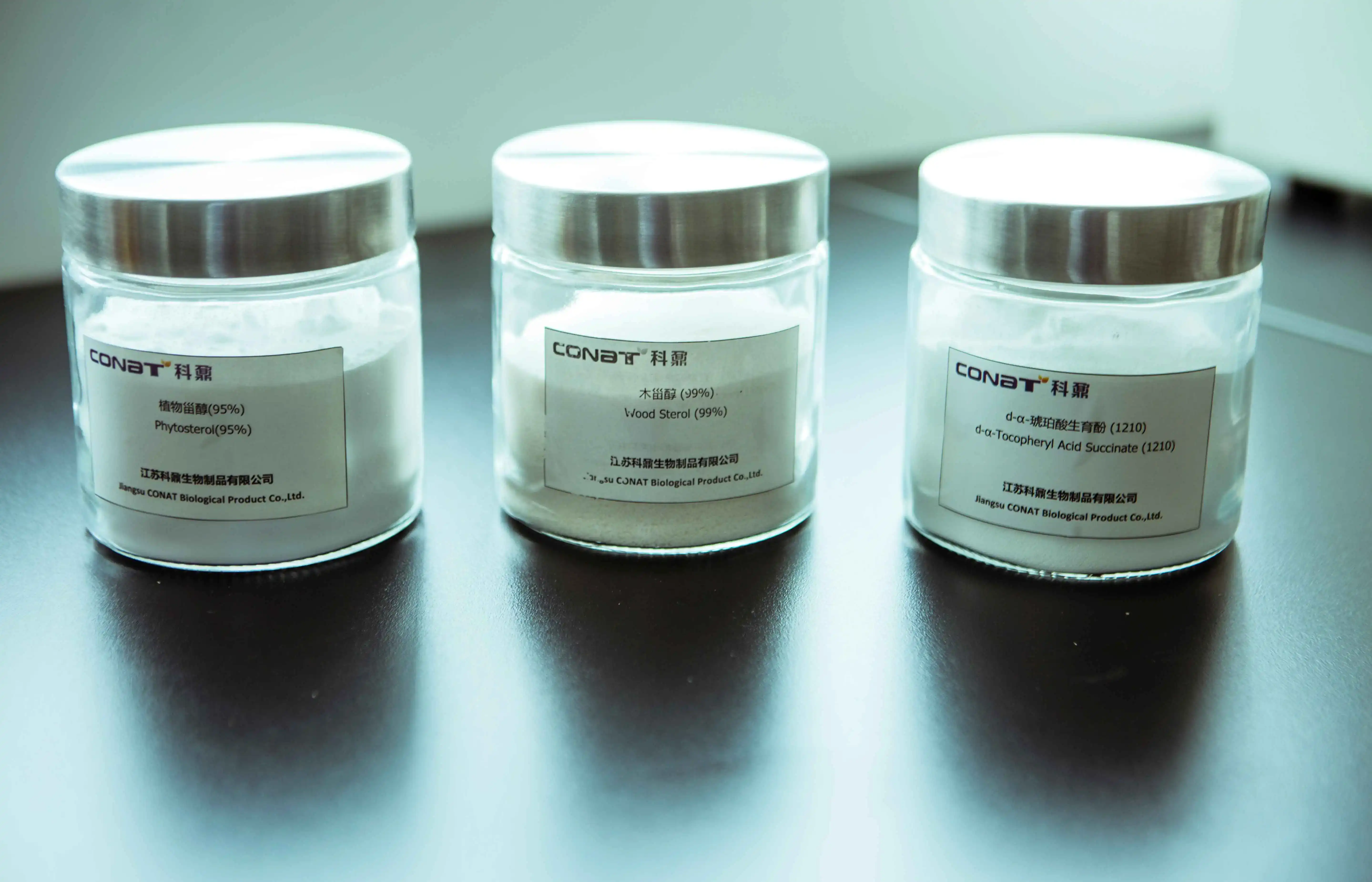
How d Alpha-Tocopherol Acetate Powder Enhance Product Stability?
Antioxidant Mechanisms and Protection Properties
The main way that stability works is by getting rid of reactive oxygen species, which are what make cosmetics with oils and active ingredients go bad and change color. d alpha-tocopherol acetate powder works as a chain-breaking antioxidant, stopping lipid breakdown processes that would damage the quality and taste of the product otherwise.
This protective action does more than just keep things fresh; it also keeps active ingredients safe, which keeps risky compounds like retinoids, ascorbic acid derivatives, and essential oils working well. When working with dry systems and oil-in-water emulsions, where reactive stress usually causes the most problems with formation, the acetate form works especially well.
Compatibility with Common Cosmetic Ingredients
Vitamin E acetate works very well with common makeup ingredients like thickening agents, emulsifiers, and preservation systems, as shown by extensive compatibility testing. This vitamin E product stays stable and effective in a wide range of manufacturing settings, while some antioxidants may not work well with certain stabilizers or chelating agents.
The powder form has extra benefits because it is easier to mix in, dissolves easily in oil phases, and stays evenly distributed throughout final goods. This quality comes in handy when making complicated mixtures with lots of active ingredients or using complex transport methods.
Case Study Evidence and Performance Data
When vitamin E acetate is added to cosmetics, reactive stability markers show measurable benefits, according to independent stability tests. After 12 months of fast-aging conditions, products made with 0.5% alpha-tocopheryl acetate had 40% less peroxide formation than controls that weren't protected.
According to consumer testing data from major cosmetics companies, products are more likely to be accepted when they contain stabilizing amounts of vitamin E acetate. This is especially true for maintaining structure and scent over time. These real benefits lead to fewer product returns and a better image for the brand in the competitive cosmetics market.
Comparative Insights: Choosing the Right Vitamin E Form for Your Cosmetic Products
Bioavailability and Efficacy Considerations
The acetate form of alpha-tocopherol is more stable during production and storage than the natural form, which has direct antioxidant action. When acetate esters come into contact with skin, they break down into active tocopherol and active tocopherol. This gives antioxidant effects that last for a while. This managed release system works well in leave-on cosmetics that need to protect for a long time.
Studies that compare different types of vitamin E show that acetate derivatives keep their potency levels stable over the normal shelf life of beauty products, while free tocopherols may lose a lot of their effectiveness under normal store conditions. This edge in stability is especially clear in products that contain pro-oxidant ingredients or are stored in materials that let oxygen pass through.
Cost-Effectiveness and Supply Chain Reliability
When it comes to buying, d alpha-tocopherol acetate powder is usually a better deal than pure vitamin E products because it is more stable and lasts longer. Less product waste from quality problems caused by rust means better factory costs and more reliable inventory management.
When thinking about the supply chain, acetate forms are better because they don't change much when they're being shipped or stored. This makes planning easier and lowers the chance that ingredients will go bad during foreign shipping or long periods of storage in a building.
Natural versus Synthetic Sourcing Options
The d-alpha label means that the oil comes from natural sources, mostly soybean and sunflower oils, while the dl-alpha forms mean that the oil was made in a synthetic way. Naturally occurring d-alpha types are more expensive, but they make products with pure ingredients more appealing to customers.
Synthetic options are cheaper and more reliable, but people who like high-end natural cosmetics may not want to use them. In some markets, regulations require clear labels to show the difference between natural and manmade vitamin E sources. This changes how products are made and how they are marketed.
Procurement Strategies for d Alpha-Tocopherol Acetate Powder in B2B Supply Chains
Supplier Evaluation and Quality Assurance
Comprehensive buyer selection processes that check manufacturing capabilities, quality systems, and legal compliance status are the first step in making sure that buying strategies work. Vitamin E acetate providers that are at the top of their game have state-of-the-art labs that can do thorough purity tests, particle size measurements, and stability tests.
For beauty materials, you need to keep things like safety data sheets, certificates of analysis, and letters of regulatory compliance that help with the product filing process in target markets. Beyond just providing ingredients, suppliers who offer full paperwork packages and technology support services add value.
Pricing Structure and Volume Considerations
The market price for premium vitamin E acetate is based on the cost of the raw materials, the difficulty of making it, and the quality standards that are needed. Pricing breaks are offered for orders of 100 kg, 500 kg, and 1000 kg. This means that buying in bulk usually saves you a lot of money. Long-term supply deals might include ways to keep prices stable, which makes budgeting for yearly buying easier.
Different providers have different minimum order amounts, but for new customers, they are usually between 25 kg and 100 kg for their first order. For existing customers, lower minimums are possible. Sample amounts for formulating new products are usually offered in 1 kg to 5 kg sizes to help with product development.
OEM Services and Technical Support
Leading vitamin E providers often offer extra services that add value, such as changing the particle size to fit your needs, offering different packing choices, and providing recipe advice and support. These services are especially helpful for cosmetics companies that want to improve the performance of ingredients or come up with new ways to offer them.
As part of technical support, companies may give services like stable testing, interface assessments, and legal advice that shorten the time it takes to make a product. Suppliers who specialize in the cosmetics business can help you understand new trends and changes in regulations that affect makeup strategies.
Best Practices for Incorporating d Alpha-Tocopherol Acetate Powder in Cosmetic Formulations
Processing Conditions and Incorporation Techniques
To properly add vitamin E acetate powder, you need to pay close attention to the temperature and mixing conditions that keep the antioxidant activity while making sure the powder is spread out evenly. The powder melts best in oil phases when the temperature is between 60°C and 70°C, and light stirring stops thermal degradation.
You can use cold processing ways by soaking the acetate powder in a small amount of carrier oil first, then adding it to the main mixture. In products that are sensitive to heat or that contain active ingredients that change when heated, this method works especially well.
Storage and Handling Requirements
The shelf life and effectiveness of vitamin E acetate powder are greatly affected by how it is stored. The element should be kept in sealed cases out of direct sunlight. The best temperatures for keeping are between 15°C and 25°C, and the relative humidity should be below 60%.
Adding a nitrogen cover to storage cases that have already been opened or that are being stored in bulk protects them even more against reactive breakdown. Monitoring the powder's wetness level regularly makes sure that it keeps its ability to flow and dissolve.
Troubleshooting Common Formulation Challenges
Problems with compatibility with some protection systems can be fixed by carefully adjusting the pH and making the best use of the inclusion process. d alpha-tocopherol acetate powder is most stable in pH ranges that are slightly acidic to neutral. Formulations that are higher than pH 8.0 need extra steps to keep them stable.
Problems with color in finished goods could mean that they don't have enough antioxidants or are reacting with iron or copper pollutants. Chelating drugs, like disodium EDTA, work together with vitamin E acetate to stop oxidation processes that are sped up by metals.
Conclusion
Adding d alpha-tocopherol acetate powder in a planned way has been shown to make cosmetics more stable while still keeping customers safe and happy. Its high stability, wide range of compatibility, and long history of safety make it a useful tool for formulators who want to make high-quality cosmetics that last. The acetate form doesn't break down in the environment, so it works the same way throughout a product's lifetime. This helps the brand's image and builds trust with customers. Vitamin E acetate versions will continue to be important parts of professional recipe plans as long as the cosmetics market wants products to last longer and be more stable.
FAQ
Q1: Is d alpha-tocopherol acetate powder safe for all skin types?
Clinical studies demonstrate excellent skin tolerance across diverse populations, with minimal reported adverse reactions when used within recommended concentration ranges of 0.1-1.0% in cosmetic formulations. The compound's established safety profile supports its use in products intended for sensitive skin applications.
Q2: How does vitamin E acetate compare to natural tocopherol in skincare applications?
While natural tocopherol provides immediate antioxidant activity, the acetate form offers superior stability during product storage and controlled release upon skin application. The acetate version maintains consistent potency throughout typical cosmetic product lifecycles, whereas free tocopherol may degrade significantly under normal storage conditions.
Q3: What are typical bulk order quantities and lead times for procurement?
Standard bulk orders range from 100kg to 1000kg with competitive pricing structures, while minimum order quantities typically start at 25kg for initial purchases. Lead times generally span 2-3 weeks for standard specifications, with expedited shipping available for urgent requirements.
Partner with CONAT for Premium d Alpha-Tocopherol Acetate Powder Supply
Leading cosmetic brands trust CONAT as their preferred d alpha-tocopherol acetate powder manufacturer for consistent quality and reliable supply chain performance. Our state-of-the-art production facilities maintain strict GMP standards while delivering pharmaceutical-grade vitamin E derivatives that exceed industry purity specifications. With comprehensive quality control systems and international certifications, we support your formulation success through technical expertise and responsive customer service. Contact our team at sales@conat.cn to discuss your specific requirements, request product samples, and explore partnership opportunities that will enhance your cosmetic product stability and market competitiveness.
References
1. Journal of Cosmetic Science. "Stability and Efficacy of Vitamin E Derivatives in Cosmetic Formulations." Volume 72, Issue 3, 2021.
2. International Journal of Cosmetic Chemistry. "Antioxidant Mechanisms in Topical Applications: Comparative Analysis of Tocopherol Forms." Volume 45, 2022.
3. Cosmetics & Toiletries Magazine. "Processing Guidelines for Vitamin E Acetate Integration in Modern Formulations." March 2023 Edition.
4. Dermatological Research Quarterly. "Safety Assessment of Alpha-Tocopheryl Acetate in Topical Cosmetic Applications." Volume 28, Issue 2, 2022.
5. Industrial & Engineering Chemistry Research. "Stability Enhancement Strategies Using Vitamin E Derivatives in Cosmetic Systems." Volume 61, 2023.
6. Beauty Industry Report. "Market Analysis and Procurement Trends for Cosmetic Grade Vitamin E Compounds." Annual Review 2023.
YOU MAY LIKE