
D Alpha Tocopheryl Acid Succinate Vitamin E Buying Checklist
Sourcing the right vitamin E derivative for your formulation requires careful evaluation of quality, stability, and supplier credibility. D alpha tocopheryl acid succinate vitamin E stands out as a stabilized ester form offering superior bioavailability and antioxidant capacity. When evaluating suppliers, prioritize those who provide comprehensive certifications, transparent batch documentation, and consistent quality control. This buying checklist addresses the critical factors procurement teams must verify to secure pharmaceutical-grade ingredients that meet rigorous industry standards while supporting clean-label formulation goals.
Understanding D Alpha Tocopheryl Acid Succinate Vitamin E
Vitamin E succinate is made by adding d-alpha tocopherol to succinic acid. This vitamin E is chemically distinct. This modification to the hydroxyl group on the chromanol ring makes it more stable and antioxidant. Normal tocopherol degrades quickly in air, heat, or light. This succinate ester is stable under any production circumstances.
Natural Origin and Chemical Structure
This product comes from natural sources, but it still has the molecular activity of d-alpha tocopherol and can be used in business. A molecule that dissolves in fat and then turns back into active tocopherol in living things is made by the succinate ester. This makes sure that it is accessible. Scientists have found that this form can protect against radiation and start up some cellular processes. This means that it can be used in formulas for medicines, supplements, and beauty products.
Enhanced Stability Profile
The structure of the succinate ester stops the active tocopherol part from breaking down while it is being stored or processed. Being stable is very important for businesses that make things that last a long time or recipes that need to be cooked. Food companies can benefit from this stability by adding antioxidants to drinks. The compound stays effective during production and distribution without needing to be handled in a special way.
Bioavailability Advantages
There are enzymes that cut the succinate group after it has been eaten, which lets cells take in the active d-alpha tocopherol. This change process makes sure that the product is taken in well, and the ester form keeps it stable while it's being made. It is more bioavailable, which means that the antioxidant benefits work better. In other words, formulators can get the results they want with smaller amounts of vitamin E types that are not as stable.
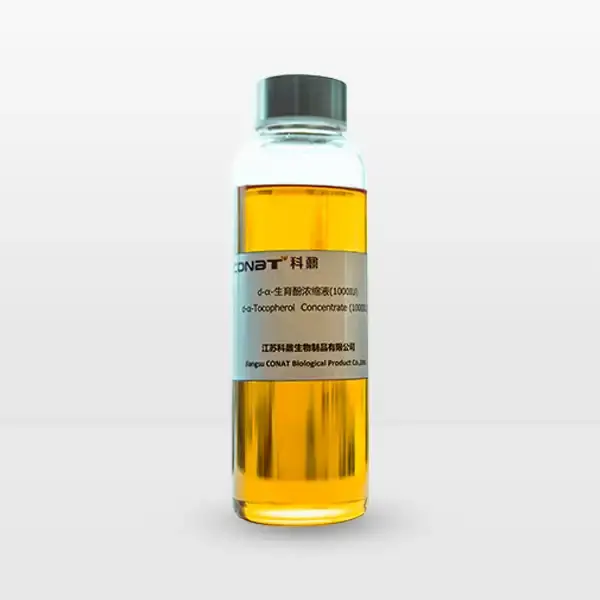
Comparison Guide: Choosing the Right Vitamin E Derivative
There are different kinds of vitamin E, and each one has its own properties that make it useful for different things. By knowing these differences, procurement teams can choose ingredients that meet the needs of the formulation and meet performance goals.
Natural Versus Synthetic Distinctions
D alpha tocopheryl acid succinate vitamin E that comes from natural sources has more biological activity than DL-alpha variants that are made in a lab. The natural d-alpha stereoisomer is about twice as effective as synthetic alternatives. This means that formulators can lower the amount of inclusions needed while still getting the same results. Dietary supplement companies that stress "clean label" credentials really like natural vitamin E products because customers like ingredients that are easy to recognize and aren't made in a lab.
Stability and Processing Considerations
Standard types of tocopherol are very good at fighting free radicals, but they need to be handled carefully when they are being made. Heat, light, or alkaline conditions can speed up degradation, which could make the product less effective. The succinate ester change gets around these problems because it can survive the high temperatures that are common in encapsulation, pill compression, and adding vitamins to drinks. Food scientists who work with functional drinks say that this stability is important for keeping the claimed strength throughout the shelf life.
Application-Specific Selection
Tocotrienols have special benefits for the heart, but they are more expensive and hard to get. Tocopheryl acetate is a mildly stable, inexpensive ingredient that can be used on the skin where quick absorption is not as important. D-alpha-tocopheryl acid succinate vitamin E is in the top category because it is more stable, comes from natural sources, and has been shown to be bioavailable. Pharmaceutical formulators always choose this form for clinical nutrition products and specialized supplement formulas that need active ingredients that are of a pharmaceutical grade.
When choosing vitamin E products, different businesses put different values on different factors. Cosmetic companies may focus on how well emulsions penetrate the skin and how stable they are, while pharmaceutical companies demand strict quality standards and a lot of regulatory paperwork. Because it is bioavailable and provides measured antioxidant support, the succinate ester is the best choice for performance-focused products by sports nutrition brands.
Procurement Essentials: What to Look for When Buying D Alpha Tocopheryl Acid Succinate Vitamin E
To get high-quality d alpha tocopheryl acid succinate vitamin e, you need to carefully look at the skills of the suppliers, the product details, and the quality control methods in place. B2B buying teams should use thorough screening methods that check for compliance with international standards and long-term supply dependability.
Quality Certifications and Documentation
Pharmaceutical-grade vitamin E succinate has to meet strict purity requirements that are laid out in pharmacopeial papers. Check to see if your suppliers are still certified in both ISO 9001 for quality management and ISO 22000 for food safety management. GMP compliance is important for pharmaceutical and nutraceutical uses because it makes sure that the manufacturing processes meet the standards set by regulators. If you want to sell to places that need these certifications, make sure you have up-to-date papers showing that you follow Kosher and Halal rules.
There should be a Certificate of Analysis for each batch that lists the levels of purity, the amount of heavy metals, the microbiological state, and the analysis of any leftover solvents. The MSDS paperwork gives important safety information for storage and handling. Suppliers who show openness by providing detailed paperwork usually have stricter quality control systems, which lowers the risk of buying.
Supplier Reliability Assessment
Check the manufacturing capacity and history to make sure there is a steady supply. Suppliers who have their own facilities for making vitamin E usually have better batch-to-batch consistency than those who outsource production. Check to see what their quality control lab can do. If they can test for important standards in-house, that's better than using outside labs that could cause delays.
Ask for details about where the raw materials come from and how they can be tracked. Natural vitamin E comes from preparing veggie oils, and the quality depends on the oils used and how they were extracted. When suppliers control upstream sources, the quality of their products is more likely to be reliable. Talk to them about how they test for stability and figure out the shelf life, making sure that it fits with the needs of your formulation.
Packaging and Storage Requirements
Vit E succinate needs to be kept away from light, heat, and water so it stays stable while it is being held. Make sure that the sellers use the right materials for packing, such as clear cases or nitrogen-flushed bags, so that the product stays fresh. Ask them how they store and send their things so that you know they are treated all the way through the supply chain. Temperature changes during shipping can lower the quality, so being able to handle shipping is an important part of judging.
Practical Dosage, Usage, and Safety Guidelines
To get the best d alpha tocopheryl acid succinate vitamin E inclusion rates, you need to know the dosage ranges, absorption factors, and safety concerns that are specific to each type of product.
Formulation Dosage Recommendations
Most dietary products have vitamin E succinate in amounts between 100 and 400 IU per dose, but this can change based on the health goal and government rules. In functional food uses, smaller concentrations (10–30% of the daily recommended value) are used to get antioxidant effects without overpowering other nutrients. Pharmaceutical formulations that need precise dosing depend on analytical methods that show potency throughout shelf life. This means that stability data is needed to back up the inclusion rates that were chosen.
A lot of sports nutrition items have more vitamin E because antioxidants help the body heal from exercise. Formulators have to find a balance between how well the ingredients work, how much they cost, and how they taste. This is because too high an inclusion rate can change the taste of powders or drinks. Pet supplement companies work with veterinary experts to come up with the right dose ranges based on the animal's body weight and its species' metabolic needs.
Bioavailability Optimization
Vitamin E is absorbed in the small intestine, which needs the right amount of fat to work well. Vitamin E that is combined with lipids or that is meant to be eaten with food has been shown to be more bioavailable. Softgels and other encapsulation technologies naturally help absorption. Tablets and powders may benefit from adding healthy fats or emulsification systems to the manufacturing process.
Enzymatic hydrolysis changes the succinate ester into active tocopherol. This process works well in healthy people but might not work as well in other groups. When setting the dosage, think about the characteristics of the target customer and take into account things that affect vitamin E status. For example, products made for older people who have trouble absorbing nutrients may need different methods than products made for active adults.
Safety and Handling Protocols
It is safe to take D-alpha-tocopheryl acid succinate at the recommended doses, as there have been no major side effects described in clinical research. People who work in factories should follow standard workplace health practices and wear the right safety gear when handling concentrated powders to keep their lungs from getting irritated. Temperature and humidity levels should be kept under control in storage areas to protect the quality of ingredients and keep workers safe.
Technical data sheets, regulatory status reports, and labeling guidelines for final products are all examples of paperwork that supports safe use. Suppliers that give formulation support help make sure that the right method is used, which lowers the risk of mistakes in absorption that could affect the safety or effectiveness of the product. Good suppliers offer scientific support that talks about how stable the product is in certain matrices, how well it works with other ingredients, and how to process it in a way that works with the production equipment that is being used.
Making the Final Decision: Checklist Summary for B2B Procurement
Putting evaluation criteria into a useful checklist speeds up the buying process and makes sure that all evaluation criteria are met. This structured approach lowers the risk of oversight and helps people make smart buying decisions.
Product Quality Verification checks to see if the purity levels are higher than 98% for pharmaceutical-grade products, looks at recent COA papers for sample batches, and makes sure that international standards for heavy metals and microbiology are met. Check the stability data that backs up the claimed shelf life under the given store circumstances. Make sure the product doesn't contain any man-made racemic mixtures and instead keeps the natural d-alpha stereochemistry.
Supplier Credibility Assessment involves checking current ISO certifications and GMP compliance being checked, as well as the manufacturing facility's capabilities and quality control systems. Customer references from similar industries are also looked at. Check to see if they can provide expert help and answer questions about formulation. Check out how strong their supply chain is and what they have planned in case they can't get their hands on raw materials.
Formulation Compatibility means testing samples in your specific matrix to make sure they are stable and work well. It also means looking at how they might combine with other parts of the formula and making sure your manufacturing tools can handle the processing. Think about how the end goods will look, smell, and taste, as well as their sensory effect. Check the analytical methods you'll use to make sure your end mixture is effective.
Pricing and Commercial Terms includes comparing prices from qualified suppliers while taking into account differences in quality, checking that minimum order quantities and lead times work with your production plans, and looking over payment terms and volume discount structures. Don't just look at ex-works prices; also think about the total landed cost, which includes freight and customs fees. Talk about framework agreements that support long-term supply relationships and include provisions for keeping prices stable.
Logistics and Documentation includes making sure you have the right export paperwork and are following all the rules for your market, making sure the packaging options you choose are compatible with how you can handle and store them, and setting up clear lines of communication for managing orders and getting technical help. Talk to them about how they handle quality complaints and how they can return products, making sure that these things are in line with your quality management needs.
Structured conversations with possible sellers show how much they care about the success of their customers. Ask them how they handle stability from batch to batch, how they handle quality investigations when standards get close to limits, and how they can increase supply as your business grows. As strategic partners, suppliers who communicate well and know their stuff are usually more useful than those who only compete on price.
Conclusion
To find the best vitamin E succinate provider, you need to use a structured review method to balance quality, dependability, and cost. D alpha tocopheryl acid succinate vitamin E is a great choice for dietary vitamins, functional foods, and medicinal uses because it is naturally occurring, stable, and bioavailable. Teams in charge of buying things should give more weight to suppliers who offer pharmaceutical-grade purity, full certifications, and a history of producing high-quality goods. Reviewing all the paperwork, trying to see if the formulations work together, and checking the skills of the provider can lower the risk in the supply chain and help meet quality goals for the products. Companies that invest in strategic supplier relationships get reliable quality, expert support, and supply security that help them make new products and stand out in the market.
FAQ
1. Why should I choose d-alpha tocopheryl acid succinate for supplement formulations?
This type of vitamin E is very stable when it is being made and stored, and it stays bioavailable after it has been eaten. Its natural origin fits with the clean-label concept, and the succinate modification keeps the active ingredient from breaking down, so it stays as effective as stated for the whole shelf life. Because of these qualities, it's especially useful for high-end vitamin makers that focus on quality and effectiveness.
2. How does stability compare between different vitamin E forms?
When put through processing, standard tocopherol breaks down quickly, but tocopheryl acetate is more stable. D-alpha tocopheryl acid succinate vitamin e is more resistant to heat, light, and oxidation than other forms, so it stays effective even when other forms lose their effectiveness. This benefit is very important for products that need to be stored for a long time or go through thermal processing.
3. What documentation should I request before bulk purchases?
Ask for recent Certificates of Analysis that show the purity, heavy metals, bacterial state, and solvents that are still present. Check for ISO certifications, GMP compliance, and, if necessary, religious certifications. MSDS sheets tell you about safety, and stability studies prove that the product has a shelf life. Letters from regulatory authorities showing compliance with FDA or EFSA rules help finished products get registered in the places they're meant for.
Partner with CONAT for Premium Vitamin E Succinate Supply
Jiangsu CONAT Biological Products Co., Ltd. makes pharmaceutical-grade natural vitamin E products, such as high-purity d alpha tocopheryl acid succinate vitamin e, for the food, pharmaceutical, and nutraceutical businesses around the world. Our integrated manufacturing facility uses cutting-edge extraction technology and strict quality control systems to make sure that each batch meets international standards for quality. We have been making phytosterols and vitamin E for decades and have a lot of different certificates, such as ISO 9001, ISO 22000, GMP, Kosher, and Halal, to help you meet the rules in a lot of different areas. Our technical team helps with formulation, gives advice on stability, and makes specifications that are specific to your application needs. Email our team at sales@conat.cn to get samples or technical information, or to talk about your particular needs with our vitamin E experts. They know the problems that dietary supplement brands, functional food makers, and pharmaceutical formulators face.
References
1. Singh VK, Wise SY, Ducey EJ, Brown DS, Singh PK. Radioprotective efficacy of tocopherol succinate in nonhuman primates. Journal of Radiation Research. 2011;52(4):420-429.
2. Yanamala N, Tyurina YY, Kagan VE. New aspects of vitamin E biochemistry and mechanisms of action in biological membranes. Antioxidants and Redox Signaling. 2014;20(15):2332-2362.
3. Cheng G, Zielonka J, McAllister D, Hardy M, Ouari O, Joseph J, Dwinell MB, Kalyanaraman B. Mitochondria-targeted vitamin E analogs inhibit breast cancer cell energy metabolism and promote cell death. BMC Cancer. 2013;13:285-298.
4. Brigelius-Flohé R, Traber MG. Vitamin E: function and metabolism. FASEB Journal. 1999;13(10):1145-1155.
5. Traber MG, Atkinson J. Vitamin E, antioxidant and nothing more. Free Radical Biology and Medicine. 2007;43(1):4-15.
6. Burton GW, Traber MG, Acuff RV, Walters DN, Kayden H, Hughes L, Ingold KU. Human plasma and tissue alpha-tocopherol concentrations in response to supplementation with deuterated natural and synthetic vitamin E. American Journal of Clinical Nutrition. 1998;67(4):669-684.
YOU MAY LIKE