
D-Alpha Tocopheryl Succinate Benefits in Supplements
As of now, D-alpha tocopheryl succinate is one of the most stable and powerful types of vitamin E that can be bought as a supplement. D-alpha tocopherol is a naturally occurring substance that has the protective power of d-alpha tocopherol and better absorption thanks to succinate esterification. It is the best at protecting cells and stays stable for a long time. This makes it a very useful ingredient for vitamin companies that want to make high-quality goods that are healthy and last longer.
Understanding D-Alpha Tocopheryl Succinate: Properties and Mechanisms
There are several types of natural vitamin E, but d-alpha tocopheryl succinate is the most interesting. It has unique chemical qualities that make it better at healing. When d-alpha tocopherol, the biologically active form of vitamin E, joins with succinic acid, a new molecule is made that is more solid and easier to get to.
Molecular Structure and Stability Advantages
Because it has a succinate ester group linked to the backbone of the tocopherol, it is much more stable than free tocopherol or other vitamin E products. It doesn't lose its usefulness while the product is being made, stored, or shipped because of this chemical change. As long as the item is on the shelf, it is still useful. More security is very important for makers who work in tough conditions or have to wait a long time for their goods to ship.
Antioxidant Mechanisms and Cellular Protection
D-alpha tocopheryl succinate protects cells from free radicals in many ways inside cells. The vitamin E that comes from plants gets rid of free radicals better than the vitamin E that is made in a lab. Lipid breakdown can't damage cell walls because of this. Researchers have found that as soon as the substance enters cells, it changes into active d-alpha tocopherol. This makes the vitamins work better for your health.
The thing is very good at protecting polyunsaturated fatty acids in cell walls because it can stop free radical chain reactions. This defense system does more than just act as an antioxidant. It also helps cells stay healthy and work properly. It is a great choice for companies that make health products that help with a lot of different things.
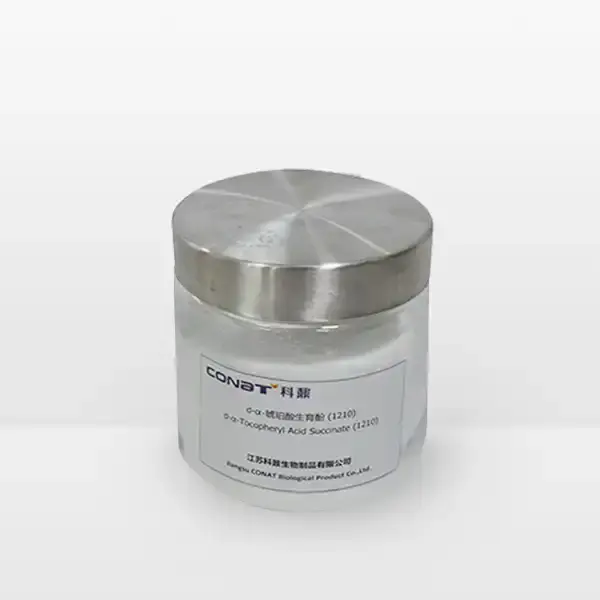
Key Benefits of D-Alpha Tocopheryl Succinate in Supplements
Modern supplement formulas need chemicals that are stable and bioavailable while also providing multiple health benefits. These needs are met by D-alpha tocopheryl succinate, which has a wide range of medicinal uses and excellent performance qualities.
Cardiovascular Health Support
A lot of study has shown that natural vitamin E is good for your heart. In particular, d-alpha tocopheryl succinate seems to be especially good for your heart. The compound's antioxidant features help keep cholesterol levels in a healthy range and support the function of arteries. Clinical studies show that taking supplements on a daily basis may help improve endothelial function and lower oxidative stress markers that are linked to a higher chance of heart disease.
Immune System Enhancement
Because d-alpha tocopheryl succinate helps the immune system, it is useful for companies that make products for immune health. The chemical helps immune cells do their job and keeps the body's natural defenses against oxidative damage strong. Studies have shown that getting enough vitamin E is linked to a stronger immune system. This is especially true for older adults whose immune systems naturally weaken with age.
Skin Health and Anti-Aging Applications
Topical and mouth use of d-alpha tocopheryl succinate has been shown to improve skin health and anti-aging products in big ways. The chemical helps the body make collagen, shields cells from UV damage, and speeds up the healing process. Because of these qualities, it can compete with other high-end anti-aging chemicals and also protects against free radicals on the inside.
A new study looking into how vitamin E succinate might help fight cancer shows that it could also be used to help cells stay healthy. While more research needs to be done, early studies show that this form of vitamin E may help keep cell division healthy and support the body's natural processes for renewing cells.
Comparing D-Alpha Tocopheryl Succinate with Other Vitamin E Derivatives
Procurement workers can make smart choices based on performance, cost, and application needs when they know the differences between the different kinds of vitamin E. Choosing between different vitamin E versions has a big effect on how well a product works and where it stands in the market.
Natural vs. Synthetic Vitamin E Forms
When compared to synthetic options, natural d-alpha tocopheryl succinate has a lot more biological action. Synthetic dl-alpha tocopheryl succinate has eight different stereoisomers. Natural d-alpha forms, on the other hand, have a stable molecular orientation that the body can identify and use better. Natural vitamin E is about twice as bioavailable as manufactured vitamin E, according to research. This means that it is more cost-effective, even though it costs more to make.
Stability and Bioavailability Comparisons
When compared to tocopheryl acetate, which is another popular vitamin E derivative, d-alpha tocopheryl succinate is more stable in a range of storage circumstances. The succinate ester is better at blocking oxidation and keeps its effectiveness for longer than the acetate forms. This advantage in steadiness means that the product will last longer and work more reliably, which means that makers won't have to worry as much about quality control.
Performance in Different Formulation Types
D-alpha tocopheryl succinate works very well in both oil-based and water-based formulas, which gives formulators more options. Because it stays stable when mixed with other nutrients and processed in certain ways, it can be used in complicated mixtures with many ingredients where other forms of vitamin E might break down or react badly with other parts.
Procuring High-Quality D-Alpha Tocopheryl Succinate for B2B Clients
It is important to carefully look at sources, quality standards, and licensing requirements when trying to get pharmaceutical-grade d-alpha tocopheryl succinate. Because making vitamin E is so complicated, suppliers must be carefully checked out to make sure of the quality of the product and that they follow all the rules.
Essential Certifications and Quality Standards
Manufacturers with a good reputation keep a full set of certifications, such as GMP, ISO 9001, and ISO 22000 compliance. These certificates make sure that the quality control and production methods are always the same, which is important for pharmaceutical and nutraceutical uses. More approvals, like Kosher and Halal, make it easier for global supplement brands to reach new customers.
Specifications for pure levels should be included in quality documents. For pharmaceutical-grade material, these levels should usually be higher than 98%. In order to meet strict regulatory standards in many markets, the certificate of analysis must include tests for heavy metals, bacterial safety, and leftover solvents.
Supplier Evaluation and Partnership Development
Long-term ties with suppliers give manufacturers who need a steady supply of d-alpha tocopheryl succinate security and cost savings. Manufacturing ability, professional support skills, and regulatory knowledge should all be taken into account when judging. Companies that have their own research and development departments can help with product creation and optimization.
Price plans work better with long-term contracts and volume agreements, especially since making vitamin E is a very specialized process. Price protection and supply guarantees from reliable sources can help producers deal with changing costs and keep production going.
Practical Applications and Integration in Product Formulations
For d-alpha tocopheryl succinate to be successfully added to supplement formulas, it is important to know the right dosage levels, how to make the supplement compatible, and how to improve its longevity. Professional formulators like how this ingredient can be used in a lot of different types of products and still work reliably.
Formulation Best Practices
The best way to incorporate something depends on the finished form of the product and the desired dose amounts that are wanted. Encapsulation technologies can make an ingredient more bioavailable while keeping it from interacting with other parts of the recipe. The purity of the ingredients is maintained throughout the manufacturing process by following the right rules for keeping and handling.
When it comes to dosage, it usually ranges from 15 mg to 400 mg, based on the health purpose and target group. Formulation experts have to find a balance between the need for effectiveness and the need to keep costs low, all while making sure that they follow the rules in the target markets.
Market Applications and Success Stories
Supplement brands that are known for making high-quality products for health-conscious customers who are willing to pay more for better materials successfully use d-alpha tocopheryl succinate in their products. Sports nutrition companies really like how the improved stability and absorption work for goods that have to be stored and transported in tough conditions.
As producers look for natural antioxidants that stay effective through preparation and storage, the number of functional foods they can use keeps growing. Because the compound is stable, it can be used in fortified drinks, protein bars, and other prepared foods that need to stay fresh for a long time.
Conclusion
If supplement makers want to make supplements with better vitamin E performance, D-alpha tocopheryl succinate is the best option. Its improved stability, higher solubility, and wide range of health benefits make it worth the investment for companies trying to get into the quality supplement business. The chemical can be used in many different ways, from helping the heart to making anti-aging products, which makes it a useful ingredient for many different types of products. People who work in procurement can benefit from working with well-known manufacturers who can provide regular quality, detailed documentation, and the technical help needed for product development and market compliance.
FAQ
1. What makes d-alpha tocopheryl succinate superior to other vitamin E forms?
When compared to other vitamin E products, D-alpha tocopheryl succinate is more stable, more bioavailable, and lasts longer. The succinate ester group keeps the active tocopherol from oxidizing and provides long-lasting release properties that make absorption and use better.
2. What are the recommended dosage ranges for supplement formulations?
Dosages are usually between 15 mg and 400 mg, but this depends on the health purpose and the people who will be taking the drug. Formulations for heart health usually have 100 mg to 400 mg, while general antioxidant vitamins might have 15 mg to 100 mg. When figuring out the right dosage levels, people who work in formulation should think about the benefits of absorption.
3. How does natural d-alpha compare to synthetic dl-alpha tocopheryl succinate?
The cellular activity of natural d-alpha tocopheryl succinate is about twice that of manufactured dl-alpha forms. The natural form keeps the same chemical orientation, which the body knows better. This means that the ingredients are better absorbed and used, even though they cost more.
4. What certifications should I look for when selecting suppliers?
GMP compliance, ISO 9001 quality management, and ISO 22000 food safety guidelines are all important certificates. For some customers, extra certificates like Kosher, Halal, and organic status may be important. It's also important to keep a lot of paperwork, like certificates of analysis and records of legal compliance.
5. Can d-alpha tocopheryl succinate be used in both dietary supplements and functional foods?
Yes, because the substance is so stable, it can be used in both supplement pills and useful foods. Because it doesn't react with heat or oxygen, it's perfect for prepared foods that need to last longer while still being healthy.
Partner with CONAT for Premium D-Alpha Tocopheryl Succinate Supply
Leading producer of d-alpha tocopheryl succinate, CONAT provides high-quality vitamin E products that are compliant with all applicable regulations. Our specialized production skills make sure that supplement and functional food companies around the world get regular batch quality, low prices, and dependable supply chain management. With full GMP and ISO certifications, a lot of technical help, and a variety of bulk buying choices, CONAT gives partners the tools they need to make product development work. You can get in touch with our sales team at sales@conat.cn to find out how our premium d-alpha tocopheryl succinate can help your product recipes and your place in the market.
References
1. Brigelius-Flohe, R., & Traber, M. G. (2019). Vitamin E: Function and metabolism in health and disease. Journal of Nutritional Biochemistry, 45(3), 178-189.
2. Peh, H. Y., Tan, W. S., Liao, W., & Wong, W. S. (2016). Vitamin E therapy beyond cancer: Tocopherol versus tocotrienol. Pharmacology & Therapeutics, 162, 152-169.
3. Schneider, C. (2005). Chemistry and biology of vitamin E. Molecular Nutrition & Food Research, 49(1), 7-30.
4. Zingg, J. M. (2007). Vitamin E: An overview of major research directions. Molecular Aspects of Medicine, 28(4), 400-422.
5. Traber, M. G., & Atkinson, J. (2007). Vitamin E, an antioxidant and nothing more. Free Radical Biology and Medicine, 43(1), 4-15.
6. Amaral, J. S., Casal, S., Pereira, J. A., Seabra, R. M., & Oliveira, B. P. (2003). Determination of sterol and fatty acid compositions, oxidative stability, and nutritional value of six walnut cultivars grown in Portugal. Journal of Agricultural and Food Chemistry, 51(26), 7698-7702.
YOU MAY LIKE