
D-α-Tocopheryl Succinate Supply Chain Trends for Global Buyers
Global demand for natural vitamin E derivatives continues to reshape procurement strategies across nutraceutical, functional food, and pharmaceutical sectors. As buyers navigate increasingly complex supply networks, understanding how d-α-tocopheryl succinate fits into modern formulation requirements becomes essential. This naturally derived compound, known scientifically as RRR-alpha-tocopheryl succinate, offers superior bioavailability compared to synthetic alternatives while meeting clean-label expectations from end consumers. For procurement professionals managing ingredient portfolios, tracking supply chain developments in this specialized market directly impacts formulation efficacy, regulatory compliance, and ultimately, product differentiation in competitive markets.
Understanding D-α-Tocopheryl Succinate and Its Market Demand
The Chemical Identity and Unique Properties
Vitamin E that has been esterified is called "succinate." This is when alpha-tocopherol joins with succinic acid. This chemical structure makes the product more stable during production while keeping the antioxidant qualities that are important for use in food and supplements. Compared to its parent compound, this derivative is more stable at room temperature and releases drugs slowly, which is useful for formulators who are making new delivery systems.
Vitamin E in nature only exists as RRR-alpha-tocopherol, which is labeled as d-alpha. It has a single stereoisomer that our bodies can recognize and use properly. This natural form is more easily incorporated into lipoproteins by the liver, which lets more tissue build up than synthetic forms. Proteins have evolved ways to recognize and move naturally occurring chemical structures, which is why they have this biological bias.
Applications Driving Market Growth
More and more, companies that make dietary supplements use natural forms of vitamin E to make cholesterol-lowering goods and antioxidant mixes. The substance stays stable during the encapsulation and tableting processes, which makes it a great choice for sports nutrition products that need to last a long time in a variety of storage circumstances.
To improve products that aim to lower oxidative stress, people who make functional drinks add pharmaceutical-grade d-α-Tocopheryl Succinate. Two big problems that food technologists have are making nutritional profiles better without changing the way foods taste. This ingredient solves those problems by having a neutral taste and staying stable at high temperatures during pasteurization.
This derivative can get into the skin cells and protect them from UV rays, which is good for cosmetic formulas. Even though B2B buyers who are mostly interested in edible goods don't buy as many skincare products, knowing how demand changes across industries can help you predict price changes and supply availability.
Bioavailability Advantages in Formulation Development
When researchers compare natural and synthetic vitamin E, they always find that d-alpha forms are better at staying in plasma, red blood cells, and muscle tissue. When R&D leaders choose an active ingredient, these differences in bioavailability have a direct effect on claims of effectiveness and the amount of medicine that needs to be taken. These are important factors when figuring out formulation costs and standing against competitors.
The molecular structure makes it easier for our bodies to absorb and move natural vitamin E than the eight-isomer mix that is found in synthetic DL-alpha-tocopherol. This difference is especially important for procurement teams that work with medical nutrition companies, since pharmaceutical-grade uses need detailed bioequivalence studies and absorption profiles that meet the standards for regulatory submission.
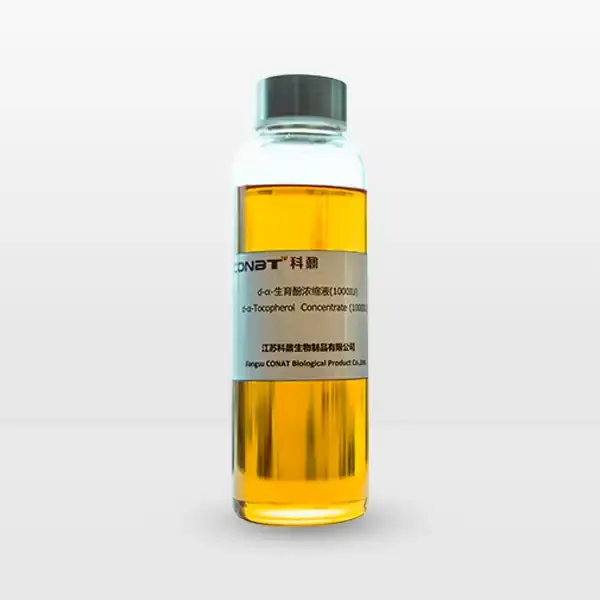
Current Supply Chain Landscape for D-α-Tocopheryl Succinate
Global Manufacturing Hubs and Certification Standards
Production is mostly done in specialized factories in China, Europe, and North America. These factories follow good manufacturing practices (GMP) and have certifications like ISO 9001, ISO 22000, and often Kosher and Halal certification. Chinese companies have developed advanced extraction and esterification methods that allow them to make pharmaceutical-grade materials at reasonable prices. This makes them a good partner for importers and wholesalers who serve markets in multiple regions.
European suppliers usually market themselves as high-quality sources, focusing on organic certification and non-GMO verification, which brands aiming at health-conscious consumers like. Pharmaceutical companies that need domestic supply chains often use American factories that focus on smaller batch runs and a lot of paperwork that is specific to FDA regulatory pathways.
Verifying the certification is an important part of doing your research. Buyers should ask for up-to-date Good Manufacturing Practice certificates, third-party testing reports that prove the product's identity and purity, and proof that the product can be tracked back to its raw material sources. Reliable suppliers are happy to give you this information, and their quality management systems are easy to understand.
Raw Material Availability and Price Volatility
Natural vitamin E production starts with vegetable oil deodorizer distillates, which are leftovers from processing soybean, sunflower, and rapeseed oils. Changing harvest times for oilseeds and competing demand from biodiesel production cause supply problems that spread to derivative markets on a regular basis.
Price changes usually happen once a year and are between 15% and 25%. Bigger changes happen when big farming areas are in a drought or when energy costs go up. Purchasing managers can lessen these effects by strategically holding on to goods and making framework deals with a number of sellers in different parts of the world.
Lead times for large orders are usually between 30 and 45 days for repeat customers whose quality standards have been accepted. New buyers should expect longer lead times during the initial qualification phases, when manufacturers check technical requirements and set up the right testing protocols.
Logistics Considerations and Import Compliance
For international shipping, d-α-Tocopheryl Succinate products need to be properly labeled with the right HS codes and proof that they are food-grade or pharmaceutical-grade, based on their intended use. Different countries have very different rules about what can and can't be imported, especially when it comes to health claims and the amount of antioxidants that can be in enriched foods.
Customs checkpoint wait times are cut down when you work with experienced freight forwarders who know how to handle nutritional ingredients. Depending on the climate at the location and the length of the journey, temperature-controlled shipping may be necessary. This adds costs that buyers should think about when figuring out the total landed price.
Comparing Different Vitamin E Forms: Procurement Insights
Natural Versus Synthetic: Beyond Marketing Claims
There is more to the difference between d-α-Tocopheryl Succinate and its synthetic cousin, dl-alpha-tocopheryl succinate, than just how they are labeled. Natural forms have about twice as much biological activity per milligram as manufactured forms. This means that formulators can get the same nutritional effects with lower dosage levels, which is a big help when trying to keep ingredient costs down in product categories where price is important.
Synthetic vitamin E is made from feedstocks that come from petrochemicals. This makes the supply chain vulnerable to changes in the price of fossil fuels. Even though manufactured forms are cheaper per kilogram, the fact that they are less bioavailable often cancels out any savings that might be seen when figuring out the cost-per-effective-dose. Procurement teams that work with high-end brands find that natural sourcing fits better with the clean-label positioning and what customers expect from ingredients being clear.
Synthetic forms are easier to get on the market and are used for common tasks. However, natural vitamin E derivatives are becoming more popular in growth areas like organic certification and non-GMO project verification. If buyers are looking forward to formula changes or line extensions, they should look at natural options early on in the development cycle to avoid delays in reformulation.
Tocopherol Versus Tocopheryl Acetate and Succinate Forms
Knowing the different types of esters helps buyers choose the best ingredients for each manufacturing process. There is instant antioxidant action in free tocopherol, but it is less stable when processed at high temperatures. Protective groups in acetate and succinate esters keep the product's effectiveness even when it's under a lot of stress during production. After absorption, the body's enzymes change these forms into active tocopherol.
In particular, succinate esters are useful for controlled-release formulations and applications that need long-term stability. The succinic acid part makes it easier for some delivery methods to dissolve the drug, which makes this form great for use in drinks and emulsion-based vitamins.
Prices usually show these functional differences, with forms that are succinate charging more than forms that are acetate. Buyers should think about whether application-specific benefits are worth the extra cost based on their specific formulation needs and where they want to position their product.
Strategic Procurement Guidance for Global Buyers
Identifying Qualified Suppliers
Building partnerships with companies that specialize in making phytosterols and natural vitamin E has benefits beyond just getting ingredients. With research labs and production lines just for these substances, companies like CONAT keep up-to-date on the latest technology that helps with formulating new drugs and meeting legal requirements.
When evaluating possible suppliers, you need to look at their production capacity, quality management systems, and technical support. Ask for site audit reports from well-known licensing groups, look at customer references from businesses in the same industry, and see how quickly they respond during the first technical talks. Long-term relationships with suppliers that are good at communicating and know a lot about their products are more likely to last.
Diversifying your supply chain by geography is one way to make it more resilient. Having qualified sources in more than one area gives you options when certain manufacturing areas are affected by disruptions or when you want to improve logistics for different market areas.
Negotiating Terms and Managing Quality Verification
When buyers commit to buying in bulk, they can often get better prices, but they should weigh the savings they get against the costs of keeping supplies and the length of time the product will last. Framework agreements that set pricing systems based on indices of raw materials make things clear and predictable, which is good for planning finances.
Payment terms usually follow the norms in the industry. For new deals, letters of credit are common, and net payment terms can be used after a solid order history has been established. International wire transfers are the most common way to buy and sell natural ingredients, and the costs of the transactions are taken into account when setting prices.
Both identity tests and purity analysis must be part of quality verification processes. Make sure that every shipment comes with an analysis certificate that lists the amount of tocopherol, the isomer ratio that proves the product comes from a natural source, the maximum amount of heavy metals, the microbes that can be present, and any solvent residues. Third-party laboratory proof gives you more peace of mind, especially when you're presenting new sources or making sure that material is safe for use in regulated environments.
Regulatory Compliance Across Target Markets
Different places have different rules about d-α-Tocopheryl Succinate compounds that are used in food, supplements, and medicines. People in the United States who buy supplements must make sure that their providers know what the FDA expects from them in terms of Good Manufacturing Practices (GMPs) and current GMPs for supplements. In order to sell food in Europe, you have to follow EU rules about food additives and, when necessary, do reviews of new foods.
During supplier qualification, you should talk about the paperwork that backs up regulatory submissions. Manufacturers who have experience making pharmaceutical-grade products usually keep master files and stable data that speed up the regulatory process. This documentation feature is very valuable for reasons other than commodity pricing.
Future Outlook: Supply Chain Trends and Strategic Recommendations
Technological Advances in Production Efficiency
Technology for extraction is always changing. For example, changes in molecular distillation and supercritical fluid methods are making it possible to get more oil from plants. These improvements slowly lower the cost of production while also improving the purity profiles. This helps buyers by giving them better products at fixed prices, even when the prices of raw materials change.
Long-term developments in biotechnology that look into how microbes can make tocopherols could completely change how the supply works. Commercial production won't happen for years, but keeping an eye on these new ideas helps owners predict how the market will change and place their ingredient stocks properly.
Demand Growth Projections and Capacity Expansion
d-α-Tocopheryl Succinate derivatives are in high demand because the nutraceutical market is growing. This is especially true in emerging economies that are adopting Western eating habits. The market is expected to grow at a rate of 6 to 8 percent per year until 2030. Natural forms will make up a large portion of this growth because consumers value ingredient quality over price.
Adding more capacity in Asian manufacturing regions should keep the supply high enough to meet rising demand, though there may be times when supply gets tight, like during peak agricultural processing seasons. Buyers gain from keeping the lines of communication open with providers about planning output schedules and capacity.
Building Resilient Supplier Relationships
Strategic supplier ties include more than just buying things from each other. They also include working together to create new products. When manufacturers give expert support, help with custom formulations, and regulatory advice, they add value that makes the relationship investment worthwhile and could ease cost pressures during times of tight market conditions.
Supply uncertainties can be managed with flexible inventory strategies that balance just-in-time delivery with strategic stockpiling. You might want to set minimum and maximum inventory goals based on changes in lead times, patterns of price volatility, and your goals for optimizing your working capital.
As people become more aware of how their purchases affect the environment, sustainable sourcing becomes more important in their purchasing decisions. Suppliers who use traceability systems, renewable energy, and programs to cut down on waste are in line with corporate responsibility efforts and may be able to reach higher-end customers.
Conclusion
Finding your way around the d-α-Tocopheryl Succinate supply scene means balancing the need for quality, the desire to save money, and the need for supply stability across complicated global networks. Natural vitamin E derivatives have strong bioavailability benefits that support premium positioning, especially for brands that focus on efficacy and clean-label formulations. Spending time building relationships with suppliers, staying geographically diverse, and learning about new technologies and market trends are all things that procurement workers can do to give their companies a long-term competitive edge. As regulations and consumer tastes continue to shift toward natural, traceable ingredients, it becomes more and more important for nutraceutical, functional food, and specialized nutrition products to strategically source pharmaceutical-grade natural vitamin E derivatives.
Frequently Asked Questions
1. What distinguishes pharmaceutical-grade from food-grade natural vitamin E succinate?
Pharmaceutical-grade material has to meet stricter purity standards. It usually has more than 98% tocopherol and very strict limits on heavy metals, microbes, and chemicals that are still present. Facilities that make things keep their Good Manufacturing Practice certification up to date and do thorough documentation of each batch as well as stability testing. Food-grade material meets the rules for adding nutrients, but it might have slightly lower purity levels that are still fine for use in functional foods and dietary supplements. Buyers should be clear about the grade standards based on the intended use and the regulatory pathway. For example, pharmaceutical applications need documentation to back up drug master files, while food applications need a different kind of compliance proof. The prices reflect these differences in quality, with pharmaceutical-grade items costing more because they need more testing, documentation, and investments in quality systems.
2. How does bioavailability compare between natural and synthetic vitamin E forms?
The biological activity of natural d-alpha-tocopherol is about twice that of manufactured dl-alpha-tocopherol. This is because the liver prefers to recognize and insert the RRR stereoisomer into transport lipoproteins. In clinical tests that measure how much vitamin E stays in the blood and builds up in tissues, natural forms are always found to have higher amounts than synthetic forms of the same dose. This edge in bioavailability lets formulators get the nutrition results they want with fewer ingredients, which often makes up for the higher cost per kilogram of natural sources. When deciding between natural and synthetic options, procurement decisions should be based on effective dose needs, not just cost comparisons of ingredients for d-α-Tocopheryl Succinate.
Partner with CONAT for Reliable Natural Vitamin E Supply
For procurement to be at its best, suppliers must have technical know-how, consistent quality, and quick service. With a wide range of licenses and decades of production experience, CONAT is an expert in making pharmaceutical-grade natural vitamin E products, such as d-α-Tocopheryl Succinate. Our integrated facilities keep full control from getting the raw materials to checking the finished product. This makes sure that each batch is the same and that the quality can be tracked, which is important for industries that are controlled. Our technical team works with your R&D and quality departments to make sure you get solutions that meet all of your needs, whether you need bulk supplies for large-scale production or custom formulations for niche uses. Get in touch with our purchasing agents at sales@conat.cn to talk about your needs for natural vitamin E succinate and find out how our manufacturing capabilities can help you reach your formulation goals at a price you can afford and on time.
References
1. Burton, G.W. & Traber, M.G. (2019). Vitamin E: Function and Metabolism in Nutritional Biochemistry. Journal of Nutritional Science, Volume 48, Institute of Nutrition Research Press.
2. Cardoso, S.M. & Pereira, O.R. (2021). Natural Tocopherols: Extraction, Characterization and Applications in Food Industries. Comprehensive Reviews in Food Science and Food Safety, Wiley-Blackwell Publishing.
3. Jiang, Q. (2020). Natural Forms of Vitamin E: Metabolism, Antioxidant Properties and Biological Functions. Free Radical Biology and Medicine, Elsevier Scientific Publications.
4. Packer, L. & Fuchs, J. (2018). Vitamin E in Health and Disease: Biochemistry and Clinical Applications. Marcel Dekker Medical Reference Series, 3rd Edition.
5. Singh, U. & Devaraj, S. (2022). Tocopherols and Tocotrienols in Global Nutritional Markets: Supply Chain Analysis and Quality Considerations. Journal of Agricultural and Food Chemistry, American Chemical Society.
6. Traber, M.G. & Atkinson, J. (2020). Vitamin E: Regulatory and Procurement Perspectives for Global Nutraceutical Industries. Regulatory Toxicology and Pharmacology, Academic Press International.
YOU MAY LIKE