
Difference Between Natural and Synthetic Vitamin E Acetate Powder Explained
When you're looking for d alpha-tocopherol acetate powder for your recipes, it's important to know the major differences between natural and man-made types. Vitamin E acetate that is found in nature only has the d-alpha isomer, which is found in plants. On the other hand, synthetic versions have a racemic mix of both the d and l forms. This difference has a big impact on solubility, safety, and following the rules in food, nutraceuticals, and pharmaceuticals. Supplement and functional food companies choose one of these types based on how well their products work, how much they cost to make, and where they put their goods on the market.
Understanding Vitamin E Acetate Powder and Its Forms
One of the most steady types of vitamin E supplementation on the market right now is vitamin E acetate powder. This solid powder is mostly made up of alpha-tocopherol acetate. The acetate group keeps the hydroxyl group from oxidizing, which extends the shelf life and keeps the powder's effectiveness while it's being stored and processed.
Chemical Structure and Molecular Configuration
This form of vitamin E is more stable than free tocopherol because of the way its molecules are structured. The volatile hydroxyl group on the chromanol ring is kept safe by the acetate ester link when it comes in contact with heat, light, or air. There is only one stereoisomeric structure of natural d-alpha-tocopherol acetate that works with human biochemical pathways. On the other hand, synthetic dl-alpha-tocopherol acetate has the same amount of both kinds.
Vitamin E acetate, including d alpha-tocopherol acetate powder, can be made from soybean oil distillates, sunflower oil, and wheat germ oil, all of which come from plants. It is done by molecular distillation and concentration to get the natural tocopherols out of these raw materials. After acetic acid is added to the natural tocopherols, the acetate form is formed. To make manufactured materials, chemical synthesis from petrochemicals is used. In this case, a racemic combination is made up of physically active and inactive isomers.
Applications Across Industries
When it comes to medicines, vitamin E acetate powder has to meet the highest quality standards. This is especially true for formulas that need exact dosing and even bioavailability. For nutritional supplement companies to keep up with their "clean label" marketing claims and make sure their goods stay stable across all of their sales channels, they focus on natural forms. The powder can handle being handled in ways like baking, processing, and storage for long periods of time, which is good for food and drink.
Vitamin E pills in powder form are better than oil-based ones. This is because powder is easier to work with when making them, the dose is more widely spread, and there are fewer chances of oxidation happening while they are being made. Because of these features, vitamin E acetate powder is great for dry mixes, pressing pills, and filling capsules, where liquid forms would be tough to work with.
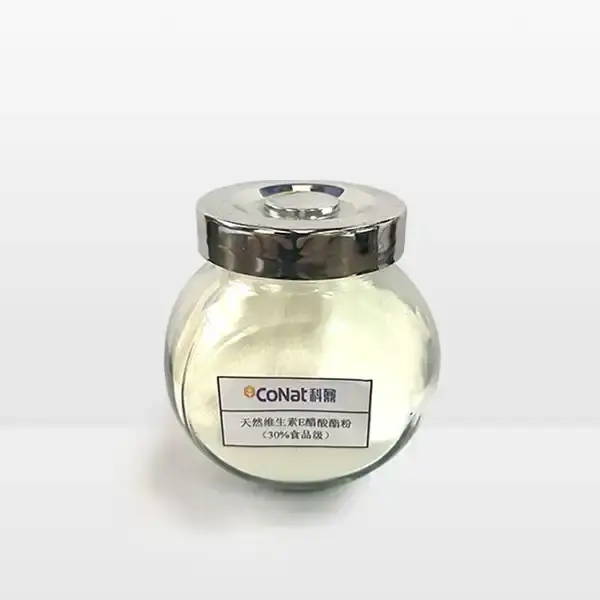
Key Differences Between Natural and Synthetic Vitamin E Acetate Powder
Knowing the main differences between natural and artificial vitamin E acetate powder helps you make smart buying choices that are in line with how you want to market your product and the rules that govern it. These differences aren't just about labels; they also include changes that can be measured in biological activity and manufacturing issues.
Bioavailability and Biological Activity
Researchers have found that natural d-alpha-tocopherol acetate, including d alpha-tocopherol acetate powder, is more bioavailable than manufactured dl-alpha-tocopherol acetate. The body keeps and uses the d-form more efficiently while breaking down and getting rid of the l-form more quickly. According to studies, natural vitamin E has about twice as much biological activity as manufactured types when bioavailability tests are used to measure it.
How vitamin E acetate works with cell transport proteins and membrane inclusion is affected by its stereochemical structure. Natural d-alpha-tocopherol binds more strongly to alpha-tocopherol transfer protein, which controls how vitamin E is distributed in the body. This preferred binding leads to better antioxidant defense in tissues and better therapeutic results in clinical settings.
The rates at which natural and manufactured forms are absorbed are very different. For example, natural vitamin E acetate has higher bloodstream levels after being taken by mouth. When appropriate doses are used, and constant tissue levels are needed for best results, these differences in pharmacokinetics become very important.
Stability and Storage Characteristics
Vitamin E acetate powders from nature and man both have very good stability ratings, but they react to external factors in slightly different ways. Natural forms usually have a little more tolerance to breaking down at high temperatures during processing, while synthetic forms might work a little better in some pH circumstances.
Storage stable tests show that both kinds stay useful as long as they are kept away from moisture, light, and high temperatures. However, natural vitamin E acetate usually works better in a range of humidity levels, which makes it a better choice for products that will be sold in warm or high-humidity areas.
Both forms are protected against oxidative damage by the acetate ester bond. However, natural types may benefit from the presence of minor tocopherols and tocotrienols that work together as antioxidants. These naturally occurring chemicals are not present in manufactured preparations, which could affect how stable complex formulations are over time.
Regulatory and Certification Considerations
Natural vitamin E acetate can be certified as organic if it comes from certified organic plants. This means there are possibilities in the growing market for organic supplements. Synthetic forms can't become biological, but they are better for large-scale uses because they are easier to supply and have more stable costs.
Regulatory paperwork needs are different for natural and synthetic forms of d alpha-tocopherol acetate powder. For natural forms, more source proof and tracking evidence is needed. Pharmaceutical applications may choose either form based on the needs of the product and the cost, but nutraceutical applications are increasingly choosing natural sources because they are easier to market.
Choosing the Right Vitamin E Acetate Powder for Your Business Needs
To choose the best vitamin E acetate powder, you need to carefully consider several factors that affect both the success of the product and your business goals. To make sure long-term success, the decision process should include technical needs, goals for market placement, and supply chain issues.
Application-Specific Requirements
Pharmaceutical products usually put stable strength and purity ahead of claims that they come from natural sources. This means that either natural or synthetic forms can work, based on the therapeutic goals and cost targets. Natural types of vitamin E are often used in high-potency products to explain their higher prices while giving customers better bioavailability.
Functional food uses have to find a mix between adding nutrients, keeping the processing stable, and keeping costs low. Vitamin E acetate powder made from natural ingredients helps with clean labeling and works well during food-making steps like baking, extruding, and heating. Natural forms are especially good for sports nutrition items because they are more bioavailable, which backs up claims about improved physical performance.
Vitamin E acetate's ability to penetrate the skin and protect it from free radicals is used in cosmetic and skin care products. Both natural and synthetic forms work well on the skin, but upscale skincare brands that focus on natural ingredients may find that natural forms are easier to sell.
Quality Standards and Certifications
Manufacturers with full quality management systems for d alpha-tocopherol acetate powder, such as ISO 9001, ISO 22000, and GMP certifications, should be given more weight when evaluating suppliers. For businesses to be successful, these standards make sure that production methods are always the same, that contaminants are kept under control, and that batches can be made again and again.
Another important factor in judging someone is their analytical skills. Reliable sellers give full reports of analysis that include checking the product's name, purity, heavy metals, and microbiological safety. Advanced testing methods, like HPLC analysis, check the stereoisomeric purity of natural forms and look for possible impurities that might affect the safety or effectiveness of the product.
When it comes to natural vitamin E acetate, where source proof and processing history affect marketing claims and regulatory compliance, traceability paperwork is very important. Suppliers should give thorough paperwork of the supply chain, from where the raw materials come from to when the finished product is released.
Cost-Benefit Analysis Framework
Vitamin E acetate that is naturally occurring usually costs more than synthetic versions. However, this price difference may be explained by better bioavailability, marketing benefits, and changes in customer tastes. When making a choice, the total costs of the formulation should be taken into account, not just the costs of the ingredients. This is because natural forms may allow for higher pricing tactics that make up for higher raw material costs.
Quantity needs have a big effect on how prices are set and how suppliers work with customers. People who buy a lot of either natural or synthetic forms may be able to negotiate better prices, while people who buy less might find synthetic forms more cost-effective for entering the market for the first time.
How to Use and Store Vitamin E Acetate Powder Effectively?
Following the right procedures for handling and storing ensures that the product stays safe and effective throughout the entire supply chain. Manufacturers can keep the quality of their products from the time they receive them until they are distributed to customers by knowing the best ways to store them and put them together.
Dosage Guidelines and Formulation Integration
Dosage amounts are very different based on the application. For example, dietary supplements usually have between 15 and 400 IU per dose, depending on the target audience and healing goals. For food fortification, smaller amounts (10–30 IU per dose) are usually used to provide a useful nutritional boost without spending a lot of money.
Integration methods rely on the style and processing needs of the final result. Matching the particle sizes of vitamin E acetate powder, d alpha-tocopherol acetate powder, and other ingredients is helpful for dry mixing because it makes sure that everything is spread out evenly. Some tablet compression formulas may need grinding steps to improve their flow qualities and keep them from separating while they're being made.
When used in cosmetics, vitamin E acetate is usually present in amounts between 0.1% and 1.0% by weight, based on how the product is positioned and how well it works with skin. Higher amounts may offer better antioxidant protection, but they need to be carefully formulated to keep the product stable and acceptable to consumers.
Storage and Handling Best Practices
Temperatures below 25°C and relative humidity levels below 60% are ideal for keeping because they stop moisture absorption and possible degradation. Light protection is especially important for bulk storage, which needs opaque containers or storage in dark places to keep photodegradation risks to a minimum.
Choosing the right container has a big effect on how stable the product is. For most uses, aluminum-lined bags or sealed plastic cases are enough to keep the product safe. For pharmaceutical uses, extra safety might be needed, like nitrogen flushing and desiccant bags to keep the moisture levels very low.
During processing, handling methods should keep people from coming into contact with air and water as little as possible. Dust control should be built into powder transfer systems to protect both the product and the workers. This is because vitamin E acetate powder can create static charges when it is handled.
Safety Protocols and Documentation
Material Safety Data Sheet compliance makes sure that the right ways to handle and respond to emergencies are set up and shared with everyone who stores, handles, or processes the material. Updating safety training regularly helps people stay informed of possible dangers and the right way to handle them.
Quality control testing plans should check how long the substance stays effective and look for any breakdown patterns that could mean there are problems with keeping or handling. Regularly checking the moisture content of a product helps find possible storage issues before they get worse, so that steps can be taken to protect the quality of the product.
Procurement Strategies for Bulk Purchasing Vitamin E Acetate Powder
To make good sourcing plans, you need to know how the market works, what suppliers can do, and what quality standards are needed. These things affect both short-term buying decisions and the stability of the supply chain over time. Costs can be cut by a large amount while quality standards and supply stability are maintained with strategic methods.
Market Analysis and Pricing Trends
Prices for vitamin E acetate change with the seasons because of changes in the supply of raw materials, especially for natural forms that rely on crop yields. When you understand these cycles, you can plan when to buy things, which can save you 10–15 percent compared to buying things on the spot.
Supply chain problems have in the past made it harder to get vitamin E acetate, so switching suppliers is an important risk management technique. Having different ties with qualified suppliers gives you options when the market isn't available. It also makes prices more competitive, which is good for long-term cost management.
Price differences between regions for d alpha-tocopherol acetate powder are caused by things like the local market, the cost of shipping, and the rules and regulations that apply. When buying in bulk, Asian suppliers often offer lower prices. On the other hand, European and North American sellers may be better at providing technical help, following rules, and being open about the supply chain.
Supplier Evaluation and Qualification
To make sure that the relationship will work in the long run, a full audit of the supplier should look at their manufacturing skills, quality processes, ability to follow regulations, and financial stability. On-site checks give information about how products are made, how quality control is done, and how much capacity is being used, all of which affect the stability of the supply chain and the consistency of the products.
Different suppliers offer different levels of technical support, especially for complicated uses that need help with formulation or regulatory paperwork. Suppliers who offer stable data, analytical testing services, and expert advice may be able to charge more for some uses because they offer more value.
Including organic certifications for natural goods, halal and kosher certifications for certain markets, and pharmaceutical-grade certifications for high-value uses should make sure that certification packages meet the needs of target markets. For suppliers to get these certificates, they often have to make big investments that show they care about quality and customer service.
Conclusion
Choosing between natural and manufactured vitamin E acetate powder has a big effect on how well a product works, where it stands in the market, and how well customers like it in a wide range of situations. While natural d-alpha-tocopherol acetate is better for bioavailability and clean labeling, manufactured options are cheaper and can be used in situations where price is important. By knowing these differences, you can make smart choices about buying that are in line with business goals and market needs. To make execution work, quality standards, supplier skills, and storage methods must all be carefully thought through so that the integrity of the product is maintained throughout the supply chain. Strategic relationships with qualified makers like CONAT make sure that you can get high-quality vitamin E acetate solutions that are backed by technical support and help with following the rules.
FAQ
Q1: What makes natural vitamin E acetate more bioavailable than synthetic forms?
Natural d-alpha-tocopherol acetate demonstrates superior bioavailability due to its stereochemical configuration that aligns with human metabolic pathways. The body preferentially retains natural d-forms while rapidly eliminating synthetic l-forms, resulting in approximately twice the biological activity compared to synthetic dl-mixtures.
Q2: How should vitamin E acetate powder be stored to maintain potency?
Optimal storage requires temperatures below 25°C with relative humidity under 60%, protection from light exposure, and sealed containers to prevent moisture absorption. Proper storage maintains potency for 24-36 months depending on specific grade and packaging conditions.
Q3: Can both natural and synthetic vitamin E acetate be used in pharmaceutical applications?
Both forms meet pharmaceutical standards when properly manufactured and tested, though specific applications may favor one form based on bioavailability requirements, cost considerations, and regulatory specifications. Natural forms often command premium pricing while synthetic variants offer cost advantages for large-volume applications.
Q4: What certifications should I look for when selecting a vitamin E acetate supplier?
Essential certifications include ISO 9001 for quality management, GMP for pharmaceutical applications, ISO 22000 for food safety, and specific certifications like organic, halal, or kosher, depending on target markets. Comprehensive analytical testing capabilities and regulatory documentation support are equally important.
Q5: How do I determine the appropriate dosage for my specific application?
Dosage determination depends on application type, target demographics, and regulatory requirements. Dietary supplements typically range from 15 to 400 IU per serving, while food fortification uses 10 to 30 IU per serving. Consultation with experienced suppliers and regulatory experts ensures optimal dosing strategies.
CONAT - Your Trusted Partner for Premium Vitamin E Acetate Solutions
CONAT stands as a leading d alpha-tocopherol acetate powder manufacturer, delivering exceptional quality natural and synthetic vitamin E acetate solutions to global markets. Our state-of-the-art manufacturing facilities combine advanced production technology with rigorous quality control systems to ensure consistent, high-purity products that meet the demanding requirements of pharmaceutical, nutraceutical, and food industry applications.
Our comprehensive product portfolio includes pharmaceutical-grade natural vitamin E acetate powder sourced from premium plant-based materials, offering superior bioavailability and clean-label positioning for your formulations. We maintain extensive certification credentials, including ISO 9001, GMP, and organic certifications that support regulatory compliance across international markets.
As a trusted d alpha-tocopherol acetate powder supplier, CONAT provides complete technical support throughout your procurement and formulation processes. Our experienced technical team offers formulation guidance, stability testing support, and regulatory documentation assistance to accelerate your product development timelines and ensure market success.
We understand the critical importance of supply chain reliability for your business operations. Our strategic inventory management and flexible packaging options ensure consistent product availability while minimizing your working capital requirements. Whether you require small-scale samples for development work or large-volume commercial supplies, our scalable production capacity meets your evolving needs.
Contact our procurement specialists at sales@conat.cn to discuss your specific requirements and discover how our premium d alpha-tocopherol acetate powder for sale can enhance your product offerings while optimizing your supply chain performance.
References
1. Traber, M.G. & Atkinson, J. (2007). Vitamin E, antioxidant and nothing more. Free Radical Biology and Medicine, 43(1), 4-15.
2. Burton, G.W., Traber, M.G., Acuff, R.V., Walters, D.N., Kayden, H., Hughes, L. & Ingold, K.U. (1998). Human plasma and tissue alpha-tocopherol concentrations in response to supplementation with deuterated natural and synthetic vitamin E. American Journal of Clinical Nutrition, 67(4), 669-684.
3. Institute of Medicine Food and Nutrition Board. (2000). Dietary Reference Intakes for Vitamin C, Vitamin E, Selenium, and Carotenoids. Washington, DC: National Academy Press.
4. Brigelius-Flohé, R. & Traber, M.G. (1999). Vitamin E: function and metabolism. Federation of American Societies for Experimental Biology Journal, 13(10), 1145-1155.
5. Kiyose, C., Muramatsu, R., Kameyama, Y., Ueda, T. & Igarashi, O. (1997). Biodiscrimination of alpha-tocopherol stereoisomers in humans after oral administration. American Journal of Clinical Nutrition, 65(3), 785-789.
6. Hosomi, A., Arita, M., Sato, Y., Kiyose, C., Ueda, T., Igarashi, O., Arai, H. & Inoue, K. (1997). Affinity for alpha-tocopherol transfer protein as a determinant of the biological activities of vitamin E analogs. Federation of European Biochemical Societies Letters, 409(1), 105-108.
YOU MAY LIKE