
Glycine Soja (Soybean) Sterols Benefits for Skin Barrier
Glycine soja (soybean) sterols are a new type of bioactive substances that considerably improve the barrier function of the skin and provide a wide range of preparation options. These phytosterols come from plants and work by combining with epidermal lipid structures to stop water loss through the epidermis and make skin stronger against external stresses. Researchers have found that they can strengthen cellular walls and provide strong antioxidant protection. This makes them essential for modern beauty and nutraceutical products.
This detailed guide gives B2B procurement workers useful information on how to find, formulate, and use soybean sterols to make goods that are the best on the market. Understanding the unique molecular features, legal status, and application factors of these sterols has a direct effect on how well products work, how satisfied customers are, and how brands stand out. If you're making dietary supplements, functional drinks, or cosmetics, the information in this article can help you choose ingredients that meet quality standards, licensing requirements, and tactics for competing in the US market.
Understanding Glycine Soja Sterols and Their Role in Skin Barrier Health
Chemical Structure and Bioactive Properties
Soybean sterols are a type of phytosterol. They are complex fatty alcohols with a four-ring steroid centre and different side-chain structures. In contrast to simple alcohols, these fatty molecules have hydrating properties instead of drying ones. Beta-sitosterol, campesterol, and stigmasterol are the main sterols in Glycine soja (soybean) sterols. They make up about 2% to 3% of crude soybean oil, but improved extraction methods can make it more pure than 95%.
Because they are structurally similar to cholesterol, these substances can easily connect with the membranes of skin cells. Phytosterols join lipid bilayers when applied to the skin or eaten, which stabilizes membrane design and improves barrier stability. Their better performance compared to synthetic options that don't have biomimetic qualities is due to their molecular compatibility.
Mechanisms Supporting Epidermal Health
Soybean sterols strengthen the skin barrier in a number of ways that work together. They help the body make more ceramide, which is an important protein that seals off the spaces between skin cells and keeps wetness in and irritants out. Clinical tests show that using products with 0.5 to 2 per cent phytosterols regularly for four weeks increases the moisture level of the stratum corneum by 18 to 25 percent.
In addition to strengthening structures, these chemicals change inflammation reactions by stopping the production of pro-inflammatory cytokines. This ability to reduce inflammation is especially helpful for formulas for sensitive skin, where it can be hard to calm itching without losing barrier function. Soybean sterols are also good antioxidants that fight free radicals that are made by smog and UV light. This stops oxidative damage that speeds up barrier breakdown and obvious ageing.
Systemic Benefits Beyond Skin Applications
Soybean sterols have health benefits that go beyond improving the skin's barrier function, which opens up new market placement possibilities. Decades of cardiovascular study have shown that they lower cholesterol. This makes them perfect active ingredients for heart-healthy functional foods and dietary supplements. The FDA says that eating phytosterol-rich foods at the daily suggested amount of 1.3-2 grammes can help keep cholesterol levels good.
This dual usefulness makes it possible for the product to stand out in a special way. Brands can make beauty products that can be swallowed that work on hydrating the skin, making the barrier stronger, and improving cardiovascular health all at the same time. This all-around method is very popular with health-conscious customers. Knowing about these many benefits, including those associated with glycine soja (soybean) sterols, helps purchasing teams choose ingredients that support clean label positioning and help products make the most of their claims.
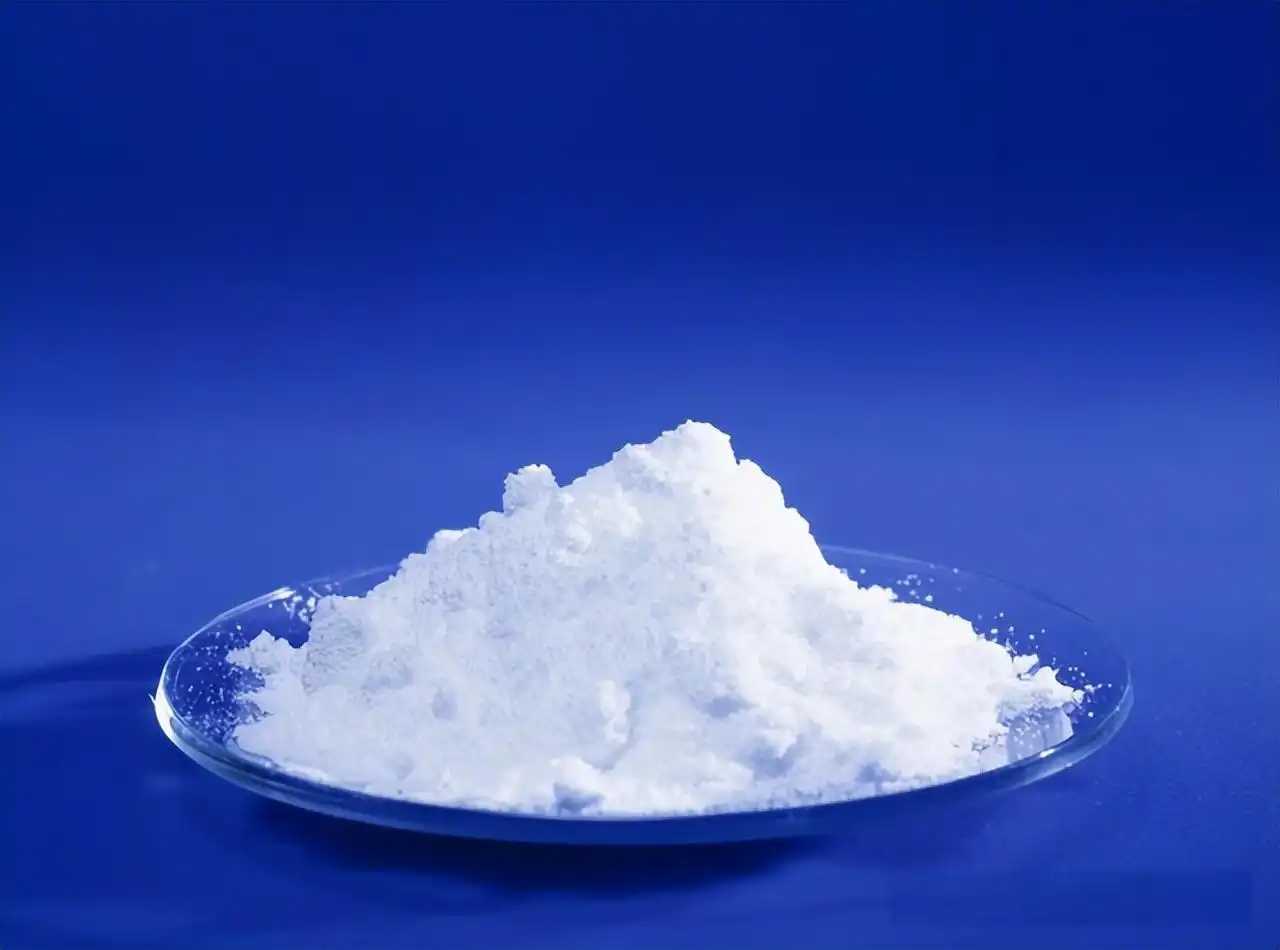
Key Benefits of Glycine Soja Sterols in Skin Care Applications
Barrier Reinforcement and Moisture Retention
The best thing about Glycine soja (soybean) sterols is that they can repair damaged skin shields better than anything else. Barriers that aren't working right can cause dryness, sensitivity, redness, and faster ageing, which are problems for about 40% of American adults. Sterols help with these problems by replacing intercellular lipids that get lost with age, exposure to the environment, and hard skin care routines.
Transepidermal water loss is a key way to measure barrier function, and formulas that contain soybean sterols show measurable decreases in this. In controlled studies, products with 1.5% phytosterol levels lowered TEWL by 22% compared to fake versions of the goods. This means skin that looks fuller and feels smoother, and it's better able to handle allergens. The use of performance data that is backed up by evidence improves product claims and marketing stories about barrier repair technology.
Anti-Inflammatory and Soothing Properties
Many skin problems, from redness and sensitivity to ageing too quickly, are caused by inflammation. Soybean sterols have been shown to have anti-inflammatory benefits similar to low-dose corticosteroids but without the side effects. They stop the arachidonic acid cascade and NF-kB activation, which are important cellular mechanisms for inflammatory reactions.
Because of this, phytosterol-rich products are great for skin care after surgery, products that help with acne, and daily creams for sensitive skin. These naturally derived anti-inflammatory agents are especially valuable to brands that are making "clean beauty" lines because they are an option to synthetic actives that go against their "transparency" messaging. Because soybean sterols are gentle but effective, they can be used in amounts that are safe for sensitive skin without causing any side effects.
Formulation Versatility and Stability
From a technical point of view, soybean sterols work very well with a wide range of different types of products. Because they dissolve in lipids, they can be added to creams, lotions, serums, and oil-based items without worrying about phase separation. Sterol esters in powder form work well in supplements and products that don't need water, while sterol esters in liquid form work well in emulsion systems.
Thermal stability stays strong through normal processes used to make cosmetics, and glycine soja (soybean) sterols don't change much below 80°C. This stability profile makes production processes easier and shelf life longer, which are both very important for large-scale manufacturing. When natural vitamin E, which is another speciality at Jiangsu CONAT Biological Products Co., Ltd., is added, it creates effective antioxidant protection that keeps the product's structure and improves its skin benefits. For topical uses, the recommended amounts range from 0.3 to 2%, and for oral vitamins, they range from 400 to 800 mg per serve. This gives marketers a lot of options for how to place their products.
Comparative Analysis: Glycine Soja Sterols vs Other Phytosterols in Skin and Health Applications
Compositional Differences and Bioavailability
Even though all phytosterols have some basic molecular similarities, differences in sources have a big effect on how well they work. Soybean sterols have more beta-sitosterol (45–55%) than sterols from pine trees (60–70% beta-sitosterol) or rapeseed (35–45% beta-sitosterol). This chemical nature affects both how well it penetrates the skin and how bioavailable it is to the body when eaten.
Beta-sitosterol is better at integrating into membranes than campesterol or stigmasterol. This is why mixtures of Glycine soja (soybean) sterols often work better than single-sterol preparations in tests of barrier function. Glycine soja (soybean) sterol products have a healthy mix of different sterols that support the whole lipid layer instead of just one membrane component. This all-around mix matches the skin's natural lipid balance, making it more compatible and lowering the chance of sensitivity.
For ingestible uses, bioavailability becomes the most important thing to think about. Phytosterols from soybeans are absorbed at rates of 5–10% when eaten with fats, which is enough to lower cholesterol without needing to be eaten in large amounts. Esterified forms have better bioavailability, so they might be worth looking into for high-end supplement recipes that want to get the most out of their ingredients.
Natural vs Synthetic: Purity and Positioning Considerations
Soybean sterols come from plants, which gives them clear business benefits in today's clean beauty world. A consumer study shows that people regularly prefer plant-based chemicals to synthetic ones. This is especially true for people aged 18 to 45, who are driving growth in the natural personal care categories. Authentic botanical source stories help brands be seen as real and back strategies for charging more.
Standard for purity tells the difference between commodity-grade and expensive phytosterols. Food-grade sterols are usually 90–92% pure, which makes them good for useful food uses where cost is important. Cosmetic-grade materials are 95–98% pure, which means they don't contain any possible allergens and always work the same way. Pharmaceutical-grade sterols are more than 99% pure and have strict controls on impurities, which is needed for medical nutrition and controlled drug uses.
Different target markets have different certification needs. Kosher and halal licences make products more accessible to religious consumers, while organic certification drives up prices in natural outlets. Compliance with ISO9001, ISO22000, and GMP standards shows that production quality control is important for medicinal and nutraceutical uses. Jiangsu CONAT Biological Products Co., Ltd. keeps a wide range of certifications to meet the needs of different business-to-business buyers around the world.
Synergistic Formulation Strategies
Adding soybean sterols to other active ingredients that work well together increases the benefits and lets the product make more than one claim. When you mix it with natural vitamin E, you get strong antioxidant systems that protect the solution and your skin from environmental stress. This mix is often found in anti-ageing goods because protecting against free radicals is one of their main benefits.
Combinations of ceramide and phytosterol are very good at repairing barriers because they work on various lipid components at the same time. Ceramides directly repair the cement between cells, and phytosterols keep cell walls stable and encourage the production of ceramides by the body. Combination formulations beat single-ingredient methods by 30–40% in barrier function improvement measures, as shown by clinical studies that use more than one ingredient.
Hyaluronic acid and glycine soja (soybean) sterols and phytosterols work together in ways that support each other. Phytosterols stop water loss, while hyaluronic acid pulls and holds water. This method of hydrating from the inside out works especially well for dry, older skin. Such evidence-based combos make product efficacy stories stronger and help products stand out in crowded market groups.
Conclusion
Soybean sterols have been shown to improve barriers, which meets the growing demand from consumers for effective beauty actives that come from natural sources. Because they have multiple uses, like moisturising, anti-inflammatory, and antioxidant qualities, they can be combined in new ways to make cosmetics, nutraceuticals, and useful foods. Procurement experts can choose ingredients that improve product performance while keeping costs low if they understand the differences in composition, quality standards, and application factors. Because these phytosterols have strong scientific proof, a good reputation with regulators, and the ability to be put on clean labels, they are ideal for brands that want to stand out in the growing health market. Strategic relationships with suppliers that guarantee consistent quality, full licenses, and technical support turn buying ingredients from a transactional activity into a chance to create value that has a direct effect on the success of the product and the image of the brand.
FAQ
1. Are soybean sterols safe for topical skin applications?
Soybean sterols have been tested and found to be safe for the skin, with little chance of making it more sensitive. The Cosmetic Ingredient Review group looked at a lot of chemical data and came to the conclusion that these ingredients are safe in the forms they are used in now. The fact that they have a structure similar to naturally occurring skin lipids explains why they are safe. They don't cause any bad effects when they enter biological systems.
2. How do soybean sterols differ from other phytosterols for skincare?
Soybean-derived sterols have a healthy mix of different types of sterols (beta-sitosterol, campesterol, and stigmasterol) that help with many different parts of barrier function. This is different from products that only contain one sterol or sterols from other plants that have different amounts of different components. The specific mix in Glycine soja is better at working with the skin and integrating membranes than other options, which means it works better in barrier repair uses.
3. What procurement criteria ensure high-quality soybean sterols?
Some important things to look at when judging a seller are the purity rate (aim for at least 95% for cosmetic uses), full Certificates of Analysis showing contaminant testing, certifications that meet the needs of your market (for example, ISO, GMP, Kosher, or Halal), and the supplier's expert support. You can tell the difference between premium and commodity sellers even more by looking into extraction methods, asking for stability data, and checking group consistency standards. Building partnerships with specialised makers guarantees access to application knowledge and regulatory paperwork that helps product development go smoothly.
Partner with CONAT for Premium Soybean Sterol Supply
Jiangsu CONAT Biological Products Co., Ltd. is a specialist in making glycine soja (soybean) sterols. They supply pharmaceutical-grade phytosterols and natural vitamin E to well-known names around the world. Our fully integrated production facilities use cutting-edge extraction methods and strict quality control to make sure that each batch meets the high standards needed for dietary supplements, useful foods, and cosmetics. Offering a wide range of certifications, such as ISO9001, ISO22000, GMP, Kosher, and Halal, makes it easier to enter new markets with different rules.
Our professional team has decades of experience using phytosterols in different ways. They can help you with preparation, which speeds up product development and improves the performance of the ingredients. If you need to find pharmaceutical-grade sterols for nutraceutical products or cosmetic-grade materials for barrier repair serums, CONAT can help. We can customise our services to meet your unique needs for purity, stability, and certification. Competitive prices and flexible order amounts work for both well-known companies and new names that are looking for trusted ingredient partners.
Get in touch with our purchasing agents at sales@conat.cn to talk about your soybean sterol needs, get detailed technical specifications, and find out how our specialized manufacturing can help your product line with high-purity, certified phytosterols and quick technical support.
References
1. Fernandes P, Cabral JMS. Phytosterols: Applications and recovery methods. Bioresource Technology. 2007;98(12):2335-2350.
2. Kapoor S, Rodriguez-Ruiz ME, Zhu XX. Recent advances in the chemistry and applications of phytosterols. Current Organic Chemistry. 2018;22(18):1836-1855.
3. Lin TK, Zhong L, Santiago JL. Anti-inflammatory and skin barrier repair effects of topical application of some plant oils. International Journal of Molecular Sciences. 2017;19(1):70.
4. Ostlund RE. Phytosterols in human nutrition. Annual Review of Nutrition. 2002;22:533-549.
5. Pappas A. Lipids and skin health. Springer Science & Business Media. 2015.
6. Vaughn AR, Clark AK, Sivamani RK, Shi VY. Natural oils for skin-barrier repair: Ancient compounds now backed by modern science. American Journal of Clinical Dermatology. 2018;19(1):103-117.
YOU MAY LIKE