
Glycine Soja (Soybean) Sterols Composition and Purity Guide
Glycine soja (soybean) sterols represent a critical category of plant-based bioactive compounds that deliver substantial value across dietary supplements, functional foods, and pharmaceutical formulations. These naturally occurring phytosterols demonstrate proven efficacy in cholesterol management and antioxidant protection. For procurement professionals evaluating ingredient sourcing, understanding composition profiles and purity standards becomes essential to meeting regulatory compliance, ensuring batch consistency, and maintaining product performance across manufacturing cycles.
Understanding Glycine Soja Sterols: Composition and Nutritional Profile
Plant glycine soja (soybean) sterols that come from wild soybeans have a different molecular structure than plant sterols that come from domesticated soybeans. These chemicals work as solid complex fatty alcohols, which help with structure and have bioactive qualities in products.
Primary Sterol Components and Chemical Structure
The main chemicals that determine the functional performance of glycine soja (soybean) sterols make up their compositional makeup. Within sterols, beta-sitosterol makes up about 45–55% of the total amount. It lowers cholesterol mainly through competitive absorption processes in the digestive system. About 20 to 30 percent of the profile is made up of campesterol, which helps protect the heart and keep the metabolism in check. Stigmasterol makes up 15–25% of the mixture and adds to its antioxidant and membrane-stabilizing properties.
These chemical structures are similar to cholesterol that comes from animals, which lets them fight for places in intestinal cells where they can be absorbed. When taken in reasonable amounts, this process lowers the absorption of dietary cholesterol by 30 to 40 percent. This makes them useful active ingredients for heart health products.
Extraction Methods and Impact on Purity
There are two main extraction methods used in commercial production that have a big effect on the final purity levels. Using ethanol or hexane as a solvent for extraction can get yields of 85 to 95% total phytosterols, but it's still important to keep an eye on the remaining liquid for food-grade uses. Using carbon dioxide for supercritical fluid extraction creates cleaner profiles that are 95–98% pure, removing the risk of solvent contamination while protecting chemicals that are sensitive to heat. Pharmaceutical companies that need very clean chemicals for their drugs prefer this method more and more.
To get rid of triglycerides, fatty acids, and other impurities in the lipids, both methods need to go through processing steps like molecular distillation and crystallisation. When choosing an extraction method, it's important to think about the goal purity, any legal requirements, and the cost for each type of application.
Nutritional Dosing and Safety Parameters
Based on clinical studies, the best daily dose for lowering cholesterol is between 1.5 and 3.0 grams, which is usually spread out over several meals. Glycine soja (soybean) sterols are very safe at these amounts, as shown by long-term tests that lasted many years and found few negative effects. According to the Cosmetic Ingredient Review panel, the ingredient is safe for use on the skin, and food regulatory bodies, such as the FDA, recognise its GRAS status for use in food.
Scientists who work on formulas should take into account matrix effects that change bioavailability. Free sterols don't disperse as well in drinking systems as sterol esters do. Microencapsulation technologies make baked goods and dairy replacements more stable. These technical issues have a direct effect on the suggested inclusion rates and the performance results that are expected in finished goods.
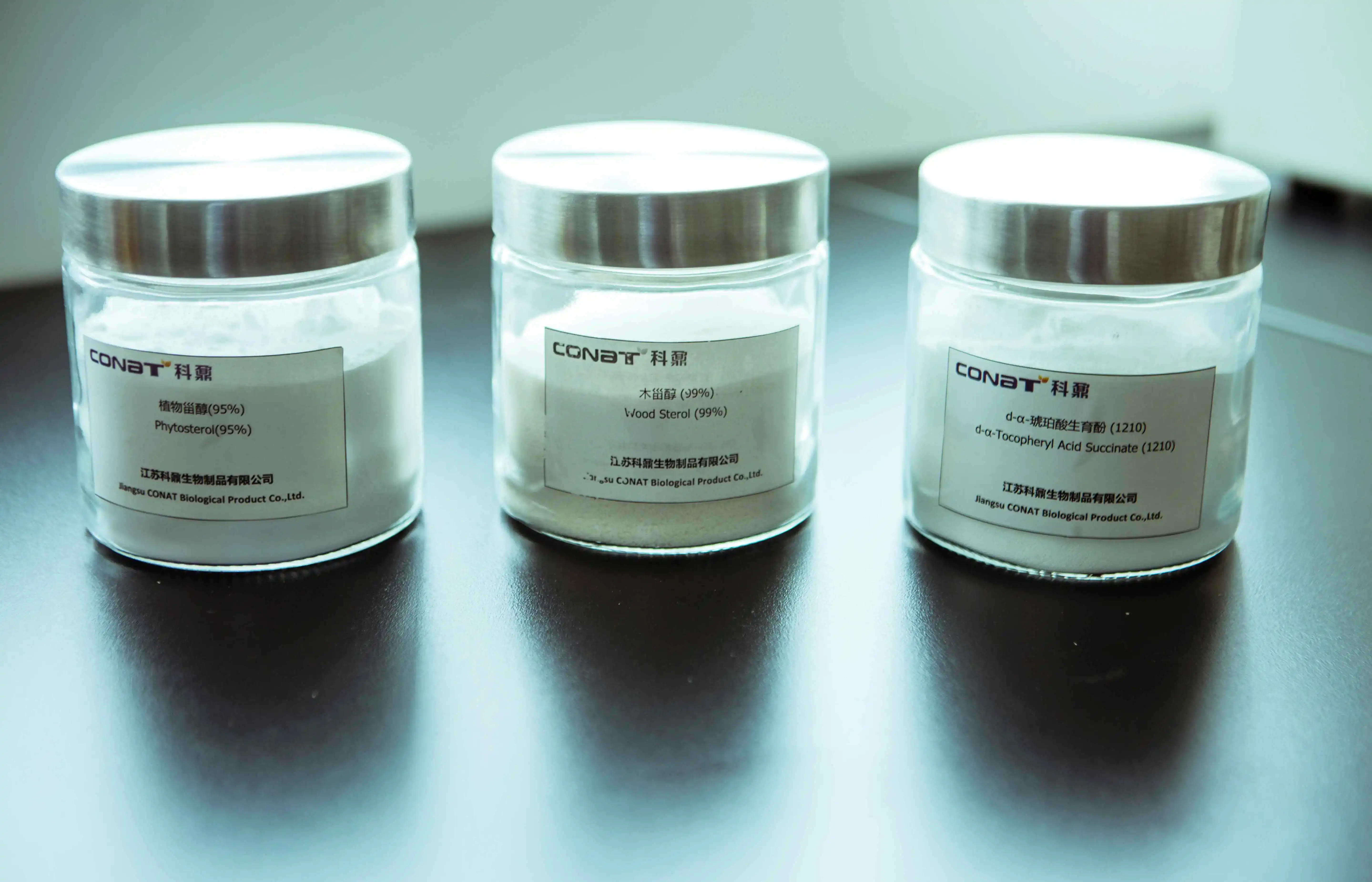
Purity Assessment and Quality Parameters of Glycine Soja Sterols
Quality standards for glycine soja (soybean) sterols need to cover a lot of different analytical areas to make sure that the products are always made the same way and that they follow the rules. When evaluating a supplier's skills, procurement teams should make sure that these important factors are checked thoroughly by keeping detailed records.
Total Phytosterol Content and Composition Ratios
For food use, high-quality glycine soja (soybean) sterols must have at least 90% total phytosterols. For drug use, they must have at least 95%. In addition to the overall content, the various sterol ratios need to be checked to see if they have been tampered with or processed incorrectly. If the beta-sitosterol/campesterol/stigmasterol ratios are off by more than 10%, it could mean that cheaper sources were used or the refinement process wasn't done properly.
Gas chromatography and flame ionisation detection are the usual methods for analysing compositions, and they can be accurate to within 2% of the relative standard deviation. Suppliers who keep their labs ISO 17025-certified have better quality control systems than facilities that only use vendor certificates of analysis.
Contaminant Thresholds and Heavy Metal Limits
In order to follow the rules, possible contaminants that are brought into farm production or handling must be strictly controlled. Heavy metals like mercury, arsenic, cadmium, and lead must stay below 10 parts per million (ppm), and no single element can be higher than 3 ppm. Screening for pesticide residues should include common treatments for soybeans and show levels below the highest limits set by countries that import soybeans.
For materials that were extracted with ethanol or hexane, residual liquid research is very important. Headspace gas chromatography tests show that limits for class 2 solvents must be less than 50 ppm. For pharmaceutical uses, controls need to be even tighter, with measurement limits often set below 10 ppm to meet good manufacturing practice standards.
Certification Standards and Traceability Documentation
Specifications for buying things should require more than one level of certification that checks the quality of the goods and the accuracy of the ingredients. ISO 9001 verifies the application of a quality management system, and ISO 22000 covers rules for food safety along the whole supply chain. For pharmaceutical uses, GMP certification is a must, showing that strict standards for processing and hygiene have been met.
More standards, like Kosher, Halal, and organic, make the market more accessible to a wider range of consumers. Third-party testing for non-GMOs meets rising demand for clean labels, especially in the North American supplement market. Full records that connect finished ingredients to the soybean lots that they came from are very helpful during government checks or customer audits.
Comparative Analysis: Glycine Soja Sterols vs Other Plant Sterols
When you know how different phytosterol sources work, you can choose ingredients that will help you reach your recipe goals and stay within your budget. There are a number of reasons why glycine soja (soybean) sterols may not be the best choice.
Efficacy Comparison Across Sterol Sources
Glycine soja (soybean) sterols lower cholesterol just as well as sterols from pine trees and veggie oils. In fact, clinical studies have shown that standard doses can lower LDL cholesterol by 8 to 15%. The exact mix of sterols affects how quickly and how they are used by the body, but there aren't many differences in how well ingredients work when they are made correctly and meet purity standards.
Bioavailability tests show that sterol esters are slightly better than free sterols, especially in food matrices that are high in fat. This technical difference is more important than the plant source when it comes to figuring out the real physiological effects. It helps formulation scientists make esterification decisions based on the needs of the application rather than the origin of the raw material.
Cost-Benefit Analysis for Industrial Procurement
Glycine soja (soybean) sterols are usually cheaper than those that come from speciality sources like pine or shea. This is because soybeans are grown in large quantities and can be processed on a large scale. Prices on the market right now range from $15 to $35 per kilogram, depending on the grade of purity, the need for certification, and the size of the order. This makes soybean sterols competitive with manufactured options while keeping the natural ingredient position that customers like.
Discounts for buying in bulk are available based on the number of tonnes, and long-term supply agreements offer even more ways to cut costs. Instead of just looking at ex-factory prices, buyers should look at the total provided cost, which includes certifications, tests, and paperwork. It's common for hidden costs caused by poor seller quality systems or unreliable supply chains to be higher than the savings made from cheap sources at first.
Production Method Impact on Sustainability Profiles
Using supercritical CO2 for green extraction technologies is in line with companies' commitments to sustainability and improves technical performance. These methods get rid of dangerous solvent waste, use 20–30% less energy than traditional methods, and help reach carbon neutrality goals with closed-loop systems. Promoting sustainable food sources can help brands that care about the environment, especially with environmentally conscious customers.
When suppliers put money into renewable energy, reducing trash, and lifecycle assessment paperwork, it helps final product names stand out. As companies respond to stakeholder demands about environmental stewardship throughout supply lines, these sustainability badges become more important in purchasing decisions.
Procurement Guide: Best Practices for Buying Glycine Soja Sterols in Bulk
Quality control, following the rules, a reliable supply chain, and lowering costs are all important parts of good buying strategies that work across foreign markets. The following approach helps people who work in buying make important decisions regarding glycine soja (soybean) sterols.
Supplier Evaluation and Qualification Criteria
Facility audits are the first step in a thorough supplier assessment. They check for GMP compliance, quality control infrastructure, and technical capabilities. Site visits show more about the organization's skills, production scale, and equipment condition than what is written down. Asking established brands in your industry for customer references can give you useful information about how reliable a supplier is and how they handle problems.
A manufacturing capacity review makes sure that providers can keep up with rising demand without lowering quality or missing delivery dates. Supply problems can be avoided by having backup production or strategic inventory places. This is especially important when it comes to global transportation issues. Checking a seller's financial health with business credit reports lowers the chance that an insolvent supplier will delay or cancel an order.
Pricing Structures and Minimum Order Considerations
The market prices are based on the quality grades, with basic grades having a 90% phytosterol content and medicinal grades with a 95% or higher content adding 30 to 50 percent more. Usually, volume tiers break at 500 kg, 1,000 kg, and 5,000 kg, with 5–10% more discounts at each level. For spot purchases, the minimum order quantity is usually between 100 and 250 kg, but if you have a good relationship with the seller, they may be able to handle smaller amounts at a different price.
Service premiums for contract manufacturing agreements that offer formulation support, private labelling, or custom purification specifications range from 10 to 25 percent, depending on how complicated the agreement is. Most of the time, these extra services are worth the extra money because they speed up time-to-market and free up internal development resources for new brands or line additions.
Logistics and Regulatory Compliance for International Shipments
The paperwork needed to import goods varies a lot from one place to another, so it's important to work together with customs brokers and regulatory consultants. The US needs you to file a Prior Notice with the FDA, get a Certificate of Analysis, and maybe even follow the FSVP rules, based on your supplier approval status. Harmonised System codes must correctly show how a product is classified so that customs delays and wrong tax estimates don't happen.
For first orders, the lead time is usually between 6 and 8 weeks, which includes planning production, quality testing, export paperwork, ocean freight, and clearing customs. Once you have a relationship with a supplier, the time between orders drops to 4 to 6 weeks because of better planning coordination. Air freight options cut delivery times to 10-14 days, but they cost three to five times as much as ocean freight. They are only used for urgent needs or high-value pharmaceutical ingredients.
Future Trends and Innovation in Glycine Soja Sterols Supply and Applications
The glycine soja (soybean) sterols market is still changing because of new technologies, changes in regulations, and more ways to use these compounds. Procurement plans that look to the future take these new factors into account.
Advances in Green Chemistry and Extraction Technology
Next-generation extraction platforms that combine enzymatic pre-treatment with supercritical fluid systems claim to increase yields by 15–20% while also leaving smaller environmental footprints. These combined methods keep the processing conditions gentle so that heat-sensitive chemicals are kept safe. This improves the antioxidant activity profiles that are valued in high-end supplement formulas.
New membrane filter technologies from the pharmaceutical industry make it possible for continuous cleaning systems to be used instead of batch crystallisation. By using automatic control systems to improve consistency and cut working time by 40–50%, these innovations will eventually lower production costs as they spread across the industry.
Expanding Clinical Research and Application Scope
Recent studies look into the benefits of glycine soja (soybean) sterols that go beyond their use in cardiovascular health. These studies look into how they can help the immune system, control inflammation, and manage metabolic syndrome. More and more proof backs up bigger health claims in many places, which creates new business possibilities in the functional food and medical nutrition categories.
When sterols are mixed with other ingredients that work well together, like omega-3 fatty acids, CoQ10, or red yeast rice, the results are better than when only one ingredient is used. Premium prices are charged for these synergistic formulas, which meet the needs of consumers for all-around health solutions and give new brands a chance to stand out.
Strategic Supplier Partnerships for Long-Term Supply Security
Market consolidation among producers shows how important it is to build trusting relationships with suppliers instead of just buying things when they're on sale. As a preferred customer, you get first choice when supplies are low, expert help when problems arise, and early access to new ingredients or processing methods.
Collaborations, like joint development agreements or exclusive supply agreements, give businesses a competitive edge by letting them make special specifications, protect their intellectual property, and set lower prices. These strategic partnerships need effort from both sides, but they provide a lot of value by bringing together people with similar goals and interests.
Conclusion
To find pure glycine soja (soybean) sterols, you have to do a lot of research, including figuring out what the ingredients are, making sure the quality is good, making sure the supplier is qualified, and planning the logistics of the supply chain. When making these tough choices, procurement professionals need to have a deep technical understanding of purity parameters, extraction methods, and application-specific needs for dietary supplements, functional foods, and pharmaceutical formulations. When looking for ingredients, it's important to weigh short-term cost concerns against long-term supply reliability, regulatory compliance, and the technical support skills that set premium suppliers apart from commodity providers. As markets grow and different uses for phytosterol ingredients are found, smart supplier relationships become more important for staying competitive and making sure that high-quality ingredients are always available.
FAQ
1. What purity level should I specify for supplement formulations?
For cost-effective performance, dietary supplements usually need at least 90% total phytosterol content. For top positioning, 95% pharmaceutical-grade ingredients may be enough. The choice is based on what the label says, the type of customers you want to reach, and how you place your goods in the market.
2. Are there safety concerns with soybean-derived sterols?
It has been shown in clinical studies to be very safe at doses up to 3 grams per day, and regulatory bodies around the world agree that it can be used safely in foods and supplements. People who are allergic to certain types of soy should be careful, but sterol processing gets rid of the allergenic proteins that cause most responses.
3. How do soybean sterols compare to beta-sitosterol supplements?
Beta-sitosterol is the main active ingredient in soybean sterol blends, making up 45–55 percent of the total amount. Whether you buy isolated beta-sitosterol or full phytosterol blends depends on how you want to make the product, but research shows that natural sterol blends that match the ratios found in botanical sources work best.
Partner with CONAT for Premium Glycine Soja (Soybean) Sterols Supply
Jiangsu CONAT Biological Products Co., Ltd. makes natural vitamin E products and high-purity phytosterols. They have state-of-the-art research facilities and a full quality testing system to back them up. Our technical team has decades of experience in production management, which makes sure that the quality of each batch is the same. They also have full certification files that include ISO, GMP, Kosher, and Halal credentials, and they can make changes to meet a wide range of recipe needs. If you need pharmaceutical-grade purity for medical nutrition products or food-grade ingredients for functional beverage applications, CONAT can help you get what you need reliably and with all the paperwork you need to make sure you're following the rules. As a well-known company that makes glycine soja (soybean) sterols, we know how important it is for your product's success that the ingredients are pure, stable, and easy to track. Get in touch with our team at sales@conat.cn to talk about your specific needs, get technical specifications, and get competitive prices for your next production cycle.
References
1. Ostlund RE. Phytosterols in human nutrition. Annual Review of Nutrition. 2002;22:533-549.
2. Moreau RA, Whitaker BD, Hicks KB. Phytosterols, phytostanols, and their conjugates in foods: structural diversity, quantitative analysis, and health-promoting uses. Progress in Lipid Research. 2002;41(6):457-500.
3. Piironen V, Lindsay DG, Miettinen TA, Toivo J, Lampi AM. Plant sterols: biosynthesis, biological function and their importance to human nutrition. Journal of the Science of Food and Agriculture. 2000;80(7):939-966.
4. Marangoni F, Poli A. Phytosterols and cardiovascular health. Pharmacological Research. 2010;61(3):193-199.
5. Fernandes P, Cabral JMS. Phytosterols: applications and recovery methods. Bioresource Technology. 2007;98(12):2335-2350.
6. Bradford PG, Awad AB. Phytosterols as anticancer compounds. Molecular Nutrition & Food Research. 2007;51(2):161-170.
YOU MAY LIKE