
Glycine Soja (Soybean) Sterols Function in Lipid Systems
Glycine soja (soybean) sterols are important biological substances in lipid systems. They play many important roles in keeping emulsions stable, improving membrane integrity, and changing the make-up of lipids. Because they come from wild soybean plants, these glycine soja (soybean) sterols have special building blocks that let them mix easily with lipids. This makes formulations more stable while still lowering cholesterol and protecting cells from damage in food, medicine, and nutraceutical uses.
Understanding Glycine Soja Sterols and Their Role in Lipid Systems
Learn about glycine soja (soybean) sterols and how they work in lipid systems.
Chemical Structure and Classification
Glycine soja (soybean) sterols are a special type of lipid molecule. They have a four-ring steroid structure with hydroxyl groups that make them stand out. Unlike sterols that come from animals, these phytosterols have unique chemical arrangements that make them work better in complex lipid environments. Beta-sitosterol, campesterol, and stigmasterol are the main molecules. Each one gives formulation systems different traits.
Molecular Interaction with Lipid Membranes
Glycine soja (soybean) sterols are part of lipid systems and work directly with membrane structures to change how fluid and permeable they are. This joining happens because sterol ring structures and fatty acid chains don't like water, and hydroxyl groups line up with phospholipid head groups. The structure is stronger and more resistant to oxidative breakdown because of the way the membranes are organized. This solves important stability issues for R&D teams working on long-lasting goods.
Functional Benefits in Formulation Systems
When glycine soja (soybean) sterols are added to lipid-based products, the stability of the emulsion gets better, the rate of lipid breakdown slows down, and fat-soluble compounds are more bioavailable. There is clinical proof that these sterols compete with cholesterol for absorption in intestinal micelles. At daily doses of 1.5 to 3 grams, these sterols lower LDL cholesterol levels by 6 to 15%. This kind of information backs up recipe claims for heart health goods and meets the rules for structure-function statements in the US market.
Health Benefits and Efficacy of Glycine Soja Sterols
Cardiovascular Health Applications
Glycine soja (soybean) sterols have been recognized by the FDA for their ability to lower the chance of coronary heart disease. The process involves competitive blocking at the site of absorption in the intestine, where plant sterols selectively combine into mixed micelles and move dietary and biliary cholesterol out of the way. This process makes it less effective for the body to absorb cholesterol, which lowers the amount of LDL cholesterol in the blood. This clinically proven benefit is used by supplement brands and healthy food makers to set their goods apart in crowded markets.
Antioxidant Properties and Metabolic Support
In addition to lowering cholesterol, these glycine soja (soybean) sterols have a strong ability to remove free radicals from the body. The antioxidant activity comes from both the structure of the sterol and the tocopherols that were present when the sterol was extracted. Researchers have found that taking phytosterol supplements may help metabolic health by lowering oxidative stress. This may lead to better insulin sensitivity markers and lower levels of inflammatory biomarkers, but more research is needed to be sure.
Safety Profile and Dosage Considerations
There have been a lot of safety studies that show that glycine soja (soybean) sterols are well tolerated at the appropriate doses. Regulatory officials give something the 'Generally Recognized as Safe' (GRAS) label after doing a lot of research on its safety and using it safely for decades. When putting together legal paperwork for new products, quality assurance teams can use this well-established safety strategy to help them.
Comparison and Market Positioning of Glycine Soja Sterols
Structural Distinctions from Other Phytosterols
Beta-sitosterol is the most common plant sterol found in different sources, but glycine soja (soybean) sterols have a unique makeup that affects how well they work. Pine phytosterols have bigger amounts of some stanols, while phytosterols from soybeans have more even sterol distributions, with stable amounts of beta-sitosterol, campesterol, and stigmasterol. This compositional predictability is very important for formulation managers who need finished goods to be consistent from batch to batch.
Formulation Format Considerations
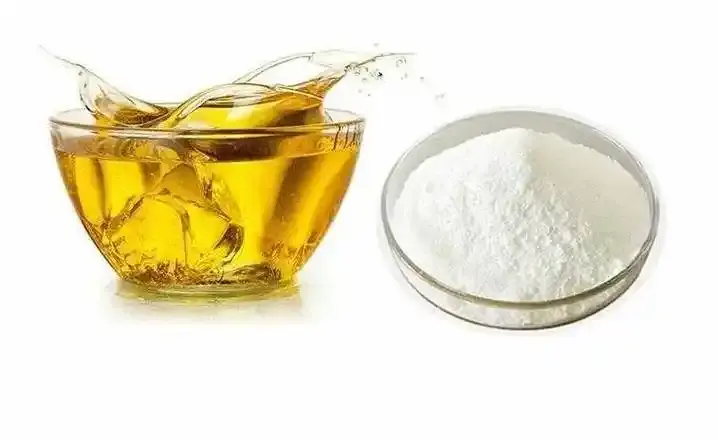
Glycine soja (soybean) sterols come in a number of different types, each of which is better for a specific use. For encapsulation in food supplements, crystalline powder forms offer increased effectiveness and long-term stability. Oil-dispersible mixtures make it easier to add them to functional drinks and dairy replacements that have been supplemented. When versions are esterified, they dissolve better in lipid structures, which makes them more bioavailable in some delivery methods. Technical leaders choose the right forms based on how the product will be processed, how much of it will be used, and what qualities are wanted in the final product.
Positioning Against Synthetic Alternatives
Natural glycine soja (soybean) sterols have their own place in the market compared to pharmaceutical statins. They help people who are looking for clean-label options or other ways to control their cholesterol. As people become more interested in organic products, nutrition companies can market glycine soja (soybean) sterols as high-quality actives that come from plants. This positioning works especially well with people who care about their health and are ready to spend money on preventative nutrition strategies instead of pharmaceutical treatments.
Procurement Guide for Glycine Soja Sterols in B2B Context
Critical Supplier Evaluation Criteria
When looking for high-quality glycine soja (soybean) sterols, procurement teams should give more weight to providers with strong quality control systems. Some important qualifications are ISO 9001 for managing quality, ISO 22000 for managing food safety, and GMP approval for pharmaceutical-grade uses. Kosher and Halal approvals help brands that are trying to reach certain groups of people get into more markets. In addition to licenses, manufacturers must also measure their ability to increase production to meet rising demand without lowering quality standards.
Quality Assurance and Testing Protocols
Glycine soja (soybean) sterol specifications and purity factors are confirmed by thorough laboratory testing. Gas chromatography analysis proves the profiles of sterol makeup, and peroxide value testing checks the safety against oxidation while the product is being stored. Products must meet strict safety standards by being screened for heavy metals, microbes, and leftover solvents. Formulation scientists can check for stability and find any quality differences before adding ingredients to production runs by asking for Certificates of Analysis (CoAs) for each batch.
Pricing Dynamics and Negotiation Strategies
The price of glycine soja (soybean) sterols on the market changes depending on how easy it is to get the raw materials, how well the extraction technology works, and how competitive the producers are. When you buy in bulk, the prices are usually 12–18% lower than when you buy in smaller amounts, but each seller has different minimum order requirements. Long-term supply arrangements keep prices stable and make sure that the product is distributed evenly during times of high demand. When discussing foreign purchases, import managers should add up the total landed cost, which includes shipping costs, insurance, customs taxes, and changes in the value of the currency.
Logistics and Regulatory Compliance
When buying glycine soja (soybean) sterols across borders, you have to pay close attention to the paperwork that is needed. Technical data sheets, safety data sheets, allergen statements, and country-of-origin papers should all be provided by suppliers. Importers from the U.S. can avoid customs delays by making sure they follow the FDA's rules on food plant registration and prior notice. When ingredients are properly packed in food-grade packages that are flushed with nitrogen, they stay fresh for longer amounts of time during shipping. Having distribution partners who know how to handle sensitive plant ingredients reduces the chance that quality will be lost along the supply chain.
Future Trends and Innovations in Glycine Soja Sterol Applications
Emerging Application Sectors
Innovation paths show that glycine soja (soybean) sterols can be used for more than just standard forms. Microencapsulated phytosterols are added by functional beverage makers to ready-to-drink cholesterol-lowering drinks. Sports nutrition companies are looking into mixing plant proteins with other ingredients to make more complete formulas that help the metabolism. Medical nutrition companies look into therapeutic uses for specialized clinical nutrition goods made for people who are at high risk for heart disease. As these uses change, it opens up possibilities for ingredient providers who can offer technical help and custom formulation solutions.
Technological Advancements in Extraction
Modern methods of extraction improve the yield, clarity, and long-term stability of glycine soja (soybean) sterols. Supercritical carbon dioxide extraction keeps heat-sensitive chemicals while leaving behind as few solvents as possible. Molecular distillation methods get purity levels higher than 95% total sterol content, which are required for pharmaceutical use. These process changes meet the needs of formulation managers who want better ingredient profiles and backup marketing claims that stress high manufacturing standards.
Regulatory Landscape and Market Growth
The health benefits of glycine soja (soybean) sterols are becoming more and more recognized by global governing systems, which helps the market grow. The European Food Safety Authority keeps health claims for plant sterols on the list of allowed substances, and Asian markets are working on similar rules. Analysts predict that the market will grow at a rate of 7–9 percent per year until 2028. This is because people are living longer, and more people are getting heart disease. This growth pattern shows that there will continue to be a need for dependable food sources that can meet the needs of growing production.
Conclusion
Glycine soja (soybean) sterols are flexible, scientifically proven ingredients that have a lot of value in lipid system uses. Their proven effectiveness in lowering cholesterol, along with their high safety ratings and clean-label appeal, makes them a smart choice for brands that want to stand out from the competition. To make a good purchase, you need to carefully evaluate suppliers, paying special attention to quality standards, analytical rigor, and the dependability of the supply chain. As new technologies keep improving purity and usefulness, formulation teams that are forward-thinking and add these plant actives to their product lines will be able to take advantage of growing market possibilities in the nutrition and health sectors.
FAQ
1. What are the optimal dosages for glycine soja sterols in supplements?
Clinical studies show that taking between 1.5 and 3.0 grams of glycine soja (soybean) sterols every day can effectively lower LDL cholesterol. Most food supplement formulas have between 800 mg and 1,300 mg per dose, which means that people can reach therapeutic levels by taking them twice a day. The best dose relies on the health claims that are being made, the serving size limits, and how the drug is mixed with other active ingredients.
2. How do soybean sterols differ from other plant sterol sources?
Glycine soja (soybean) sterols have uniform chemical patterns, with equal amounts of stigmasterol, campesterol, and beta-sitosterol. When compared to sources with different sterol ranges, this uniformity helps make formulations more reliable from batch to batch. The ways that byproducts of soybean oil are extracted also have environmental benefits and are cost-effective for large-scale production activities.
3. What quality indicators should procurement teams prioritize?
The main sign of quality for glycine soja (soybean) sterols is the total sterol level, which is usually higher than 90% for premium types. Some other criteria are peroxide levels below 5 meq/kg, heavy metal levels within legal limits, and bacteria counts that meet food-grade standards. Comprehensive quality assurance is provided by supplier paperwork that shows traceability from the source of the raw materials to the finished packaging.
Partner with CONAT for Premium Glycine Soja Sterol Supply
When it comes to making glycine soja (soybean) sterols, CONAT is a specialist company that can conduct studies, production, and quality testing. Our technical team is very skilled and has decades of experience making phytosterols. They give pharmaceutical-grade ingredients that meet the strictest quality standards. We keep all of our certifications up to date, such as ISO 9001, GMP, Kosher, and Halal, to make sure that our goods meet the different rules and regulations in different areas around the world. Our sourcing specialists offer quick technical help and fair pricing, no matter if your company needs large supplies for functional food fortification, high-purity actives for nutraceutical formulations, or custom specs for unique uses. Contact our team at sales@conat.cn to get samples, talk about your unique formulation needs, and find out how working with a dependable glycine soja (soybean) sterols provider can help you speed up the development of your products while ensuring consistent quality delivery.
References
1. Ostlund RE, Racette SB, Stenson WF. Inhibition of cholesterol absorption by phytosterol-replete wheat germ compared with phytosterol-depleted wheat germ. American Journal of Clinical Nutrition. 2003;77(6):1385-1389.
2. Moghadasian MH, Frohlich JJ. Effects of dietary phytosterols on cholesterol metabolism and atherosclerosis: clinical and experimental evidence. American Journal of Medicine. 1999;107(6):588-594.
3. Piironen V, Lindsay DG, Miettinen TA, Toivo J, Lampi AM. Plant sterols: biosynthesis, biological function and their importance to human nutrition. Journal of the Science of Food and Agriculture. 2000;80(7):939-966.
4. Normen L, Dutta P, Lia A, Andersson H. Soy sterol esters and beta-sitostanol ester as inhibitors of cholesterol absorption in human small bowel. American Journal of Clinical Nutrition. 2000;71(4):908-913.
5. Quilez J, Garcia-Lorda P, Salas-Salvado J. Potential uses and benefits of phytosterols in diet: present situation and future directions. Clinical Nutrition. 2003;22(4):343-351.
6. Trautwein EA, Duchateau GS, Lin Y, Mel'nikov SM, Molhuizen HO, Ntanios FY. Proposed mechanisms of cholesterol-lowering action of plant sterols. European Journal of Lipid Science and Technology. 2003;105(3-4):171-185.
YOU MAY LIKE