
Glycine Soja (Soybean) Sterols in Emulsions and Creams
Glycine soja (soybean) sterols are a new type of plant-based ingredient that is changing the way cosmetics and skin care products are made. These phytosterols work as emollients and stabilizers in emulsions and creams. They also protect against free radicals and help the skin's barrier. Instead of traditional cholesterol-based chemicals, soybean sterols have a clean label appeal and clinical effectiveness, which makes them appealing to companies making natural or bioactive skin care lines. As the need for eco-friendly, high-performing ingredients grows, these sterols become important parts for companies that want to make their formulas better and stand out in the market.
Introduction
Cosmetic and drug formulators are becoming more and more aware of Glycine soja (soybean) sterols as important biological ingredients that improve the performance and appeal of products. These plant sterols come from wild soybeans and have special chemical structures that make them more like skin lipids, which makes them easier to mix into emulsion systems. Their multipurpose profile solves several formulation problems at once: it improves texture, extends shelf life, and gives skin measured benefits through antioxidant activity.
It's getting harder for B2B procurement pros who have to make decisions about where to get ingredients to find a good mix between effectiveness, regulatory compliance, cost-effectiveness, and sustainability. Soybean sterols meet these needs by having benefits that have been shown in clinical trials, with good properties for manufacturing. Understanding how these ingredients work in emulsion matrices, how they compare to other sterols, and how to buy them in a practical way helps people make smart decisions that improve product lines and their place in the market.
This guide explains how soybean sterols work technically in skin products, contrasts them with other ingredients, talks about the best ways to buy them, and talks about the rules that govern their use. This resource gives you useful information for strategic sourcing and formulation development, whether you work for a supplement brand that wants to add topical uses, a functional beverage company that wants to make skin-healthy products, or an ingredient distributor that is looking into new supply partnerships.
Understanding Glycine Soja Sterols and Their Role in Emulsions and Creams
What Are Soybean Sterols?
Glycine soja (soybean) sterols are phytosterols that are complex fatty alcohols that are found naturally in the lipid part of wild soybeans. Although these substances are made of alcohol, they act like lipids instead of drying agents, providing moisturizing qualities and an emollient feel. Their chemical makeup is very similar to lipids found in human skin, especially cholesterol, which makes it easy for them to blend into the skin barrier lipid layers. This biomimetic quality makes it easier for ingredients to work with skin and for skin to accept them.
Functional Benefits in Topical Formulations
When soybean sterols are added to emulsions and creams, they have many useful effects. They work well as emollients, making skin feel smooth and non-greasy and making it easier to spread. Free radicals speed up the aging process, but these plants can fight them off with antioxidants like sitosterol and campesterol. Researchers have found that phytosterols help the barrier work better by strengthening the fatty structures between cells, lowering the loss of water through the epidermis, and increasing the body's ability to hold on to water.
The chemicals also help keep the mixture stable. Glycine soja (soybean) sterols improve the smoothness and thickness of an emulsion without using too many thickening agents. This lets formulators get the consistency they want with cleaner ingredient panels. By keeping lipid parts from breaking down due to oxygen, glycine soja (soybean) sterols can make products last longer, which means manmade stabilizers aren't needed.
Technical Properties for Formulators
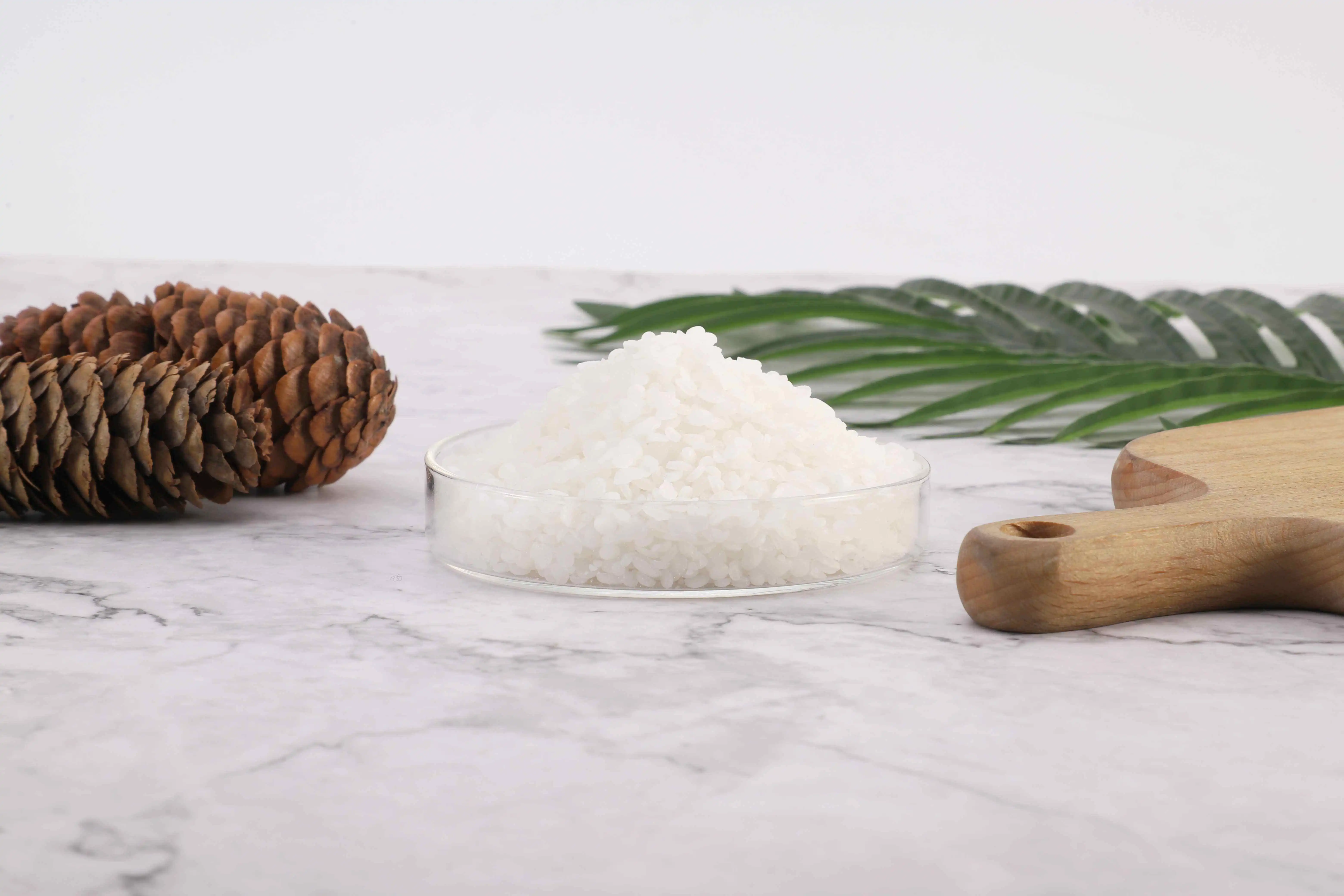
To get the most out of soybean sterols in emulsions, it's helpful to know about their physical and chemical properties. Because these sterols dissolve in oil, they need to be added during the oil step of emulsion preparation. They are usually off-white to light yellow powders that melt at 130°C to 140°C, so they need to be heated properly when they are being made. They can be mixed with different kinds of emulsions, like oil-in-water, water-in-oil, and multiple emulsions, which gives you more options for how to make your formulas.
Depending on the benefits that are wanted and the rules that apply, concentration amounts in finished goods usually fall between 0.5% and 3%. Lower concentrations provide basic moisturizing qualities, while higher concentrations increase the benefits of antioxidants and barrier support. Formulators have to find a balance between content and texture tastes, since too much can make skin feel heavy or waxy.
Comparing Glycine Soja Sterols with Other Plant Sterols for B2B Decision-Makers
Soybean Sterols versus Beta-Sitosterol
Beta-sitosterol is the most common plant sterol and can be found in many plants, such as corn, sunflowers, and soybeans. Glycine soja (soybean) sterols have a lot of beta-sitosterol in them, but they also have campesterol, stigmasterol, and other small sterols that work together to make them stronger. This complicated makeup often has more useful effects than beta-sitosterol alone. Soybean-derived sterols are often more cost-effective and stable in supply than single-compound extracts, which makes them a good choice for mass production.
Comparison with Sunflower and Rapeseed Sterols
Sunflower and rapeseed sterols are good options, but soybean sterols have unique benefits. Glycine soja sterols are very stable against oxidation, which is important for goods that need to last a long time. Their lighter color and gentler smell make it easier to make goods where sensory qualities are important. Soybean sterols are also good for the supply chain because they are consistently available at reasonable prices thanks to well-established global production networks.
Synthetic Alternatives and Natural Preferences
Some formulators think that manufactured cholesterol or cholesterol compounds could be used for the same reasons. But consumers are becoming more and more interested in plant-based products that they think are pure and sustainable. Soybean sterols meet the standards for clean looks and work as well as or better than synthetic options. Their plant origin backs up marketing claims about natural actives, giving brands a way to stand out in crowded markets.
The fact that soybean sterols are environmentally friendly makes them more appealing. As leftovers of processing soybean oil, they are good examples of using resources efficiently while having little effect on the environment. This makes them better than ingredients that need to be grown in special ways or extracted in complicated ways.
Procurement Insights: Buying Glycine Soja Sterols for Large-Scale Manufacturing
Supplier Assessment and Quality Assurance
A careful review of the supplier is the first step to successful procurement. Production capacity, quality control systems, and licensing portfolios are some of the most important things to think about. Suppliers who have ISO 9001, ISO 22000, and GMP licenses show that they are dedicated to controlling processes and making sure quality is consistent. Manufacturers of cosmetics should make sure that the companies they work with meet cosmetic-grade standards, such as purity levels that are usually higher than 90% total Glycine soja (soybean) sterol content.
Before you start working with a provider, you should ask for detailed technical documents. This should have microbiological test results, safety data sheets, allergen statements, and a Certificate of Analysis (COA) for the most current production runs. Check the supplier's analytical skills and quality control methods to make sure that there is stability from batch to batch. This is especially important for recipes that need exact ingredient performance.
Product Forms and Specifications
There are different kinds of glycine soja sterols, and each one has its own working properties. Powder forms are great for automatic manufacturing processes because they are easy to store and measure accurately. Some suppliers offer forms that are already spread in carrier oils or esters, which makes them easier to mix and cuts down on processing time. When choosing a product form, you should think about how it will be made, how it needs to be formulated, and how much it will cost.
Specification factors need to be looked at carefully. Total sterol level, which is usually between 90% and 95%, has a direct effect on how well an item works. Stability and shelf life are affected by the amount of moisture in a product. Powders should have lower levels of moisture. Specifications for color and smell make sure that all batches of a product have the same sensory experience. Talk to possible sellers about customization options. Some can change sterol profiles or particle size ranges to fit the needs of a certain formulation.
Pricing Strategies and Bulk Purchasing
Soybean sterols' prices change on the market depending on where soybean oil is sold, how much is produced, and the standard grade. Setting up long-term supply deals is often the best way to get good prices and make sure you always have a supply. Most of the time, volume agreements open tiered pricing structures, where larger purchases result in big price drops.
When you're discussing prices, you should think about more than just the unit price. Look at the wait times, payment terms, minimum order amounts, and shipping costs. Some providers charge more because they give extra services like technical support, help with formulation, or legal advice that is thought to be valuable. It's often better for your business in the long run to form strategic relationships with providers who understand what it needs than to make decisions based only on price.
Formulating Emulsions and Creams with Glycine Soja Sterols: Best Practices
Optimal Incorporation Techniques
To make a product work with Glycine soja (soybean) sterols, you need to pay attention to the processing factors. The ingredients should be added while the oil phase is being prepared and cooked to the right temperatures to make sure they dissolve completely. Processing temperatures usually fall between 70°C and 80°C, which is hot enough to melt sterols without breaking down parts that are sensitive to heat. Keep the cooking time to the bare minimum, as sterols may lose their effectiveness after being exposed to high temperatures for a long time.
The homogenization settings have a big effect on the texture and stability of the end product. After emulsification, the cream stays mixed while it slowly cools down. This keeps the sterols from recrystallizing and makes sure they are spread out evenly in the cream. Some formulators use post-emulsification processing methods, like adding sterols while the mixture is cooling at temperatures between 40°C and 50°C, to protect thermolabile actives while keeping the structure of the emulsion.
Synergistic Ingredient Combinations
Combining soybean sterols, including glycine soja (soybean) sterols, with ingredients that work well together improves the performance of the whole product. Fatty acids, especially oleic and linoleic acid, which are found naturally in soybean oil, work together to protect the skin layer. Ceramides and sterols work together to mimic the natural lipid balance of the skin, which increases the benefits of barrier repair. Combinations of antioxidants, like vitamin E or tocopherols, protect against free radicals and keep the fatty part of the emulsion stable.
Emulsifier choice affects how well sterols are spread out and how stable the emulsion is. Non-ionic emulsifiers, such as cetearyl glucoside or glyceryl stearate, work very well with soybean sterols. These methods make emulsions that are stable, good for the skin, and have nice texture qualities. During processing, don't use conditions that are too acidic or too basic, because these extreme pH levels can change how stable and effective sterols are.
Performance Optimization and Testing
To make sure a product works, formulators should try its stability in a variety of settings. Studies of accelerated aging at high temperatures show that there may be changes in separation, color, or structure. Freeze-thaw cycling tests check how well the structure holds up when the temperature changes during shipping and storage. Microbiological challenge tests show that the preservation method works well for sterol-containing formulas.
Studies of how ingredients work in finished goods, either clinical or market perception studies, back this up. Some things to look at are the amount of moisturization, the smoothness of the skin, markers of antioxidant activity, and readings of the barrier function. Proof of these benefits backs up marketing claims and product labeling. This is especially helpful for brands that focus on bioactive or clinically proven ingredients.
Conclusion
Glycine soja (soybean) sterols are important ingredients for companies that want to make high-performance emulsions and creams that meet the needs of current customers who want clean, effective products. Their biomimetic structure, ability to serve multiple purposes, and good manufacturing properties make them better options than manufactured ingredients or plant sterols that aren't as flexible. For procurement to go well, suppliers must be carefully screened, quality assurance methods must be followed, and users must be aware of the rules that guide their use.
Soybean sterols are useful for formulators because they work with a variety of emulsions, help keep products stable, and have been shown to be good for the skin in clinical studies. As the need for bioactive, clean-label chemicals keeps rising, ingredients like glycine soja sterols will become more important in formulation plans. When B2B buying pros learn how to find and use these ingredients, their products perform better, and they are better positioned in the market, giving them a competitive edge.
FAQ
1. What is the typical shelf life of glycine soja sterols in powder form?
Soybean sterol powders stay stable for 24 to 36 months if they are kept in the right way, away from direct light and moisture in cool, dry places. When packages are sealed, oxygen and water can't get inside and ruin the quality. Because of how they make and package their products, suppliers usually give specific keeping instructions and expiration dates.
2. Can soybean sterols be used in both natural and man-made slurry systems?
Of course. A lot of different kinds of emulsifiers work well with Glycine soja (soybean) sterols. These include natural emulsifiers like lecithin and man-made emulsifiers like polysorbates or PEG derivatives. Because they are so flexible, formulators can use them in a wide range of goods, from approved organic creams to high-performance synthetic formulations, based on the needs of the brand and the market.
3. How do glycine soja sterols compare to cholesterol in emulsion formulations?
Even though they both play similar roles in emulsions, soybean sterols are better in some ways. They have similar moisturizing and emulsion-stabilizing effects, but they are better at fighting free radicals. Because they come from plants, they are good for clean labels and don't have any worries about ingredients that come from animals. In terms of performance, they are the same as or better than cholesterol in most cosmetic uses, and marketing claims about natural and sustainable sources make them sound better.
Partner with CONAT for Premium Glycine Soja Sterol Supply.
We at Jiangsu CONAT Biological Products Co., Ltd. make high-purity Glycine soja (soybean) sterols that are made to work well in complex emulsion and cream recipes. Our specialized production facilities, full range of quality testing tools, and skilled technical teams make sure that each batch meets the strict standards for cosmetics and medicines. We keep all of our ISO 9001, ISO 22000, GMP, kosher, and halal standards up-to-date so we can give your buying teams the paperwork and help they need to stay in line.
Because we are a committed phytosterol maker with decades of experience, we know exactly what needs to be done for formulations to work. In addition to providing ingredients, our expert support includes formulating advice, stability suggestions, and legal help that is tailored to the needs of your market. Our low prices and flexible supply options help businesses at every stage, whether they need small development batches or big production amounts.
We want people who are in charge of research and development, creation, and purchasing to try CONAT and see the difference. You can email our team at sales@conat.cn to get full product specs, technical data sheets, or test samples. Find out how working with a specialized glycine soja sterol provider can help you improve your recipe skills and shorten the time it takes to make new products.
References
1. Cosmetic Ingredient Review Expert Panel. (2021). Safety Assessment of Plant-Derived Fatty Acid Sterols as Used in Cosmetics. International Journal of Toxicology, 40(3), 5S-24S.
2. Thornfeldt, C. (2018). Phytosterols in Dermatological Applications: Mechanisms and Clinical Evidence. Journal of Cosmetic Dermatology, 17(4), 442-451.
3. Winkler, J. & Ghosh, S. (2020). Plant Sterols as Functional Ingredients in Emulsion Systems. Food Structure and Functionality, 15(2), 89-103.
4. Reynolds, T. & Mathews, A. (2019). Comparative Analysis of Botanical Sterol Sources for Cosmetic Formulations. International Journal of Cosmetic Science, 41(5), 523-534.
5. Patterson, M. et al. (2022). Regulatory Considerations for Phytosterol Ingredients in Personal Care Products. Cosmetics and Toiletries Manufacturing Worldwide, 28(1), 67-75.
6. Kim, S. & Lee, H. (2020). Stability and Efficacy of Soybean-Derived Sterols in Topical Emulsion Formulations. Journal of Applied Cosmetology, 38(3), 201-215.
YOU MAY LIKE