
Glycine Soja (Soybean) Sterols in Nutraceutical Applications
Glycine soja (soybean) sterols are a powerful group of compounds that come from plants and are changing the nutraceutical industry. These phytosterols, which come from wild soybeans, have been shown in clinical studies to lower cholesterol. They can also be used as a flexible ingredient in dietary supplements, functional foods, and medicines. As the need for clean-label, science-backed heart health products grows, it's important for R&D directors, procurement teams, and product developers who want to stand out in health-focused markets to understand the composition, sourcing issues, and formulation strategies for Glycine soja (soybean) sterols.
Understanding Glycine Soja Sterols: Composition, Benefits, and Health Effects
Chemical Structure and Nutritional Profile
Glycine soja (soybean) sterols are mostly made up of β-sitosterol, campesterol, and stigmasterol. They are chemically similar to cholesterol but come only from plants. Because these compounds have similar molecular structures, they can compete with dietary cholesterol when absorbed in the intestines. This lowers LDL cholesterol levels by 8–15% when taken in therapeutic doses. Unlike sterols that come from animals, Glycine soja (soybean) sterols have extra antioxidant qualities thanks to naturally occurring vitamin E molecules. This gives the heart two ways to protect itself, which is appealing to people who are making heart health goods.
Because these sterols are made up of fatty alcohols, they are lipophilic. This makes them perfect for oil-based formulations because they stay stable during processing. According to research, their bioavailability goes up a lot when they are mixed with food fats. This is an important thing to think about when designing capsules and delivery systems.
Cardiovascular and Metabolic Benefits
Clinical studies show that taking 1.5 to 3 grams of Glycine soja (soybean) sterols every day can help people lower their cholesterol. This body of proof backs up FDA-approved health claims and similar governmental recognitions around the world. This gives brands that use these ingredients marketing benefits. New research shows that they may help with more than just lowering cholesterol. They may also help with managing inflammatory markers and oxidative stress, which means they can be used for more than just heart health.
The antioxidant power comes from both the sterol molecules and the tocopherols that are naturally found in soybean extracts. This mixture works well together to protect cell membranes from damage caused by free radicals and improve metabolic health overall. This is a great value for formulators who want to reach older people and people who care about their health.
Safety Profile and Recommended Intake
Safety limits have been set by regulatory bodies like the FDA and EFSA based on decades of data on how much food people eat. Daily doses up to 3 grams are well tolerated and cause few side effects. Mild stomach pain happens very rarely and usually only when doses are higher than what is recommended. It is important to note that at therapeutic doses, Glycine soja (soybean) sterols do not stop the absorption of fat-soluble vitamins. However, as a safety measure, some manufacturers add vitamins A, D, E, and K to their products on their own.
These set safety parameters make it easier for B2B buyers who are formulating glycine soja (soybean) sterol goods to send them to regulators and for consumers to talk to them. The ingredient's GRAS status in several places makes it easier to get into the market and easier to follow the rules, compared to new bioactive compounds that need a lot of safety paperwork.
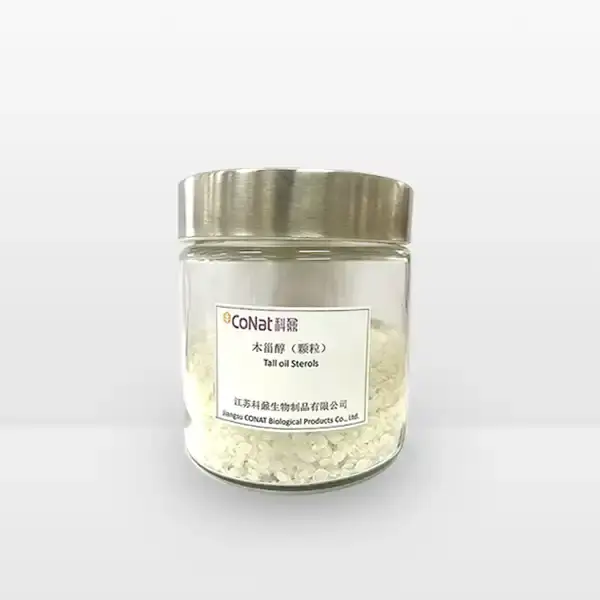
Comparing Glycine Soja Sterols with Other Plant Sterols and Nutraceutical Options
Soybean Sterols versus Alternative Sources
Although phytosterols can be found in many plants, such as corn, rapeseed, and pine trees, Glycine soja (soybean) sterols have specific benefits. Their sterol profile is very similar to that of rapeseed and tall oil sterols, but they are more environmentally friendly and have better supply chains. Brazil nuts and walnuts naturally have high amounts of sterols, but it is not possible to get these sterols from other sources on a large scale.
Beta-sitosterol pills, which are often sold as separate ingredients, are only one part of the full sterol complex that can be found in Glycine soja (soybean) sterols. Full-spectrum Glycine soja (soybean) sterols have the balanced makeup that has been shown to work best in clinical studies. This gives formulators ingredient choices that are based on evidence and match what the label says and what customers expect.
Natural versus Synthetic Phytosterols
The market for nutraceuticals is favoring naturally sourced ingredients over synthetic ones more and more. Glycine soja (soybean) sterols that are extracted through physical refining processes keep their natural sterol ester forms and bioactive chemicals that are linked to them. This makes the labels cleaner, which appeals to health-conscious customers. Even though synthetic production methods are technically possible, they raise concerns about purity, residual solvents, and how well they fit with the "natural product" positioning. These concerns can make marketing more difficult and could limit market acceptance.
Regulatory landscapes are also becoming clearer about the difference between natural and synthetic sources. For example, some places have stricter approval requirements for compounds that are made in a lab. Because of this, naturally produced Glycine soja (soybean) sterols are a smart choice for brands that want to sell their products in other countries.
Commercial Forms and Application Suitability
Glycine soja (soybean) sterols are sold in three main forms, each of which is best for a different purpose:
- Powder forms are very stable and easy to work with when making tablets and capsules. These smooth powders usually have 90 to 95% total sterols, which lets you use concentrated doses that keep per-unit costs low. When making supplements, the powder format works well with dry blending processes. However, it's important to pay close attention to the particle size distribution to make sure that the dissolution rates are always the same.
- Oil dispersions keep sterols in their naturally esterified state, which could make some versions more bioavailable. These liquid forms work great for putting active ingredients into softgels and using them in drinks that need oil-soluble ingredients. Because it is flexible, it is easier to work with when making a lot of it, and the full phytochemical profile of crude soybean oil is kept.
- Micronized and nano-dispersed preparations are new ways to deliver substances that make it easier for water to mix with functional drinks. These unique formats cost more, but they are more stable in pH-sensitive areas and allow for clear beverage solutions, which is a growing trend in functional drink categories.
By knowing about these changes in formats, procurement teams can match the needs of glycine soja (soybean) sterol ingredients with the manufacturing skills and requirements of the finished product. This improves both cost-effectiveness and product performance.
Sourcing and Procurement of Glycine Soja Sterols for Nutraceutical Manufacturing
Quality Assurance and Certification Requirements
To find a trustworthy Glycine soja (soybean) sterols provider, you need to carefully check their quality control systems. ISO 9001 certification shows a dedication to uniform production practices, and ISO 22000 certification covers food safety management in detail. Both are necessary for ingredients that will be eaten by people. GMP compliance is now a must for pharmaceutical applications and is becoming more and more expected for ingredients in dietary supplements as well. This is because quality standards are rising across the board.
Certificates of Analysis must show that the sterol content was measured using approved techniques, usually gas chromatography, and that the total phytosterol concentration and individual sterol profiles were confirmed. Heavy metals, chemical residues, and microbial contamination should all be checked for during impurity tests, and the results should meet or beat USP, EP, or appropriate pharmacopeial standards. Brands that cater to religiously strict customers can get into more markets with Kosher and Halal certifications, which are useful ways to stand out in competitive markets.
Batch-to-batch uniformity becomes a very important issue for formulators who are making health-claim goods. When suppliers show tight standard variations across multiple production lots, formulation variables are reduced and risks of reformulation during scale-up are kept to a minimum.
Market Landscape and Supplier Evaluation
The global Glycine soja (soybean) sterols market is mostly concentrated in places that already have a good system for processing oilseeds. Chinese makers have become the main providers, thanks to their closeness to soybean farms and decades of work on improving extraction technology. European suppliers keep their strong positions by being able to do advanced purification and having long-term relationships with pharmaceutical clients who need the highest purity grades.
The prices are based on the amount of quality, the number of certifications, and the number of orders. Bulk commodity-grade sterols usually have moderate to competitive prices per kilogram. On the other hand, pharmaceutical-grade materials that come with a lot of paperwork cost more because they have to go through more testing and quality control. Different suppliers have very different minimum order numbers. Some will accept small amounts for study purposes, while others will only work with commitments of several tonnes for large-scale production.
To figure out how stable a provider is, you have to look at their production capacity, financial health, and the number of backups in their supply chain. Dependencies on a single source make you vulnerable to disruptions. For critical ingredients, it is smart to diversify your suppliers or choose manufacturers with multiple production facilities.
Private Label and OEM Manufacturing Solutions
A lot of Glycine soja (soybean) sterol sellers do more than just sell raw materials; they also make finished products. These agreements help brands that don't have their own production centers or formulation experts. OEM deals let you choose your own mixes, custom dosage forms, and branded packages, and they let you use the manufacturer's technical know-how and experience with regulations.
Quality control protocols in OEM relationships should mirror or exceed standards applied to raw material procurement. Specifications, testing protocols, and documentation requirements for glycine soja (soybean) sterols must be spelled out in detail in technical agreements that protect brand integrity and ensure regulatory compliance. Being open about where ingredients come from, especially for companies that use more than one sterol source, stops quality changes that could affect how consistently the product is made.
Conclusion
Scientists have proven that Glycine soja (soybean) sterols are good for your heart. This meets the growing demand for natural health solutions that work. Because they are known to be safe, are approved by regulators, and can be used in a variety of ways, they are important ingredients for nutrition brands that are trying to reach heart health consumers. To integrate well, you need to know the subtleties of the makeup, know how to use source selection criteria, and use formulation methods that maximize bioavailability and longevity. Companies that put quality control, certification verification, and long-term supply relationships at the top of their list of priorities will be able to take advantage of the growing phytosterol market and build customer trust with consistent, effective goods that are backed by clinical proof.
FAQ
1. What dosage of soybean sterols effectively manages cholesterol levels?
Clinical studies show that eating between 1.5 and 3 grams of Glycine soja (soybean) sterols every day lowers LDL cholesterol by a large amount. Most commercial supplements have between 800 and 1,200 milligrams per serving. To get the most therapeutic benefits, you should take two doses a day with fat-containing meals. Functional foods usually only give you 0.4 to 1 gram per serving, so you'll need to eat several doses every day to get the right amount of nutrients.
2. How do soybean sterols compare with sterols from other plant sources?
Glycine soja (soybean) sterols that come from soybeans work just as well as sterols that come from pine trees, rapeseed, or corn. Different sources have slightly different sterol compositions, but β-sitosterol is still the main part of all plant sterols. For commercial uses, Glycine soja (soybean) sterols are a good choice because they have a reliable supply chain, reasonable prices, and a lot of safety information.
3. Are there safety concerns with long-term phytosterol consumption?
Decades of data on consumption and clinical studies show that plant sterols are very safe in the suggested doses. Based on thorough toxicological assessments, regulatory agencies around the world have given their approval for use. People with rare genetic conditions that affect the metabolism of plant sterols should talk to their doctors, but these conditions only affect a small group of people and don't have any effects on general market applications.
Partner with CONAT for Premium Phytosterol Solutions
In the competitive nutritional market, products that have good ingredients are more likely to do well. Jiangsu CONAT Biological Products Co., Ltd. is an expert in making pharmaceutical-grade Glycine soja (soybean) sterols. We have a full quality system that includes ISO 9001, ISO 22000, GMP, Kosher, and Halal certificates. Our ability to process raw materials all the way through to the final step of purification guarantees the high level of batch consistency and traceability that procurement teams need.
Modern testing labs are kept up and running by experienced analytical chemists who make sure that every batch of products meets strict requirements. Our technical team works closely with your R&D department to make sure that formulations are stable and bioavailable, whether you need bulk phytosterol powder, customized sterol esters, or full OEM supplement manufacturing.
As a top provider of Glycine soja (soybean) sterols, we know that trustworthy business partnerships are about more than just low prices. Our inventory management systems let you change the number of items you order at any time, and they also make sure that growing brands always have enough supplies. Email our team at sales@conat.cn to talk about your unique needs, ask for detailed documentation, or set up a sample review. Find out how working with a skilled phytosterol producer can help your products do better and help you succeed faster in the market.
References
1. Jones PJ, AbuMweis SS. Phytosterols as functional food ingredients: linkages to cardiovascular disease and cancer. Current Opinion in Clinical Nutrition & Metabolic Care. 2009;12(2):147-151.
2. Ostlund RE. Phytosterols in human nutrition. Annual Review of Nutrition. 2002;22:533-549.
3. Gylling H, Plat J, Turley S, et al. Plant sterols and plant stanols in the management of dyslipidaemia and prevention of cardiovascular disease. Atherosclerosis. 2014;232(2):346-360.
4. Moreau RA, Whitaker BD, Hicks KB. Phytosterols, phytostanols, and their conjugates in foods: structural diversity, quantitative analysis, and health-promoting uses. Progress in Lipid Research. 2002;41(6):457-500.
5. Trautwein EA, Vermeer MA, Hiemstra H, Ras RT. LDL-cholesterol lowering of plant sterols and stanols—which factors influence their efficacy? Nutrients. 2018;10(9):1262.
6. Abumweis SS, Barake R, Jones PJ. Plant sterols/stanols as cholesterol lowering agents: A meta-analysis of randomized controlled trials. Food & Nutrition Research. 2008;52:10.3402/fnr.v52i0.1811.
YOU MAY LIKE