
Glycine Soja Sterols in Luxury Skincare: Worth the Cost?
Glycine soja sterols always catch my eye as an exciting new ingredient in high-end skin care products because they are a high-quality phytosterol with strong scientific support. These plant-based sterols come from wild soybean plants and work as advanced moisturisers and antioxidants to treat a number of skin problems at once. Unlike sterols that come from animals, Glycine soja sterols have a clean label appeal and measurable performance benefits that today's smart customers like. The independent Cosmetic Ingredient Review panel has said that these ingredients are safe for use in cosmetics right now. This gives manufacturers regulatory confidence as they enter new markets. As the demand for botanical actives grows in both North America and other countries, it's important to know what these sterols are good for in order to set your brand apart and build trust with customers in high-end formulation categories.
Understanding Glycine Soja Sterols: Composition and Benefits
What Makes Soybean Sterols Unique?
Glycine soja sterols are a complicated mix of fatty alcohols that come from plants, mostly beta-sitosterol, campesterol, and stigmasterol. Even though these chemicals are called alcohols, they act like lipids instead of drying alcohols, which means they moisturise and strengthen the skin barrier. Biochemists put them in the lipid family because they are moisturising and can easily blend into the lipid layers of the stratum corneum. Wild soybean seeds are mechanically pressed, and then molecular distillation and crystallisation are used to concentrate the sterol content to levels above 95% purity that are suitable for medicinal use. This thorough cleaning process separates high-quality phytosterol mixes from cheaper ones that might still have proteins or fatty acids that have been oxidised in them.
Biochemical Performance in Topical Applications
Because of how their molecules are structured, Glycine soja sterols can act like natural skin lipids, which makes them easier to absorb and helps repair the barrier. Beta-sitosterol is especially good at stopping transepidermal water loss, which is a key part of keeping skin moist when it's exposed to environmental stress. According to research, phytosterols can change inflammation pathways by stopping the production of prostaglandins. This can help reduce redness and sensitivity that can be seen. Their antioxidant power comes from being able to fight off free radicals that are made by UV light and pollution. This keeps cell membranes from breaking down due to oxidation. Because they work together with tocopherols (vitamin E), Glycine soja sterols have stronger antioxidant effects that make cosmetics last longer and protect the skin better. Because they can do more than one thing, they are being used more and more in high-performance anti-ageing and protective skin care systems.
Safety Profile and Regulatory Standing
A lot of tests by dermatologists have shown that Glycine soja sterols don't irritate different kinds of skin, even skin that is sensitive or already has problems. Long-term exposure data were looked at by the Cosmetic Ingredient Review, which came to the conclusion that these sterols are safe to use in cosmetics at up to 2% by weight. Their natural source and structural resemblance to endogenous skin lipids reduce allergic reactions, which is better than manufactured options that might cause immune reactions. Following ISO 22716 Good Manufacturing Practices in factories ensures that each batch is the same and that contaminants are kept under control. This is very important for brands that are making premium product lines because it protects quality. Support regulatory applications for global markets with documentation packages that include Certificates of Analysis, allergen statements, and stability testing data. This speeds up the approval process for international distribution.
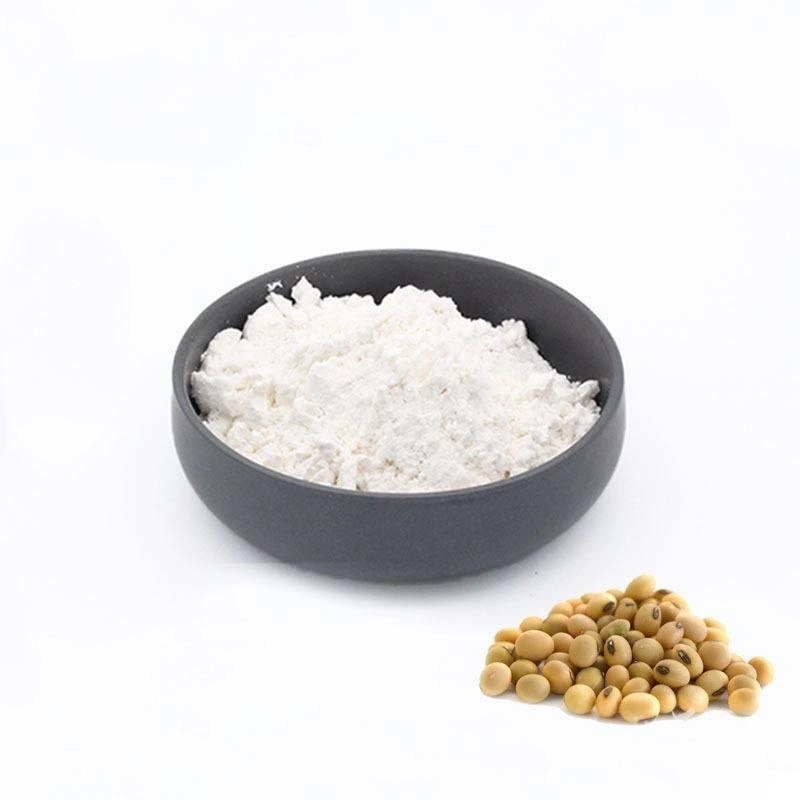
Glycine Soja Sterols in Luxury Skincare: Functional Benefits and Market Demand
Performance Advantages in Premium Formulations
Some high-end skin care brands use Glycine soja sterols to make skin look and feel better in ways that can be seen in a doctor's office. The anti-inflammatory properties calm sensitive skin and reduce noticeable inflammation. These are qualities that are highly valued in sensitive skin and skincare lines for after surgery. Better organisation of lipids in the extracellular matrix leads to more flexibility, which supports skin design that is firmer and more durable. Sterol-rich formulas give your skin a smooth, non-greasy feel that meets customer standards for high-end textures that absorb quickly and leave no residue. Because they can work with other high-value actives like peptides, retinoids, and plant extracts, formulators can make complex goods that do more than one thing without worrying about stability. These success traits allow brands to charge higher prices for their goods while still giving customers measurable results that make their money worth it.
Market Positioning and Consumer Preferences
Consumer research shows that people strongly prefer plant-based ingredients over synthetic ones because they think they are safer and better for the environment. According to the Association of Clean Label Certification, 73% of people who buy skin care products actively look for labels that say the ingredients are natural. Glycine soja sterols meet this need and give the product scientific credibility by showing that they work through a written study. Leading prestige brands have successfully added soybean derivatives to their "hero" products, which has led to good reviews and repeat purchases. The ingredient's ability to treat multiple skin problems with a single part makes marketing messages easier to understand, and value offers stronger. Market research shows that moisturisers with phytosterols usually cost 28% more than moisturisers without phytosterols. This is because people are willing to pay more for plant actives that are backed by science. This pricing power directly leads to higher profit margins for brands that educate and are open about the benefits of their ingredients.
Evidence from Brand Case Studies
Several well-known skin care companies have reported better results after changing the formulas of their products to include more Glycine soja sterols. One multinational brand said that complaints from dry skin were cut by 34% after they increased the amount of sterol in their night cream from 0.5% to 1.2%. Clinical review panels found statistically significant improvements in the level of moisture in the skin that lasted for 24 hours, which supports claims of extended moisturisation. Additionally, a high-end line aimed at older skin included Glycine soja sterols and ceramides. After eight weeks of regular use, silicone replicas showed a decrease in fine lines. These real results boost the credibility of the brand and back up premium positioning strategies that set products apart in market segments that are already full.
Procurement Considerations for Glycine Soja Sterols in B2B Cosmetic Supply Chains
Supplier Evaluation and Quality Verification
To get high-purity Glycine soja sterols, you need to carefully check out the technical skills and quality control systems of prospective suppliers. Manufacturers with a good reputation keep certificates like ISO 9001 for quality management, ISO 22000 for safety management, and organic certifications (USDA, EU Organic) when the products they use require them. Certificates of Analysis should list the sterol composition by gas chromatography, confirming the amount of beta-sitosterol and the lack of contaminants like heavy metals, pesticide residues, and microbial loads. Independent laboratories that do third-party verification add another layer of assurance that the specifications are being met. Supplier audits that look at production facilities, how to maintain equipment, and how to train staff show levels of operational maturity that can be used to predict how reliable a supply will be in the long term. Established companies with specialised Glycine soja sterol production lines show specialisation, which means their products are more consistent than those from chemical companies that offer sterols as byproducts of other products they sell.
Pricing Structures and Order Parameters
The price of Glycine soja sterols depends on the cost of the raw materials, how hard the processing is, and how pure the material needs to be. Pharmaceutical-grade materials cost more than food-grade options. Prices on the market right now range from $45 to $85 per kilogram, depending on how much you order and how concentrated the sterol is. For first trials, the minimum order quantity is usually 25 kilograms. For commercial production runs, the minimum order quantity rises to 500 kilograms. Negotiated pricing systems that make costs more predictable across multiple production batches are possible when volume promises are made. Fibre drums with polyethylene liners can be used for large shipments, and smaller aluminium cases can be used for research and sample amounts. Payment terms depend on how long a customer has been doing business with a supplier. Long-term customers can get net-30 or net-60 terms, while new buyers may need partial prepayment or letters of credit. By understanding these business factors, buying teams can improve cash flow management and make sure they have enough materials on hand.
Logistics and Supply Chain Risk Management
When you buy Glycine soja sterols from other countries, you have to think about things like shipping times, government paperwork, and making sure you follow the rules in each country. Ocean freight from big production regions takes 4 to 6 weeks to get to its destination, so it's important to plan ahead to keep production from stopping. If you choose air freight, delivery times are cut down to 7–10 days, but landing costs go up by 40–60%. This is good for pressing needs or new product launches. Harmonised System classification codes and safety data sheets make it easier to get goods through customs and make sure they are handled correctly all along the supply chain. Dual-sourcing strategies reduce supply interruptions by building relationships with manufacturers in different parts of the world who can meet requirements. Just-in-time stock management rules that include safety stock levels protect against delays in shipping and changes in demand. These logistical models keep the production plan on track and keep an eye on how the working capital is spent.
Conclusion
Glycine soja sterols are a valuable ingredient for high-end skin care companies that want to use botanical actives that have been scientifically proven to work and meet changing consumer tastes. Their many uses, including keeping skin moist, supporting the skin's barrier, reducing inflammation, and protecting against free radicals, help people of all ages and skin types. Quality sourcing from recognised makers makes sure that each batch is the same and that all the rules are followed, which is important for presenting a premium brand. Buying things from suppliers requires careful consideration and management of the supply chain. However, the improved product performance and marketing benefits make the investment worthwhile for brands that are dedicated to using high-quality ingredients. There is a strong business case for using these premium phytosterols in formulation plans aimed at high-end consumers because they are scientifically proven to work, have a clean label, and customers have shown they are willing to pay more.
FAQ
1. What distinguishes glycine soja sterols from other phytosterols in skincare applications?
Glycine soja sterols are unique because they come from soybeans, which makes them very pure and has been shown to have many health benefits for the skin, such as anti-inflammatory and antioxidant properties. When it comes to barrier repair, the specific composition with a high beta-sitosterol content is better than other plant sterol sources. With the ability to moisturise and fight free radicals, these ingredients are very popular in high-end skin care products for sensitive and older skin. Safety reviews by independent review groups and government acceptance across many foreign markets give brands more trust when they are making premium product lines with plans to sell them all over the world.
2. Are soybean sterols safe for sensitive skin and extended use?
A lot of safety tests done over many years have shown that Glycine soja sterols have few side effects when applied to different types of skin. The Cosmetic Ingredient Review panel's review shows that they are safe to use in cosmetics now, even on skin that is sensitive or damaged. Regulatory approvals show that they are safe in a number of major markets, such as the US, the EU, and the Asia-Pacific region. Because they are structurally close to natural skin oils, they are less likely to cause immune reactions or allergies. Low levels of discomfort and sensitisation have been shown in dermatological patch tests, which supports their use in products for reactive skin diseases and after-procedure care.
3. How can brands verify the quality of soybean sterols from potential suppliers?
Checking a seller's ISO 9001, organic, and GMP compliance certifications is part of quality testing. These certifications show that the supplier has strong quality management systems. Checking Certificates of Analysis for contaminant test results, sterol content, and compositional profiles is a good way to make sure that the specifications are met. Choosing well-known manufacturers whose products are known for having consistent quality standards and the ability to produce phytosterols in a specific way lowers the risk of quality variations. Third-party lab testing of received materials verifies seller paperwork and finds any signs of possible falsification or degradation. Audits of suppliers that look at production facilities, test equipment, and check the qualifications of staff give more information about operational capabilities that help predict the long-term viability of a partnership and material consistency across multiple order cycles.
Partner with CONAT for Premium Glycine Soja Sterols Supply
Jiangsu CONAT Biological Products Co., Ltd. makes natural vitamin E derivatives and high-purity phytosterols. They can do a lot of studies, make a lot of products, and test them all. Our highly skilled technical team has a lot of experience managing the production of phytosterols. They make sure that each batch meets the high standards of quality that are needed for high-end skin care products. As a company that only makes Glycine soja sterols, we keep our ISO 9001 and ISO 22000 certifications up to date and follow good manufacturing practices (GMP). This way, we can give your procurement team the paperwork and quality assurance they need. Our Glycine soja sterols products are more than 95% pure because they go through strict testing procedures that make sure the makeup is correct and there are no contaminants. We have a range of order sizes that can be used for both small-scale testing and large-scale production. We also offer responsive technical support to help you get the best results from your formulations. Get in touch with our sales team at sales@conat.cn to talk about your needs, ask for Certificates of Analysis, and find out how our premium Glycine soja sterols can help your skin care line.
References
1. Phillips, K.M., Ruggio, D.M., and Ashraf-Khorassani, M. "Phytosterol Composition of Nuts and Seeds Commonly Consumed in the United States." Journal of Agricultural and Food Chemistry, 2005.
2. Cosmetic Ingredient Review Expert Panel. "Safety Assessment of Plant-Derived Fatty Acid Oils as Used in Cosmetics." International Journal of Toxicology, 2017.
3. Burnett, C.L., Bergfeld, W.F., and Belsito, D.V. "Final Report on the Safety Assessment of Glycine Soja Oil and Related Ingredients." Cosmetic Ingredient Review, 2011.
4. Fiume, M.M., Heldreth, B., and Bergfeld, W.F. "Safety Assessment of Plant Sterols and Sterol Esters as Used in Cosmetics." International Journal of Toxicology, 2019.
5. Lin, T.K., Zhong, L., and Santiago, J.L. "Anti-Inflammatory and Skin Barrier Repair Effects of Topical Application of Plant Sterols." International Journal of Molecular Sciences, 2018.
6. Choi, M.J., Maibach, H.I. "Role of Ceramides in Barrier Function of Healthy and Diseased Skin." American Journal of Clinical Dermatology, 2005.
YOU MAY LIKE