
How Are Glycine Soja (Soybean) Sterols Extracted and Refined?
A unique method is used to remove glycine soja (soybean) sterols, which are important plant chemicals, from raw soybean materials. Solvents or modern supercritical CO₂ technology are often used in the separation process to separate the sterol-rich parts. Steps like degumming, neutralization, winterization, and freezing are used in processing to get to purity levels above 90–95% for use in medicine or food. These steps make sure that the quality is always the same, that the numbers don't change, and that they follow GMP and ISO rules around the world. Of course, this means they can be used in beauty products, useful foods, and health supplements.
Introduction
The Start. Glycine soja (soybean) sterols made from wild soybeans are becoming more and more important in the food, medicine, health, and beauty industries. These chemicals are found in nature and are strong antioxidants and cholesterol-lowering agents that manufacturers seek in "clean-label" products. The people whose job it is to make sure that materials are of good quality and that the supply chain works properly need to know how these sterols are taken out and made better.
Extraction and polishing directly impact how pure the product is, how consistent the batches are, and how well they follow the rules. All of these things have an impact on how well the recipe works and how competitive the market is. Processing technologies today have gotten better over time to offer bigger results, better clarity, and more eco-friendly production. When R&D leaders, formulation managers, and expert teams look into glycine soja (soybean) sterol producers, this data helps them make smart decisions. Because of our study, buying teams know exactly what factors affect the quality of sterols during production. This helps them come up with recipes that work well and don't cost too much.
Understanding Glycine Soja Sterols and Their Importance
Chemical Composition and Natural Sources
Glycine soja (soybean) sterols are a certain kind of difficult fatty alcohol. They are built like cholesterol, but they only come from plants. Alcohols are what these substances are, but they work as oils and keep the skin wet instead of dry. Wild soybean plants have sterols like stigmasterol, campesterol, and beta-sitosterol. Along with other chemicals, these sterols give plants life.
Both of these chemicals, along with tocopherols, are naturally found in parts of soybean oil. Together, they make a biomass that works well. Since they are lipids, they mix well with many different types of mixtures, from beauty emulsions to food supplements. There are vitamins in these sterol parts that make them useful for more than just their structure. Isoflavones like daidzein and genistein are two examples.
Health and Functional Benefits
Researchers have found that plant sterols can improve heart health by competing with cholesterol from food for absorption in the gut. These things are good for you and can be found in healthy foods and diet items that aim to lower cholesterol. Nutrition journals have released studies that show eating plant sterols every day may help keep lipid profiles healthy when combined with a healthy diet.
As well as being used in heart medicine, glycine soja (soybean) sterols are also very useful in beauty products. Because they are hydrating, they keep skin from losing water through the skin's surface. These chemicals, called antioxidants, protect against outside factors that could be dangerous. They are also good for skin care products because they can lighten dark spots. Because they have a lot of omega fatty acids, like linoleic and oleic acid, these sterols help the skin stay flexible and make collagen. This makes the skin look and feel better all around.
Applications Across Industries
To make pills, tablets, and powder mixes that are good for your heart, companies that make food products add fully pure glycine soja (soybean) sterols. The ingredient is bioavailable and has been backed up by clinical studies, so it works great in goods for people who care about their health and want green options. These chemicals are used by companies that make sports products because they help the body heal and reduce swelling.
Phytosterols that are safe for food and drink are added to well-known foods and drinks like spreads, yogurts, and drinks to lower cholesterol. The ingredient is easy to add because it doesn't change the taste or texture and doesn't change when it's processed. Pharmaceutical and medical nutrition companies use pharma-grade sterols in specific blends that have to meet strict quality standards and come with all the paperwork needed to send them to the government.
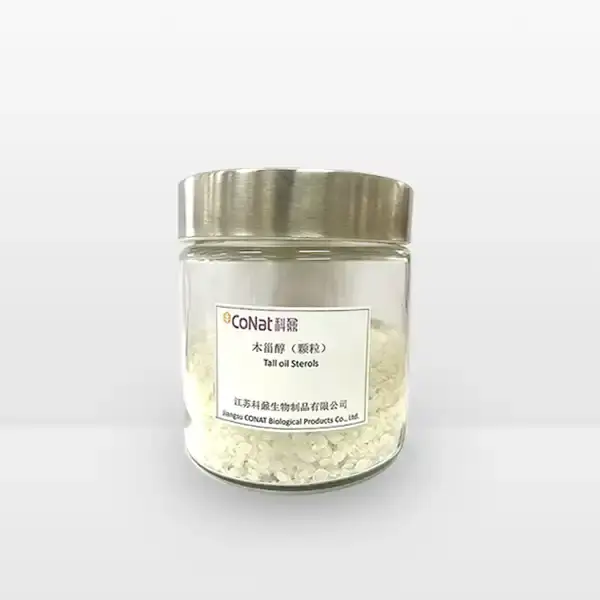
Traditional and Modern Extraction Methods for Glycine Soja Sterols
Conventional Solvent Extraction Approaches
When using the old way, the process starts with deodorizer distillates that are made by processing soybean oil. These have glycine soja (soybean) sterols and tocopherols naturally. Hexane or ethanol is used for solvent extraction to remove these chemicals from triglycerides and other parts of the oil. Several cleaning rounds get rid of any fats that are still there, and then distillation is used to get the liquid back.
These liquid methods are cheap and easy to use on a large scale, but they are bad for the environment and the quality of the product they make. To meet safety standards for food and drugs, all poisons that are still there must be removed. It also gets rid of chemicals that aren't useful and will need a lot of work to be improved later on. It is very important to keep the temperature under control during solvent recovery so that heat-sensitive sterols don't break down. If they do, it can lower the overall antioxidant power and quality.
Advanced Supercritical CO₂ Extraction Technology
Supercritical fluid extraction with carbon dioxide is a big step forward in the process of separating sterols. CO₂ works like both a liquid and a gas when it is above certain temperatures and pressures. It has great chemical properties and can pick out only certain things. With this method, you don't have to worry about dangerous chemicals, and the extracts are cleaner.
You can fine-tune the technology to get the most sterol back while leaving behind chemicals you don't need. For example, you can change the pressure, temperature, and the addition of co-solvents. The closed-loop system reuses CO₂; this is better for the environment and saves money in the long run. Supercritical extraction is the best way to keep chemicals that are sensitive to heat. It keeps their antioxidant activity and other important qualities needed for high-end uses. When making tools for the pharmaceutical and high-end nutritional markets, companies can pay more up front because the process is better and the goods are better.
Enzymatic and Membrane-Based Separation
It is possible to break down cell walls and get sterol molecules out more quickly with the help of certain enzymes. Normal temperatures are used for this biological method. This saves fragile antioxidants and makes it possible to remove more material. There is less time and energy needed for processing when enzymes are used to help with extraction, whether it is done mechanically or with liquid.
Membrane separation technology can separate different kinds of sterols, such as glycine soja (soybean) sterols, based on how they are chemically and molecularly structured. Ultrafiltration and nanofiltration devices do not use heat or harsh chemicals to separate sterols from proteins, carbs, and smaller molecules. With this process, second-hand things are made that are cleaner and need less work to be improved further down the line. Because they are faster, last longer, and make better products, mixing processes that use membrane technology and other extraction methods work better together.
Refinement Processes to Achieve High-Purity Glycine Soja Sterols
Primary Purification Steps
It gets rid of the gums and phospholipids that get in the way of the sterol crystals and make the end result less solid. When these chemicals are mixed with water or acid, they settle down. They are then sorted by spinning. For uses in pharmaceuticals, this step is needed to get the right level of shine and clarity.
Alkaline solutions, such as sodium hydroxide, are used to get rid of the free fatty acids after the acid has been neutralized. The glycine soja (soybean) sterol fraction and the soap stock are then split up by spinning them or letting them settle. It is important to carefully control the pH during neutralization so that the desired esters don't turn into saponified substances and acidic impurities are removed. Putting the mixture in the fridge helps it freeze and gets rid of fats and waxes that have a high melting point. This part of cold filtration makes the item look better and keeps its shape longer. This is especially important for makeup that needs to be clear.
Advanced Refinement and Quality Enhancement
Activated carbon or whitening earth is used to get rid of breakdown products, color dyes, and trace metals. It looks better after this process, and it gets rid of things that could damage it while it's being kept. The pressure conditions used for bleaching keep the sterols from oxidizing, so they keep their protective effect.
High pressure and low temperatures are used in molecular distillation to sort sterol molecules by how volatile they are. This method gets rid of impurities that don't boil at high temperatures, making the water very clean. It is safe for the chemicals because they are only exposed for a short time to high temperatures. This is the last step in the process of cleaning. To do this, the cooling and liquids must be carefully controlled so that only pure sterol crystals form and any impurities stay in solution. Through several recrystallization steps, it is possible to get purity levels higher than 95%, which meets the standards for important medical uses.
Quality Control and Certification Compliance
There are strict tests at every stage of growth to make sure that the needs are met. Gas chromatography tells us what each sterol is made of and how pure it is. High-performance liquid chromatography is used to find out how many tocopherols and other small compounds. Heavy metals, chemicals left over, and bacteria are all tested to make sure the product is safe and follows all the rules.
Test results for a certain batch of glycine soja (soybean) sterols are shown on Certificates of Analysis. This makes the process clear and easy to keep track of, which is important for business-to-business sales. Facilities that are GMP-certified use tried-and-true methods and keep records of standard operating procedures, batches, and the testing of their equipment. Certifications like ISO 9001 and ISO 22000 show that standards for food safety and quality control are well set up. If a drug or food company wants to sell to certain groups of people, Kosher and Halal licenses can help them get into more markets. These badges give buying teams peace of mind about the sellers' quality, compliance with rules, and dependability, all of which are important for building long-term relationships.
Conclusion
When purchasing goods, knowing how glycine soja (soybean) sterols are removed and processed helps them pick the best sources and make sure the quality of the ingredients meets the needs of the recipe. New technologies are better than old ones because they are more precise, better for the environment, and more stable in batches. These are all important for making goods that can compete. Each application has its own goals, government rules, and marketing plans. This means that different extraction methods, levels of refinement, and shapes for the end product are chosen.
It's clear that natural glycine soja (soybean) sterols are more popular in the health and nutrition markets than other choices. This is because customers like them more, they have better bioactivity profiles, and they are further along in the supply chain. You should think about more than just the price when you buy something. To protect yourself from quality risks and supply problems, you should also think about the provider's licenses, professional support, and reliability. We need more dietary supplements, useful foods, medicines, and makeup. Working with experienced makers will help you get the best ingredients that will make your products stand out and earn customers' trust in a market that is becoming more and more competitive.
FAQ
1. What purity levels are typical for refined soybean sterols?
Most store-bought glycine soja (soybean) sterols have a total sterol level of 80 to 90%. This means they can be used in both functional foods and normal dietary supplements. To get pharmaceutical-grade materials to at least 90–95% purity, they need to go through more steps of crystallization and cooling. Ultra-pure types, which have a purity level above 98%, are used in special medicines that need very few flaws. Because the cost is based on the amount of refinement, buying teams should make sure that the quality standards they set are in line with what the formula needs. They will end up over-specifying if they don't, which makes the cost of the goods go up for no reason.
2. Are there safety concerns with soybean sterol consumption?
The FDA and EFSA have both done a lot of research on plant sterols and agree that the amounts that are recommended are safe to eat. Glycine soja (soybean) sterols can be used in makeup right now, according to the Cosmetic Ingredient Review panel. Between 800 and 2000 milligrams of a vitamin substance should be taken every day. It may be harder for the body to receive fat-soluble vitamins if you take very large amounts, but this doesn't happen very often at normal dose levels. If you have a rare genetic disease that makes it hard for your body to absorb sterols, you should talk to your doctor. However, these are very rare cases that don't change how most people use it.
3. How do extraction methods affect antioxidant activity?
Tocopherols, isoflavones, and other heat-sensitive antioxidants are better kept alive by supercritical CO₂ extraction than by high-temperature liquid methods. Because it is processed more gently, the product still has the good qualities that make it useful for makeup and nutrition, where antioxidants help the product work. This can be done with standard solvent extraction and careful temperature control to keep the antioxidant content. However, the output may be a little smaller. No matter what method was used to remove the antioxidants, treating them afterward, like putting them in nitrogen while they are stored and adding natural stabilizers, helps them keep working. You can make sure that the performance is always the same by comparing sources and groups by asking for antioxidant test data in Certificates of Analysis.
Partner with CONAT for Premium Soybean Sterol Supply
Natural vitamin E and pure phytosterols are made by Jiangsu CONAT Biological Products Co., Ltd. They've been doing this for decades and have a lot of ways to make sure the quality is good. Glycine soja (soybean) sterols that we sell are made in modern plants that use cutting-edge technologies for extraction and processing. This is to make sure that they meet the strict standards for use in medicine and food. Each group is also very much the same. Our ISO 9001, ISO 22000, GMP, Kosher, and Halal certifications are always up to date to make sure that our products meet laws and quality standards around the world.
When you need glycine soja (soybean) sterols for dietary supplements, useful foods, medicines, or skin care products, CONAT can help you make your product and give you a steady source of bulk. We give you free samples with full Certificates of Analysis so that you can fully test them out before you place a large order. We know how hard it is for supplement brands, food companies, and ingredient sellers to find the right goods because we have been making glycine soja (soybean) sterol for a long time and sell to places all over the world. Contact us at sales@conat.cn to talk about your specific needs and find out how our low prices, expert know-how, and dependable supply chain can help your plan work and your business grow.
References
1. Gunstone, F.D., Harwood, J.L., & Dijkstra, A.J. (2007). The Lipid Handbook with CD-ROM (3rd ed.). CRC Press.
2. Moreau, R.A., Whitaker, B.D., & Hicks, K.B. (2002). Phytosterols, phytostanols, and their conjugates in foods: structural diversity, quantitative analysis, and health-promoting uses. Progress in Lipid Research, 41(6), 457-500.
3. Piironen, V., Lindsay, D.G., Miettinen, T.A., Toivo, J., & Lampi, A.M. (2000). Plant sterols: biosynthesis, biological function and their importance to human nutrition. Journal of the Science of Food and Agriculture, 80(7), 939-966.
4. Akoh, C.C., & Min, D.B. (Eds.). (2008). Food Lipids: Chemistry, Nutrition, and Biotechnology (3rd ed.). CRC Press.
5. Lagarda, M.J., García-Llatas, G., & Farré, R. (2006). Analysis of phytosterols in foods. Journal of Pharmaceutical and Biomedical Analysis, 41(5), 1486-1496.
6. Dufourc, E.J. (2008). Sterols and membrane dynamics. Journal of Chemical Biology, 1(1-4), 63-77.
YOU MAY LIKE