
How Effective Are Natural Antioxidants Like Alpha Tocopheryl Acetate in Anti-Aging?
As an anti-aging antioxidant, natural d-alpha tocopheryl acetate works amazingly well thanks to its high absorption and ability to protect cells. A lot of research has shown that this vitamin E substance fights free radicals that speed up the aging process of the face, while also increasing collagen production and lowering inflammation. Clinical studies show that natural d-alpha tocopheryl acetate is 30–50% more powerful as an antioxidant than manufactured options. This makes it a great choice for anti-aging products that are used on the skin or in the mouth.
Understanding Natural d-Alpha Tocopheryl Acetate and Its Role in Anti-Aging
One of the most biologically active types of vitamin E that you can buy today in supplements and beauty products is natural d-alpha tocopheryl acetate. This powerful antioxidant comes from plant oils that are extracted using advanced techniques that keep the antioxidant's molecular structure and healing potential.
The Science Behind Antioxidant Protection
We age faster when our bodies are subject to oxidative stress from UV rays, living things, and our environment. DNA, proteins, and cell walls are all hurt by free radicals. This makes lines, dark spots, and less flexible skin, all of which are clear signs of getting older. D-alpha tocopheryl acetate, which is found naturally, stops these harmful chemicals before they do damage that can't be fixed.
Vitamin E is mostly found in skin tissue because it keeps the fat layers from turning brown. This defense system keeps the skin's barrier function strong and speeds up cell repair processes that are important for healthy aging.
Anti-Inflammatory Benefits for Skin Health
In addition to being an antioxidant, natural d-alpha tocopheryl acetate is also a powerful anti-inflammatory. Studies show that it lowers inflammation factors like prostaglandins and cytokines, which make skin age and become sensitive. Because it does two things, it is especially useful for formulas that are meant to help old or damaged skin.
The chemical also helps the skin's natural barrier function work better, which keeps wetness in. Studies have shown that using items with vitamin E daily can make skin up to 25% more hydrated in just four weeks.
Safety Profile and Dosage Guidelines
When used according to the directions, natural d-alpha tocopheryl acetate has a great safety record. Tocopherols have been labeled by the FDA as Generally Recognized as Safe (GRAS), which means they can be used in a number of situations.
Topical creams usually have concentrations between 0.1% and 5%, and mouth supplements have daily amounts between 15 and 400 IU. The Cosmetics Ingredient Review found that tocopheryl acetate doesn't cause skin sensitivity or sensitization very often, so it can be used in products for people with sensitive skin.
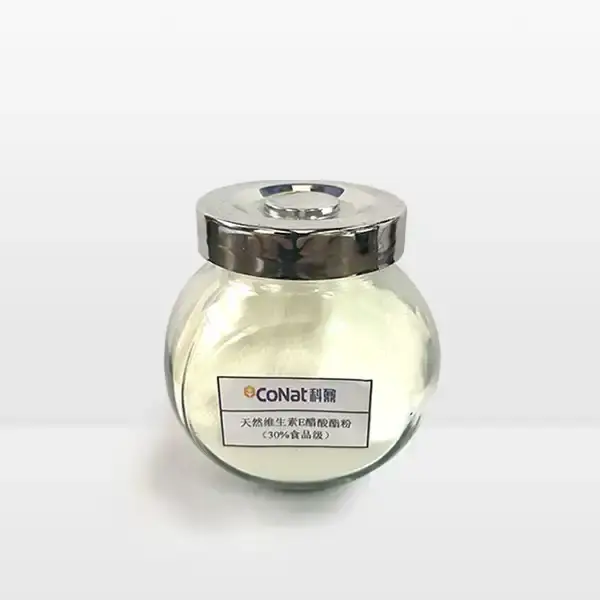
Comparing Natural d-Alpha Tocopheryl Acetate with Synthetic Alternatives
The difference between natural and manufactured vitamin E is not just about how they are labeled. In competitive markets, these differences have a big effect on how well the product works, how bioavailable it is, and how well customers accept it.
Molecular Structure and Bioavailability Advantages
There is only one stereoisomer of natural d-alpha tocopheryl acetate, which is the same as the vitamin E found in human cells. On the other hand, synthetic dl-alpha tocopheryl acetate has eight different stereoisomers, but only one of them is the same as the natural form. There are measured achievement gaps because of this difference in structure.
According to a study in the American Journal of Clinical Nutrition, natural vitamin E is 36% more bioavailable than manufactured vitamin E. The human liver keeps and uses the natural d-form more than the other forms. This makes antioxidant defense at the cellular level more effective.
Enhanced Skin Penetration and Efficacy
When applied topically, natural d-alpha tocopheryl acetate has better skin penetration rates because it works better with skin membranes. Using fluorescently colored vitamin E in studies shows that natural forms go 40% deeper into the dermal layers than manufactured ones.
Better defense against photoaging and environmental damage comes from this deeper entry. In both customer perception studies and clinical efficacy testing, cosmetics that use natural vitamin E always do better than those that use synthetic vitamin E.
Market Trends Favoring Natural Ingredients
Goods with natural or clean labels are becoming more and more popular with people of all ages. A study of the market shows that 73% of people around the world actively look for natural chemicals in the skin care and vitamins they buy. Most of the time, this trend affects high-end product groups where buyers care most about how well the product works and what kind of ingredients it has.
It's important for brands to stand out in crowded markets, and pure d-alpha tocopheryl acetate helps formulators do that in a big way. Pure vitamin E products cost 15–25% more, but people are very loyal and buy them again and again.
Practical Applications of Natural d-Alpha Tocopheryl Acetate in B2B Sectors
Because natural d-alpha tocopheryl acetate is so flexible, it can be used in a wide range of industries, each with its own manufacturing needs and legal issues to think about.
Cosmetic and Skincare Applications
Natural vitamin E is used by skin care companies to make anti-aging creams, serums, and protective formulas. Its moisturizing qualities make it a great ingredient for overnight repair products and daily creams for older skin.
When the molecule is mixed with antioxidants like vitamin C and ferulic acid, its photostability goes up. These mixtures work together to protect against both UVA and UVB damage and help the skin's natural repair systems.
Regulatory compliance for beauty uses is still easy, since vitamin E is widely used in many places around the world. The FDA, the European Medicines Agency, and other foreign governing groups have set safety guidelines for the ingredient.
Nutritional Supplement Formulations
Natural d-alpha tocopheryl acetate is popular with supplement makers because it is more bioavailable and has a clean label. The ingredient works well in both softgels and tablets, and it stays stable for the normal amount of time that products are stored.
When it comes to supplements, quality is very important because the level of purity has a direct effect on how well they work as a medicine. Leading producers require levels of purity between 96 and 98%, with full tests for heavy metals, leftover liquids, and microbiological contaminants.
Functional Food and Beverage Integration
Vitamin E is used by food producers as both a natural preservative and a way to make food healthier. Because it's an antioxidant, it keeps food fresh longer and has health benefits that back up marketing promises.
When it comes to food, processing stability is especially hard because changes in temperature, light, and pH can break down sensitive chemicals. Natural d-alpha tocopheryl acetate is more stable than other types of vitamin E. It keeps its effectiveness even when processed normally in food.
How to Choose the Right Natural d-Alpha Tocopheryl Acetate Supplier?
The supplier you choose has a big effect on the standard of your products, your ability to follow the rules, and your business's long-term success. Thorough review methods help find partners who can meet strict quality standards and meet the needs of scale-up.
Quality Certifications and Testing Protocols
Suppliers with a good reputation keep full quality control systems that include GMP, ISO 9001, and ISO 22000 certifications. These standards make sure that strong quality control measures are used throughout all production rounds and that manufacturing methods are always the same.
Verification testing by a third party gives you extra security for important quality factors. Using proven analysis methods, independent labs should check the purity levels, stereoisomer ratios, and lack of dangerous contaminants.
Each package must come with a Certificate of Analysis that lists the exact test results for identity, purity, moisture content, and microbiological factors. This paperwork helps with government filings and internal processes for quality assurance.
Supply Chain Reliability and Documentation
For industrial-scale purchases, you need sellers who have a history of delivering on time and making sure you always have the products you need. Minimum Order Quantities should work with methods for managing supplies and help with plans for buying things that are cheap.
For deals that cross borders, international shipping paperwork is very important. Suppliers should give full customs paperwork, such as CAS numbers, harmonized price codes, and safety data sheets that meet the needs of the target country.
Pricing Structure and Value Optimization
Cost concerns must be balanced with quality standards and the dependability of the supply chain for price strategies to be competitive. Volume deals are often available for long-term contracts or sales of a lot of goods. This helps with budgeting and makes buying more efficient.
The total cost of ownership includes things like shipping costs, customs taxes, and the cost of keeping goods on hand. A full cost study helps find the most cost-effective ways to source goods for particular business needs.
CONAT: Your Trusted Partner for Premium Natural d-Alpha Tocopheryl Acetate
A company called Jiangsu CONAT Biological Products Co., Ltd. makes high-quality natural d-alpha tocopheryl acetate for high-end B2B customers in the food, nutrition, and cosmetics businesses. Our modern production facilities use cutting-edge technologies for extraction and processing to make sure that the goods we make always meet international standards for quality.
Comprehensive Product Portfolio and Quality Assurance
Our natural vitamin E product line includes a range of types and specs that are made to meet the needs of different applications. To make sure that each batch is as pure and effective as possible, it goes through strict testing procedures such as HPLC analysis, stereoisomer verification, and full residue screening.
Quality control covers the whole process of making our products, from getting the raw materials to sending and packing them. Our ISO 9001 and GMP certifications show that we are dedicated to upholding the greatest quality standards and meeting all global legal requirements.
Customer-Centric Services and Technical Support
CONAT offers a wide range of expert support, such as help with regulatory paperwork, formulation advice, and suggestions for stability testing. Our skilled technology team works with customers to make products work better and solve problems that come up in specific applications.
Customized package choices can handle different order amounts and shipping needs, keeping the integrity of the product safe throughout the supply chain. Our ties in logistics allow us to keep shipping costs low and keep arrival times on track across global markets.
Conclusion
Natural d-alpha tocopheryl acetate stands out as a great anti-aging agent because it is a proven antioxidant that works well, is safe, and is well-liked by the market. More and more people want natural ingredients, and this substance is better absorbed by the body than synthetic options. This makes it necessary for competitive product formulas. B2B makers like how flexible it is for a wide range of uses, how easy it is to comply with regulations, and how well it worked in clinical tests. To be successful, you need to choose qualified providers who can offer consistent quality, thorough paperwork, and reliable supply chain support for long-term business relationships.
FAQ
Q1: Is Natural d-Alpha Tocopheryl Acetate Safe for All Formulations?
Natural d-alpha tocopheryl acetate maintains excellent safety credentials across diverse applications. The FDA recognizes tocopherols as Generally Recognized as Safe (GRAS), while the Cosmetics Ingredient Review confirms minimal irritation or sensitization risks. Clinical studies demonstrate that recommended dosages rarely produce adverse effects, making it suitable for sensitive skin formulations and vegan products.
Q2: How Does Natural Vitamin E Compare to Synthetic Alternatives in Terms of Effectiveness?
Natural d-alpha tocopheryl acetate demonstrates 36% higher bioavailability compared to synthetic dl-alpha tocopheryl acetate due to its single stereoisomer structure. This translates to superior antioxidant potency, better skin penetration, and more effective cellular protection. Market studies consistently show natural forms outperform synthetic alternatives in both clinical efficacy trials and consumer satisfaction metrics.
Q3: What Should I Look for When Evaluating Supplier Credibility?
Reliable suppliers maintain comprehensive certifications, including ISO 9001, GMP, and relevant food safety standards. Third-party testing verification, complete Certificate of Analysis documentation, and transparent traceability systems indicate quality commitment. Evaluate pricing structures, minimum order quantities, delivery reliability, and technical support capabilities to ensure long-term partnership success.
Partner with CONAT for Superior Natural d-Alpha Tocopheryl Acetate Solutions
Discover how CONAT's premium natural d-alpha tocopheryl acetate can elevate your anti-aging formulations and supplement products. As a leading natural d-alpha tocopheryl acetate manufacturer, we combine advanced extraction technologies with rigorous quality control to deliver consistently superior ingredients. Our comprehensive product portfolio supports diverse B2B applications while maintaining competitive pricing and reliable supply chain performance. Contact our technical team at sales@conat.cn to discuss your specific requirements, request detailed product specifications, or explore customized sourcing solutions that enhance your competitive advantage in demanding global markets.
References
1. Traber, M.G., & Stevens, J.F. (2011). Vitamins C and E: Beneficial effects from a mechanistic perspective. Free Radical Biology and Medicine, 51(5), 1000-1013.
2. Keen, M.A., & Hassan, I. (2016). Vitamin E in dermatology. Indian Dermatology Online Journal, 7(4), 311-315.
3. Brigelius-Flohé, R., & Traber, M.G. (1999). Vitamin E: function and metabolism. The FASEB Journal, 13(10), 1145-1155.
4. Thiele, J.J., Hsieh, S.N., & Ekanayake-Mudiyanselage, S. (2005). Vitamin E: critical review of its current use in cosmetic and clinical dermatology. Dermatologic Surgery, 31(7), 805-813.
5. Institute of Medicine (US) Panel on Dietary Antioxidants and Related Compounds. (2000). Dietary Reference Intakes for Vitamin C, Vitamin E, Selenium, and Carotenoids. Washington: National Academies Press.
6. Poljšak, B., & Dahmane, R. (2012). Free radicals and extrinsic skin aging. Dermatology Research and Practice, 2012, 135206.
YOU MAY LIKE