
How long does it take for phytosterols to work?
Phytosterols typically begin showing cholesterol-lowering effects within 2-3 weeks of consistent consumption at recommended dosages. Research demonstrates that pine phytosterol powder exhibits particularly robust bioactivity, with measurable LDL cholesterol reduction occurring within 14-21 days when consumed at therapeutic levels of 1.3-2.0 grams daily. The wood-derived nature of pine sterols provides enhanced bioavailability compared to traditional plant sources, enabling faster onset of cardiovascular benefits for both supplement formulations and functional food applications. Phytosterols, particularly pine phytosterol powder, are gaining traction in health-focused industries due to their proven ability to lower cholesterol and provide antioxidant benefits. The timeframe in which these benefits manifest is critical for B2B procurement managers, OEM clients, and distributors who need accurate information for effective product positioning and client consultation. This guide targets professionals involved in sourcing and integrating plant sterol ingredients, emphasizing their role in health formulations and procurement strategy. Understanding onset time helps align expectations and supports trust-building with end users, facilitating smoother transactions and long-term partnerships in the nutraceutical and functional food sectors.
Understanding Phytosterols and Their Mechanism of Action
Plant sterols are a complex group of bioactive substances that have the same molecular structure as cholesterol but have different health effects. These naturally occurring lipids work by competitively inhibiting other molecules, which has a direct effect on the heart's health and metabolism.
Biochemical Properties of Wood-Derived Phytosterols
Different from plant sterols that come from vegetables, plant sterols that come from wood have special structural features. The tall oil extraction method creates concentrated sterol fractions mainly made up of beta-sitosterol, campesterol, and stigmasterol in the right amounts. When compared to alternatives made from soy, these chemicals are more stable and bioavailable, which makes them very useful for medicinal and nutraceutical uses.
The chemical structure of sterols that come from wood makes it easier for the body to absorb them and integrate them into cell walls. This higher bioavailability means that the therapeutic effects start faster and the clinical results are more reliable. This addresses important concerns for formulators who need uniform performance measures.
Cholesterol Inhibition Mechanisms
The main way that plant sterols work as medicine is by stopping the absorption of food cholesterol in the small intestine. These chemicals fill the same absorption routes that cholesterol does, which stops absorption and helps the body get rid of them. At the micelle creation level, the process involves direct competition. Sterols move cholesterol molecules out of the way and stop them from joining chylomicrons.
According to research, the best way to get rid of cholesterol is to eat enough plant sterols, the amount of which should be around 800 to 1000 mg per meal. This process explains why the beneficial effects show up in weeks instead of months: the competitive inhibition starts as soon as the substance is consumed and builds up over time.
Antioxidant Activity and Cellular Protection
In addition to lowering cholesterol, plant sterols have strong protective qualities that help protect the heart in general. These chemicals get rid of free radicals and lower signs of oxidative stress, especially in vascular tissues, where inflammation leads to the development of atherosclerosis. The antioxidant activity can be measured just a few days after taking the substance, but the full protective benefits don't show up until several weeks of regular use.
Lowering cholesterol and protecting cells from free radicals work together to create benefits that lower the chance of heart disease generally. This combination process explains why improvements can be seen in clinical tests within two to four weeks of starting supplements.
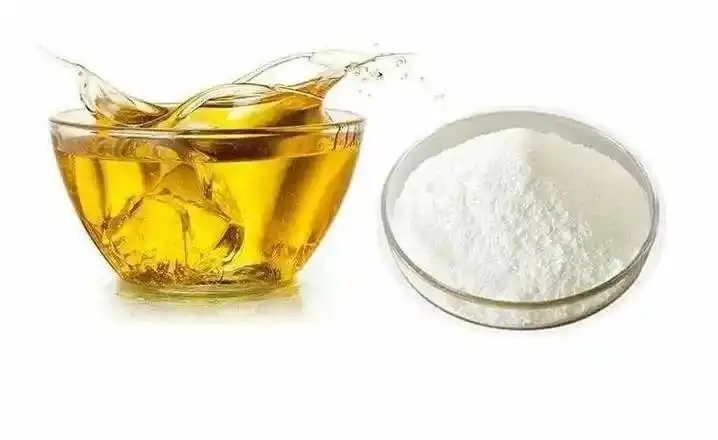
How Long Does It Take for Pine Phytosterol Powder to Show Effects?
Scientific evidence regularly shows that pine phytosterol powder has measured therapeutic effects that happen within an expected timeframe. This makes it a great ingredient for recipes that need to work quickly and reliably. Knowing these dates helps you make better decisions about product development and client consultation.
Cholesterol Reduction Timeline
Clinical studies show that constant plant sterol consumption lowers LDL cholesterol within 7–10 days, and by day 14–21, the drops are usually statistically significant. From week 6 to 8, the size of the decrease keeps getting bigger until the benefits stop growing. Specifically, research using sterols from wood shows an 8–15% drop in LDL within the first month of treatment.
The fast start happens because the blocking of cholesterol uptake starts as soon as the food is eaten. Each meal with plant sterols lowers the amount of cholesterol you take in by 30 to 50 percent. These benefits build up over the course of several days. This is how constant daily intake works to get benefits faster than occasional supplementation.
Most of the time, the most powerful healing benefits happen between weeks 4 and 6. During this time, the most cholesterol is moved around, and the best levels of cellular sterol pools are reached. To keep these benefits, you have to keep taking the supplements, because stopping them will cause your cholesterol levels to slowly return to normal within two to four weeks.
Dosage Considerations for Optimal Efficacy
For general heart health, the FDA says that you should take at least 0.65 grams twice a day with meals, for a total of 1.3 grams per day. People with high cholesterol, on the other hand, may need to eat 2.0 to 2.5 grams more every day to meet treatment goals. The dose suggestions given here are only for free sterols. For esterified types, you'll need to do some math.
Professional formulas usually have 400 to 800 mg per serving so that they can be used for multiple daily amounts while still being compliant. The best time to consume has to do with meals that contain dietary fat because that's when the body absorbs the most. Eating several times a day helps your body's competitive inhibition work better throughout the day.
When figuring out effective amounts, quality becomes the most important thing to think about. Mixed veggie sources of high-purity sterols need higher amounts to have the same therapeutic benefits as wood-derived sterols. This concentration benefit gives formulators more freedom to make products that are both useful and affordable.
Monitoring and Verification Protocols
To keep track of therapeutic success, you need to use regular tracking methods that prove the effectiveness of the product and guarantee consistent quality. Blood lipid panels are the most accurate way to measure cholesterol decrease. They should be tested at the start and then again every 4 weeks during the first few weeks of treatment.
Certificates of Analysis (COA) allow buying teams to check the amount of sterol, the purity level, and the lack of contamination. Regular batch testing helps find quality differences that might affect treatment timelines and makes sure that production runs are consistent. These quality control methods keep clients' trust from being hurt by differences in how well the product works.
Consumer feedback systems give more proof of how well a product works and help find ways to make the recipe better. When you keep track of both clinical measurements and user-reported results, you get full performance reports that back up marketing claims and help guide future product development.
Selecting and Procuring High-Quality Pine Phytosterol Powder
To successfully buy pine phytosterol powder, you need to carefully consider the skills of the seller, the product details, and the quality control procedures. Because sterol extraction and purification are so complicated, it's important to choose a provider carefully to make sure uniform performance and comply with regulations.
Supplier Evaluation Criteria
Reliable suppliers have complete quality control systems that cover everything from finding raw materials to checking finished products. ISO approval means that the company follows international quality standards, and GMP compliance means that the company uses processing methods that are safe for pharmaceuticals. These certificates give buyers basic peace of mind when they're making decisions about medicinal ingredients.
Direct factory buying helps you keep costs down, keep an eye on quality, and see what's going on in the supply chain. Vertically merged manufacturers make it easier to track down products and can better handle changes in specifications or quality issues. Because of this direct connection, the minimum order quantity is more open, and custom packaging solutions can be made.
Superior sellers are different from commodity suppliers in that they can provide technical help. Having access to formulation advice, legal paperwork, and analytical help speeds up product development and cuts down on the time it takes for new formulations to reach the market. These extra services add value, which is why they cost more, and they help partnerships grow over time.
Quality Specifications and Testing Requirements
High-quality sterols that come from wood usually have at least 90% total sterol content, with 70–80% of that being beta-sitosterol. Heavy metal pollution must stay below pharmaceutical standards. For example, the amount of lead must not be more than 1 ppm, and the amount of mercury must be less than 0.1 ppm. Microbiological testing makes sure that there are no harmful organisms and that the product stays stable on the shelf.
Gas chromatography and high-performance liquid chromatography are two analytical methods that can be used to accurately profile sterols and check their quality. Third-party testing is an independent way to confirm what a provider says and gives extra peace of mind for users who need high quality. Regular testing plans should include both checking the materials that come in and checking the end output.
Specifications in great detail, analysis certificates, statements of regulatory compliance, and records of tracking are all things that must be documented. In order to back regulatory submissions and marketing claims, these papers are needed. Complete paperwork packages make it easier to get through customs and cut down on the time it takes for government approvals.
Supply Chain Logistics and Cost Optimization
Cost concerns should be balanced with quality standards and supply security in good buying strategies. Bulk buying lowers unit costs, but you need to be able to store the goods and keep track of your supplies. Different types of packaging, like fiber drums, bags, and specialized cases, affect both the cost and the security of the product while it's being shipped.
For international sending, things to think about include government paperwork, keeping the right temperature, and when the package will arrive. Distributors who handle multiple product lines can save time and money by working with suppliers that offer combined shipping and open delivery terms. When a product needs to be launched quickly or when demand changes with the seasons, these organizational skills become even more important.
Long-term supply deals keep prices stable and make sure that goods are always available. They also help sellers predict what customers will want. These relationships help with planning output better and may include ways to change specifications or make exclusive supply deals. Strategic ties with suppliers give businesses an edge in markets that change quickly.
Addressing Common Questions and Concerns About Pine Phytosterol Powder
Knowing the possible limits and solving safety concerns helps people have more faith in the uses of pine phytosterol powder while making sure they follow the right rules for use. A thorough risk assessment helps both the people who make the product and the people who use it make smart decisions.
Safety Profile and Potential Side Effects
In clinical tests, plant sterols are very safe, with few side effects being recorded. Mild digestive problems like diarrhea, gas, or tummy upset are the most common side effects. They usually happen during the first few weeks of supplementation. As gut systems get used to taking in more sterols, these symptoms generally go away in one to two weeks.
Doses higher than 3 grams per day may make digestive problems more likely without offering the same therapeutic effects. A gradual amount increase helps keep side effects to a minimum while letting each person's tolerance levels be tested. The best results for both safety and effectiveness come from starting with smaller doses and slowly raising them over a period of one to two weeks.
People who have the rare genetic disease sitosterolemia should not take plant sterol supplements because they make it harder for their bodies to use sterols. This contraindication only affects about 1 in 5 million people, but it needs to be taken into account in full safety studies. Labeling correctly and talking to a healthcare worker can help find people who are at risk.
Interaction Considerations and Contraindications
Plant sterols may make it harder for the body to absorb fat-soluble vitamins, especially if a lot of them are eaten without food. At approved doses, this interaction doesn't have a big effect on health, but high-dose programs may need vitamin supplements. Taking plant sterol supplements two to four hours apart from each other reduces the chance of interactions.
Taking this medicine at the same time as cholesterol-lowering drugs needs to be closely watched by a doctor to avoid too much cholesterol reduction. Plant sterols work well with statin treatment, but they need to be closely watched to make sure they are in the right mix for therapy. These things mostly have an impact on medical nutrition uses rather than general food supplementation.
Due to the way vitamin K affects uptake, blood-thinning drugs may not work well with plant sterols. Even though clinically important interactions are still very rare, people who take blood thinners should talk to their doctors before starting to take supplements. Full marking helps find possible contact risks and encourages the right way to use something.
Secondary Benefits and Complementary Applications
Research indicates that plant sterols do more than just lower cholesterol. They also help the defense system and reduce inflammation. These other benefits show up around the same time as the lower cholesterol effect, usually between 2 and 4 weeks of regular use. The wide range of benefits makes it easier to place the product in several different health areas.
Plant sterols can help people lose weight because they change the way fat is broken down and how our bodies tell us when we're full. Even though these benefits need to be seen for longer amounts of time (8–12 weeks), they work well with the main circulatory benefits. Combining formulations that aim for multiple health results opens up new product possibilities.
The skin barrier-building qualities of plant sterols are used in cosmetics, and the effects can be seen within days of application. The range of uses for wood-derived sterols shows how useful they are and helps them stand out in many different market groups.
Conclusion
The therapeutic schedule for plant sterols works in an expected way. The cholesterol-lowering effects usually show up two to three weeks after regular use. Compared to standard veggie sources, pine phytosterol powder has more bioavailability and better stability profiles, which are two big benefits. These sterols that come from wood give formulators stable ingredients that help the medicine work quickly and have long-lasting cardiovascular effects.
To make execution work, you need to pay close attention to the dosage guidelines, quality standards, and factors for choosing a provider. The fact that it stops cholesterol intake right away and has therapeutic benefits that build over time makes it a very appealing option for both supplements and functional foods. Knowing these dates helps you place your products better and talk to your clients more effectively. It also backs up your marketing claims with evidence, which boosts customer trust and leads to market success.
FAQ
Q1: How quickly can I expect cholesterol reduction from plant sterol supplementation?
Most people see a measurable drop in their LDL cholesterol within two to three weeks of taking plant sterols regularly at the recommended doses. Clinical studies regularly show 8–15% decreases in the first month, with the best results usually happening after 6–8 weeks of continued use.
Q2: What daily dosage provides optimal cholesterol-lowering benefits?
The FDA says that the lowest beneficial amount is 1.3 grams per day, which can be taken as 0.65 grams twice a day with meals. People whose cholesterol levels are high may benefit from eating an extra 2.0 to 2.5 grams of fiber every day. Spreading out eating over several meals makes therapy work better.
Q3: Are there any safety concerns with long-term plant sterol use?
Long-term studies show that plant sterols are very safe and have few negative effects. At first, you might have mild stomach problems, but they usually go away in one to two weeks. People who have sitosterolemia should not take plant sterol supplements, even though less than 1 in 5 million people have this disease.
Q4: How do wood-derived sterols compare to soy-based alternatives?
Bioavailability and durability are better for sterols that come from wood than for sterols that come from soy. They have profiles that are free of allergens, which is important for clean-label formulas, and they show more reliable therapeutic results. For apps that care a lot about quality, these benefits often make the higher price worth it.
Q5: Can plant sterols interact with cholesterol-lowering medications?
Plant sterols work well with drug treatment and may help lower cholesterol even more. To make sure the best therapeutic balance, though, a healthcare worker should be present while continuous use is happening. Full tracking helps get the most benefits while keeping people safe.
Q6: What factors influence the speed of therapeutic response?
Response time is affected by a person's metabolism, cholesterol levels at start, fat intake, and how consistently they take their medicine. Plant sterols are best absorbed when eaten with foods that contain dietary fat, and regular daily intake guarantees that the therapeutic benefits build up over time. Responses that are faster and stronger are often linked to higher cholesterol levels at the start.
Partner with CONAT for Premium Pine Phytosterol Powder Supply
CONAT Bio is your best bet for getting high-quality pine phytosterol powder because it combines decades of specialized manufacturing experience with strict quality control measures. Our cutting-edge factories keep their ISO and GMP certifications while providing reliable, pharmaceutical-grade materials that meet the strictest formulation needs. Using cutting-edge tall oil fractionation technology, we make sterols from wood that are purer and more bioavailable than other options.
Our dedicated technical team helps with every step of the buying process. They offer formulation advice, regulatory paperwork, and the creation of unique specifications that are perfect for your needs. CONAT's manufacturing skills are flexible enough to meet the needs of a wide range of customers, whether they need big quantities for mass production or custom packaging for niche markets. They do this while keeping prices low.
Get in touch with our experts at sales@conat.cn to talk about your pine phytosterol powder needs and find out how our high-quality ingredients can help your goods stand out in a crowded market.
References
1. Ras, R.T., Geleijnse, J.M., Trautwein, E.A. "LDL-cholesterol-lowering effect of plant sterols and stanols across different dose ranges: a meta-analysis of randomised controlled studies." British Journal of Nutrition, 2014.
2. Cabral, C.E., Klein, M.R. "Phytosterols in the treatment of hypercholesterolemia and prevention of cardiovascular diseases." Arquivos Brasileiros de Cardiologia, 2017.
3. Gylling, H., Plat, J., Turley, S., Ginsberg, H.N. "Plant sterols and plant stanols in the management of dyslipidaemia and prevention of cardiovascular disease." Atherosclerosis, 2014.
4. Othman, R.A., Myrie, S.B., Jones, P.J. "Non-cholesterol sterols and cholesterol metabolism in sitosterolemia." Atherosclerosis, 2013.
5. Weingärtner, O., Böhm, M., Laufs, U. "Controversial role of plant sterol esters in the management of hypercholesterolaemia." European Heart Journal, 2009.
6. Bradford, P.G., Awad, A.B. "Phytosterols as anticancer compounds." Molecular Nutrition & Food Research, 2007.
YOU MAY LIKE