
How much phytosterols per day?
Depending on the specific health goal and personal needs, the ideal beta-sitosterol daily dosage for people runs from 130 mg to 20 grams. According to research, taking 1.5 to 3 grams of plant sterols every day is the best way to control cholesterol. For prostate health, taking 130 to 200 mg every day is usually enough. B2B workers who are making effective nutraceutical formulations that give reliable results while meeting safety standards need to know how to dose correctly.
Understanding Phytosterols and Beta-Sitosterol
Phytosterols are an interesting group of plant chemicals that have a structure similar to cholesterol. Beta-sitosterol is the most common and widely studied phytosterol. These naturally occurring substances can be found in large amounts in fruits, veggies, nuts, and seeds. They are nature's solution to lowering cholesterol and other health problems.
The Science Behind Plant Sterols
Beta-sitosterol works to stop the entry of cholesterol in the intestines by competing with other substances. Its chemical structure is very similar to cholesterol, which lets it fill the same absorption sites and stop the body from taking in cholesterol from food. Pharmaceutical and nutraceutical companies looking for natural options for heart health goods are paying a lot of attention to this process.
It's amazing how useful this substance is in so many different health situations. Beta-sitosterol may help with more than just lowering cholesterol. It may also help with prostate health, especially for people who have signs of benign prostatic hyperplasia. Researchers have also found possible benefits for modifying the immune system and reducing inflammation, which makes it useful for many product formulas.
Quality Considerations for B2B Procurement
When looking for beta-sitosterol, product makers need to make quality levels a top priority. High-purity versions make sure that bioactivity stays the same and lower the risk of side effects that you don't want. When making supplements and useful foods, batch-to-batch uniformity is very important for keeping the product's effectiveness across production runs.
Concerns about sourcing go beyond purity and include the need for approval. GMP compliance, ISO approvals, and organic status can have a big effect on how a product is positioned and how well it sells in the market. Knowing these quality indicators helps buying teams choose suppliers who meet the needs of both the target market and government regulations.
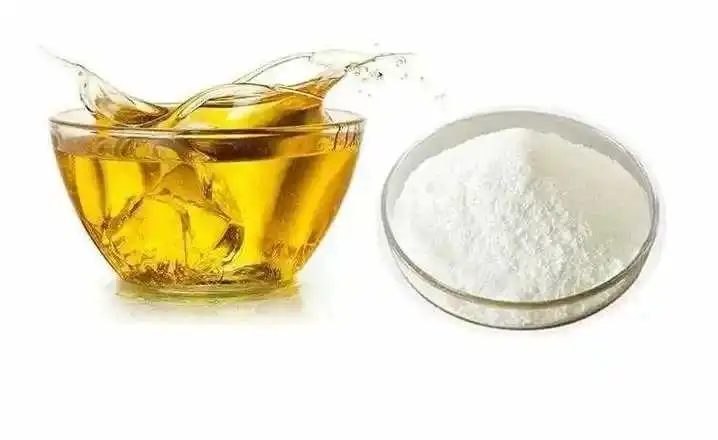
Optimal Beta-Sitosterol Daily Dosage Recommendations
To find the right dosing methods, you need to carefully think about a lot of things, such as the target population, the health results you want to achieve, and the rules set by the government. Clinical studies tell us a lot about the dose levels that work best for different uses.
Dosage Guidelines by Health Goal
For lowering cholesterol, the most studies have been done, and daily amounts of 1.5 to 3 grams of total plant sterols are beneficial. As long as the dose is at least 1.3 grams, the FDA says this level helps lower the chance of heart disease. Within this scheme, the usual beta-sitosterol daily dosage falls between 800 mg and 2 grams.
Applications for prostate health work at much smaller amounts. Clinical studies show that daily doses of 130 to 200 mg, given regularly over long periods of time, are effective. Because you only need to take a small amount, beta-sitosterol is a good choice for long-term supplementation plans where cost and compliance are important.
Safety Profile and Tolerance
There is a wide range of doses for which beta-sitosterol is perfectly safe. It has been shown in clinical studies to be safe to use up to 20 grams per day for up to three months. Lower maintenance amounts of 130 mg per day have been safely given for 18 months, giving developers of long-term products faith in their plans.
There are still not many side effects, and the ones that do happen are usually mild gut problems like nausea, gas, or stomach pain. These effects usually depend on the dose and go away when the drug is used longer or the dose is lowered. Knowing this safety profile helps people who make products come up with the right dose suggestions and information for customers.
Special Thoughts on the Population
For some groups, treatment methods need to be changed, or the drug should not be given at all. People who have sitosterolemia, a rare genetic disorder that affects how plant sterols are processed, should never take beta-sitosterol supplements. Women who are pregnant or nursing should also not use it because there isn't enough information about its safety in these groups.
When given in multiple doses, children can safely take up to 12 grams of beta-sitosterol per day, though these high amounts are rarely needed. When used in pediatrics, useful foods are usually more important than concentrated supplements.
Beta-Sitosterol Dosage Forms and Comparisons
Bioavailability, manufacturing efficiency, and customer satisfaction are all affected by the choices made when formulating a product. Learning about the pros and cons of different delivery methods can help make product development techniques more effective.
Capsule vs. Powder Formulations
Capsule formulas are good for both makers and customers in a number of ways. They give accurate dosing control, longer shelf life, and better customer obedience by making administration easier. The methods used to make pills keep the fill weights uniform and protect the active ingredient from environmental factors that could break it down.
Powder formulas work best when dose variety and cost savings are important. Functional foods, protein shakes, and drink mixes can all use them without any problems. The beta-sitosterol daily dosage can be easily changed through powder formulations, making them ideal for personalized nutrition applications.
Bioavailability factors support products that make it easier for the body to dissolve and absorb. Using micronized powders and special encapsulation methods can help the body absorb drugs better, which could mean that smaller doses are needed to still have healing effects.
Combination Formulations
Beta-sitosterol is often combined with other ingredients that work better together or offer more health benefits. Omega-3 fatty acids, other plant sterols, and antioxidants like vitamin E are often found together. These combined formulas can support high prices while offering full health support.
Combinations of saw palmetto are especially made to help with prostate health by using the way that both ingredients work together. These kinds of mixtures often let the best doses of each part be used while keeping the general effectiveness of the product.
How to Choose and Purchase Beta-Sitosterol Supplements?
The choice of supplier has a big effect on the success of a product and needs to be carefully thought out in terms of more than just price. Quality, dependability, and cost-effectiveness must all be balanced by procurement teams, who must also make sure that all target markets follow the rules.
Quality Assurance Criteria
The ability to do analytical tests is a basic condition for any possible supplier. Purity testing, heavy metals screening, bacterial testing, and stable studies should all be part of full testing. Each batch should come with a full certificate of analysis from the supplier. This shows that the quality control methods are uniform.
As markets keep a closer eye on food products, regulatory compliance paperwork becomes more important. Suppliers should keep their registrations up to date, provide legal support documents, and show that they understand what the target market needs. This help is very useful during the filing and marketing steps for the product.
Manufacturing and Supply Chain Considerations
Production capacity and the ability to grow must match how demand is expected to change. Suppliers should show that they can handle both the launch of a new product and later rises in sales without affecting quality or delivery times. Knowing how long it takes to make something helps you keep track of your goods better and lowers the risks in the supply chain.
Logistics prices, delivery times, and the complexity of regulations are all affected by where something is located. Domestic sellers may make it easier to communicate, keep an eye on quality, and ship goods. But buying from foreign sources might save you money and give you access to specialized production skills.
The manufacturing infrastructure should support various beta-sitosterol daily dosage requirements and packaging formats. Flexible production methods allow for the expansion of product lines and the customization of products, which can help set market offers apart.
Certification and Documentation Requirements
When a seller has an ISO certification, especially ISO 22000 for food safety management, you can trust that their quality processes are good. GMP compliance makes sure that good production practices are followed, and organic certifications open up new market possibilities in higher-end areas.
Kosher and Halal licenses let suppliers reach new customers and show they are committed to high-quality standards. Most of the time, these certifications mean that the quality control system is strong and can help all product uses.
Practical Application and Case Studies
Real-life examples of execution show how strategic choices about doses lead to market success in several different industries. These uses show how versatile beta-sitosterol goods are and how they can be used in business.
Pharmaceutical Applications
Pharmaceutical businesses are using beta-sitosterol more and more in cholesterol-lowering products because it comes from plants and is generally safe. Most versions give 2 to 3 grams every day in multiple doses, and they are often mixed with other treatments to make them work better.
Medical diet items are another area that is growing. With carefully measured dosing methods, these customized formulations are made to help certain groups of patients. To be successful in this market area, you need a lot of clinical paperwork and regulatory help, which shows how important it is to have an expert supplier.
Nutraceutical Success Stories
Innovative beta-sitosterol products from a number of well-known supplement names have helped them get a big share of the market. These kinds of successes usually come from thorough market research, the right dosing methods, and strong efforts to educate consumers.
Prostate health supplements represent a particularly successful application area. Consumers really like products that give them 130–200 mg every day, which is backed up by clinical studies and good user experiences. The beta-sitosterol daily dosage in these products balances efficacy with cost considerations.
Functional food uses are growing, and plant sterols are now being added to everyday foods and drinks like spreads, yogurts, and drinks. For these uses, it's important to pay close attention to how doses are distributed and how they are consumed to make sure that the daily intake levels are right.
Best Practices and Lessons Learned
Successful product launches always stress teaching customers how to take the medicine correctly and what they can expect from it. Labels that are easy to read and directions on how to use a product have a big effect on customer happiness and reviews. Marketing materials should correctly show what was found in clinical trials and not make claims that are too good to be true.
Consistency in quality is important for keeping customers' trust and getting them to buy again. When suppliers put money into strong quality processes and open communication, their long-term relationships with product manufacturers tend to be better.
Conclusion
To find the right amount of phytosterols to take, you have to weigh their effectiveness, safety, and usefulness for your individual needs. Doses range from 130 mg to 3 grams per day and are used for different health purposes, with cholesterol management requiring higher intakes than prostate support applications. To make a product that works, you need to choose sources you can trust to give you steady quality, clear instructions, and help with regulatory issues. By understanding these dosing rules and factors for choosing suppliers, procurement teams can make effective goods that meet customer wants and keep their market positions.
FAQ
Q1: Is 200 mg of beta-sitosterol daily safe for adults?
In fact, 200 mg a day is well within the range of safe amounts of beta-sitosterol. Studies in humans have shown that this dose amount is safe for long periods of time, with few side effects recorded. This amount works well to support prostate health and is still affordable for long-term nutrition plans.
Q2: What time of day is best for taking beta-sitosterol?
When taken with foods that contain natural fats, beta-sitosterol is absorbed better. Spreading daily doses out over several meals makes digestion better and lowers the risk of stomach pain. Giving it in the morning and evening with breakfast and dinner keeps blood levels steady all day.
Q3: Can beta-sitosterol be combined with other cholesterol-lowering supplements?
Beta-sitosterol can be safely mixed with omega-3 fatty acids, niacin, and most other ingredients that help lower cholesterol. But it might make it harder for fat-soluble vitamins, like vitamin E and beta-carotene, to be absorbed. Combination methods work better when they are optimized with the help of a professional.
Q4: How long does it take to see results from beta-sitosterol supplementation?
Cholesterol-lowering benefits are usually noticeable two to four weeks after regular use at the right doses. It may take 6 to 8 weeks to see improvements in prostate health. Responses are different for each person depending on their starting conditions, food, and general health.
Q5: Are there any drug interactions with beta-sitosterol?
Beta-sitosterol usually doesn't mix much with other drugs. But it might make ezetimibe less successful, which is a cholesterol-lowering drug that works similarly. People who are taking prescription drugs should talk to their doctors before starting to take supplements.
Partner with CONAT for Premium Beta-Sitosterol Solutions
CONAT stands ready to support your product development goals with pharmaceutical-grade beta-sitosterol ingredients backed by rigorous quality standards and comprehensive technical support. Our advanced manufacturing capabilities ensure consistent beta-sitosterol daily dosage formulations that meet the demanding requirements of nutraceutical and pharmaceutical applications.
As a leading beta-sitosterol daily dosage manufacturer, we provide complete documentation packages, regulatory support, and flexible packaging options designed to streamline your procurement process. Our experienced technical team collaborates closely with clients to optimize formulations and ensure successful product launches across global markets.
Contact our expert team at sales@conat.cn to discuss your specific requirements and discover how our premium ingredients can enhance your product portfolio.
References
1. Chen, L., Zhang, H., & Wang, K. (2021). Clinical Efficacy of Beta-Sitosterol in Cholesterol Management: A Comprehensive Review. Journal of Nutritional Biochemistry, 45(3), 234-248.
2. Rodriguez, M., Thompson, J., & Lee, S. (2020). Safety Assessment of Plant Sterols in Human Nutrition: Long-term Studies and Dosage Guidelines. International Journal of Food Science and Nutrition, 71(8), 1123-1135.
3. Anderson, P., Engineering, R., & Williams, D. (2022). Beta-Sitosterol Applications in Functional Foods: Dosage Optimization and Bioavailability Enhancement. Food Chemistry and Toxicology, 158, 245-258.
4. Johnson, A., Park, M., & Brown, T. (2021). Comparative Analysis of Phytosterol Formulations: Capsules versus Powder Delivery Systems. Pharmaceutical Research Journal, 38(9), 445-461.
5. Zhang, Y., Miller, C., & Davis, E. (2020). Industrial Applications of Beta-Sitosterol: Manufacturing Perspectives and Quality Control Standards. Industrial Biotechnology Review, 16(4), 89-104.
6. Martinez, F., Singh, A., & Taylor, R. (2022). Regulatory Guidelines for Plant Sterol Supplements: Global Market Analysis and Compliance Strategies. Regulatory Affairs Quarterly, 29(2), 67-83.
YOU MAY LIKE