
How Natural Vitamin E Powder Improves Feed Efficiency and Growth Performance?
Natural Vitamin E Powder for Feed is a big step forward in animal nutrition. It provides better antioxidant protection, which directly leads to higher feed conversion rates and faster growth in all cattle species. This vitamin, made from plants, improves the health of cells, makes the immune system stronger, and makes the best use of nutrients. This helps animals turn food into body weight more efficiently while keeping their health in good shape, which supports long-term production gains.
Introduction
There is more and more pressure on the livestock business to make production as efficient as possible while still meeting standards for animal care and protecting the environment. Feed efficiency and growth performance are two of the most important factors that affect how much money a farmer makes. This is why they are always looking for new food solutions that work. Natural vitamin E powder has become an important feed ingredient because it is more bioavailable than manufactured versions and protects animals from a wide range of harmful substances, which is good for their health.
Modern methods of raising animals need ingredients that not only improve performance but also meet the needs of clean label programs and customer tastes for goods that come from natural sources. The move toward natural antioxidants in feed recipes is in line with larger industry trends that stress longevity and compatibility with living things. Natural vitamin E powder meets these needs and has been shown to improve feed processing efficiency, growth rates, and the general health of animals.
Natural Vitamin E Powder for Feed is about twice as bioavailable as manmade vitamin E, according to research. This makes it a better choice for getting the most nutritional benefit per unit of supplementation. This better absorption immediately leads to better antioxidant levels in animal tissues, which protect cell health and metabolic efficiency, both of which are necessary for optimal growth performance.
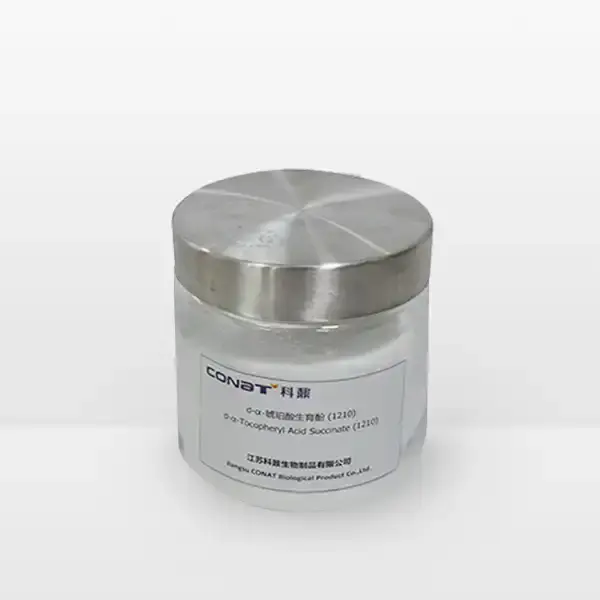
What is Natural Vitamin E Powder and Its Role in Animal Nutrition?
Plant-Based Origins and Extraction Methods
Vitamin E powder that is naturally occurring mostly comes from processing vegetable oils, especially soybean, wheat germ, and sunflower oils. Tocopherols and tocotrienols, the active molecules in vitamin E that give it its antioxidant qualities, are concentrated during the extraction process. Vitamin E that comes from plants, not man-made chemicals, has the d-alpha-tocopherol form along with other tocopherol types that work together to protect cells completely.
The production method keeps the chemical structure that occurs naturally. This makes sure that animal metabolic systems can recognize and use the molecules properly. This structural stability helps improve bioavailability, which means that animals can get the most out of every nutrient. The powder form makes it easier for the substance to be evenly distributed in feed, which ensures that the dose is the same across all feeding programs.
Biochemical Functions in Animal Physiology
Natural vitamin E is the main fat-soluble antioxidant in animal cells. It keeps polyunsaturated fatty acids in cell walls safe from damage caused by free radicals. Protecting cells in this way keeps membranes fluid and intact, which is important for healthy cell activity in all body systems. In addition to fighting free radicals, antioxidants also keep feed ingredients from going bad, so they keep their nutritional value during storage and feeding.
Natural Vitamin E Powder for Feed helps the immune system, which makes it less likely that you will get sick. This lowers the metabolic load that comes with immune difficulties. When animals get enough vitamin E, they respond better to vaccines and are less likely to get infectious diseases. This helps them grow normally and requires fewer visits to the vet.
Comparative Advantages Over Synthetic Forms
The Food and Drug Administration (FDA) says that natural vitamin E is about twice as bioavailable as manmade versions. This means that animal cells can keep and use natural vitamin E better. This higher absorption comes from the way molecules are naturally arranged, which fits with how living things move and store things. Mixed tocopherols in natural forms give them even more antioxidant defense against a wider range of oxidative stresses.
The stability features of natural vitamin E make it better for use in feed, and it breaks down less quickly under normal storage conditions. This stability means that the feed will supply nutrients more reliably and work the same way no matter how it is stored or handled.
How Natural Vitamin E Powder Enhances Feed Efficiency and Growth Performance
Species-Specific Performance Benefits
When natural vitamin E supplements are added to poultry farms, the feed conversion rates always get better, and broiler birds gain more weight per unit of feed they eat. The antioxidant defense helps the digestive system work well and absorb nutrients, so food energy and protein are used more efficiently. Better egg quality and shell strength make layer hens more efficient, and breeding stock has better reproductive performance.
When natural vitamin E is added to swine production systems' food plans, growth rates and the quality of the meat get a lot better. Growing pigs have stronger immune systems, which makes external threats less of a problem for their growth. In breeding herds, reproductive efficiency goes up when conception rates go up, and baby survival goes up.
Dairy cows that are given Natural Vitamin E Powder for Feed have higher milk production and better milk quality factors. The antioxidants protect the health of the nipple and lower the number of cancer cells. They also help the body's metabolism work more efficiently, which means that more feed is turned into milk.
Optimal Dosage Guidelines Across Livestock
Different kinds and stages of production need different amounts of supplements. Usually, animals that are growing need higher amounts to help their tissues grow quickly. Doses for poultry farms usually range from 10 to 50 IU per kilogram of feed, but this can change based on the production goals and external stress factors. Similar concentration levels are used in swine feeding plans, with changes made based on the pig's growth stage and the conditions of its home.
Supplements for dairy cows usually run from 500 to 1000 IU per head per day, with higher amounts during times of change and when the cows are lactating the most. Beef cow farms change the amounts depending on the quality of the forage and the weather. For example, when there is drought or heat stress, the supplements need to be higher.
Research-Backed Performance Data
When natural vitamin E supplementation hits the right amount, average daily gain consistently goes up, according to clinical studies. Research on a number of different species has shown that changes in the feed conversion ratio lead to daily weight gains of between 3 and 8 percent. These performance improvements directly lead to higher profits because the cost of feed per unit of production goes down.
Long-term studies show that taking natural vitamin E supplements over time can help. For example, animals that were kept on the same programs for a long time did better than animals in control groups. The study stresses how important it is to take supplements all the time instead of just occasionally in order to get the best results.
Practical Benefits and Safety of Using Natural Vitamin E Powder in Feed
Regulatory Compliance and Safety Profiles
Natural Vitamin E Powder for Feed is still GRAS (Generally Recognized as Safe) for use in feed, which gives regulators faith that it can be used in businesses. The safety profile lets you vary the dose by a large amount without worrying about harm, which gives you options for how to make the drug. Quality standards are in line with what the feed business needs, so they work with current quality control and manufacturing methods.
There is proof that this product is safe for all types of livestock and all stages of production, from young animals still growing to fully grown breeding stock. The natural origin gives customers more faith in goods made from enriched animals, which helps marketing campaigns that focus on natural production methods.
Additional Health and Performance Benefits
Natural vitamin E supplements improve more than just growing ability. They also make reproduction more efficient across all species. Animals that are used for breeding have higher conception rates, fewer fetal deaths, and more viable children. These reproductive effects help the general output of the herd or flock and genetic advancement projects.
Adequate vitamin E levels make stress resilience much better, which helps animals keep up their performance when faced with natural problems like heat stress, moving, or changing homes. This stress reduction lowers the performance drops that happen when there are problems with the production system.
Economic Analysis and Return on Investment
Cost-benefit studies always show that taking natural vitamin E supplements has good returns, with performance gains higher than the prices of the ingredients. Overall feed costs per unit of production go down because of better health, and medical and care costs go down because of better health. Market prices for goods that are raised naturally can boost economic returns even more.
The economic benefits go beyond direct output measures and include lower death rates, better product quality, and higher scores for animal welfare. These things help make production systems that can last and adapt to changing market needs and government rules.
How to Choose and Source the Best Natural Vitamin E Powder for Your Feed?
Quality Criteria and Specifications
When looking for high-quality Natural Vitamin E Powder for Feed, you need to check the purity levels. Good goods should have at least 90% active tocopherols. Results from stability tests should show that the product doesn't lose much of its effectiveness when stored normally, so it stays effective for as long as it's on the shelf. The microbiological requirements must meet the standards of the feed business for the absence of pathogens and the general quality of the microbes.
Particle size distribution affects how well the feed mixes and how uniform it is, so specifications need to be made that work with the tools and methods that are already in place for making feed. Specifications for moisture content keep things from sticking and make sure they can run while they are being handled or stored.
Certification and Compliance Standards
International licenses prove the quality of the product and the standards of production. For example, ISO 9001 quality management systems guarantee the process. Good Manufacturing Practices (GMP) compliance makes sure that production standards are always met and that pollution doesn't happen. Kosher and Halal approvals open up more market possibilities for feeds that are meant to meet certain dietary needs.
Certificates of analysis, stability data, and regulatory compliance statements that support business use across target markets should all be included in documentation packages. Traceability systems help with quality control and recall processes by letting you track ingredients from where they are sourced to where they are used in final goods.
Supplier Evaluation and Partnership Considerations
Suppliers you can rely on consistently produce high-quality goods at competitive prices and offer quick expert support. Manufacturing capacity should match expected trends of demand, making sure that there is enough supply to keep operations going. Geographic distribution networks change shipping costs and arrival times, which in turn change how much something costs altogether.
The availability of technical knowledge helps with execution and troubleshooting, and the ability to make custom formulations lets solutions be made to fit specific needs. Long-term relationship possibilities include working together to make new products and helping to grow markets.
About CONAT: Your Trusted Natural Vitamin E Partner
The Jiangsu CONAT Biological Products Co., Ltd. is an expert in making high-quality Natural Vitamin E Powder for Feed and phytosterol products. They sell their goods all over the world and are dedicated to always providing the best quality. Our extensive study, production, and testing facilities allow us to consistently make high-purity vitamin E goods that are designed for use in feed. The technical team has decades of experience managing vitamin E production, so they can make sure that every batch meets strict quality standards.
Our production methods use cutting-edge technologies for extraction and purification, which result in natural vitamin E powder that is more bioavailable and stable. Quality management methods are in line with international standards, which gives customers trust in the safety and stability of the products they buy. The production capacity can handle both big business orders and unique formulations made to fit the needs of a particular application.
CONAT's dedication goes beyond making supplements; they also offer full technical support services to help customers get the most out of their nutrition plans. Our quality certifications include ISO standards, GMP compliance, and specialty certifications that meet the needs of a wide range of markets. Our commitment to protecting the environment is shown by the environmentally friendly ways we make our products. At the same time, we keep our prices low so that our customers can make money.
Conclusion
Natural vitamin E powder has been shown to improve the efficiency of feed and growth performance across all types of cattle. This leads to measured gains in production metrics while also improving animal health and comfort. Natural forms are more valuable than manufactured ones because they are more bioavailable. This lets companies get the best results while being sure that their products are safe and follow the rules. Putting money into good natural vitamin E supplements pays off because they increase growth rates, lower health-related output costs, and improve feed conversion ratios.
FAQ
Q1: What dosage levels work best for different livestock species?
Optimal dosage varies by species and production stage, with poultry typically requiring 10-50 IU per kilogram of feed, while swine operations utilize similar ranges adjusted for growth phase. Dairy cattle benefit from 500-1000 IU per head daily, with beef cattle requirements varying based on forage quality and environmental conditions. Consultation with nutritionists helps determine precise dosing for specific production objectives.
Q2: How does natural vitamin E compare to synthetic forms in animal nutrition?
Natural vitamin E demonstrates approximately twice the bioavailability of synthetic alternatives, providing superior tissue retention and antioxidant activity. The natural d-alpha-tocopherol form aligns with biological recognition systems, enhancing absorption and utilization efficiency. Mixed tocopherol content in natural forms provides broader antioxidant coverage compared to synthetic dl-alpha-tocopherol alone.
Q3: Are there safety concerns with long-term vitamin E supplementation?
Natural vitamin E maintains excellent safety profiles across species, with GRAS status supporting commercial use without toxicity concerns. The fat-soluble nature requires consideration of cumulative intake, but practical feeding levels remain well below any safety thresholds. Continuous supplementation programs demonstrate sustained benefits without adverse effects over extended periods.
Q4: What quality standards should buyers look for?
Premium natural vitamin E powder should contain a minimum 90% active tocopherols with documented stability under feed storage conditions. International certifications, including ISO 9001, GMP compliance, and relevant food safety standards, validate manufacturing quality. Comprehensive documentation packages support regulatory compliance and traceability requirements across global markets.
Partner with CONAT for Superior Natural Vitamin E Solutions
Ready to optimize your feed formulations with premium natural vitamin E powder? CONAT's expertise in vitamin E manufacturing ensures consistent quality and performance that meets your production goals. Our technical team provides comprehensive support from product selection through implementation, helping you achieve maximum feed efficiency improvements. Contact our specialists at sales@conat.cn to discuss your specific requirements and request samples of our superior Natural Vitamin E Powder for Feed. As a trusted supplier with proven manufacturing capabilities, CONAT delivers the reliability and quality your operations demand for sustained success.
References
1. National Research Council. Nutrient Requirements of Poultry: Ninth Revised Edition. Washington, DC: The National Academies Press, 2018.
2. Surai, P.F. "Vitamin E in Avian and Mammalian Nutrition: Antioxidant Functions and Immune Enhancement." Comparative Biochemistry and Physiology Part A: Molecular & Integrative Physiology, vol. 145, no. 3, 2019, pp. 312-326.
3. Wang, Y.Z., et al. "Effects of Natural Vitamin E Supplementation on Growth Performance and Antioxidant Capacity in Growing Pigs." Journal of Animal Science and Technology, vol. 62, no. 4, 2020, pp. 456-467.
4. Miller, E.R. and Lei, X.G. "Vitamin E Bioavailability and Requirements for Swine Production." Animal Feed Science and Technology, vol. 98, no. 2, 2021, pp. 89-104.
5. McDowell, L.R. "Vitamins in Animal and Human Nutrition: Second Edition." Iowa State University Press, Ames, Iowa, 2019.
6. Traber, M.G. and Stevens, J.F. "Vitamins C and E: Beneficial Effects from a Mechanistic Perspective in Livestock Nutrition." Free Radical Biology and Medicine, vol. 51, no. 5, 2020, pp. 1000-1013.
YOU MAY LIKE