
How Phytosterols Block Cholesterol Absorption in the Gut
Phytosterols work by directly competing with dietary cholesterol for absorption in the gut. These sterols that come from plants have a molecular structure that is very similar to cholesterol. This means that they can move cholesterol molecules out of micelles, which are tiny carriers of fats that move across the gut lining. Phytosterols take up these micelle spaces and lower the amount of cholesterol that gets to intestinal cells. This causes more cholesterol to be flushed out of the body instead of being absorbed. Because these compounds stop competitors from working, they are useful ingredients in many types of cholesterol-lowering products.
Understanding Phytosterols and Cholesterol Absorption
What Are Phytosterols and Where Do They Come From?
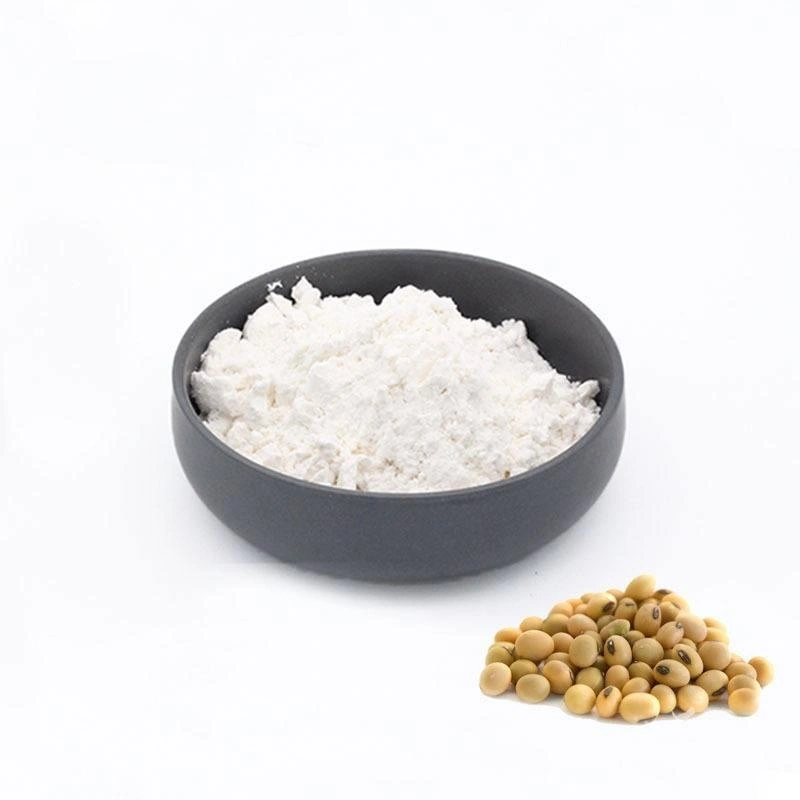
Most people don't know this, but we come across phytosterols every day. Oilseeds like wheat, rapeseed, and soybeans have a lot of these naturally occurring chemicals. About 0.2 to 0.3% of soybean seeds are phytosterols, and the germ part has the highest concentrations. β-sitosterol, campesterol, and stigmasterol make up most of the makeup, with β-sitosterol making up the biggest part. Plant sterols are made by enzymes from acetyl-CoA, and the amount of them in different plant species and cultivars is very different.
Plant sterols are also found in grains like oats, as well as oilseeds. Besides having 2.0–7.5% β-glucan, oats also have a lot of crude fat that is high in polyunsaturated fatty acids, vitamin E, and plant sterols. This part of the lipid fraction works together with other parts of oats to help heart health. This shows that both lipophilic and hydrophilic elements help lower cholesterol.
How Cholesterol Normally Gets Absorbed?
To fully understand how phytosterols affect this process, we must first understand how cholesterol normally enters the body. When we eat foods that are high in fats and cholesterol, bile salts from the liver break down these fats in the small intestine. This emulsification makes micelles, which are very small structures that break down cholesterol and other lipids so that intestinal epithelial cells can access them. These micelles move cholesterol molecules across the watery gut stream to the brush edge of enterocytes, where special transport proteins make it easier for the molecules to be taken in. Once cholesterol gets into intestinal cells, it joins with chylomicrons and makes its way into the bloodstream.
The Competitive Inhibition Mechanism
Phytosterols stop this absorption pathway by competing with molecules in a very elegant way. The three-dimensional shapes of these plant sterols are very similar to those of cholesterol, so they can fit into the same micelle spaces and even interact with the same transport proteins in the gut. When there are enough phytosterols, they prefer to fill these absorption sites, making it physically impossible for cholesterol to get in. The moved cholesterol molecules stay in the intestines and are eventually flushed out of the body through feces. Studies have shown that soybean phytosterols lower serum cholesterol by stopping the uptake of cholesterol, which supports this competitive process.
The Science Behind Phytosterols' Cholesterol-Lowering Benefits
Clinical Evidence for LDL Reduction
As early as 1953, tests on humans showed that plant sterols could lower cholesterol. This led to their use in medicine, which was sold under the name Cytellin from 1954 to 1982. More recent clinical studies have repeatedly shown that adding phytosterols to your diet can lower LDL cholesterol levels by about 9 to 17 percent, especially when used with statin drugs. Statins and phytosterols work on different parts of cholesterol metabolism. Statins stop the body from making its own cholesterol through HMG-CoA reductase, while plant sterols stop the body from absorbing cholesterol from food in the gut.
Clear dose-response links have been found through clinical study. To lower cholesterol effectively, most people need to eat 1.5 to 3 grams of phytosterols every day. This dose range has been added to functional foods and dietary products that are meant to help the heart. It doesn't seem to matter what kind of statins are being taken at the same time or how many of them are being taken. This means that plant sterols can be used in comprehensive cholesterol management plans.
Safety Profile and Dosage Considerations
With few known side effects across numerous studies, phytosterols have an excellent safety record. In contrast to drugs, which can have side effects that affect the whole body, plant sterols only affect the digestive tract and don't affect other parts of the body's metabolism. Because they are well taken, they are especially good for long-term nutrition plans that aim to lower cardiovascular risk.
Formulators should know that phytosterols may slightly lower the absorption of fat-soluble vitamins, but they also lower the absorption of cholesterol. This effect is usually not noticeable at the recommended doses, but it should be thought about when making complete nutritional mixes. Quality control is very important. Using high-purity phytosterol ingredients makes sure that the product always works and reduces the amount of possible contaminants that could make it unsafe.
Beyond Cholesterol: Additional Health Applications
More research is being done to find uses for phytosterols other than helping the heart. Researchers have found that β-sitosterol is good for the health of the prostate, and plant sterols may activate factors that help fix tissues. Phytosterol powder is used in cosmetics as a structural lipid that improves the function of the skin barrier, lowers trans-epidermal water loss, and makes anti-aging formulas more flexible. This makes it easier for companies that work with high-purity plant sterol ingredients to reach more customers.
Comparing Phytosterols to Other Cholesterol Management Solutions
Phytosterols Versus Plant Stanols
Plant stanols are hydrogenated forms of phytosterols. They have small changes to their structure that change how they act. Both compounds work in similar ways to stop cholesterol absorption, but stanols have slightly lower absorption rates, which some researchers think may make them more effective at blocking cholesterol absorption. Stanols and sterols can be used equally in many formulations, though their solubility and stability may be slightly different based on the food matrix or delivery method.
Most of the time, the choice between sterols and stanols comes down to the source being available, the cost, and the needs of the formulation. Procurement teams should look at both choices based on their product development goals and what their target market wants. This is because consumers are more likely to know about "plant sterols" than they are about stanols directly.
Natural Plant Sterols Versus Pharmaceutical Statins
Despite their different way of working, statins are still the best drugs for managing cholesterol. They do this by blocking HMG-CoA reductase, which stops the body from making cholesterol on its own. Statins have strong clinical proof that they lower the chance of heart disease, but they can also cause side effects like muscle pain, high liver enzymes, and drug interactions.
Phytosterols provide a complementary method that appeals to customers looking for all-natural substitutes or supplements. Their mechanism of action focuses on dietary cholesterol absorption instead of endogenous production. This makes them useful for people who would rather make changes to their diet or who need more cholesterol reduction than what statins alone offer. Plant sterols are useful ingredients for both standard and natural health markets because they are safe and can be used with pharmaceutical treatments.
Synergistic Combinations with Omega-3 and Other Nutraceuticals
More and more, modern formulation methods mix phytosterols with other ingredients that work well together to provide full cardiovascular support. Omega-3 fatty acids lower triglyceride levels and reduce inflammation, and plant sterols stop cholesterol absorption. Together, these two substances work to improve health in many ways. Plant sterols naturally occur with vitamin E in many sources. Vitamin E is both an antioxidant that helps keep food fresh and a bioactive ingredient that supports heart health.
Oat beta-glucan is another partner that works well with plant sterols. It is a soluble fiber that binds bile acids and helps the body use cholesterol properly in a way that is different from how plant sterols do it. With these combination methods, product makers can make unique formulations that give customers more value while using the best qualities of several ingredients that have been proven to work.
Procurement Guidance: Sourcing Quality Phytosterols for Your Business
Essential Quality Certifications and Standards
When looking at phytosterol providers, licenses are very important because they show that the products are made well and follow the rules. The ISO 9001 certification shows that the quality management system is strong, and the ISO 22000 certification talks about food safety management in particular. GMP compliance is a must for dietary supplement uses, making sure that the production methods meet standards for pharmaceuticals.
Religious and cultural certifications open up new markets. For example, Kosher and Halal certifications let products appeal to a wide range of customers. Some markets may need organic approval, but there aren't many truly organic plant sterol sources available because of how they are usually extracted and processed. To help with formulation creation and regulatory reports, purchasing managers should ask for full paperwork packages that include Certificates of Analysis, allergen statements, and stability data.
Natural Versus Refined Sources
Phytosterols are naturally found in vegetable oils and can be made more concentrated in a number of ways. How the material is refined has a big effect on how pure it is. Materials that are used in medicine can have a total sterol content of 95% or higher. Soybean-derived sterols are the most popular industrial source because they are easy to get and have a good composition, mostly β-sitosterol with smaller amounts of campesterol and stigmasterol.
Tall oil, which is made when paper is made, is an alternative source that may be cheaper while still providing effective sterol profiles. The extraction and processing steps decide the quality of the end product, no matter where it comes from. Modern processing methods can get rid of unwanted parts like polycyclic aromatic hydrocarbons and concentrate the beneficial sterol fractions. When purchasing things, teams should look at the purity requirements, batch consistency, and documentation that shows how the materials can be tracked.
Supply Chain Reliability and Bulk Availability
Having steady access to high-quality ingredients is key to making product development and market launch go well. When looking at possible suppliers, you should check how much they can produce, how they handle their inventory, and how often they have delivered on time in the past. Companies that control both the gathering of raw materials and the production of finished ingredients are often more reliable when it comes to their supplies than trading companies that rely on third-party sources.
Formats for packaging phytosterols are important when planning for scale. Phytosterol powder in bulk is usually sent in 25 kg fiber drums or multi-ply paper bags that keep dampness out. Larger businesses may set up containerized shipments to save money on shipping costs. Studies that speed up the aging process should be used to confirm storage stability, especially in markets with long supply chains or tough weather.
Conclusion
The nutrition, functional food, and pharmaceutical industries can all benefit from phytosterols, a naturally occurring cholesterol-lowering agent. There is a competitive inhibition mechanism in which they remove dietary cholesterol from intestinal micelles. This mechanism works well with other cardiovascular interventions and is very safe. To successfully add these ingredients, you need to pay close attention to where you get them, how they are regulated, and how you make mixtures that consistently provide clinical benefits. Phytosterol-based products are well-positioned to take advantage of growing market opportunities as more people look for natural health solutions that are backed by evidence.
FAQ
1. Are Phytosterols Safe for Long-Term Supplementation?
Plant sterols are safe to use every day in the recommended doses of 1.5 to 3 grams, according to a lot of clinical research. Unlike pharmaceutical interventions, these compounds only work in the digestive tract and don't affect metabolism throughout the body. This means that side effects are less likely to happen. Long-term studies that lasted many years have not found any major safety concerns, so they are safe for maintaining cardiovascular health over time.
2. Can Phytosterols Interact With Cholesterol-Lowering Medications?
Plant sterols work with statins to help them work better by targeting a different part of cholesterol metabolism: absorption instead of production. There is clinical proof that taking both statin and phytosterol supplements together can help lower cholesterol even more without putting either one at risk. Patients should tell their doctors about all of their vitamins so that they can keep an eye on them all, but so far there have been no reports of major side effects.
3. What Dosage Provides Effective Cholesterol Reduction?
According to research, eating 1.5 to 3 grams of plant sterols every day with fattening foods lowers LDL cholesterol in a way that can be seen. Lower doses might not work as well, and doses higher than 3 grams don't seem to increase effectiveness in a proportional way. Product formulations should include serving sizes that work and clear directions on how to use the product so that customers get the benefits they want.
Partner With CONAT for Premium Phytosterol Supply
Choosing the right phytosterols provider affects how well your product works, how well it meets legal requirements, and how well it does in the market. Jiangsu CONAT Biological Products Co., Ltd. makes natural vitamin E and high-purity plant sterols. They can do a lot of research, make a lot of products, and test them all. Our skilled technical team makes sure that the consistency from batch to batch meets the high standards of dietary supplement brands, functional food manufacturers, and pharmaceutical companies all over the world.
CONAT keeps full certification packages that include ISO 9001, GMP, Kosher, and Halal. This lets your goods reach a wide range of markets around the world. Our phytosterol powder and derivatives come in a range of sizes that make them suitable for both small-scale testing of new products and large-scale industrial production. As a specialist producer of phytosterols, we offer expert support throughout the whole process of formulating your product, helping you get the best stability, bioavailability, and taste. Get in touch with our team at sales@conat.cn to talk about your specific ingredient needs and find out how our phytosterol supply solutions can help your business.
References
1. Ostlund RE. Phytosterols in human nutrition. Annual Review of Nutrition. 2002;22:533-549.
2. Jones PJH, Raeini-Sarjaz M, Ntanios FY, Vanstone CA, Feng JY, Parsons WE. Modulation of plasma lipid levels and cholesterol kinetics by phytosterol versus phytostanol esters. Journal of Lipid Research. 2000;41(5):697-705.
3. Ikeda I, Sugano M. Some aspects of mechanism of inhibition of cholesterol absorption by beta-sitosterol. Biochimica et Biophysica Acta. 1983;732(3):651-658.
4. Berges RR, Windeler J, Trampisch HJ, Senge T. Randomised, placebo-controlled, double-blind clinical trial of beta-sitosterol in patients with benign prostatic hyperplasia. The Lancet. 1995;345(8964):1529-1532.
5. Awad AB, Fink CS. Phytosterols as anticancer dietary components: evidence and mechanism of action. Journal of Nutrition. 2000;130(9):2127-2130.
6. Judd PA, Truswell AS. Comparison of the effects of high- and low-methoxyl pectorins on blood and faecal lipids in man. British Journal of Nutrition. 1985;53(3):409-425.
YOU MAY LIKE