
How to Choose a Reliable Phytosterol Supplier?
To find the best phytosterol supplier, you need to carefully look at their production skills, quality standards, and certifications. The best seller should give high-purity phytosterol products that are consistently of high quality, come with full paperwork, and have been shown to comply with all regulations. Some important things to look for are ISO and GMP certifications, clear prices, reliable supply chain management, and expert help that fits your industry's needs and formulation needs.
Understanding the Phytosterol Supply Landscape
The global phytosterol market has grown into a complex environment where specialized producers serve a wide range of industries, such as pharmaceuticals, functional foods, and dietary supplements. These natural plant-based substances, mostly made up of beta-sitosterol, campesterol, and stigmasterol, have become very popular because they are scientifically proven to lower cholesterol and look good on the label.
Market Dynamics and Regional Manufacturing Hubs
The supply line for phytosterols goes through several countries. The main manufacturing hubs are in China, the US, and Europe. Each area has its own benefits. For example, China offers cheap output while raising quality standards, Europe makes great pharmaceutical-grade materials and strictly follows the rules, and North America focuses on new ideas and custom formulas.
Market trends show that demand is rising, which is due to more people caring about their health and government backing for heart health claims. The European Food Safety Authority's good opinion and the FDA's qualified health claim for phytosterols have sped up their use in both food and supplements. Because of this support from the government, more manufacturers have entered the market, which has created both chances and difficulties for procurement experts.
Common Procurement Challenges
The biggest problems with phytosterol finding are problems with the supply chain, inconsistent quality, and hard approval processes. A lot of buyers have trouble with batch-to-batch unpredictability, especially when they are switching providers. The amount of paperwork needed for regulatory entries can be too much for procurement teams that don't know the exact testing methods needed for phytosterol ingredients.
Also, because the processes for extracting and purifying phytosterols are so scientific, not all providers have the same skills. Some companies are great at making materials that are safe for food, but they don't have the right equipment to make materials that are safe for medicine. Other companies may offer high quality, but they have trouble keeping their prices low enough for large-scale uses.
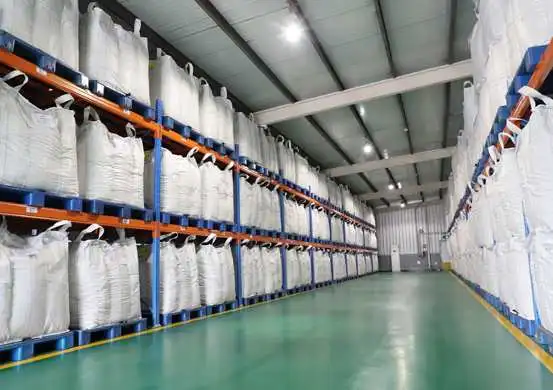
Core Criteria to Evaluate When Choosing a Phytosterol Supplier
Quality certificates are the basis of any trustworthy phytosterol production business. A phytosterol supplier's dedication to systematic quality control can be seen in their ISO 9001 quality management systems, GMP compliance for food or pharmaceutical uses, and, if necessary, their organic certifications. These certificates aren't just pieces of paper; they're part of complete quality systems that affect every part of production.
Quality Standards and Certifications
Check the supplier's tests and quality control methods in addition to basic certificates. Purity testing, heavy metals screening, microbial testing, and pesticide residue testing should all be part of a full test. Advanced providers keep their own labs that are fully stocked with high-tech analysis tools like gas chromatography and high-performance liquid chromatography systems.
Religious labels like "kosher" and "halal" are becoming more and more important for brands that want to reach more people. For these certificates, suppliers must be constantly supervised and provide proof of their ability to control processes and pay attention to details.
Supplier Reputation and Track Record
Looking into a supplier's past business gives you important information about how reliable they are and how well-known they are in their field. When a company has been around for decades, it usually has better quality processes and more in-depth expert knowledge. Case studies and comments from customers can tell you a lot about how well a product or service works in the real world, how reliable its delivery is, and how good its technical help is.
Another important factor that is often missed in the first reviews is financial security. Suppliers with strong finances are better able to buy new equipment, keep enough goods on hand, and handle market changes that could affect supply continuity.
Pricing Transparency and Commercial Terms
Competitive price includes more than just unit costs. It also includes the total cost of ownership, which includes things like shipping, quality testing, and possible repair costs. The pricing systems of phytosterol suppliers should make it clear what the base prices are, what the number savings are, and what the extra costs are for things like special packaging or faster shipping.
Different providers have very different minimum order amounts, which can have an effect on your cash flow and how you handle your inventory. Some makers have large minimum orders that may be more than what you need right now, while others are flexible and will lower the price for smaller amounts. Knowing these business terms ahead of time will keep talks from being unexpected.
Matching Supplier Capabilities to Your Business Needs
Different uses need phytosterol ingredients with different amounts of purity and specific properties. For pharmaceutical products, materials need to meet pharmacopeial standards and come with a lot of paperwork. For food uses, cost-effectiveness and handling stability may be more important. Clearly stating your exact needs helps suppliers better match your needs and lowers the chance of skill mismatches.
Application-Specific Requirements
Manufacturers of dietary supplements often look for phytosterol amounts that are the same and bioactivity profiles that are the same. Suppliers who understand the challenges of packaging and can offer scientific advice on how to improve formulations are helpful for these uses. On the other hand, functional food makers may focus on ingredients that stay stable during heat processing while still providing the needed usefulness.
Customised phytosterol products are in high demand because of the rise of niche markets like sports nutrition and medical foods. These specific needs can be met by suppliers who can blend materials and use adjustable production methods that keep quality standards high.
Sample Testing and Validation
Asking for samples is an important part of evaluating a seller because it lets you see and feel the quality and efficiency of the product. Not only should analytical specs be checked on a full sample, but also how well it works in your particular application. During this part of testing, important compatibility problems or speed gains are often found that affect the final choice of supplier.
Before committing to business relationships, pilot-scale testing with bigger sample sizes helps make sure that the method can be used on a larger scale and consistently. This method lowers the risks that come with production stopping while a provider changes.
Sustainability and Ethical Sourcing
Many companies that want to improve their corporate social responsibility profiles are now paying more attention to environmental responsibility and healthy buying practices. Suppliers that care about the environment often use green energy, run programs to cut down on waste, and buy raw materials in a responsible way.
Traceability paperwork that follows materials from where they are sourced to how they are processed shows that the supply chain is open and honest, and it backs up claims of sustainability. As customers and regulators call for more openness in where ingredients come from and how products are made, this paperwork becomes more important.
Comparative Analysis of Leading Phytosterol Suppliers in 2026
Large global companies and specialised regional makers are both in the phytosterol manufacturing market as phytosterol suppliers. Each has its own benefits that depend on the needs of the customer. Large companies usually have a lot of expert support, global delivery networks, and a wide range of products. On the other hand, specialised makers usually do a great job of customising products and giving quick customer service.
Technology and Manufacturing Capabilities
New methods for extraction and cleaning have a big effect on the quality and cost-effectiveness of a product. When compared to suppliers who use older separation technologies, those who use modern molecular distillation equipment and crystallisation methods usually get higher purity levels and better stability.
The size of a factory also affects its skill and ability to compete on price. For high-volume needs, large-scale continuous processing operations are often more cost-effective. On the other hand, smaller batch-oriented facilities may be more flexible for making unique goods or custom formulations.
Service and Support Infrastructure
Different providers offer very different levels of technical help, which can have a big effect on the success of formulations and the time it takes to get products to market. Leading providers have expert teams with a lot of experience in a wide range of applications. These teams can help with formulation, stability testing, and fixing throughout the whole product creation process.
A supplier's dedication to customer success can be seen in how quickly they respond to customer service requests, especially for pressing supply needs or technical problems. Suppliers that offer specialised account management and technical help 24 hours a day, seven days a week show that they understand how quickly new products need to be made these days.
Best Practices for Long-Term Supplier Relationships
To build long-lasting ties with phytosterol producers that work, you need to keep up with relationship management, performance monitoring, and strategy planning. Regular performance reviews that look at quality measures, delivery performance, and how well customer service works help find ways to improve and make working together stronger.
Performance Monitoring and Continuous Improvement
Using provider scorecards that keep track of key performance factors makes relationship management based on data possible. These measures should include things like consistent quality, on-time delivery, good technical help, and the ability to compete in the market. Regular review meetings give everyone a chance to deal with problems before they get out of hand and look for ways to work together to help everyone.
Quality agreements that spell out standards, testing methods, and how to handle deviations make sure that everyone knows what is expected of them and prevent confusion. These agreements should be live papers that change as needs do and rules are made official.
Strategic Partnership Development
The best connections between phytosterol suppliers go beyond just doing business. They also include working together to create new products, share market information, and solve problems together. When suppliers take the time to learn about your business goals and the challenges you face in the market, they become valuable strategic partners instead of just sellers.
Regular checks of suppliers, whether done by the company itself or by a third party, show that the company cares about quality and give the company a chance to learn about the supplier's skills and efforts to improve. These checks also make relationships stronger by showing that you care about the business.
Conclusion
Selecting the right phytosterol supplier demands systematic evaluation of quality control systems, production skills, and how well their business goals match your own. The best relationships combine high-level professional skills with competitive business practices and quick customer service. People who work in procurement who take the time to carefully evaluate suppliers and build relationships with them set their companies up for long-term success in the growing phytosterol market. Keep in mind that the cheapest provider might not be the best deal when you look at the total cost of ownership, the reliability of the supply, and the technical assistance.
FAQ
1. What certifications should I look for in a phytosterol supplier?
Some important certificates are ISO 9001 for quality management, GMP compliance for the right use (food-grade or medicinal), and any necessary organic certifications. Depending on the people you want to sell to, you may need to get extra licenses like ISO 22000 for food safety, Kosher, or Halal.
2. How can I verify product quality before placing large orders?
Ask for full records of analysis and test samples in your application, and think about getting third-party analytical proof. A lot of trustworthy sellers offer small amounts to test thoroughly, and you may even be able to visit their quality control labs to look around.
3. What are typical minimum order quantities for phytosterol products?
For specialty goods, the minimum order size is 25 kg, while for commodity-grade materials, it's several tons. Pharmaceutical-grade goods usually have higher base standards because they have to be made in a special way and go through a lot of tests.
Partner with CONAT: Your Trusted Phytosterol Supplier and Manufacturer
CONAT stands as a specialised phytosterol supplier with comprehensive manufacturing expertise in high-purity phytosterol powder and natural vitamin E derivatives. Our state-of-the-art facility combines advanced extraction technology with rigorous quality control systems, ensuring consistent batch-to-batch performance that meets the demanding requirements of supplement, food, and pharmaceutical applications. With decades of experience and complete ISO certifications, we offer competitive pricing, flexible minimum orders, and technical support that accelerates your product development timeline. Contact our expert team at sales@conat.cn to discuss your specific requirements and discover how our premium-grade phytosterol ingredients can enhance your formulations.
References
1. Journal of Functional Foods - Phytosterol Applications in Food Manufacturing: Quality Standards and Supplier Evaluation Criteria, 2024.
2. International Association of Dietary Supplement Manufacturers - Best Practices Guide for Phytosterol Procurement and Supplier Management, 2023.
3. Food and Drug Administration - Guidance for Industry: Phytosterol Ingredient Specifications and Manufacturing Standards, 2024.
4. European Food Safety Authority - Scientific Opinion on Phytosterol Quality Requirements and Supply Chain Management, 2023.
5. Nutraceutical Business Magazine - Global Phytosterol Market Analysis: Supplier Landscape and Procurement Strategies, 2024.
6. Pharmaceutical Technology International - Quality Assurance in Phytosterol Manufacturing: Supplier Selection and Relationship Management, 2024.
YOU MAY LIKE