
How to Identify Natural Tocopheryl Acetate on Labels
When reading product labels, it's important to pay attention to specific names and approval marks for tocopheryl acetate natural forms. Look for names like d-alpha-tocopheryl acetate or RRR-alpha-tocopheryl acetate, which mean that the source is natural and comes from organic oils instead of man-made chemicals made from petroleum. Verification that you can trust comes from certifications from COSMOS, Ecocert, or organic marking groups. Knowing these differences helps sourcing professionals decide if an ingredient is real, which makes sure that the quality of the formulation meets legal standards and customer expectations.
Introduction
As brands focus on clean-label products and natural active ingredients, the global market for vitamin E substitutes keeps growing. Tocopheryl acetate is a stable form of vitamin E that is used as a main ingredient in many products, including dietary supplements, functional foods, and medicines. But it's still hard for buying teams that are in charge of quality standards and legal compliance to tell the difference between naturally sourced variants and synthetic options.
This complete guide takes on these problems head-on. We give R&D directors, formulation managers, and procurement experts useful information on how to read labels, check certifications, and evaluate suppliers. Knowing about these factors helps people make smart buying choices that balance how well a product works, how trustworthy customers are, and how well it fits in the market. Natural elements are becoming more and more important in high-end products, so learning how to spot them is important for keeping the supply chain honest and protecting the brand's image.
Understanding What Natural Tocopheryl Acetate Is?
Origin and Extraction Methods
To make natural tocopheryl acetate, vitamin E is taken from vegetable oils, mostly sunflower, rapeseed, and soy oils. During the extraction process, the molecule's natural stereochemistry is kept, especially its RRR-alpha form. This biological origin makes it fundamentally different from manufactured forms made by chemical synthesis using trimethylhydroquinone from petroleum. Researchers think that the natural extraction offers better bioavailability and cellular activity because it keeps the chemical structure found in plants.
Key Functional Benefits
This substance saves cells from oxidative stress caused by free radicals because it dissolves in fat. In food supplement forms, it helps keep the heart healthy and the immune system strong. The acetate ester form is very stable during processing and storage. When eaten or applied to the skin, it changes back to active vitamin E. Because it is stable, it is very useful for companies that make functional foods that need to heat-process them or keep them for a long time. Studies have shown that it works to keep lipid-based products from going bad while also giving customers nutritional benefits.
Regulatory Framework and Safety Profile
The FDA has said that natural tocopheryl acetate, including natural tocopheryl acetate, is generally recognised as safe (GRAS) for use in food. When used in medicinal formulas, it meets the standards of the USP monograph and the European Pharmacopoeia. Clinical studies have shown that it is safe to eat up to the daily recommended amount, which is usually between 15 mg and 1000 mg, based on the application. Manufacturers of good products give a lot of paperwork, like certificates of analysis, allergen statements, and GMP compliance records. When making goods that have to meet strict quality control standards or foreign export rules, these regulatory guarantees become very important.
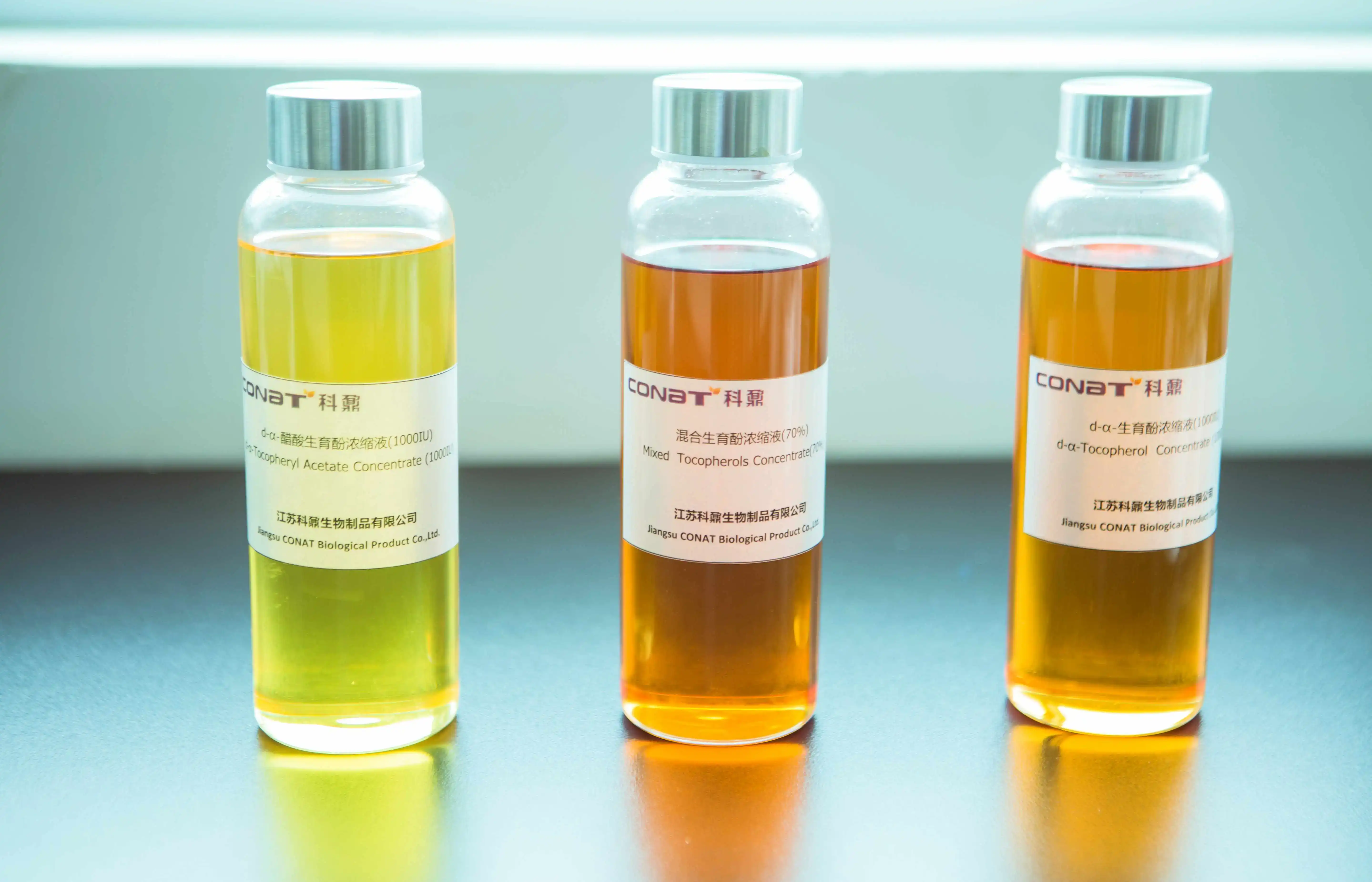
Common Labeling Practices and Terminology for Tocopheryl Acetate
INCI Nomenclature and Chemical Designations
Labels on products use different naming standards that people who work in buying have to figure out. The INCI name "Tocopheryl Acetate" is used everywhere, but that doesn't mean it comes from nature. The most important difference is in the stereochemical prefixes: "d-alpha-tocopheryl acetate" or "RRR-alpha-tocopheryl acetate" refer to natural sources. dl-alpha-tocopheryl acetate or all-rac-alpha-tocopheryl acetate, on the other hand, means that it was made in a lab. Some labels say "made from vegetable oils" or "from plants," which gives you more information. By understanding these naming trends, you can avoid costly mistakes in sourcing and make sure that the wording is correct.
Certification Logos and Third-Party Verification
Reputable approval marks are quick and easy ways to check natural claims. Getting a COSMOS Natural or COSMOS Organic approval means that strict natural and organic standards were met throughout the production process. Ecocert approval proves that the materials and methods used are safe. Natural tocopheryl acetate that comes from approved organic vegetable oils is labeled as "USDA Organic." More and more people are worried about genetic change, and Non-GMO Project Verified marks try to ease those worries. These independent third-party checks go beyond what the seller says, lowering the risk of buying and supporting marketing openness.
Distinguishing Authentic Natural Claims
Some labels aren't clear about where an item comes from. Phrases like "nature-identical" actually refer to manufactured production that aims to copy the shapes of molecules found in nature. Also, the phrase "naturally derived" can be misleading, since some manufactured processes start with natural materials but change them a lot with chemicals. Real sellers of natural tocopheryl acetate give thorough paperwork that shows where the raw materials come from and where the vegetable oil comes from. Stereochemical purity and the lack of manufactured markers should be confirmed by reports of analysis that are specific to each batch. Teams in charge of buying things should not just take label claims at face value; they should ask for full proof.
Comparing Natural and Synthetic Tocopheryl Acetate for Procurement Decisions
Chemical Structure and Biological Activity
The chemical structure of natural and artificial forms is very different. The only stereoisomer configuration found in natural d-alpha-tocopheryl acetate is RRR, which is the same structure as vitamin E found in foods. There are eight different stereoisomers of synthetic dl-alpha-tocopheryl acetate, but only one of them is the same as the natural form. Studies in the journals of nutritional biochemistry show that natural forms have better cellular activity and tissue preservation. Synthetic versions are cheaper per kilogram, but natural sources are often better for formulations in terms of efficiency per unit activity. This biological advantage is especially important for high-end food products that people expect to work as well as possible.
Supply Chain Considerations and Pricing
Natural tocopheryl acetate usually costs more than manufactured versions—about 30 to 50 percent more, based on the market and the number of orders. This difference in prices is due to the higher costs of farming raw materials, more complicated extraction methods, and smaller output sizes. But supply security has gotten better as companies increase their production to keep up with rising demand. Leading providers, such as Jiangsu CONAT Biological Products, keep separate networks for getting vegetable oil, which makes sure that large orders are always available. Professionals in procurement have to weigh the up-front costs against the long-term benefits, such as better product positioning, customer choice, and the chance to charge more.
Regulatory and Market Positioning Advantages
When dealing with regulations and customer standards, natural versions offer clear benefits. European markets are becoming more interested in natural ingredients, and rules in organic approvals support additives that come from natural sources. Similar tastes are being driven by clean-label trends in North America, especially in the sports nutrition and luxury supplement areas. Functional food companies that use cholesterol-lowering claims can benefit from putting natural ingredients in a way that appeals to health-conscious customers. In pharmaceutical uses, natural sources may be required for certain formulations where changes in bioavailability have an effect on clinical results. Because of how the market works, brands that compete in quality-focused areas can often afford to charge more.
Step-by-Step Guide to Verifying Natural Tocopheryl Acetate When Sourcing
Documentation Review and Supplier Credentials
To start the verification process, ask possible sources for detailed technical documents. The certificates of analysis should list the stereochemical makeup and prove that the RRR-alpha configuration is at least 95% pure. The steps for making something should include where the vegetable oil comes from and how it is extracted without using any chemicals that come from gasoline. The ISO 9001 quality management certification shows that quality is controlled in a planned way, and the ISO 22000 certification proves that food safety management systems are in place. GMP approval shows that good manufacturing practices have been followed, which is important for medicine and supplement uses. For some groups of people, Kosher and Halal certificates are important. Suppliers who don't want to give you specific paperwork should be viewed with suspicion.
This study of the documents sets a standard level of trustworthiness, but the verification process shouldn't end there. Compare what the seller says with what the sign says to make sure they are consistent. Look at the certificates to see if the batch numbers match the items that were shipped. Find out about the supplier's background by talking to people in the same business and reading reviews from past customers. Established companies that have been making phytosterols and vitamin E for decades show dependability that younger companies can't match. Companies like CONAT, which can do all the study, production, and testing, can guarantee that the standard will stay the same from one batch of products to the next.
Independent Laboratory Testing
When looking for new sources or making sure that important batches are safe, independent laboratory research is the only way to be sure. Chiral chromatography is used by approved testing facilities to find out where the stereoisomers are distributed. This confirms that the substance is natural by showing that it has a majority RRR-alpha structure. A heavy metal screen makes sure that there are no contaminants that would show that the raw material isn't of good quality. Microbiological testing makes sure that safety standards are being followed. Residual solvent research proves that the cleaning process worked. Testing costs more, but it guards against expensive formulation mistakes or problems with the law. Many procurement teams use regular natural tocopheryl acetate testing schedules, such as a full analysis for the first seller approval and then regular spot checks for orders that are still being processed.
Building Strategic Supplier Relationships
For long-term buying success, you need to work with makers who are dedicated to quality and openness, especially for ingredients such as tocopheryl acetate natural. When you can, schedule site checks where you can see the production and quality control processes for yourself. Set up clear ways to communicate with expert staff who know how to specify ingredients and meet application needs. Talk about the options for customization for special formulas or specific approval needs. Suppliers you can trust will let you know about any changes to regulations, work plans, or sources of raw materials that might affect delivery. These connections make the supply chain less unclear and allow people to work together to solve problems when application issues come up.
Conclusion
To find and buy real natural tocopheryl acetate, you need to pay close attention to terminology, approval, and source verification. The differences between natural and manufactured forms have a big effect on how well formulations work, how well they follow regulations, and how well they place themselves in the market. People who work in procurement who know how to read labels, expect full paperwork, and build relationships with specialized manufacturers have an edge in markets that are becoming more focused on quality. As more people choose clean-label products, spending money on strict verification methods and building relationships with suppliers pays off by making products more trustworthy and lowering risks in the supply chain.
FAQ
1. How can I verify that "natural" claims are legitimate?
Ask for analysis certificates that list the RRR-alpha stereochemical structure, which proves that the product comes from nature. Certifications from third parties like COSMOS, Ecocert, or USDA Organic show that the product is safe and organic. Suppliers should give full tracking paperwork that links finished goods to sources of vegetable oil. If you need to get a lot of it, you might want to have an independent lab test it with chiral chromatography to be sure of the stereoisomer distribution. Manufacturers with a good reputation welcome scrutiny and provide full paperwork on request.
2. What safety considerations apply to natural tocopheryl acetate?
When used in the amounts that are suggested, natural tocopheryl acetate is very safe. Dietary supplements can usually be used in amounts between 15 and 400 IU per day without any negative effects. People who are allergic to certain types of source vegetable oils may have rare sensitivity responses. Good providers give out allergy statements and safety data sheets that explain how to handle things properly. Pharmaceutical-grade materials are put through strict quality tests to make sure they don't contain any impurities. Overall, the safety profile supports a wide range of uses in the medicine, vitamin, and food industries.
3. Which certifications matter most for bulk procurement?
The ISO 9001 quality management certification shows that there is organized quality control, which is necessary for regular production. GMP approval shows that Good Manufacturing Practices are being followed, which is important for supplement and drug uses. Functional food makers need to know about ISO 22000 food safety management. Kosher and Halal licenses let you reach certain types of customers. Organic approvals from the USDA and the EU put natural product names in a higher category. More and more people are worried about genetic change in food, and non-GMO proof helps ease those worries.
Partner With CONAT for Authentic Natural Tocopheryl Acetate Supply
Your supply chain is affected by the decisions you make about where to get your products, how well they meet regulations, and how well your brand is known. The only thing that Jiangsu CONAT Biological Products makes is pharmaceutical-grade d-alpha-tocopheryl acetate and high-purity phytosterols and natural vitamin E products. Our sites for research, production, and testing are all connected and work together to keep strict quality standards. They are backed by ISO certifications, GMP compliance, and a lot of paperwork that supports regulatory entries around the world.
In order to find the best grades for each application, our experienced technical team works directly with formulation scientists and buying managers. We offer reliable shipping plans, uniform batch quality, and low prices whether you need large amounts of dietary supplements, functional drinks, or pharmaceutical formulas. As a reliable tocopheryl acetate natural provider, we offer full traceability from the sources of the vegetable oil to the finished goods.
You can email our team at sales@conat.cn to talk about your unique buying needs, get product samples, or get full technical specs. We'd love the chance to show you how our specialized knowledge and dedication to quality can help you reach your design goals and grow your business.
References
1. Rizvi S, Raza ST, Ahmed F, et al. "The Role of Vitamin E in Human Health and Some Diseases." Sultan Qaboos University Medical Journal, 2014.
2. Traber MG, Atkinson J. "Vitamin E, Antioxidant and Nothing More." Free Radical Biology and Medicine, 2007.
3. Horwitt MK, Elliott WH, Kanjananggulpan P, Fitch CD. "Serum Concentrations of Alpha-Tocopherol After Ingestion of Various Vitamin E Preparations." American Journal of Clinical Nutrition, 1984.
4. Burton GW, Traber MG. "Vitamin E: Antioxidant Activity, Biokinetics, and Bioavailability." Annual Review of Nutrition, 1990.
5. Blatt DH, Leonard SW, Traber MG. "Vitamin E Kinetics and the Function of Tocopherol Regulatory Proteins." Nutrition, 2001.
6. Brigelius-Flohé R, Traber MG. "Vitamin E: Function and Metabolism." FASEB Journal, 1999.
YOU MAY LIKE