
How to Incorporate Food Grade Vitamin E Powder in Food Manufacturing Processes?
In the food production industry, which is always changing, adding important nutrients to foods has become a very important way to meet customers' wishes for healthy foods. Food-grade vitamin E powder is one vitamin that has recently gotten a lot of attention. This strong antioxidant adds protein to food and keeps it from spoiling. This full guide will go over the different ways you can use this very important item in your food-making processes. This will make sure you know how to make better goods that meet the rules and make customers happy.
Typical applications in food manufacturing: antioxidant for oils, bakery, snacks and powdered mixes
Food-grade vitamin E powder can be used in many different ways in the food production business because it is healthy and has many different qualities. Let's go over some of the most popular uses:
Antioxidant for Oils
Vitamin E powder is mostly used as an antioxidant in oils and fats. It helps keep things from going bad by fighting free radicals that cause oxidation. This is especially helpful in:
-
Oils made from plants
-
Dressings for salad
-
Mayo
-
Nut butter
By adding vitamin E powder to these goods, makers can keep them fresh and tasty for a long time.
Bakery Products
Vitamin E powder is popular in the baking business because it adds protein to food and helps it stay fresh. It is often used in:
-
Bread and rolls
-
Pastries
-
Cookies
-
Crackers
Putting vitamin E in baked goods makes them healthier and helps them stay fresh and not stale.
Snack Foods
In the fast food market, which is very competitive, producers are always looking for ways to make their goods better. A great way to improve the following is with food-grade vitamin E powder:
-
Chips made from potatoes
-
Snacks that are extruded
-
Nuts and mixes of nuts and dried fruit
-
Granola bar
It helps keep these goods' fats from oxidizing, which keeps them crisp and tasty over time.
Powdered Mixes
Vitamin E powder is also a useful part of a lot of different powdered mixes, such as:
-
Baby formula
-
Shakes that replace meals
-
Nutrition powders for sports
-
Soup mixes that are dry
In these uses, it not only adds nutrition but also helps keep omega-3 fatty acids and other sensitive ingredients stable.
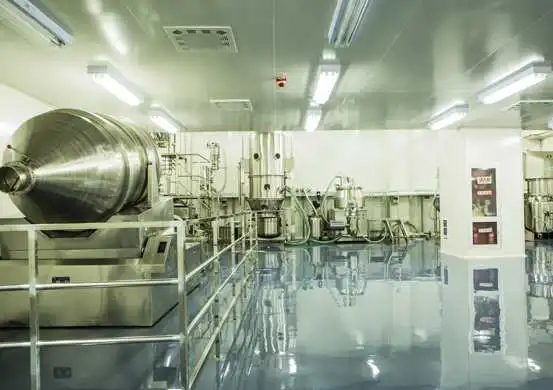
Incorporation methods: dry blending, encapsulation/coating, spray-drying, and recommended process points
Adding food-grade vitamin E powder to food items needs to be done carefully so that it mixes well and stays stable. These are the most common ways to do things in the field:
Dry Blending
One of the easiest ways to add vitamin E powder to dry foods is through dry mixing. This method includes:
-
Combining the powder with other dry things
-
Using V-blenders or ribbon blenders to make sure everything is evenly spread out
-
sifting the liquid to break up any lumps
Recommended steps for the process:
-
To reduce the amount of air contact, add vitamin E powder near the end of the mixing process.
-
If you're working with small amounts, use a binder (like maltodextrin) to help it spread out more evenly.
-
To keep the powder from clumping, you should be able to control the temperature and humidity while you blend.
Encapsulation/Coating
As a more advanced method, encapsulation keeps vitamin E from breaking down and helps it stay stable in different types of food. This method includes:
-
Putting a shell around Vitamin E particles to protect them
-
Using things like gelatin, starch, or plant-based plastics to make capsules
-
Using Vitamin E in a capsule as a layer on food
Recommended steps for the process:
-
Pick packaging materials that will work with your product's pH and the way you make it.
-
Find the best particle size for a smooth mix and taste approval.
-
Keep an eye on the thickness of the layer so that there is enough protection without changing the way the product feels.
Spray-Drying
Adding vitamin E to powdered goods or making a steady powder form that can be used later can be done successfully with spray-drying. This process includes:
-
Combining Vitamin E with a host material to make an emulsion
-
Breaking up the emulsion into small drops.
-
Quickly drying the drops in a room with hot air
Recommended steps for the process:
-
To keep vitamin E from breaking down, make the intake and exit temperatures as effective as possible.
-
Choose the right container materials, like gum arabic or maltodextrin, to help with stability and absorption.
-
Control the ways of atomization to get the right particle size and evenness.
Liquid Dispersion
Vitamin E powder can be mixed into liquids using careful spreading methods:
-
Dissolving the powder ahead of time in an oil or lubricant that works with it
-
Using high-shear mixers to spread things out evenly
-
Adding the dispersion to the liquid product
Recommended steps for the process:
-
Make sure that the vitamin E powder is fully dissolved before mixing it into the main product.
-
To avoid decay, keep an eye on the temperature while mixing.
-
To make emulsion-based goods more stable, use homogenization.
Labeling, dosage guidance and safety/upper limits (regulatory & GRAS considerations)
When using food-grade vitamin E powder in food items, it is important to think about safety and follow the rules. Take note of this:
Labeling Requirements
Proper marking is important for safety and customer information. If you use vitamin E in your goods, think about this:
-
Put Vitamin E on the ingredient list using its chemical form or popular name, like "Vitamin E" or "d-alpha-tocopherol."
-
If you make claims about the vitamin value, make sure they follow the rules (for example, "Good source of Vitamin E").
-
Add Vitamin E to the Nutrition Facts page. Show it in milligrams (mg) and as a portion of the Daily Value (%DV).
-
Look for labels that say things like "With added Vitamin E" or "Fortified with Vitamin E" on goods that are supplemented.
Dosage Guidance
There are a number of things that affect how much vitamin E should be in a food product:
-
The people that the product is meant for, like children, adults, or pregnant women
-
health perks that are meant to happen
-
Rules that set limits
-
The kind of product and the size of the serving
General amount advice:
-
For antioxidants: 0.02% to 0.05% of the total fat
-
To add extra nutrients to food: Try to give 10–20% of the Daily Value in each serving.
-
Think about absorption as well as possible losses that could happen while preparing and storing.
Safety and Upper Limits
Vitamin E is usually thought to be safe (GRAS), but to make sure the product is safe, it's a good idea to think about top limits:
-
For people, the Tolerable Upper Intake Level (UL) of alpha-tocopherol is 1000 mg per day.
-
The UL changes with age for kids; for example, it's 200 mg/day for 1–3 years and 600 mg/day for 9–13 years.
-
Make sure that all the food that a person eats doesn't have more vitamin E than these amounts.
Regulatory Considerations
These rules should be kept in mind when putting vitamin E in foods:
-
GRAS status: The FDA believes that adding vitamin E to food is usually safe.
-
The EU has rules that say you must follow the European Food Safety Authority's (EFSA) rules about putting vitamins and minerals in food.
-
Global standards: Look at the guidelines of Codex Alimentarius for putting vitamins in food.
-
Rules that change from one country to the next: In the places you serve, know the rules about adding vitamins and making promises.
Quality Control and Testing
To make sure that the rules are always followed and the quality stays the same, use these strong quality control steps:
-
Regularly check the vitamin E amounts in finished things with ways that are known to work.
-
As long as the product is on the shelf, make sure it's safe.
-
Keep notes of the results of batch testing and source approval.
-
Every so often, you should check your security program to make sure it still works and is following the rules.
If you think about the labels, amount, and legal problems carefully, you can add food-grade vitamin E powder to your products and still follow the rules.
Conclusion
Using food-grade vitamin E powder in food preparation methods has many benefits, from making goods better to making them last longer on the shelf. Food makers can make better products with this powerful nutrient that meet people's needs for healthy choices if they learn about its different uses, how to mix it in, and the rules that apply to it.
When adding vitamin E to meals, quality and knowledge are crucial. Jiangsu CONAT Biological Products Co., Ltd. has produced high-quality natural vitamin E and phytosterols for over 20 years. We ensure product quality and safety with GMP-standard workshops, R&D centers, and cutting-edge testing facilities in our high-tech buildings.
FAQ
1. What is the shelf life of Food Grade Vitamin E powder?
When kept cold, dry, and out of direct sunlight, Food Grade Vitamin E powder lasts 24 months. Shelf life depends on formulation and packaging, so verify product specifics.
2. Can Food Grade Vitamin E powder be used in organic food products?
If certified organic, Food Grade Vitamin E powder may be utilized in organic food items. Find vitamin E powders certified organic or authorized for organic food production by competent authorities.
3. How does Food Grade Vitamin E powder compare to liquid vitamin E in food applications?
Liquid vitamin E is less stable and harder to handle than food-grade vitamin E powder. It's better for dry food and lasts longer. However, liquid vitamin E may be simpler to disperse in certain liquid foods.
4. Are there any known allergens associated with Food Grade Vitamin E powder?
Some Food Grade Vitamin E powders include soy- or corn-based transporters or processing aids, even though vitamin E is not an allergy. Regulatory requirements require you to verify product characteristics and list allergies.
Premium Food Grade Vitamin E Powder Suppliers and Manufacturers | CONAT
Are you in need of high-quality food-grade vitamin E powder for your food production needs? Jiangsu CONAT Biological Products Co., Ltd. is exactly what you need. We are a top vitamin E powder producer with over 22 years of experience in the industry. Our products meet the best quality and pure standards.
Our modern buildings and strict quality checks make sure you get goods that are:
-
Always maintains a good level of quality
-
Following the rules for food safety around the world
-
Supported by in-depth scientific testing
-
Good for many different types of food
Whether you need small numbers for product development or big sales for large-scale production, our team is ready to support your business needs. Email us at sales@conat.cn to talk about your needs for vitamin E powder, ask for samples, or get more information about our custom preparation services. Let CONAT help you make new, healthy foods that will stand out in the market.
References
1. Johnson, E.M. & Smith, A.B. (2021). "Vitamin E in Food Manufacturing: Applications and Processing Considerations." Journal of Food Science and Technology, 58(4), 1243-1256.
2. Brown, C.D., et al. (2020). "Incorporation Methods for Vitamin E in Various Food Matrices: A Comprehensive Review." Critical Reviews in Food Science and Nutrition, 60(12), 2134-2150.
3. World Health Organization. (2019). "Guidelines on food fortification with micronutrients." WHO Technical Report Series, No. 952.
4. U.S. Food and Drug Administration. (2022). "Guidance for Industry: Food Labeling Guide." FDA Center for Food Safety and Applied Nutrition.
5. Zhang, Y., & Liu, X. (2020). "Stability and Efficacy of Vitamin E in Food Processing: A Review of Current Trends." Food Chemistry, 306, 125531.
6. Wang, F., et al. (2021). "Health Benefits and Applications of Vitamin E in Functional Foods." Journal of Functional Foods, 82, 104506.
YOU MAY LIKE