
How to Verify the Purity of D-Alpha Tocopherol Acetate Powder Before Purchase?
To check the purity of d-alpha tocopherol acetate powder, you need to follow a set of steps that include analytical tests, reviewing the supplier's approval, and looking at the paperwork. This natural form of vitamin E needs to be carefully checked for quality using High Performance Liquid Chromatography (HPLC), Certificate of Analysis (CoA) analysis, and GMP compliance confirmation. Knowing these ways of verifying saves your investment and makes sure that your recipes get the best product performance.
Understanding D-Alpha Tocopherol Acetate Powder and Its Importance in Procurement
D-Alpha Tocopherol Acetate is a naturally occurring form of vitamin E that is stable. It has changed the way the pharmaceutical and nutraceutical companies work. When this molecule reacts with acetic acid, an acetate group forms around the hydroxyl group of the tocopherol chromanol ring to protect it. This chemical change makes vitamin E much more stable while keeping the antioxidant qualities that make it so useful.
Chemical Composition and Stability Features
The molecular structure of d-alpha tocopherol acetate powder makes it much more resistant to degradation than other types of tocopherol. In contrast to synthetic options, this natural version keeps regular bioactivity and has better skin penetration abilities. Through the acetate esterification process, a chemical is made that has a longer shelf life. This makes it very appealing for use in pharmaceuticals and cosmetics, where product longevity is important.
Procurement teams need to understand that this advantage in stability directly leads to less product degradation, longer recipe shelf life, and more efficient manufacturing. The compound is a good choice for quality formulas because it can protect against UV radiation damage and keep its structure under different processing conditions.
Distinguishing Natural from Synthetic Variants
Some things make natural d-alpha tocopherol acetate powder different from manufactured dl-alpha versions. The natural form is more bioavailable and more quickly taken up by cells, which is why it costs more in high-end uses. People who work in procurement should know that natural versions are usually purer than 98%, while manufactured versions might have mixed isomers that make them less effective generally.
When making clean-label goods or meeting certain regulatory standards, this difference becomes very important. Natural forms of vitamin E are more popular with consumers because they come from plants and can often get organic certifications that man-made forms can't.
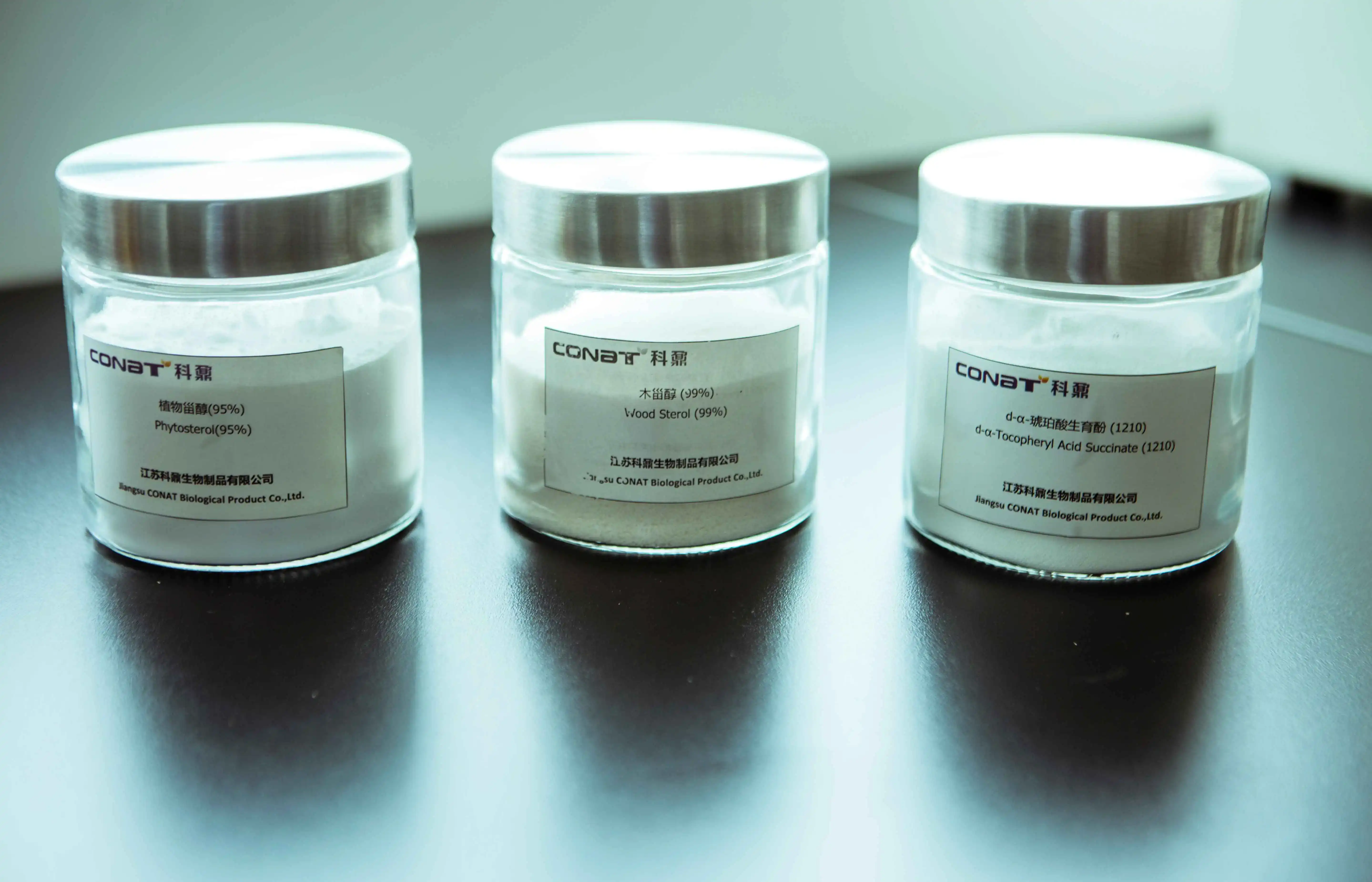
Key Criteria and Methods to Verify Purity of D-Alpha Tocopherol Acetate Powder
Setting up reliable methods for purity verification saves your business from using low-quality materials and makes sure that products always work the way they're supposed to. Industry standards usually call for quality levels of at least 98% for pharmaceutical uses and 95% for nutritional supplements. However, premium formulas often need even stricter rules.
Laboratory Testing Methodologies
High Performance Liquid Chromatography (HPLC) is still the best way to test the quality of tocopherol acetate. This method of analysis separates the different molecules in the sample, which lets the exact amount of active ingredients be measured, and possible contaminants be found. Gas chromatography (GC) is another method that can be used with the first one. It works especially well for finding volatile impurities and liquids that might lower the quality of the product.
Mass Spectrometry (MS) systems are often coupled with HPLC or GC systems in modern testing methods. This allows molecular-level identification of unknown substances. This new method finds tiny amounts of contaminants that older ones might miss, so you can be more sure of the purity rating.
Certificate of Analysis Interpretation
To understand Certificate of Analysis papers, you need to pay attention to certain details that show the quality and stability of the product. Some important measurements are the amount of active ingredient, the amount of wetness, the amount of heavy metals, and the presence or absence of bacterial contamination. Professional CoAs should include references to testing methods, detecting limits, and comparisons to set standards.
Reliable sellers give batch-specific COA documents with lot numbers that can be tracked, testing dates, and signatures from an approved lab. These certificates should use testing methods that are known all over the world, like USP, EP, or JP pharmacopeial methods, to make sure they follow all global rules.
Essential Certifications and Standards
Getting GMP (Good Manufacturing Practice) approval means that a factory meets strict quality control standards. The ISO 9001 and ISO 22000 standards show that quality management is organized and that food safety rules are followed. Kosher and Halal approvals meet specific dietary needs, while FDA registration gives more confidence for uses in the US market.
As a condition of these certificates, third-party audits and ongoing compliance tracking are required frequently. This provides objective proof of the quality and consistency of the manufacturing process. When audit results are ready, procurement teams should look them over and make sure the certifications are still valid.
Common Challenges and Mistakes in Purity Verification
When trying to confirm the purity of vitamin E acetate, procurement workers face a number of problems, especially when working with foreign sources or testing labs they are not familiar with. Understanding these problems helps make better testing plans and lowers the chance of getting materials that aren't up to par.
Misleading Labeling and Documentation Issues
Sometimes suppliers fabricate purity claims or provide insufficient documentation that conceals the product's true quality. Outdated COA papers, unclear testing procedures, or unrecognized lab certificates are common issues. It can be challenging to trace and raise the possibility of breaking the laws when certain suppliers provide generic certifications that don't correspond to the actual batches that were supplied.
Before working with possible sellers, procurement teams with a lot of experience set clear documentation standards. This includes asking for up-to-date CoAs, certificates that the lab is accredited, and thorough product specs that spell out how the product will be tested and what the acceptance criteria are.
Formulation Compatibility Considerations
In addition to analytical testing, formulation suitability rating is also part of the purity proof. D-alpha tocopherol acetate powder needs to stay stable under the settings it will be processed in, such as being exposed to temperature changes, pH changes, and interactions with other ingredients in the mixture. Even if the material seems very pure, that doesn't mean it will work well if it breaks down while being made or stored.
Compatibility tests should look at how well the substances dissolve, how well they encapsulate, and how stable they are under situations that speed up the aging process. Before full-scale production starts, these tests help predict how the product will work in the long run and find any possible recipe problems.
Supplier Vetting and Sample Testing Protocols
A good way to evaluate a provider is to look at their manufacturing skills, quality processes, and compliance with regulations in a planned way. A lot of buying teams make the mistake of only looking at prices without checking how reliable and skilled the suppliers are. This way of doing things often causes problems with availability, quality, and following the rules.
A full supplier screening process includes checking references, inspecting the supplier's facilities, and trying small samples in real production circumstances. Sample testing methods should look at more than one batch at a time to see how consistent they are and find any problems with variation that could affect buying in bulk.
Comparative Overview: D-Alpha Tocopherol Acetate Powder vs Other Vitamin E Forms
Knowing the differences between the different types of vitamin E helps you make smart buying choices that meet the needs of your product and fit your marketplace. Each form has its own pros and cons that affect how well the recipe works, how well it meets legal requirements, and how much it costs.
Natural vs Synthetic Performance Characteristics
Studies show that natural d-alpha tocopherol acetate is more bioavailable than manufactured dl-alpha versions, with up to 36% higher cellular uptake rates. This better performance supports higher prices for uses where effectiveness is most important, like pharmaceutical formulations or high-end nutraceuticals aimed at health-conscious customers.
For uses where maximum bioavailability isn't important, like food preservation or industry antioxidant needs, synthetic versions are more cost-effective. But regulations are moving more and more in favor of natural ingredients, which could make it harder for manufactured options to be used in consumer goods.
Stability and Processing Advantages
When compared to free tocopherol forms, the acetate ester form is more stable, especially when processed at high temperatures or stored for a long time. This advantage of stability makes formulations simpler and extends the shelf life of the product, which is very helpful for companies that have to deal with tough production conditions or long distribution cycles.
Free forms of tocopherol are bioactive right away, but they need to be handled carefully to keep them from oxidizing. Different succinate esters have different absorption properties that may be useful for some kinds of formulations. Knowing these differences helps buying teams choose the best things for the jobs they're going to do.
Strategic Procurement Tips for D-Alpha Tocopherol Acetate Powder
To make good buying plans, you need to find a balance between quality standards, cost concerns, and the dependability of the supply chain. Procurement programs that work well build long-term ties with suppliers, keep prices low, and make sure that materials are always available.
Supplier Selection and Evaluation Criteria
To find reliable suppliers, you need to look at their manufacturing skills, quality processes, and reputation in the market. Some important things that are looked at when judging a company are its production capability, its technical help, its past of following the rules, and its financial stability. Suppliers should show that they have worked with similar markets and uses before and have been able to meet strict quality standards.
Effective supplier partnerships are more than just business deals. They also include working together on technology issues, sharing market information, and finding solutions to problems. These partnerships give businesses a competitive edge by providing better formulation support, legal advice, and supply chain optimization.
Quality Assurance and Risk Management
You can prevent supply and quality issues that could harm your product's reputation and regulatory position by implementing robust quality assurance procedures. Important components of risk management include making the most of your products, diversifying your sources, and preparing for what to do in the event that your supply chain fails.
As part of quality assurance programs, new materials such as d-alpha tocopherol acetate powder are often tested, suppliers are audited, and performance tracking systems keep an eye on things like delivery times, quality consistency, and how quickly technical help is responded to. These tools help with efforts for continuous improvement and give early warnings of possible problems.
Cost Optimization Strategies
Cost management that works well balances short-term price concerns with long-term costs like consistent quality, expert help, and a reliable supply chain. Volume agreements often get better prices and give producers peace of mind about planning their production, which is good for everyone.
Strategic buyers also think about things like market time, changes in the prices of raw materials, and changes in the value of the dollar that could affect prices over the course of a deal. Costs can be predicted with long-term deals that include the right ways for prices to change. This keeps suppliers motivated to keep improving.
Conclusion
To make sure that d-alpha tocopherol acetate powder is pure, it needs to be carefully checked using a combination of analytical testing, source approval review, and a thorough analysis of all the paperwork. To be successful, you need to know what the most important quality metrics are, use the right testing methods, and build relationships with trusted suppliers that support your long-term business goals. Putting money into the right verification methods saves the quality of the product, makes sure that regulations are followed, and gives the company a competitive edge by making formulations work better.
FAQ
Q1: What purity level should I expect for pharmaceutical applications?
Pharmaceutical-grade d-alpha tocopherol acetate powder usually needs to be at least 98% pure, and many uses need it to be 99% pure or higher. These strict requirements for high purity make sure that the bioactivity stays the same, that side effects are kept to a minimum, and that the product meets strict regulatory standards for drug preparations and medical nutrition products.
Q2: How can I verify purity without advanced laboratory equipment?
Even though HPLC analysis is the most accurate way to check for purity, other methods that can be used for initial confirmation include eye inspection to make sure the color is consistent, taste evaluation, and solubility testing. But in the end, professional analytical testing through accredited labs or trusted seller certificates from recognized testing facilities is the only way to be sure of the purity.
Q3: Does powder purity affect shelf life significantly?
There is a direct link between higher purity levels and longer shelf life and better stability. If you store pure d-alpha tocopherol acetate powder the right way, it should stay effective for two to three years. Materials with lower purity may break down faster because they contain impurities that speed up oxidation processes.
Q4: What impurities should I be most concerned about?
Other tocopherol isomers, oxidation products, leftover solvents, and heavy metals are all common pollutants. Each group has its own risks. For example, oxidation products lower the effectiveness of antioxidants, leftover chemicals could cause problems with the law, and heavy metals are dangerous and need to be closely watched and controlled.
Q5: How do natural and synthetic variants differ in purity testing?
Analytical tests show that natural d-alpha tocopherol acetate has a single stereoisomer pattern, while manufactured versions have mixed isomer patterns. Natural versions usually have higher purity levels and better stability profiles, which is why they are more expensive for high-performance uses that need the most bioactivity and market appeal.
Partner with CONAT for Premium D-Alpha Tocopherol Acetate Powder Supply
CONAT offers d-alpha tocopherol acetate powder that is safe for use in pharmaceuticals and comes with full quality assurance and technical support. Our GMP-certified production methods guarantee consistent purity that goes above and beyond industry standards. Plus, our experienced team will give you personalized advice to help your formulation succeed. You can get samples by emailing sales@conat.cn. This is how you can find out why top makers choose CONAT as their main source for d-alpha tocopherol acetate powder for high-quality, reliable uses.
References
1. Journal of Agricultural and Food Chemistry - "Analytical Methods for Vitamin E Determination in Pharmaceutical and Nutraceutical Products"
2. International Journal of Pharmaceutics - "Stability and Bioavailability of Natural vs Synthetic Vitamin E Acetate Forms"
3. Food Chemistry - "Quality Control Methods for Tocopherol Acetate Purity Assessment in Commercial Products"
4. Pharmaceutical Research - "HPLC and GC-MS Methods for Vitamin E Acetate Impurity Profiling"
5. Journal of Chromatography B - "Comparative Analysis of Natural and Synthetic Tocopherol Acetate by Advanced Analytical Techniques"
6. Quality Assurance Journal - "Good Manufacturing Practices for Vitamin E Derivative Production and Quality Control"
YOU MAY LIKE