
How Tocopherol Penetrates the Skin Lipid Layer
Tocopherol can get into the skin because it is lipophilic, which means it can easily blend into the lipid bilayers of the stratum corneum. Once it is put on, tocopherol HAUT interactions let the molecule break up into ceramides, cholesterol, and fatty acid-filled intercellular lipid domains. This natural attraction makes it easier for antioxidants to get deep into cells, where they protect membranes from oxidative stress and improve barrier integrity. Business-to-business people who buy vitamin E ingredients for use in cosmetics, supplements, and medicines need to understand how this process works.
Introduction
Tocopherol, which is also known as vitamin E, is one of the most important ingredients in current skin care products and nutritional supplements. It's important for B2B procurement pros, like R&D leaders, formulation managers, and ingredient sellers, to know how tocopherol haut affects skin structures as the market gets more competitive. This guide looks at the science behind how tocopherol gets into the skin's lipid layers, turning complicated medical studies into useful information for buyers. By relating molecular behavior to real-world sourcing issues, we hope to help people make better decisions that improve the effectiveness of products, make sure they follow the rules, and make them more competitive in the dietary supplements, functional foods, and pharmaceutical nutrition sectors.
Understanding Tocopherol and Its Role in Skin Health
The Chemical Structure and Antioxidant Properties
Tocopherol comes in eight different forms in nature, including four tocopherols and four tocotrienols. RRR-alpha-tocopherol, which is also known as d-alpha-tocopherol, has the most biological activity of these. This stereoisomer has a chromanol ring system connected to a phytyl tail, making it a lipophilic chemical structure. d-alpha-tocopherol's elements are arranged in a way that makes it connect with cellular membranes in the best way possible. There, it neutralizes free radicals by giving hydrogen atoms to peroxyl radicals. This antioxidant process stops lipid peroxidation, which protects skin cell membranes from reactive damage that makes aging faster and breaks down barriers.
Natural Versus Synthetic Forms: Critical Procurement Distinctions
The success of a product is greatly affected by the difference between natural and synthetic tocopherol. Natural alpha-tocopherol that comes from organic oils has only one stereoisomer configuration (RRR-alpha-tocopherol). Synthetic forms, on the other hand, have all eight stereoisomers mixed together, which is called all-rac-alpha-tocopherol. According to research, only the 2R-forms have significant biological action. This means that manufactured versions are only about half as effective as natural sources. Labels on products should be carefully read by procurement professionals, as natural forms list "d-alpha-tocopherol" and synthetic versions list "dl-alpha-tocopherol." This difference affects both bioavailability and clean-label positioning, which is important for brands that want to attract health-conscious customers.
Supporting Skin Barrier Function and Hydration
In addition to being an antioxidant, tocopherol directly helps keep the skin layer intact. Studies show that taking extra vitamin E boosts the production of ceramide in the stratum corneum. This strengthens the lipid structure that stops water loss through the epidermis. Tocopherol haut is very useful in formulas for dry, sensitive, or damaged skin because it protects current lipids and encourages the production of barrier components. Understanding these processes is helpful for B2B clients who are making functional foods or dietary supplements because they back up health claims and help differentiate products.
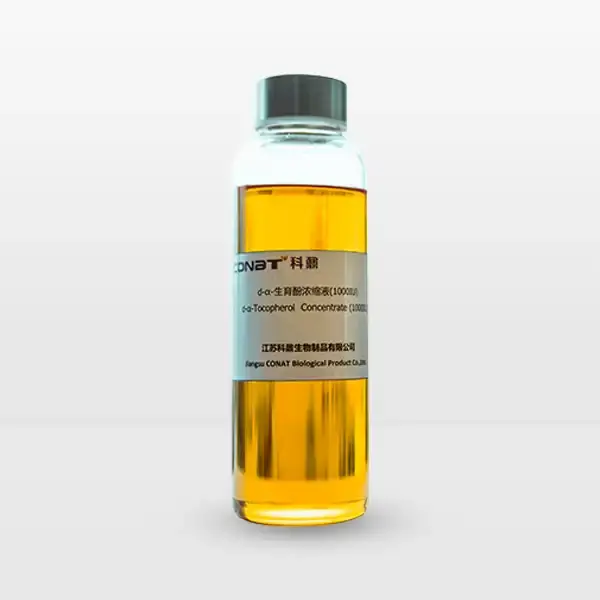
Mechanism of Tocopherol Penetration Through the Skin Lipid Layer
Skin Lipid Architecture and Barrier Properties
The stratum corneum is the top layer of skin. It is made up of corneocytes that are surrounded by organized lipid bilayers that are made up of cholesterol, ceramides, and free fatty acids. This "brick-and-mortar" structure acts as a strong defense against outside substances and keeps wetness in. The lipid bilayers arrange themselves in lamellar shapes, with areas that don't like water and areas that do. Understanding this structure helps us understand why lipophilic molecules, like tocopherol, can get through skin barriers more easily than hydrophilic chemicals, which find it hard to get through the lipid-rich paths between cells.
Lipophilic Nature Facilitates Integration
Tocopherol's chemical structure includes a phytyl tail that dissolves in fat, which lets it dissolve directly into skin lipid domains. When applied to the skin, tocopherol HAUT molecules move into the lipid bilayers through passive diffusion, which is caused by differences in content. The chromanol head group is close to the bilayer border, which is where oxidative processes happen, and the phytyl tail goes into the core of the bilayer, which doesn't like water. This position improves the antioxidant's effectiveness right where free radicals hit membrane lipids. Since the process doesn't need active transport systems, it's possible to pretty accurately predict how well it will penetrate different skin kinds and conditions.
Factors Influencing Penetration Efficiency
Tocopherol uptake rates are affected by a number of factors. The molecular size is important, and tocopherol's modest molecular weight (about 430 Da) is perfect for transdermal delivery. Formulation vehicles have a big effect on entry. For example, oil-based carriers make tocopherol more soluble and compatible with skin, while emulsion systems may slow transport but make it more stable. The level of humidity in the skin also affects entry; skin that is well-hydrated has more fluid lipids, which makes it easier for tocopherol to mix in. Temperature and blockage are two environmental factors that can speed up absorption. Formulators can design delivery methods that make a product more bioavailable for certain uses by understanding these factors.
Comparative Absorption: Tocopherol Forms and Derivatives
Different kinds of vitamin E have different levels of uptake. D-alpha-tocopheryl acetate is an esterified product that needs to be broken down by skin esterases before it can work as an antioxidant. This conversion step slightly slows things down, but it also makes them much more stable on the shelf, which is a trade-off that affects choices about how to formulate. Tocotrienols have fatty side chains that make them better at spreading across membranes than tocopherols, but they are less stable. When B2B workers look for ingredients, they have to think about cost, stable needs, and how fast the ingredients penetrate. Even though it costs more, natural d-alpha-tocopherol is better for quality formulas because it is more bioavailable.
Key Considerations for Selecting Tocopherol-Based Skin Care Products
Evaluating Formulation Types for Optimal Delivery
Different formulation methods give tocopherol in very different ways. Most serums have higher amounts of active ingredients that are dissolved in light carriers. This lets them penetrate quickly but needs careful stability management. Creams and creams use tocopherol in emulsion structures to slow down delivery while improving product stability and allowing for longer-lasting release. Tocopherol is delivered by pure oils, which are best for skin because they are more friendly with it, but they may feel heavy on some skin types. Similar distribution problems should be thought about by B2B clients making nutraceutical supplements or functional foods. Tocopherol absorption and stability are affected by capsule materials, food matrices, and processing conditions.
Purity, Stability, and Cost Analysis
High-purity tocopherol sources make sure that each batch works the same way and keep legal issues to a minimum. Pharmaceutical-grade materials are usually more than 96% pure, which means they meet strict GMP standards for making drugs and medical diet goods. Depending on how they are extracted, food-grade tocopherols stay between 70 and 96 percent pure, making them good for health vitamins and functional drinks. One thing to think about when thinking about stability is how easily something can oxidize. For example, tocopherol HAUT breaks down while protecting other molecules. Esterified forms, such as d-alpha-tocopheryl acetate, don't oxidize when they're stored, but they do need to be activated by enzymes. Differences in price are caused by things like pure levels, source materials, and approval needs. Natural tocopherol is expensive, but it lets brands make clean-label claims that appeal to people who care about quality.
Quality Assessment Criteria for B2B Procurement
Setting strong quality standards saves investments in buying and guarantees the success of formulation. Some important criteria for evaluation include checking the stereoisomer composition using chiral chromatography to make sure that bioactive RRR-alpha-tocopherol is present and not manufactured mixes. The peroxide value test checks how fresh an ingredient is; high values mean that the ingredient is breaking down due to oxidation, which makes it less effective. Heavy metal screening, microbial tests, and residue solvent analysis make sure that all medicinal, food, and cosmetic uses follow safety rules. Certificates of Analysis, allergen statements, GMO status, and related certificates like ISO 9001, ISO 22000, GMP, Kosher, and Halal should all be included in supplier paperwork, depending on the target markets.
Procurement Insights: Partnering with Reliable Tocopherol Suppliers and Brands
Criteria for Evaluating Tocopherol Manufacturers
To choose qualified providers, you need to evaluate them in a planned way across a number of different areas. Advanced extraction methods that keep the consistency of tocopherol while meeting purity goals should be part of the manufacturing process. Certification of quality management systems to ISO 9001 and GMP standards shows that a company is dedicated to providing reliable product quality. Analytical skills are important, and providers should have their own labs where they can check identities, check for purity, and test for stability. Supply chain transparency lets you track where the raw materials come from, all the way to the end packaging, which helps with audits and government filings. Better providers stand out because they offer better technical support. Experienced teams give formulation advice, stability data, and regulatory paperwork that speed up product development.
Documentation and Regulatory Compliance
Detailed paperwork speeds up the approval process for regulations in all global markets. Suppliers should give thorough information about what they're selling, such as the chemical makeup, physical qualities, analytical methods, and data on longevity. Regulatory status paperwork shows that the product meets FDA rules for food supplements, EFSA rules for European markets, and related pharmacopoeial monographs. Certain market needs are met by allergen labels, BSE/TSE statements, and GMO certificates. Export compliance paperwork, like health certificates, free sale certificates, and certificates of origin, makes foreign trade easier. Professionals in procurement should set clear paperwork requirements from the start. This way, suppliers will be able to quickly meet the needs of each state.
Bulk Ordering Strategies and Supply Chain Optimization
When you buy in bulk, you can combine the costs of goods with the security of your supply. Because tocopherol HAUT is easily oxidized, it needs to be stored in a controlled way. Using nitrogen blankets, blocking light, and controlling temperature can help it last longer. Minimum order amounts depend on the supplier and the grade of the product. Materials made for pharmaceuticals usually need bigger pledges than materials made for food. When setting prices, the total cost of ownership should be taken into account. This includes freight, storage, quality testing, and any waste that might be created from wear and tear. By building long-term relationships with suppliers, you can get savings for buying in bulk, get priority during shortfalls, and work together to create new products. Dual-sourcing methods lower the risk of supply disruptions while keeping prices affordable.
Conclusion
Knowing how tocopherol works and how it gets through the lipid layers of the skin helps B2B buying workers make decisions about where to buy things that are based on science. The molecule's lipophilic shape lets it naturally blend into the lipids that make up the skin barrier, providing antioxidant defense right where it's needed. Being able to tell the difference between natural and manufactured d-alpha-tocopherol has a big effect on their biological effectiveness and their "clean label" standing. To make a good purchase, you need to look at the supplier's quality systems, analytical power, paperwork completeness, and expert help. Brands can make better goods for dietary supplements, functional foods, pharmaceutical nutrition, and other uses by choosing the right ingredients, using advanced formulation methods, and building trusting relationships with suppliers.
FAQ
1. What distinguishes natural from synthetic tocopherol in terms of bioavailability?
Natural tocopherol is made up of only RRR-alpha-tocopherol (d-alpha-tocopherol), which is the medically active stereoisomer. The synthetic versions have eight stereoisomers mixed in an equal amount (all-rac-alpha-tocopherol), but only the 2R-forms are active. What this means is that natural tocopherol is about twice as bioavailable as manufactured versions. If procurement workers care about effectiveness and clean labeling, they should choose natural d-alpha-tocopherol even though it costs more. Labels that say "d-alpha-tocopherol" come from natural sources, while labels that say "dl-alpha-tocopherol" come from man-made sources.
2. How do certifications impact tocopherol sourcing decisions?
Certifications prove that a supplier's quality systems work and that the product meets government standards. ISO 9001 certification shows that quality management is consistent, and GMP certification shows that pharmaceutical production standards are met, which is important for making drug formulas and medical nutrition products. ISO 22000 talks about managing food safety, which is very important for healthy foods and dietary supplements. Kosher and Halal approvals help brands that cater to certain groups of people get into more markets. Procurement pros should make sure that certification standards are in line with the markets and applications they want to reach, and they should ask for up-to-date certificates during the qualification process for suppliers.
3. Can tocopherol address stability challenges in formulations?
Tocopherol haut works as both an active agent and a recipe stabilizer, keeping other parts that are easily damaged by oxidation safe. But tocopherol needs to be kept stable by esterification (which makes tocopheryl acetate), nitrogen blanketing, light-protective packing, and cool storage. Tocopherol's stability is affected by its formulation pH, the presence of metal ions, and its exposure to air. Careful choice of ingredients, processing controls, and package design are needed to make products that balance tocopherol's ability to protect against its own tendency to break down.
Partner with CONAT for Premium Tocopherol Solutions
Jiangsu CONAT Biological Products Co., Ltd. makes natural vitamin E and phytosterol ingredients that are very pure and meet the strict needs of B2B clients around the world. Our advanced extraction methods protect the stability of tocopherol haut, giving you pharmaceutical-grade d-alpha-tocopherol that is more than 96% pure in terms of its stereoisomer. Full ISO 9001, GMP, Kosher, and Halal certifications help products that are used in dietary supplements, functional foods, medicinal nutrition, and animal nutrition follow the rules. Our skilled technical team offers full formulation help, data from stable tests, and personalized paperwork for regulatory filings. If you're making supplements to lower cholesterol, functional drinks with added antioxidants, or specialized medical nutrition goods, CONAT is the tocopherol haut provider you can trust. They offer consistent batches, clear supply chains, and low bulk prices. For detailed product specs, sample requests, and quotes that are suited to your particular formulation needs, please email our buying experts at sales@conat.cn.
References
1. Traber, M.G. (2014). Vitamin E Bioavailability and Mechanisms of Cellular Uptake. Journal of Nutritional Biochemistry, examining stereoisomer-specific absorption and tissue distribution.
2. Podda, M. & Grundmann-Kollmann, M. (2001). Skin Barrier Function and Natural Vitamin E Distribution in Human Epidermis. Journal of Investigative Dermatology, analyzing tocopherol penetration pathways.
3. Burton, G.W. & Ingold, K.U. (1989). Antioxidant Mechanisms of Vitamin E in Biological Membranes. Annual Review of Nutrition, detailing free radical scavenging mechanisms.
4. Thiele, J.J. & Ekanayake-Mudiyanselage, S. (2007). Tocopherol and Tocopheryl Acetate Stability in Dermatological Formulations. International Journal of Cosmetic Science, comparing ester versus free forms.
5. Packer, L. & Weber, S.U. (2001). Vitamin E Function and Metabolism in Skin. Free Radical Biology and Medicine, exploring cellular uptake and regeneration cycles.
6. EFSA Panel on Dietetic Products, Nutrition and Allergies (2015). Scientific Opinion on Natural versus Synthetic Alpha-Tocopherol Bioequivalence. EFSA Journal, providing regulatory perspective on stereoisomer activity.
YOU MAY LIKE