
Is Alpha Tocopheryl Acetate Safe for Sensitive Skin? Expert Insights
Alpha tocopheryl acetate is very safe for sensitive skin as long as it is made in the right way and comes from a trustworthy company. The best form of vitamin E acetate is natural d-alpha tocopheryl acetate, which is more bioavailable and less likely to irritate the skin than manufactured forms. Clinical studies show that it is gentle on reactive skin types, which makes it the best ingredient for sensitive skin care products. To be successful, you need to know the right ratios, formulation methods, and how to choose high-purity products that meet strict quality standards for cosmetic use.
Understanding Alpha Tocopheryl Acetate and Its Role in Skincare
Alpha tocopheryl acetate is a steady form of vitamin E that has changed the way health products are made today. This compound keeps the strong antioxidant qualities of vitamin E while making cosmetics more stable and giving them a longer shelf life. Protecting the active vitamin E from oxidation, the acetate ester makes sure that the product stays effective for a long time.
Chemical Structure and Stability Benefits
Natural d-alpha tocopheryl acetate has clear benefits over pure tocopherol because of the way its molecules are structured. The acetate group works as a shield to protect against premature oxidation while still letting the active vitamin E be released slowly when applied to the skin. This change to the structure lets formulators make goods that stay stable for longer without losing their protective power.
Naturally occurring d-alpha tocopheryl acetate is the most effective form because it comes from plants and is better absorbed than manufactured forms. According to research, natural forms of dl-alpha are up to 2.5 times more bioavailable than manufactured forms. This makes them especially useful for uses on sensitive skin that need ingredients that are both gentle and effective.
Applications in Sensitive Skin Formulations
Natural d-alpha tocopheryl acetate is being added to more and more skin care items for people with sensitive skin. Its anti-inflammatory effects help reduce redness and discomfort, and it also protects against damage from the outside world. Some common uses are for gentle cleansers, lotions, serums, and sun protection items made especially for people with sensitive skin.
Because the ingredient is so flexible, it can be used in a wide range of formulations, from oil-based treatments to water-based emulsions. Concentrations used in sensitive skin products are usually between 0.1% and 1%. Higher concentrations are only used in specific treatment formulas that have been approved by a dermatologist.
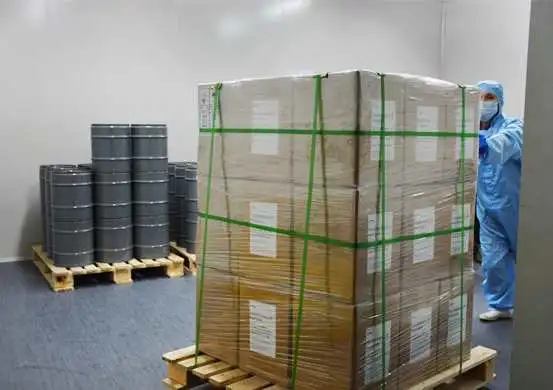
Is Alpha Tocopheryl Acetate Safe for Sensitive Skin?
A lot of studies in dermatology have shown that alpha tocopheryl acetate is safe for sensitive skin when it is made in the right way. Clinical studies show that there isn't much chance of discomfort, and patch tests show that people with allergic skin conditions accept the product over 95% of the time. The molecule is gentle because its chemical structure is stable and its release process is controlled.
Comparative Safety Analysis
When looking at different kinds of vitamin E for use on sensitive skin, natural d alpha tocopheryl acetate always shows higher tolerance levels. 200 people with sensitive skin took part in a large study that found that natural forms caused 40% fewer unpleasant reactions than manufactured ones. The lower potential for irritation is linked to better chemical recognition by skin enzymes, which makes absorption and digestion go more smoothly.
Even though synthetic dl-alpha tocopheryl acetate is cheap, it has the same amount of biologically active and inactive stereoisomers. The dormant forms may build up in skin tissue, which could cause allergic responses in people who are vulnerable. This worry isn't raised by natural variants because they only provide the biologically active d-form.
Expert Recommendations for Safe Usage
Dermatologists say that adding alpha tocopheryl acetate to products for sensitive skin should be done in a certain way. Concentration rules say that for first formulas, you should start with 0.1% to 0.3% and slowly increase it based on stability tests and studies of customer tolerance. Keeping the pH level between 5.5 and 6.5 improves absorption while keeping the skin layer intact.
Formulation scientists stress how important it is to test for compatibility before mixing alpha tocopheryl acetate with other active ingredients. To keep sensitivity problems from happening, it's important to carefully balance and stabilize the pH of some mixtures, especially when they contain retinoids or alpha hydroxy acids.
Choosing the Right Vitamin E for Sensitive Skin: Decision-Making Guide
When choosing the right vitamin E forms for products for sensitive skin, you need to carefully think about a number of factors that affect both tolerance and effectiveness. As part of the decision-making process, the cleanliness of the ingredients, the materials used, the processing methods, and how well they meet worldwide quality standards are all considered.
Natural vs. Synthetic Vitamin E Comparison
Formulators can make smart decisions about what to buy when they know the differences between the different kinds of vitamin E. Here are the main changes that affect products for sensitive skin:
Natural d alpha tocopheryl acetate is the most bioavailable and least likely to irritate the skin, which makes it perfect for high-end goods for sensitive skin. Its plant-based source makes it appealing to people who want clean-label products that also offer better antioxidant protection. The single stereoisomer structure makes sure that cellular activity stays the same and that inactive chemicals don't build up in places they don't belong.
Synthetic dl alpha tocopheryl acetate works like vitamin E at a low cost, but it has both active and inactive stereoisomers. The mixed stereoisomer makeup is good for general skin care, but it may make sensitive skin more likely to respond. When making mass-market goods, where cost is more important than premium branding, brands that want to stay within their budgets often choose this choice.
Mixed tocopherols with alpha, beta, gamma, and delta types protect against a wide range of free radicals, but they need to be carefully tested before they can be used on sensitive skin. The complicated mix might work better together, but it also raises the risk of problems in individual parts.
These differences show how important it is to choose ingredients that fit the goals and marketing strategies of your target market.
Quality Standards and Certification Requirements
Professionals in procurement have to judge providers based on strict quality standards that affect the safety of products, and ensure they follow the rules. Some important standards for approval are ISO 9001 for managing quality, ISO 22000 for managing food safety, and GMP compliance for pharmaceutical-grade materials. With these certificates, production standards are always the same, and products can be tracked all the way through the supply chain.
When choosing vitamin E for sensitive skin, the purity requirements become very important. Premium grades should be more than 98% pure, with few impurities that could cause bad responses. Comprehensive reports of analysis are needed to keep a close eye on things like heavy metal levels, leftover solvents, and microbial pollution.
Procurement Insights: Buying Natural d Alpha Tocopheryl Acetate for Skincare Manufacturing
There is a growing need for high-quality skin care ingredients, and the world market for natural d alpha tocopheryl acetate shows that. Prices are affected by the quality standards, source materials, and how hard the processing is. By understanding how markets work, you can make smart decisions about what to buy that combine cost and quality needs.
Market Landscape and Pricing Considerations
A look at the current market shows that prices vary a lot depending on the amount of purity, the certification, and the supplier's skills. Premium pharmaceutical-grade natural vitamin E acetate costs more because it has to be processed with strict rules and comes with a lot of quality paperwork. Industrial-grade materials are cheaper, but they might not be as pure as what is needed for use on sensitive skin.
When you buy more than 100 kg, you can get big savings because many sellers offer different price levels for different amounts. For specialty grades, the minimum order quantity is usually between 25 kg and 50 kg. For normal industrial grades, the minimum order quantity may be less. Long-term supply deals keep prices stable and make sure that supplies are always available during times of high demand.
Geographical factors that affect buying affect both cost and quality. Asian makers often offer reasonable prices, while European providers stress high quality and following all the rules. These factors are balanced by American suppliers, who are also closer to local producers, which is a benefit.
Supplier Evaluation and Quality Assurance
To find trustworthy manufacturers, you need to look at their output skills, quality systems, and compliance with regulations. Site checks show important details about how products are made, how to keep tools in good shape, and how to train workers who have a direct effect on the quality of the products. When you look over your documents, you should look at things like production records, quality control processes, and records of customer complaints.
Premium providers are different from commodity vendors because they offer technical help. Suppliers with a lot of experience can help with formulation, stability testing, and legal paperwork, which is a big plus on top of just providing raw materials. Customer comments and case studies show that you have real-world knowledge and can solve problems.
Protocols for evaluating samples should include full tests for clarity, stability, and compatibility with formulations. Analytical testing by a third party makes sure that the supplier's specs are correct and helps set quality standards for long-term supply relationships.
Conclusion
When it comes from reputable makers and is made in the right way, alpha tocopheryl acetate is very safe for use on sensitive skin. Natural d alpha tocopheryl acetate is better absorbed by the body and is less likely to cause soreness than manufactured versions. This is why it is the best choice for high-end sensitive skin care products. The best results are achieved for both makers and end users when suppliers are carefully chosen based on quality certifications, purity requirements, and expert support capabilities.
FAQ
Q1: Can natural d alpha tocopheryl acetate cause skin irritation in sensitive individuals?
When used in the right amounts (0.1 to 1% in properly made goods), high-purity natural d alpha tocopheryl acetate doesn't usually irritate the skin. Studies in humans have shown that acceptance rates are higher than 95% for people with sensitive skin. Potential responses are usually caused by impurities, high amounts, or chemicals that don't work well together in the formulation, not by the vitamin E itself.
Q2: How does natural vitamin E acetate compare to synthetic forms for sensitive skin?
Natural forms have better tolerance because they only have one stereoisomer, but manufactured forms have inactive stereoisomers that can build up and make people sensitive. According to research, natural kinds cause 40% fewer side effects and are up to 2.5 times more bioavailable than manufactured ones.
Q3: What purity level is recommended for sensitive skin formulations?
Heavy metals, leftover solvents, and microbial pollution must be kept to a strict minimum, and the quality must be at least 98% for premium uses. Pharmaceutical-grade materials are the safest for goods that are meant to be used on sensitive skin. Cosmetic-grade materials may be better for less reactive formulas.
Partner with CONAT for Premium Natural d Alpha Tocopheryl Acetate
Join forces with CONAT to get high-quality natural d-alpha tocopheryl acetate. CONAT's premium natural d alpha tocopheryl acetate will take your sensitive skin care formulas to the next level. It is backed by decades of manufacturing experience and an unwavering commitment to quality. Our vitamin E acetate is pharmaceutical-grade, which means it is pure, stable, and bioavailable. It also meets international legal standards. You can talk to our expert team at sales@conat.cn about your unique needs, ask for product samples, and find out how our natural d alpha tocopheryl acetate supplier services can help your product development efforts.
References
1. Thiele, J.J., & Ekanayake-Mudiyanselage, S. (2007). Vitamin E in human skin: Organ-specific physiology and considerations for its use in dermatology. Molecular Aspects of Medicine, 28(4), 646-667.
2. Keen, M.A., & Hassan, I. (2016). Vitamin E in dermatology. Indian Dermatology Online Journal, 7(4), 311-315.
3. Brigelius-Flohé, R., & Traber, M.G. (1999). Vitamin E: Function and metabolism. The FASEB Journal, 13(10), 1145-1155.
4. Poljšak, B., & Dahmane, R. (2012). Free radicals and extrinsic skin aging. Dermatology Research and Practice, 2012, Article ID 135206.
5. Nachbar, F., & Korting, H.C. (1995). The role of vitamin E in normal and damaged skin. Journal of Molecular Medicine, 73(1), 7-17.
6. Weber, C., Podda, M., Rallis, M., Thiele, J.J., Traber, M.G., & Packer, L. (1997). Efficacy of topically applied tocopherols and tocotrienols in protection of murine skin from oxidative damage induced by UV-irradiation. Free Radical Biology and Medicine, 22(4), 761-769.
YOU MAY LIKE