
Is Phytosterols Powder Bioavailable Enough to Work?
Phytosterols powder demonstrates sufficient bioavailability to deliver measurable cholesterol-lowering effects when formulated correctly. While absorption rates range from 0.4% to 3.5%—far lower than cholesterol's 40-60%—this limited uptake paradoxically enables their therapeutic mechanism. Phytosterols compete with dietary cholesterol at intestinal absorption sites, blocking uptake and reducing serum LDL cholesterol by 6-15% at daily doses of 1.5-3 grams. Advanced formulation techniques, including micronization and esterification, significantly enhance their functional performance in finished products.
Introduction
Heart health is still important in the dietary supplement, functional food, and medicinal industries, so the global market for plant sterol ingredients keeps growing. During the development of new products, R&D directors and formulation managers are increasingly faced with a crucial question: does phytosterols powder offer enough bioavailability to justify its inclusion in formulations aimed at improving health?
Understanding bioavailability isn't just important for school—it has a direct effect on how well a product works, what it says on the label, getting approval from regulators, and eventually, making money. When buying active ingredients, procurement teams need to know how particle engineering, production standards, and how plant sterol derivatives are absorbed affect how well they work in the real world.
By looking at the biochemical factors that control intestinal uptake, the formulation variables that improve functional delivery, and the quality standards that are important for B2B buying choices, this guide gives you evidence-based information on phytosterols powder bioavailability. This analysis gives you the technical knowledge to confidently compare what suppliers have to offer and make sure that the ingredients you choose are in line with your product development goals, whether you are making supplements to lower cholesterol, functional drinks with added nutrients, or pharmaceutical-grade actives.
Understanding Phytosterols Powder and Its Bioavailability
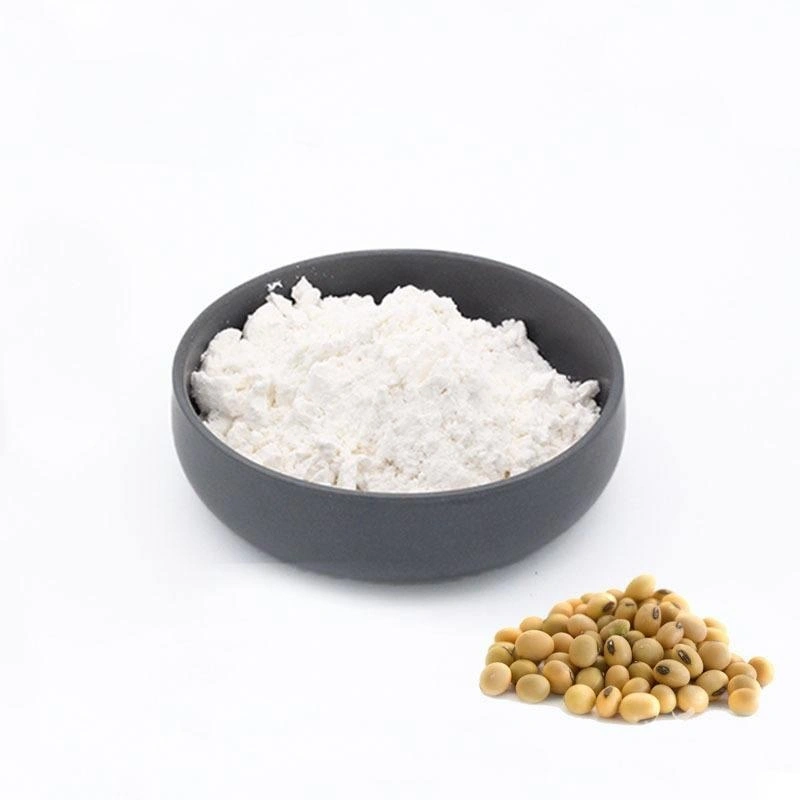
Phytosterols powder is made up of sterols that come from plants, mostly beta-sitosterol, campesterol, and stigmasterol. These sterols have a structure that is similar to cholesterol in mammals. These chemicals are taken out of vegetable oil distillates, tall oil, or wood pulp by crystallising and cleaning them. They are then ground up into standard powder forms that are 90% to 98% pure.
What Defines Bioavailability in Phytosterols?
Bioavailability is the amount of phytosterols that get into the bloodstream and reach the cells they are meant to reach. Unlike nutrients, which need to be absorbed very well to work, phytosterols do most of their good work at the gut wall. They are in competition with cholesterol molecules to be added to micelles, which are structures that move lipids around when fat is broken down. Phytosterols stop cholesterol absorption by moving it from these carriers to other parts of the body. This causes more cholesterol to be flushed out of the body and lower cholesterol levels in the blood.
Clinical pharmacokinetic studies show that only 0.4% to 3.5% of phytosterols eaten get into the bloodstream. This is compared to the 40–60% absorption rates seen with dietary cholesterol. This small amount of uptake by the body is caused by active efflux transporters (ABCG5/ABCG8) in intestinal cells. These transporters prefer to pump plant sterols back into the gut lumen. This low bioavailability is not a problem with the formulation; it is part of the therapy itself; phytosterols work as competitive inhibitors, not systemic agents.
Biochemical Mechanisms of Cholesterol Displacement
Bile salts break down fats into micelles that contain cholesterol, fatty acids, and monoglycerides during lipid absorption. When phytosterols are present in sufficient amounts, they are more easily incorporated into these structures than cholesterol because of small differences in where the hydroxyl groups are located. The Niemann-Pick C1-Like 1 transporter in the gut helps sterols cross the brush border membrane, but it can't tell the difference between plant and animal sterols when they first join. Once phytosterols get into enterocytes, ATP-binding cassette transporters see them as foreign molecules and actively remove them. At the same time, cholesterol is esterified and added to chylomicrons so that it can be transported by lymphocytes. This different handling creates a competitive bottleneck where eating more phytosterols proportionally lowers the absorption of cholesterol, which is how they help the heart.
Factors Affecting the Bioavailability of Phytosterols Powder
There are many composition and processing factors that affect how well phytosterols reach places where they can be absorbed in the gut and compete with cholesterol. When evaluating ingredient specs and supplier skills, procurement workers need to look at these factors.
Particle Size and Surface Area Engineering
Micronization technologies break down phytosterol particles from more than 100 micrometres to 5 to 20 micrometres, which makes a huge amount more surface area available for micellar absorption. In the lipid step of digestion, smaller particles spread out more evenly, which makes competitive suppression work better. Jet milling and high-pressure homogenisation are common ways that industries do things. Nanoencapsulation is a method used by some manufacturers to better disperse phytosterols in water-based formulations. This is especially useful for beverage applications where big crystal particles can cause problems with sedimentation.
Esterification and Lipophilic Modification
Free phytosterols don't dissolve well in fat-free food matrices, which limits how useful they are in low-fat functional foods. Using fatty acids to esterify phytosterols makes them more lipophilic, which means they can be used in spreads, sauces, and dairy replacements. During digestion, pancreatic lipase breaks down these esters, releasing free sterols at places where they can be absorbed. Clinical data show that both free and esterified forms lower cholesterol equally well when dose-normalized. However, esterified forms are easier to manufacture and have better organoleptic properties in some situations.
Delivery Format Optimization
Presentation form has a big effect on both technical performance and compliance with end users. Phytosterols powder can be used to fill capsules, flatten tablets, or dry-blend into protein shakes or meal replacements for added flexibility. The powder form works well for business-to-business situations that need precise control over doses from batch to batch and can be used with automatic production lines. Solubility problems in ready-to-drink drinks can be fixed with different forms, such as water-dispersible powders (made by spray-drying with hydrocolloids), but they usually cost more because they are harder to make.
Source Material and Purity Specifications
Natural phytosterols from non-GMO veggie sources meet the growing demand for "clean labels" from health-conscious customers. Common feedstocks are soy, rapeseed, and sunflower. However, tall oil from processing pine trees is a tree-based option. There are purity values between 90 and 98%, which show that some triglycerides, tocopherols, and other lipophilic substances were left over after processing. Higher purity grades make dosing calculations more consistent and lower the risk of allergen cross-contamination, which are both very important for pharmaceutical and allergen-sensitive market segments. When buying things for GMP-compliant manufacturing environments, procurement teams should check that the supplier's certificates say the goods don't have any solvent residues, heavy metals, or microbial contamination.
Evaluating Effectiveness: Clinical Evidence and Nutrition Facts
Phytosterols powder has been the subject of extensive controlled clinical studies and mechanistic studies for many years. When looking at ingredient suppliers and coming up with product ideas, B2B buyers need to be able to tell the difference between benefits that have been scientifically proven and marketing claims that have not been proven.
LDL Cholesterol Reduction and Cardiovascular Impact
Meta-analyses of more than 40 randomised controlled studies show that eating 1.5 to 3 grams of phytosterols every day lowers LDL cholesterol by 8 to 10 percent in 3 to 4 weeks. If you take more than 3 grams of it every day, the impact stops. This sets a dose-response cap that can be used to improve formulations. According to the National Cholesterol Education Program and the European Atherosclerosis Society, plant sterols can help lower cholesterol and are therefore recommended for use in heart-healthy products. These effects happen even when people aren't taking statins, which is important because it means that combination methods can be used in medical nutrition products.
Dosing Protocols for Product Development
To lower cholesterol effectively, you need to eat foods with fat along with phytosterols, because their competitive mechanism depends on eating them with dietary cholesterol and making mixed micelles. Single daily doses of 2 grams work just as well as divided doses, which makes supplement formats easier to follow. Based on the assumption that the product is eaten twice a day, this means that each serving provides 0.8 to 1 gram of phytosterols. Functional food uses usually aim for 0.5 to 1.5 grams per serving, but this depends on how often the carrier product is supposed to be eaten. When buying something, you need to think about how much active sterol is in it, after taking into account the esterification (phytosterol esters have about 40–55% free sterol equivalents) and formulation losses that happen during processing.
Safety Profile and Regulatory Compliance
In controlled tests, phytosterols have been taken in amounts up to 9 grams per day without any negative effects being recorded. The FDA (GRAS status), EFSA (authorised health claim), and Health Canada are all regulatory groups that agree they can be used in different types of food. One thing to think about is people who have sitosterolemia, a rare genetic disease that causes phytosterols to build up in the wrong places. This condition is still only found in about 1 in 200,000 people. This group of people should be listed as a contraindication on the product's label. Also, eating a lot of phytosterols might slightly lower the absorption of beta-carotene. This effect can be lessened by eating enough vegetables or adding fat-soluble vitamins to functional foods.
Comparing Phytosterols Powder Products for Informed Procurement
There are many different phytosterols powder products on the market, each with its own makeup, processing method, and quality control. To do strategic buying, you need to know how to tell the difference between specifications and find sellers who can meet both performance goals and regulatory requirements.
Compositional Distinctions: Total Sterols vs. Beta-Sitosterol
Beta-sitosterol makes up about 40–58% of all phytosterols, with campesterol making up 20–35% and stigmasterol making up 15–25%. However, some suppliers offer fractions that are higher in beta-sitosterol and are purer than 80%. These concentrated forms are popular in pharmaceutical uses that need well-defined chemical entities, but they come at a high cost. There is proof from clinical studies that different phytosterol mixes can lower cholesterol in the same way, even if the ratios of the individual sterols change. This is true as long as the total amount of sterols stays the same. When buying supplements, procurement teams should check to see if expensive beta-sitosterol specs offer real formulation benefits that make the extra cost worth it. This is especially true for common supplement uses where broad-spectrum phytosterol blends work just fine.
Certifications and Quality Benchmarks
Suppliers you can trust keep a number of certificates that prove they follow strict manufacturing standards and sell only genuine goods. The ISO 9001 standard proves that a quality management system works, and the ISO 22000 standard proves that food safety management protocols are followed. GMP approval, especially pharmaceutical GMP for drug use, makes sure that the rules for preventing contamination and keeping records on each batch are followed. Kosher and Halal approvals help brands reach more people who follow religious food rules. In addition to certifications, heavy metals, pesticide residues, and microbial load testing by a third party are other ways to ensure quality. Each batch should come with a COA (Certificate of Analysis) that lists the sterols that are in it, their purity %, the amount of water they contain, and their microbiological state. This way, quality assurance teams can make sure that the products are compliant before they are used in production.
Evaluating Supplier Reliability and Transparency
Stable supply chains, the ability to provide technical help, and the speed with which regulatory documents are responded to are all important for building long-term relationships with ingredient providers. Leading companies hire application scientists to help with formulating better products, testing for stability, and proving what's written on the label. Supplier growth is shown by open conversation about where raw materials come from, how they are processed, and how they can be tracked. When a company buys something, they should do their research on things like production capacity, how they handle inventory, and how reliable their lead times are. This is especially important for growing brands that need a steady supply of bulk items. Checking references with past customers can give you an idea of how quick you are when there are quality issues and how flexible you are when making changes to specifications during product iterations.
How to Source and Buy High-Quality Phytosterols Powder
Successful procurement of phytosterols powder balances technical specifications, regulatory compliance, commercial terms, and the potential for a good relationship with the supplier must all be taken into account. The following framework guides evaluation and selection processes.
Defining Technical Requirements
Start by making clear specs for the ingredients that are in line with the needs of the finished product. Find the accepted ranges of purity (free vs. esterified, total sterol percentage), particle size distributions, and certifications that are needed (organic, non-GMO, allergen statements). Work with the R&D teams to figure out what formulation compatibility needs there are, such as the ability for beverages to dissolve in water, tablets to flow, or products with a longer shelf life to remain stable against oxidation. Write down your goal price frameworks based on market research and your profit margin needs. Keep in mind that pharmaceutical-grade materials cost 30–50% more than food-grade materials. Set the lowest order amounts that can be ordered for initial tests versus large-scale production. Many manufacturers offer free development samples but need large pledges for contracted prices.
Vetting Suppliers and Requesting Documentation
Shortlist possible suppliers using industry directories, trade show contacts, and word-of-mouth from other professionals in the same field. Give more weight to manufacturers with a history of producing phytosterols than to general trading companies that lack technical know-how. Ask for full safety data sheets (SDS), allergy statements, and technical data files. Cross-referencing certificate numbers with issuing bodies is a way to make sure that the certification is real. Ask for stability data that shows how long the product will last under certain storage conditions. Heat, light, and wetness can all cause phytosterols to oxidise, which can change their effectiveness and how they feel. Find out what kinds of tests were used to measure the amount of sterols in the product. For example, GC-FID and HPLC give different results that can change how effective the product is said to be.
Conducting Supplier Audits and Trial Orders
Before signing big contracts, you should do on-site audits of the manufacturing sites, quality control labs, and documentation systems. These audits can be done virtually or in person. Watch how the raw materials are handled, how clean the work area is, and how the batches are tracked. Place trial orders to see how the material works in real creation conditions, including how it dissolves, how it affects taste, and how well it works with other materials. It's normal for lower-tier sources to have big differences between batches, so it's important to test more than one to make sure the uniformity. Engage the legal and procurement teams to negotiate good business terms, such as payment schedules, price changes based on raw material indices, and minimum purchase commitments that are balanced against the uncertainty of demand forecasting.
Ensuring Regulatory Documentation Support
Suppliers who work with regulated industries provide full regulatory dossiers that include manufacturing process flow diagrams, HACCP plans, and analyses of residual solvents. They should quickly answer the surveys that are needed for NDI (New Dietary Ingredient) notices, novel food applications, or DMF (Drug Master File) submissions for pharmaceuticals. As regulatory authorities look more closely at claim substantiation, make sure the supplier is willing to provide ingredient letters that back up health claims on finished product labels. Set up clear ways for people to talk to you about regulatory questions, how to recall products, and the need for supply chain openness caused by new laws about ethical and sustainable sources.
Conclusion
Phytosterols powder offers well-documented bioavailability sufficient to achieve meaningful cholesterol reduction when incorporated at clinically effective doses into properly formulated products. Systemic absorption is kept low on purpose, but the competitive inhibition mechanism at intestinal absorption sites has been shown to be good for the heart in a lot of clinical research. To get the best functional performance, procurement professionals have to deal with formulation variables like particle size, esterification status, and delivery format. When choosing a supplier, you need to carefully look at their purity requirements, licensing portfolios, manufacturing stability, and ability to help with legal issues. By using criteria based on evidence when deciding where to buy, B2B buyers can find high-quality phytosterols powder that improves the effectiveness of products, backs up health claims, and meets strict quality standards necessary for success in the nutraceutical, functional food, and pharmaceutical markets, which are very competitive.
FAQ
1. What is the optimal daily dose of phytosterols for cholesterol management in supplement formulations?
Clinical evidence establishes 1.5-3.0 grams daily as the effective range for LDL cholesterol reduction. Most supplement formulations target 0.8-1.0 grams per serving assuming twice-daily consumption patterns, while functional food products incorporate 0.5-1.5 grams per serving depending on expected consumption frequency. Exceeding 3 grams daily provides minimal additional benefit, establishing a practical ceiling for formulation optimization. Procurement specifications should account for free sterol equivalents when using esterified forms of phytosterols powder.
2. Can phytosterols powder cause adverse effects in finished products?
Phytosterols demonstrate excellent safety profiles and don't cause any major side effects at suggested amounts. People who have sitosterolemia should not take supplements; this is a rare reason why they shouldn't, and it should be written on the labels of the products. High intake may slightly lower beta-carotene uptake, but this can be fixed by adding other nutrients to useful foods at the same time. Phytosterols that have been oxidised due to bad storage can develop off-flavors. This risk can be reduced by buying from suppliers who have strong stability data.
3. How can procurement teams verify phytosterol purity and composition claims?
Ask for Certificates of Analysis for each batch that list the specific sterols that were found using approved diagnostic methods (such as GC-FID or HPLC). Testing by a third-party lab adds to the proof, especially when the seller is being qualified. Check to see how open the seller is about where the materials come from, how they are extracted, and how they keep track of them. Certification portfolios (ISO, GMP, organic) show that a company is mature in its manufacturing, but independent testing is still the best way to be sure.
Partner with CONAT for Premium Phytosterols Powder Supply
Jiangsu CONAT Biological Products Co., Ltd. is a company that makes phytosterols powder. They have decades of experience isolating, purifying, and formulating plant sterols. Our vertically integrated production facility has full control over the extraction, crystallisation, and milling processes. This makes sure that the consistency between batches is very high, which is what formulation managers want. We have pharmaceutical-grade phytosterols powder that meets GMP, ISO 9001, and ISO 22000 standards. It comes with a lot of legal paperwork to back up NDI notices and health claims. Our technical team works closely with R&D directors to find the best particle size distributions, esterification profiles, and delivery formats for your specific needs, whether you're making medical nutrition products, cholesterol-lowering supplements, or functional drinks with added vitamins and minerals. In addition to providing high-purity active ingredients, CONAT also offers stable data, recipe advice, and quick customer service that turns relationships with suppliers into long-term partnerships. Get in touch with our purchasing experts at sales@conat.cn to talk about where to find phytosterols powder, ask for technical details, or set up an evaluation sample. Use CONAT's excellent manufacturing and application knowledge to improve your product line with bioavailable, proven plant sterol ingredients that give you measurable health benefits and set you apart from the competition.
References
1. Gylling, H., Plat, J., Turley, S., Ginsberg, H. N., Ellegård, L., Jessup, W., ... & Chapman, M. J. (2014). Plant sterols and plant stanols in the management of dyslipidaemia and prevention of cardiovascular disease. Atherosclerosis, 232(2), 346-360.
2. Ostlund, R. E. (2002). Phytosterols in human nutrition. Annual Review of Nutrition, 22(1), 533-549.
3. Ras, R. T., Geleijnse, J. M., & Trautwein, E. A. (2014). LDL-cholesterol-lowering effect of plant sterols and stanols across different dose ranges: a meta-analysis of randomised controlled studies. British Journal of Nutrition, 112(2), 214-219.
4. Demonty, I., Ras, R. T., van der Knaap, H. C., Duchateau, G. S., Meijer, L., Zock, P. L., ... & Trautwein, E. A. (2009). Continuous dose-response relationship of the LDL-cholesterol–lowering effect of phytosterol intake. The Journal of Nutrition, 139(2), 271-284.
5. Piironen, V., Lindsay, D. G., Miettinen, T. A., Toivo, J., & Lampi, A. M. (2000). Plant sterols: biosynthesis, biological function and their importance to human nutrition. Journal of the Science of Food and Agriculture, 80(7), 939-966.
6. Berger, A., Jones, P. J., & Abumweis, S. S. (2004). Plant sterols: factors affecting their efficacy and safety as functional food ingredients. Lipids in Health and Disease, 3(1), 5.
YOU MAY LIKE