
Is Vitamin E Acetate Powder Safe for Use in Cosmetics and Supplements?
As long as it comes from a good producer and is used according to the rules, vitamin E acetate powder is usually safe to use in cosmetics and food supplements. This stable ester form of vitamin E has been thoroughly tested for safety by regulatory groups such as the FDA and EFSA, proving that it can be used on the skin or in the mouth. The powder form is more stable than the oil forms, which makes it very useful for formulators who want to make sure the quality of their goods stays the same and they last longer.
Understanding Vitamin E Acetate Powder: Properties and Uses
Vitamin E acetate powder is a complex form of alpha-tocopherol that has been chemically changed to make it more stable and easier to handle. The acetate form of vitamin E is very stable while still having the same antioxidant effects as vitamin E oil, which can oxidize easily and be hard to use in some recipes.
Chemical Structure and Stability Advantages
The acetylation process makes the molecule more solid so that it doesn't oxidize while it's being stored or processed. This change makes sure that the ingredient stays effective during the making process and for as long as the product is on the shelf. Formulators can get extra benefits from the powder form, such as easier measurement, less mess when handling, and better mixing into dry blend formulas.
Applications in Cosmetic Formulations
More and more, anti-aging creams, serums, and protective skin care items are made with this element. The powder dissolves easily in oil phases during emulsification, so it's spread out evenly in the end product. In cosmetics, the usual amount used ranges from 0.1% to 1.0%, based on how much antioxidant protection is wanted and how the product is positioned.
Supplement Industry Applications
The food supplement business likes this ingredient because it is bioavailable and easy to make. In the body, vitamin E acetate powder changes into active alpha-tocopherol, which has the same health benefits as pure vitamin E. Supplement makers like how the powder can flow, which makes it easier to make tablets and capsules and makes sure that all doses are the same.
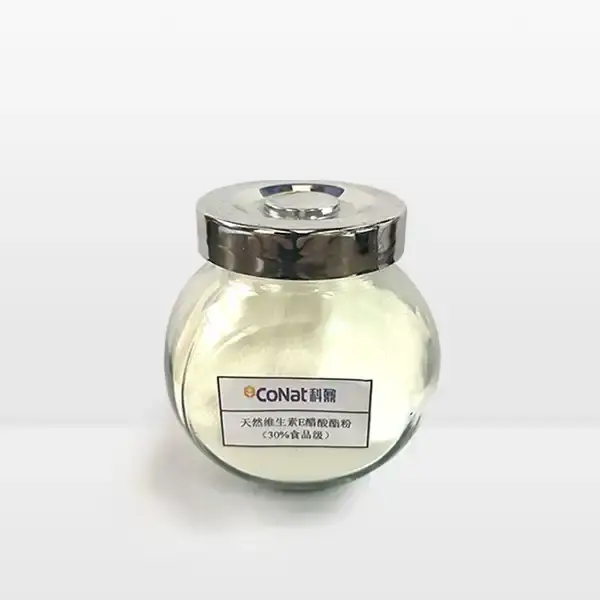
Safety Profile and Potential Side Effects of Vitamin E Acetate Powder
In both dermal and oral forms, vitamin E acetate, including vitamin E acetate powder, has been shown to be safe in many toxicological tests. The FDA says the ingredient is generally recognized as safe (GRAS) for use in food supplements, and the Personal Care Products Council says it can be used in cosmetics.
Toxicological Data and Safety Assessments
Vitamin E acetate has a low possibility for immediate toxicity and skin sensitization, according to research that has been done over several decades. Studies that give the same amount more than once show that normal levels of use have no negative effects. The No Observed Adverse Effect Level (NOAEL) for oral consumption is much higher than the suggested daily amounts. This gives supplement formulators a lot of safety room.
Reported Adverse Effects and Contraindications
Even though it is usually well tolerated, some people may have mild stomach pain when taking large amounts by mouth. Topical treatments don't usually irritate, but people who are sensitive should do a patch test first. People who are allergic to vitamin E substances or who are taking blood thinners without a doctor's care should stay away from this ingredient.
Regulatory Compliance and Certifications
Manufacturers of good products keep a lot of paperwork to show that they follow the rules in many places. GMP compliance shows that industrial standards are being followed, and ISO 9001 certification makes sure that quality control is always the same. These certifications give buying teams trust in the quality and dependability of the suppliers they work with.
Comparative Analysis: Vitamin E Acetate Powder vs. Other Vitamin E Forms
When you know the differences between the different types of vitamin E, you can choose the right ingredient for a given job. Each form has its own pros and cons that affect how the product is made and how well it works in the end.
Stability Comparison with Natural Tocopherols
Even though natural tocopherols are more bioactive, they are harder to keep stable in industrial settings. When kept properly, vitamin E acetate powder has a much longer shelf life at room temperature, staying active for 24 to 36 months. This advantage of steadiness means less waste, more consistent batches, and more reliable products.
Bioavailability and Efficacy Considerations
According to research, when vitamin E acetate is absorbed, it effectively breaks down into active tocopherol. Bioavailability tests show that these tocopherols are slightly less quickly absorbed than free tocopherols, but this difference isn't noticeable after a while of using them regularly. The acetate group actually stops the compound from oxidizing too quickly while it is being stored, which could mean that the end user gets a more active compound.
Cost-Effectiveness and Sourcing Options
While natural extraction methods are more expensive, the process used to make vitamin E acetate is more cost-effective. This economic edge makes it easier for more people to get it while still keeping high standards. This difference in cost can be used by procurement workers to increase product margins while still giving customers the same benefits.
Procurement Guide: Selecting and Sourcing Quality Vitamin E Acetate Powder
To successfully get vitamin E acetate powder, you need to carefully look at the skills, quality processes, and documentation standards of the seller. Because vitamin E science is so complicated, it needs to be made by people with specialized knowledge and strong quality control methods.
Supplier Evaluation Criteria
Leading sellers show a wide range of analytical skills, such as HPLC analysis for checking purity and stability testing methods. The Certificate of Analysis (COA) should show the amount of wetness, the spread of particle sizes, and the results of microbiological tests. Transparency in the supply chain is needed to keep things consistent from lot to lot and deal with any quality problems that might come up.
Quality Assurance and Documentation Requirements
GMP-certified sites are the basis for making vitamin E acetate in a safe way. Stability data, regulatory compliance certificates, and chemical statements should all be included in documentation packages. Supplier checks make sure that quality control systems meet the standards for pharmaceutical or food-grade manufacturing, based on the product's intended use.
Packaging and Storage Considerations
Vitamin E acetate powder is shielded from light and moisture during shipping and storage by appropriate packing. Nitrogen-flushed packaging methods keep powder from oxidizing, and materials that block moisture keep powder's ability to move. Options for bulk packing should include clear labels and seals that can't be broken. This will make keeping track of goods easier.
Best Practices for Storage, Handling, and Integration into Products
Following set rules for keeping and handling is necessary to keep the purity of the product throughout the supply chain. The safety and efficiency of powder are greatly affected by environmental factors.
Optimal Storage Conditions
Controlling the temperature is still very important for keeping vitamin E acetate stable. When stored below 25°C (77°F) and with a relative humidity of less than 60%, chemicals don't absorb water and break down. Photodegradation, which can lower antioxidant activity, can be stopped by using opaque containers or yellow packing materials.
Formulation Integration Techniques
To successfully incorporate it into makeup products, you need to know about the solubility properties and processing temperatures. The powder dissolves easily in oil phases that are heated above 60°C (140°F), which lets it be spread out evenly in emulsions. Progressive dilution methods, which stop localized concentration and ensure uniform spread, help supplement makers get the best blending results.
Quality Control Testing Protocols
Regular testing during the production process makes sure that the quality and effectiveness of vitamin E acetate powder stay the same. High-performance liquid chromatography (HPLC) testing proves the product's identity and purity, and moisture content testing makes sure it stays stable during processing. Microbiological testing makes sure that there are no dangerous contaminants in the product that could make it less safe.
Conclusion
Vitamin E acetate powder in makeup and supplements has been studied and regulated for decades, and its safety profile is well known. This stable and flexible ingredient gives producers reliable results and gives customers proven antioxidant benefits. To find good vitamin E acetate, you need to choose sources with strong quality systems, lots of paperwork, and a history of being good at vitamin E science. Professionals in procurement who put source evaluation, proper storage practices, and regulatory compliance at the top of their list of priorities will get the best results while reducing the risks that come with variable food quality.
FAQ
1. What is the recommended dosage for vitamin E acetate in supplements?
For people, 15 mg (22.4 IU) of vitamin E is the daily suggested amount. Vitamin E acetate powder tablets usually have between 100 and 400 IU in each serving. However, you should only take bigger doses if your doctor tells you to. Bioavailability tests show that taking vitamin E acetate daily has the same health benefits as natural forms.
2. Can vitamin E acetate cause allergic reactions?
Very few people are allergic to vitamin E acetate; less than 0.01% of the population is allergic. If someone is known to be sensitive to vitamin E substances, they should do a patch test before using topical goods. Supplements taken by mouth are usually well accepted, but high amounts may cause stomach problems.
3. How does vitamin E acetate interact with other medications?
Vitamin E acetate may make anticoagulant drugs work better, which could raise the chance of bleeding. People who are taking warfarin or similar drugs should talk to their doctors before taking vitamin E tablets. When taken at the suggested doses, most other drugs have not been shown to have any major interactions.
4. What is the difference between natural and synthetic vitamin E acetate?
Natural vitamin E acetate comes from plants and has the structure RRR-alpha-tocopherol. Synthetic forms, on the other hand, have a range of stereoisomers. Both synthetic and natural forms are very good antioxidants, but natural forms are a little more bioactive. When it comes to large-scale production, synthetic choices are often better because they are cheaper.
Partner with CONAT for Premium Vitamin E Acetate Powder Supply
With a focus on natural vitamin E derivatives and stringent quality control methods, CONAT is a market-leading maker of vitamin E acetate powder. Our modern production facilities are GMP certified and ISO compliant, which makes sure that each batch meets the high standards needed for cosmetic and vitamin formulas. We offer full documentation kits, low bulk prices, and expert support to help you make your formulations work better.
Our skilled expert team can give you personalized advice on how to integrate ingredients, make the product more stable, and meet legal requirements. CONAT gives your goods the consistency and performance they need by committing to high excellence and a supply chain that has been shown to be reliable. Our vitamin E acetate powder meets the highest industry standards, whether you need materials that are safe for medicine use or materials that are safe for food use.
Find out how our quality vitamin E acetate powder supplier skills can help your product development success by getting in touch with our sourcing experts at sales@conat.cn to discuss your unique needs.
References
1. Institute of Medicine. Dietary Reference Intakes for Vitamin C, Vitamin E, Selenium, and Carotenoids. National Academy Press, 2000.
2. Cosmetic Ingredient Review Expert Panel. Final Report on the Safety Assessment of Tocopherol, Tocopheryl Acetate, and Related Ingredients. International Journal of Toxicology, 2002.
3. European Food Safety Authority. Scientific Opinion on Dietary Reference Values for Vitamin E as 伪-tocopherol. EFSA Journal, 2015.
4. Food and Drug Administration. Code of Federal Regulations Title 21 - Food and Drugs Chapter I Subchapter B Part 182 - Substances Generally Recognized as Safe.
5. Personal Care Products Council. International Nomenclature of Cosmetic Ingredients (INCI) Dictionary and Handbook, 15th Edition.
6. World Health Organization. Vitamin and Mineral Requirements in Human Nutrition: Report of a Joint FAO/WHO Expert Consultation. Second Edition, 2004.
YOU MAY LIKE