
Is Vitamin E Carrier Oil Safe for Sensitive and Acne-Prone Skin?
Be sure to use the right way to hold vitamin E oil with a vitamin E carrier oil. It might help skin that is sensitive or prone to acne. In general, it works well for people with sensitive skin and is good for your face. A light base has been added to the different tocopherols to make it less thick. What does it look like? How well does it work? Does it work well on all skin types? It is important to keep the standard high. Ingredient solutions are clean and don't have any extraneous stuff in them. People who use skin care products and people who make them need ingredients that are safe and good for the face.
Introduction
More and more people who work in the skin care industry want to use natural products that have been shown to work and are safe for the skin. Vitamin E-rich carrier oils are now used in skin care items for sensitive and acne-prone skin. Pure tocopherol extracts are not used in this ingredient. Instead, it combines the health benefits of vitamin E with carefully picked carrier oils. This method is gentle, helps keep you comfortable, and can be used on the face at the same time.
Now you need to find out if this part is safe and can help you. Lists of ingredients are getting more and more important to people who want to know what's in their food. It's not always simple to put together items, keep track of where they came from, and make things. They have to pick out the things they will use. They need to find the best balance of value and safety. Some ingredients that are meant to help can sometimes have the opposite effect of what you want them to do when you make goods for people with sensitive skin. The idea behind vitamin E carrier oil comes from a lot of research. We looked at how safe it is and what it could be used for. It tells people who work in the field what they need to know to choose where to get oil and how to make goods that meet quality standards and customer needs.
Understanding Vitamin E Carrier Oil and Its Skin Benefits
Defining Vitamin E Carrier Oil Composition
Carrier oil for vitamin E and pure tocopherol are not at all the same. Natural vitamin E in this mix is made up of tocopherols that come in different forms, such as alpha, beta, gamma, and delta. It also contains base carrier oils like jojoba, grapeseed, or fractionated coconut oil. Diluting the strong antioxidant does more than one thing. It makes it easier to spread, better absorbed, and better for applying directly to the skin. Good forms should have tocopherol levels that stay between 5 and 20 percent so that they can work well without having the thick, sticky feel that comes with pure vitamin E.
Antioxidant Protection for Skin
The main reason this ingredient is good for items for sensitive skin is that it is a strong antioxidant. As antioxidants that break chains, mixed tocopherols stop free radicals from damaging cell structures by giving up hydrogen atoms. This defensive function is especially helpful for skin that is exposed to things in the world that are bad for it. Oxidative stress factors in skin cells can be lowered by putting vitamins on the skin. This might help keep the skin's natural balance and make it look better and feel better.
Moisturizing Without Pore Congestion
A lot of people are afraid that skin care products with oil will clog their pores. The carrier oil you pick makes a big difference in this trait. When mixed with bases that don't clog pores, like squalane or jojoba, vitamin E carrier oil can keep the skin wet without making acne worse. As long as the fatty layers in the stratum corneum are in good shape, vitamin E helps the skin's protection. In this way, the face stays moist. This dual action helps a lot of people with acne-prone skin who need to stay hydrated but don't want to use heavy ingredients that clog pores.
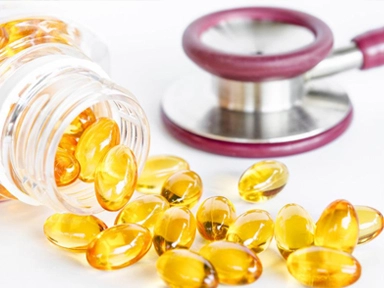
Is Vitamin E Carrier Oil Safe for Sensitive and Acne-Prone Skin?
Evaluating Skin Compatibility
You need to look at both the tocopherol part and the carrier base to see if they are compatible. A lot of different skin types can usually handle pure vitamin E that comes from plants. Clinical studies have shown that real vitamin E sensitivity responses are not frequent. Most of the time, reactions are caused by impurities, carrier oils, or chemicals, not the tocopherol itself.
Recommended Application Guidelines
Things go better when you do them the right way. Test something on a small part of your face first before putting it on your whole face. After 24 to 48 hours, what will happen to your skin? Wait while you put a little on the inside of your wrist. You should start with a lower amount (5–10% tocopherol) and wait two weeks to see how your skin reacts. If your skin is sensitive or prone to acne, this is very important. Not many people just use the oil. They put two or three drops on their face or mix them with lotion. Use the right amount. More isn't always better if you have oily or acne-prone skin.
Clinical Evidence and Practical Outcomes
When quality-controlled products are used, dermatological studies that have looked at putting vitamin E on the skin have regularly shown that it is safe. One controlled study of antioxidant mixes with tocopherols showed better skin barrier function when used on acne-prone people for eight weeks. Cosmetic makers say it works well in sensitive skin products when mixed with other ingredients that work well together, like niacinamide or hyaluronic acid. The quality of the chemicals and the right dose amounts seem to be the most important things.
Comparing Vitamin E Carrier Oil with Other Carrier Oils for Sensitive and Acne-Prone Skin
Absorption Characteristics and Comedogenic Ratings
There are different ways that carrier oils can get into pores and work with them. The comedogenic grade of vitamin E carrier oil made from jojoba is low, at about 2 out of 5. This means that people who get acne can generally use it. Coconut oil is well-known, but it has a higher rating (4/5), and people whose skin is prone to acne may get more pus when they use it. Argan oil has the same level of antioxidants as other oils, and its grade is low (0–2/5). On the other hand, grapeseed oil moisturizes lightly and is even less likely to clog pores. Some other solutions are not as safe as vitamin E carrier oil because they do not have as much tocopherol.
Stability and Shelf-Life Considerations
Oxidative stability is very important when working with mixed oils to make goods. Because it has mixed tocopherols, which naturally help protect against oxidation, vitamin E carrier oil lasts longer than ones that aren't boosted. This advantage of stability is very important when choosing where to source goods because it helps keep product performance high throughout the distribution cycle and cuts down on waste from going bad. Even though almond and rosehip oils are good for you, they may break down faster without antioxidants, which can create unwanted byproducts.
Organic Versus Synthetic Quality Distinctions
The item's quality and safety depend a lot on where it came from and how it was processed. The full range of tocopherol isomers can be found in natural vitamin E made from non-GMO soybean, sunflower, or rapeseed oil distillates mixed with a vitamin E carrier oil. These are more biologically active than dl-alpha types that are made in a lab. Organic approval also helps make sure that there are no pesticide leftovers and that the right standards for clean handling are met. When selling to people with sensitive skin, these things are very important to keep in mind. Buyers should give more weight to sellers who can give full analysis results that show pure levels, isomer distribution, and the lack of common flaws. These signs of quality have a direct effect on how well and safely a product works, which is why higher standards are set for premium-grade materials.
Procurement Insights: Buying Vitamin E Carrier Oil for B2B Needs
Identifying Reliable Wholesale Sources
When making sourcing choices, it's important to carefully look at the credentials of suppliers, their production capabilities, and their quality assurance methods. Leading ingredient suppliers maintain ISO 9001 certification, as well as industry-specific standards like GMP for cosmetics or ISO 22000 for food-grade materials. When evaluating potential partners, look for uniform composition from batch to batch, complete documentation for regulatory submissions, and responsive technical support. Established companies that control the whole process, from raw material sourcing to finished product, are usually more consistent than sellers or brokers who deal with many different sources.
Understanding Pricing Structures and Bulk Advantages
The price of vitamin E carrier oil depends on the amount of tocopherol, the type of carrier oil, certification level, and order size. Bulk purchasing typically starts at 25 kilograms, with significant price reductions at 100 kilograms and 500 kilograms. Current market prices range from 45 to 85 per kilogram based on specifications. Premium-grade organic formulations command the highest prices. Long-term supply agreements with volume commitments offer buyers more negotiating power, but they should weigh cost savings against inventory storage and potential oxidation during extended storage.
Critical Quality Parameters and Compliance Documentation
Before selecting a supplier, technical details should be carefully reviewed. Tocopherol percentage (checked by HPLC analysis), peroxide value (indicating oxidative state), heavy metal content, microbial limits, and pesticide residue tests are some of the most important factors. Suppliers should be able to easily provide safety data sheets, ingredient statements, certificates of analysis for each batch, and documentation for any organic, kosher, or halal claims. Regulatory requirements differ depending on the product's intended use (cosmetics, food supplements, or other applications). Establishing clear communication about end-use applications helps suppliers provide the appropriate documentation to support your specific regulatory needs.
Integrating Vitamin E Carrier Oil in Skincare Solutions for Sensitive and Acne-Prone Markets
Formulation Strategies for Enhanced Compatibility
Successful product development balances the antioxidant benefits of vitamin E carrier oil with ingredients that support skin barrier function and promote skin comfort. Combining tocopherols with ceramides, niacinamide, or centella asiatica extract creates products that work together to meet the needs of sensitive skin in multiple ways. Concentration is very important; optimal formulas for sensitive skin use 3-8% vitamin E carrier oil. For those with acne-prone skin, emulsion systems that allow for slow release are often preferable to anhydrous formulas because they moisturize without leaving a heavy residue.
Clinical Validation and Consumer Education
To build market trust, transparency and solid evidence are key. Stability testing, preservative efficacy studies, and consumer usage trials provide data that supports product claims and identifies considerations before launch. Third-party clinical testing, even small studies with 20–30 participants, offers much more credibility than unsupported claims. By educating end-users about proper application methods, what to expect, and how vitamin E carrier oil supports skin health, ingredient lists can be transformed into compelling product stories that appeal to knowledgeable consumers seeking science-based skin care solutions.
Positioning for Competitive Differentiation
The premium skin care market increasingly values clean formulas with well-known, naturally derived active ingredients. Products that use high-quality natural vitamin E carrier oil will appeal to consumers ready to invest in quality. Marketing strategies that emphasize purity, sustainable sourcing, and specific benefits for skin concerns help set premium products apart from mass-produced options. Certifications like "organic," "non-GMO," or "cruelty-free" provide additional product positioning opportunities. Brands that succeed in this market combine quality ingredients with thoughtful formulation, attractive packaging, and educational materials that build lasting customer relationships based on results rather than empty claims.
Conclusion
When quality standards are upheld, there is strong evidence to support vitamin E carrier oil as a suitable and beneficial ingredient for products for sensitive and acne-prone skin. This natural antioxidant solution addresses oxidative stress, supports barrier function, and moisturizes without heavy thickness or a high comedogenic risk. For success, careful sourcing decisions must be made that prioritize purity, appropriate carrier selection, and transparent supplier partnerships.
Product makers and sourcing professionals who understand this ingredient's properties, safety profile, and formulation considerations can confidently use it in clean-label skin care lines that meet the needs of modern consumers. As awareness grows about how antioxidants can help maintain skin health and support a healthy appearance, the market opportunity remains substantial.
FAQ
1. Can vitamin E carrier oil cause breakouts in acne-prone skin?
The main factors are the carrier oil base and concentration. When blended with non-comedogenic carriers like squalane or jojoba at appropriate levels (less than 10%), this ingredient generally does not encourage acne formation. Individual responses may vary, so patch testing is suggested before daily use.
2. What certifications should I require when sourcing vitamin E carrier oil for cosmetic manufacturing?
ISO 9001 indicates a quality management system, and GMP certification for cosmetics shows adherence to good manufacturing standards. Additional quality measures include organic certification, heavy metal testing, and microbial limit documentation. For each batch, request Certificates of Analysis that show tocopherol levels, peroxide value, and purity testing.
3. How does natural vitamin E differ from synthetic versions in carrier oil formulations?
Compared to manufactured dl-alpha-tocopherol, natural vitamin E has stronger antioxidant activity and better bioavailability because it comes from mixed tocopherols (alpha, beta, gamma, and delta isomers) derived from plants. Natural forms may interact more favourably with skin's natural structures, offering enhanced benefits and greater stability for sensitive skin products.
Partner with CONAT for Premium Vitamin E Carrier Oil Solutions
Jiangsu CONAT Biological Products Co., Ltd. is your go-to source for vitamin E carrier oil. They have decades of experience making natural vitamin E and phytosterols and adhere to strict quality standards that are in line with international regulations. Our high-tech facilities for extraction and processing make natural vitamin E that is pharmaceutical-grade and contains full-spectrum mixed tocopherols that are great for formulas for sensitive and acne-prone skin.
When procurement workers need to find active ingredients for difficult uses, they face a lot of problems. Our expert team can help you with all aspects of formulation, including finding the best concentration, testing for stability, and reading regulatory paperwork. We offer batch-consistent products that have been through thorough scientific testing and are fully certified by ISO 9001, GMP, and organic standards. Our dependable supply chain and reasonable prices will help your business grow over the long term, whether you're making high-end cosmetics, nutrition formulas, or useful foods.
You can email our experts at sales@conat.cn to get samples, talk about your unique formulation needs, or get prices and full technical paperwork for your next project. Let CONAT be your strategic partner in providing top-notch health products that are backed by science and help you stand out in the market.
References
1. Thiele, J.J. & Ekanayake-Mudiyanselage, S. (2007). "Vitamin E in human skin: Organ-specific physiology and considerations for its use in dermatology." Molecular Aspects of Medicine, 28(5-6), 646-667.
2. Keen, M.A. & Hassan, I. (2016). "Vitamin E in dermatology." Indian Dermatology Online Journal, 7(4), 311-315.
3. Nachbar, F. & Korting, H.C. (1995). "The role of vitamin E in normal and damaged skin." Journal of Molecular Medicine, 73(1), 7-17.
4. Baumann, L.S. & Spencer, J. (1999). "The effects of topical vitamin E on the cosmetic appearance of scars." Dermatologic Surgery, 25(4), 311-315.
5. Gehring, W. (2004). "Nicotinic acid/niacinamide and the skin." Journal of Cosmetic Dermatology, 3(2), 88-93.
6. Draelos, Z.D. (2018). "The science behind skin care: Moisturizers." Journal of Cosmetic Dermatology, 17(2), 138-144.
YOU MAY LIKE