
Is vitamin e oil a carrier oil?
It is important to know what each ingredient does when you are looking for them in makeup, nutraceuticals, or useful foods. Vitamin E oil is often hard to understand for people all natural vitamin e oil who work in purchasing, research, and development. Does it come in a bottle, or is it used for something else? All-natural vitamin E oil is not usually used as a carrier oil. Instead, it is known as an agent and a strong antioxidant. Carrier oils, like sweet almond or jojoba oil, spread out active ingredients or essential oils and make them less strong. On the other hand, vitamin E oil has specific practical benefits, such as keeping formulations from breaking down due to oxidation, making skin barriers work better, and making goods last longer. In business, it is generally used as an extra or companion ingredient because it is concentrated and has a lot of biological effects. It is not the main way to give something.
Understanding Vitamin E Oil and Its Classification
What Defines All-Natural Vitamin E Oil?
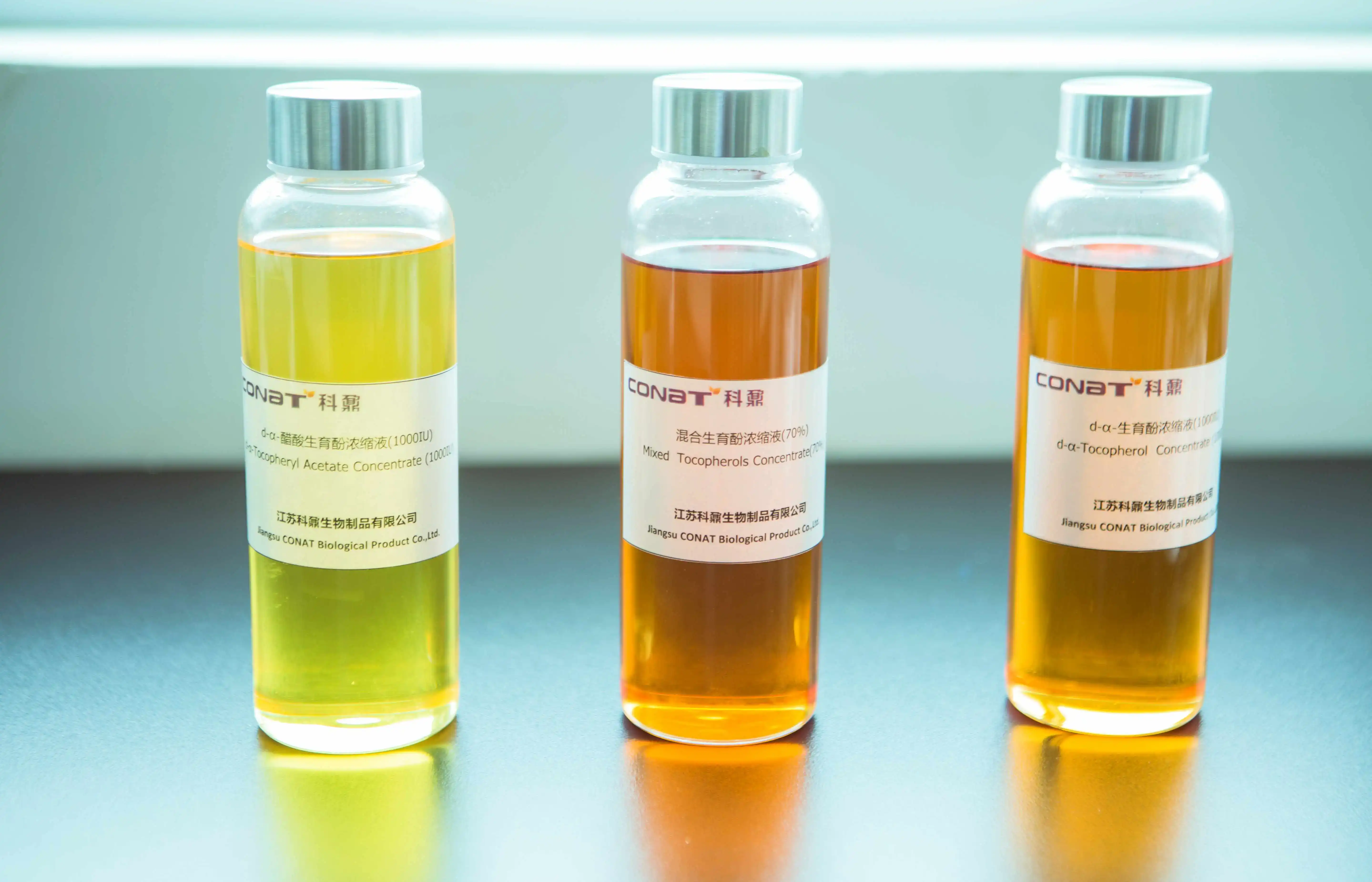
All-natural vitamin E oil comes from plants, like beans, wheat germ, and sunflower seeds. It's a mineral that dissolves in fat. The tocopherols and tocotrienols that make vitamin E work in the body are kept whole during the separation process, which is usually either cold pressing or molecular distillation. Natural types have a mix of tocopherols, including alpha, beta, gamma, and delta. This makes them better protectors than dl-alpha-tocopherol, which is made in a lab. Companies like Jiangsu CONAT Biological Products Co., Ltd. use high-tech tools and strict quality checks to make sure the vitamin E oil they sell is very pure and meets the high standards needed by companies that make medicines, functional foods, and dietary supplements.
Carrier Oils Versus Active Ingredients: Key Differences
When strong active ingredients are mixed with neutral base oils, they are easier to use and absorb. Some popular ones are fractionated coconut oil, grapeseed oil, and argan oil. They chose these oils because they are stable, don't have a lot of viscosity, and mix well with other things without changing their health benefits. Vitamin E oil, on the other hand, is an active ingredient because it contains many tocopherols, which are skin defenders, vitamins, and anti-inflammatory substances. 70–95% of finished goods are made up of carrier oils. Vitamin E oil is added in smaller amounts, about 0.5% to 5%, to make the combination more solid and give it the benefits that are wanted. It is very important for formulation managers to know this all-natural vitamin E oil difference when they look at the lists of ingredients of all-natural vitamin E oil and make plans to buy things.
Natural Versus Synthetic Vitamin E: Implications for Procurement
Man-made vitamin E oils don't get into and stay in human cells as well as natural ones. Studies show that d-alpha-tocopherol works almost twice as well as dl-alpha-tocopherol. Also, worries about cleanliness are not the same. There aren't many impurities in natural vitamin E oil from reputable sources, so the quality is the same from batch to batch. This is helpful for pharmaceutical and medical nutrition businesses that have to follow strict GMP standards and provide paperwork for regulatory filing. Synthetic alternatives may contain unwanted isomers that make them less useful and make it harder to make clean-label recipes. As more and more buying teams think about chemical openness and product diversity, they are becoming more and more interested in it. This is because people want real items that have been scientifically proven to be good for their health.
Benefits and Uses of All-Natural Vitamin E Oil in B2B Applications
Anti-Aging and Skin Regeneration Properties
Skin care items that fight aging have been shown to work better with all-natural vitamin E oil. Free radicals are made by UV light and pollution in the air. This plant's antioxidants get rid of them. This lowers reactive stress, which makes collagen break down and lines form more quickly. Clinical studies have shown that putting vitamin E on your face can make it smoother, more elastic, and more hydrated. It is good for people with old skin because it helps skin cells grow back. It is found in serums, creams, and lotions. There are also beauty products that you can eat that contain vitamin E. To use the antioxidant protection that works all over the body to improve skin health from the inside out, this is done. Vitamin E oil is useful for R&D leaders who want to make their goods work better and use natural active ingredients. It helps them stand out in a crowded market.
Antioxidant Stabilization in Formulations
It's good for your face, and vitamin E oil can also be used to keep food fresh longer by stopping lipid breakdown. Oxidation can damage omega-3 fatty acids and other nutrients, so functional food and drink companies add vitamin E to drinks and foods that have been improved, like milk products, nutritional drinks, and healthy snacks. This app makes it easier to keep items stable while food is being prepared and kept. It is vitamin E that keeps the fat-soluble vitamins and oils in food supplements whole, so they can work for up to 24 months. This is because vitamin E is both a natural antioxidant and a useful nutrient. This helps purchasing managers find ingredients for long-term production processes. This is because it cuts down on the need for man-made toxins and backs up the clean-label message.
Safety Considerations and Risk Mitigation
Most people think that natural vitamin E oil is safe to all natural vitamin e oil put on the skin and eat. But formulation experts need to figure out the best concentration amounts to make sure there are no side effects. People who are sensitive can get contact dermatitis if they use too much on their skin, but this still doesn't happen very often when the recommended amounts are used. To make sure that very high amounts don't have pro-oxidant effects, oral vitamins should not go over the higher limits that have been set. Suppliers like CONAT that are approved can give QA/QC teams strict impurity tests and proof of analysis records. In both the US and other places, this makes sure that safety rules and standards are followed. With these low-risk steps, pharmaceutical and medical nutrition businesses can meet the strict paperwork needs for drug research and clinical nutrition goods.
Procurement Insights: Buying All-Natural Vitamin E Oil for Business
Identifying Reputable Suppliers and Distribution Channels
Care must be taken to build relationships with good sources of all-natural vitamin E oil suppliers. Pharmaceutical and nutritional users can trust companies that have been around for a while, have full production lines, and have accepted quality management systems. These companies should also have dedicated research and development centers. This standard is well shown by Jiangsu CONAT Biological Products Co., Ltd., which has a strong technical team with a lot of experience making phytosterols and natural vitamin E. The company has a full set of tools for study, production, and testing. There are different paths for distribution in different places. Buyers with a lot of money who want unique specs and long-term contracts should use direct maker ties. Regional sellers, on the other hand, give smaller buyers more choices when they need a wide range of goods. Import managers should check with providers to see how well they can help with paperwork, make sure that export rules are followed, and plan transportation to make sure that deals across borders go smoothly.
Quality Evaluation Criteria and Certification Standards
To make buying work well, quality needs to be carefully judged using measurable standards. As a general rule, industrial vitamin E oil is between 70 and 96% pure. The amount of tocopherol, the peroxide value (which shows how stable the oil is against oxidation), and the amount of heavy metals (which raises safety concerns) are also important signs. The research papers should have a certificate that says they follow the right USP, EP, or FCC rules for the job. For example, ISO9001 is for quality management, ISO22000 is for food safety, and there are also Kosher and Halal certifications. These make sure that there are organized quality controls and that goods can be followed. Formulation scientists and QA/QC teams can use suppliers who give them thorough technical data sheets, results of stability tests, and papers that back up regulations. These tools boost the speed of the regulatory submission process for new goods and make it easy for internal review processes to do their jobs.
Price Determinants and Negotiation Strategies
The price of all-natural vitamin E oil depends on many things, including the cost of the raw materials, how hard it is to remove, how pure the oil needs to be, and the size of the order. Most of the time, oils made from sunflowers and wheat germ cost more than oils made from soybeans because they need more growing inputs and produce lower returns. Molecular distillation methods that make clarity high enough for pharmaceutical use cost more than other methods of processing. Costs can be kept as low as possible by making smart claims about quantities, making long-term deals for supplies, and buying at times when most raw materials are available, like during farming harvest cycles. Talking to buyers about quality standards, delivery times, and payment terms in a clear way helps build relationships that are good for both sides. This also helps with managing costs and making sure there is a reliable supply chain.
How to Incorporate Vitamin E Oil in Your Product Line: Practical Tips for B2B Buyers
Formulation Approaches for Diverse Product Categories
When you add all-natural vitamin E oil to business goods, you need to use methods that are special to those products. When added to skin care products, vitamin E oil makes them more absorbent and protects against free radicals. It works well with carrier oils like jojoba or rosehip oil. The strength should be between 0.5% and 2% for daily cleaners. For serums that work quickly, it should be between 3% and 5%. Supplements with vitamin E usually come in the form of softgels. Depending on the health claims, each dose can have anywhere from 100 IU to 1000 IU of vitamin E. It's important to know what temperatures are used when making useful foods. In baked goods and other high-heat uses, vitamin E breaks down at temperatures above 180°C, so it needs to all natural vitamin e oil be added after processing or put inside a capsule in a certain way. In real life, food scientists should test the stability of foods to make sure that the vitamin E stays stable over time.
Storage Best Practices and Shelf Life Management
It is important to follow the rules for storage so that the quality of vitamin E oil stays good all the way through the supply chain. The element needs to be kept in cases that are strongly closed and opaque so that it doesn't get too much light or air, which can cause it to break down faster. It is best to keep things between 15°C and 25°C where there is low humidity. Even more time is added to the shelf life by switching out oxygen for nitrogen during packing. If you store it right, a good natural vitamin E oil will work for at least 24 months. Purchasing managers should set up ways to rotate inventory based on when it was made, and they should check the quality of the goods often to make sure they are still meeting needs. These steps cut down on waste and make sure that later makers get ingredients that are pure and strong enough to meet all the standards.
Synergistic Combinations and Enhanced Performance
Plus, the effects are even better when you mix vitamin E oil with other ingredients that work well together. Putting it together with vitamin C makes a group of antioxidants that work better to shield skin from UV rays. Adding vitamin E to foods that contain omega-3 fatty acids makes them better for your heart and keeps the omega-3s from going bad. More and more feeds for animals are being made with both vitamin E and selenium because scientists know that these two nutrients work together to protect cells and keep the immune system healthy. Studies have shown that these synergistic ways let manufacturers make one-of-a-kind goods that are better for your health than mixes with just one ingredient. If R&D managers are interested in these kinds of mixes, they should read science papers and do stability studies to figure out the best amounts and conditions for working with them.
Conclusion
If you want to know how to buy or make vitamin E oil, you first need to know whether it is an active ingredient or a carrier oil. All-natural vitamin E oil is mostly used as an antioxidant and useful ingredient, not as a normal transport base. It has certain advantages that make goods work better, last longer, and stand out in the market. Food supplements, functional foods, drugs, cosmetics, and animal nutrition are all things that can use it. All of these have strict quality standards, license requirements, and need a stable supply chain. The people who work in procurement who put natural sources, batch stability, and thorough paperwork at the top of their list of goals help their companies follow the rules and get ahead in health-conscious markets.
FAQ
1. Can vitamin E oil be used safely as a standalone carrier oil?
Even though vitamin E oil might work on its own in small amounts, most commercial products can't use it because it's too expensive and has too much of it. To get the best smoothness, absorption, and value for money while still getting the antioxidant effects they want, professional formulators mix 0.5% to 5% vitamin E with real carrier oils like jojoba or sweet almond oil.
2. What is the typical shelf life of all-natural vitamin E oil?
Natural, high-quality all-natural vitamin E oil works for 24 months if it is kept in a dark, sealed container that is kept away from heat and light. Make sure that manufacturers regularly check specs and set up systems for managing stock that put older items at the top of the list so that quality doesn't drop too fast.
3. How does vitamin E oil enhance anti-aging skincare formulations?
There are things called free radicals that break down collagen and cause wrinkles to form faster. These free radicals can be stopped by vitamin E oil. Studies in humans have shown that regular direct treatment makes the skin more hydrated, flexible, and stable. It works well in anti-aging serums, creams, and treatments for older people who want options that have been proven to work by science.
Partner with CONAT for Premium All-Natural Vitamin E Oil
Want to use all-natural vitamin E oil that is pharmaceutical-grade in your products? You need a production partner that cares about quality, security, and following the rules. There are full study, production, and testing facilities at Jiangsu CONAT Biological Products Co., Ltd. that meet ISO, GMP, Kosher, and Halal standards. The company has been making phytosterols and natural vitamin E for a long time. Our skilled team works with sourcing experts to meet the specific supply chain needs of companies that make dietary supplements, useful foods, and medicines. Some of these needs are purity guidelines, licenses, and issues with the supply system. Our all-natural vitamin E oil manufacturer can help you meet your goals for new products and follow the rules, whether you need large amounts of chemicals for long-term production or small amounts for formulating. To find out more, please email our team at sales@conat.cn.
References
1. Brigelius-Flohé, R., & Traber, M.G. (2014). Vitamin E: Function and Metabolism. Journal of the Federation of American Societies for Experimental Biology, 13(10), 1145-1155.
2. Keen, M.A., & Hassan, I. (2016). Vitamin E in Dermatology. Indian Dermatology Online Journal, 7(4), 311-315.
3. Jiang, Q. (2014). Natural Forms of Vitamin E: Metabolism, Antioxidant, and Anti-Inflammatory Activities. Free Radical Biology and Medicine, 72, 76-90.
4. Thiele, J.J., & Ekanayake-Mudiyanselage, S. (2007). Vitamin E in Human Skin: Organ-Specific Physiology and Considerations for Its Use in Dermatology. Molecular Aspects of Medicine, 28(5-6), 646-667.
5. Burton, G.W., & Traber, M.G. (2015). Vitamin E: Antioxidant Activity, Biokinetics, and Bioavailability. Annual Review of Nutrition, 10, 357-382.
6. Peh, H.Y., Tan, W.S., & Liao, W. (2016). Vitamin E Therapy Beyond Cancer: Tocopherol Versus Tocotrienol. Pharmacology & Therapeutics, 162, 152-169.
YOU MAY LIKE