
Mechanism of Phytosterole Pine Sterols Absorption
Knowing how phytosterols pine sterols are taken in and used by the body is an important thing to think about when choosing ingredients for heart health products. These chemicals come from plants and work through complex processes in the intestines to stop the absorption of cholesterol. This has a direct effect on how well the product works and where it stands in the market. When we look at the chemical processes that are involved in sterol uptake, we find important information that affects how products are made, how bioavailability is improved, and, finally, how customers react. This guide talks about the biochemical processes that control the absorption of phytosterols from pine trees. It also gives buying workers useful information for evaluating suppliers, checking quality, and making new products. This study combines scientific evidence with useful B2B decision-making models that improve formulation success and regulatory compliance. For example, it looks at how intestinal movement works and compares different source materials.
Understanding Phytosterole and Pine Sterols
Chemical Structure and Natural Sources
Plant sterols are a group of different chemicals that have the same structure as cholesterol but only come from plants. Pine-derived versions mostly have beta-sitosterol, campesterol, and stigmasterol, with different amounts depending on how they were extracted and the quality of the raw materials. When tall oil is processed, strong sterol parts are made that are valued for how pure and consistent they are. Vegetable oils, nuts, whole grains, and beans are all natural sources of this nutrient. However, to get medicinal doses, you usually need to eat fortified foods or take concentrated supplements. Pine phytosterol powder made from tall oil has very high purity levels and can be used in pharmaceutical and nutraceutical settings where batch uniformity has a direct effect on clinical results.
Cardiovascular Benefits and Clinical Evidence
Since the 1950s, it has been known that these chemicals lower cholesterol, and decades of study have confirmed that they are good for the heart. Clinical studies show that eating 1.3 to 2 grammes of it every day can lower LDL cholesterol by 6 to 15%. The U.S. Food and Drug Administration says that eating at least 0.65 grammes of fibre per meal, twice a day, can lower your risk of heart disease. This governmental acknowledgement backs up product claims and helps the company place itself in the market. Plant sterols work by competitive inhibition instead of metabolic change, which makes them a natural way to lower cholesterol that doesn't have the systemic side effects that manufactured options do.
Addressing Common Misconceptions
People often get confused between the different kinds of sterols, like stanols vs. sterols and free forms vs. esterified forms. Stanols are similar to sterols but have been hydrogenated and work in the same way. However, they are not as common in nature as sterols. Esterified forms, like tall oil sterol esters, dissolve better in lipid matrices, which makes it easier to add them to useful foods and vitamins. There are times when safety worries are raised about phytosterolemia, a rare genetic disease in which too much sterol can be harmful. Less than one in 200,000 people have this problem, so it's not something that you should normally think about. Instead of focusing too much on rare risks, procurement pros should focus on paperwork that shows the purity of the ingredients and the lack of any contaminants.
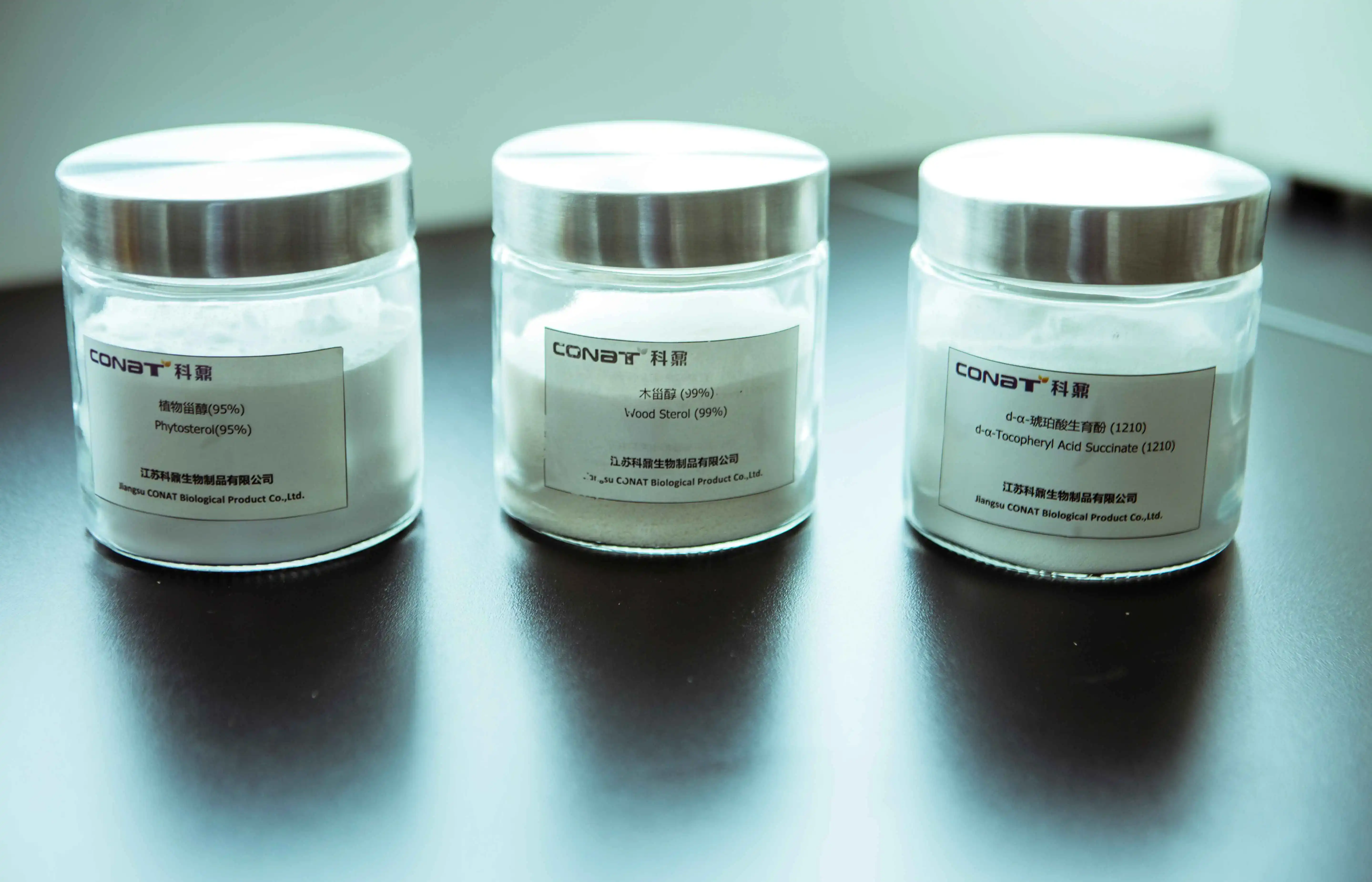
The Mechanism of Absorption: How Phytosterole Pine Sterols Work in the Body?
Intestinal Transport and Competitive Inhibition
The main way that phytosterol pine sterols lower cholesterol is by competing with other molecules in intestinal micelles. During processing, cholesterol and food fats mix to form micelles, which are tiny structures that make it easier for the body to absorb fats. When plant sterols join these micelles, they physically move cholesterol molecules around, making them less available for absorption. Because phytosterols and cholesterol have similar structures, they can fight for limited room within micelle cores. However, important molecular differences make it hard for the plant compounds to be absorbed properly. When enough sterol is eaten, this selective shift lowers the absorption of food cholesterol by about 30 to 50 percent.
Role of Transport Proteins and Enzymatic Pathways
The main way that sterols are absorbed is through the gut protein NPC1L1 (Niemann-Pick C1-Like 1). This transporter can pick up both cholesterol and plant sterols, including phytosterol pine sterols, making it easier for them to move from the lumen of the intestine to enterocytes. Once plant sterols get into intestinal cells, ABCG5 and ABCG8 transporters actively pump them back into the digestive system. This is why only about 5–6 percent of dietary phytosterols are absorbed, while 50–60 per cent of cholesterol is. This difference in transport efficiency keeps plants from storing too many sterols while still letting their system for stopping cholesterol work. Enzymatic esterification also plays a part. Cholesterol is quickly esterified in enterocytes so that it can be added to chylomicrons, but plant sterols, including phytosteryl pine sterols, stay mostly unesterified and can be moved backwards.
Bioavailability Factors and Formulation Considerations
The physical state and distribution grid have a big effect on how well sterols work. Crystalline forms aren't very bioactive because they don't dissolve well, but sterol esters that are dissolved in lipid containers work much better. Technologies like particle size reduction, microencapsulation, and emulsification make it easier for the drugs to mix with and spread through the gut. A pine phytosterol powder with the right amount of particles spread out makes sure that the breakdown rates and micelle inclusion are always the same. Another worry is temperature stability during food preparation; heat can break down sterols or change their physical features. By choosing materials with known thermal stability patterns, you can keep the claims on the label true for the whole time the product is on the shelf.
Comparing Phytosterole and Pine Sterols for Procurement Decisions
Chemical Composition and Activity Profiles
Pine-derived phytosterols usually have between 80 and 95% total sterols, with beta-sitosterol being the main one and campesterol and sitostanol coming in second and third. This mix is similar to the sterol profile that has been studied the most in clinical studies, which is strong evidence to back claims of effectiveness. Similar chemicals are made from other sources, like processing soybeans or sunflowers, but the amounts and possible co-extractives can change, which can affect the purity. Tall oil sterol esters dissolve better in fat, which makes them better for uses in margarine, cheese, and drinks where even spreading is important. The esterification process also makes the molecules less likely to react with oxygen, which keeps them safe while they are being made and while they are being stored.
Source Variability and Quality Considerations
Finding good raw materials has a direct effect on the quality of the finished product. Sustainable forestry practices support environmental duty, which is becoming an increasingly important factor for brand building, and make sure that tall oil is always available. Solvent processing, distillation, and crystallisation are some of the extraction methods used to find out the purity levels and profiles of any remaining contaminants. Specifications for buying things should require reports of analysis that show the amount of sterols, heavy metals, pesticides, and bacterial safety. Pine phytosterol powder from reputable producers goes through strict quality control measures, such as HPLC analysis to confirm its composition and stability testing under harsh circumstances. Comparing supplier paperwork shows big differences in quality that have a direct effect on how well the formulation works and how well it meets legal requirements.
Natural Versus Synthetic: Efficacy and Market Perception
There are manufactured ways to make sterols, but natural plant-based sterols rule the market because people want ingredients that are good for them. Marketing studies regularly show that putting a product in a "natural" category makes it more appealing, especially in the health supplement and functional food categories. Synthetic options might be cheaper, but people are sceptical about them, and the government might put limits on what they can be used for. Natural materials made from pine have been shown to be safe for a long time, have been tested in many clinical settings, and are in line with health trends that focus on plant ingredients. When making purchasing choices, people should think about both cost and market placement benefits. It's important to remember that premium natural ingredients often explain higher prices by building brand equity and customer trust.
Procurement Considerations for Phytosterole and Pine Sterols
Supplier Evaluation and Certification Requirements
To find suitable suppliers, you have to look at a lot of things, like their manufacturing skills, quality systems, and compliance with regulations for ingredients such as phytosterol pine sterols. Getting ISO 9001 certification shows that you care about quality management, while getting ISO 22000 or FSSC 22000 certification shows that you care about food safety. Kosher and Halal approvals make it easier for people with certain dietary needs to buy goods. GMP compliance is necessary for pharmaceutical-grade uses where stricter paperwork rules apply than in the food business. You can learn more about a supplier's dependability by asking for site audit records, customer references, and stability data. Supplier chain risks that come with getting ingredients can be reduced by working with makers for a long time, like Jiangsu CONAT Biological Products Co., Ltd, which has a complete quality infrastructure and experienced technical teams for products including phytosterol pine sterols.
Pricing Analysis and Supply Chain Management
The price of phytosterol changes depending on the cost of the raw materials, how hard the processing is, and the quality requirements. Buying in bulk usually saves money, but you need to have the right storing facilities and be able to accurately predict demand. When you buy something internationally, you have to think about things like import rules, customs paperwork, and coordinating details. Setting up vendor-managed inventory plans or exchange agreements can help you save money on working capital while still making sure you have the materials you need. Changes in the value of the dollar can make prices less stable, so long-term contracts with clear pricing structures can help you plan your spending. When you look at the total cost of ownership instead of just the unit price, you can see how much it costs to fix mistakes in the formula or to get approval from the government because of bad paperwork.
Quality Assurance and Testing Protocols
Before the material is put into production, it is tested to make sure that the supplier's certificates are correct and to find any possible quality problems. As a minimum, tests should look at the amount of sterols using HPLC, the amount of wetness, heavy metals, and microbes. Depending on the needs of the product, advanced testing methods may include measuring oxidative stability, particle size distribution, and leftover fluid analysis. Setting clear standards for acceptance and auditing suppliers on a regular basis strengthens quality expectations. Keeping sampling samples on hand lets you look into customer complaints or problems with performance. Buying from companies that offer technical help and application knowledge, like CONAT's skilled R&D teams, makes it easier to solve problems and improve formulations throughout the lifecycles of products.
Application Case Study
A medium-sized supplement company in North America wanted to make a heart health recipe for people who are trying to lower their cholesterol through food. In the first tests of the mixture, different phytosterol sources were compared by looking at how well they dissolved, how stable they were, and how much they cost. Pure phytosterol particles from pine-derived sources worked better in capsule formulas and stayed effective through extended shelf-life tests. Pilot production showed that precision in particle size had a direct effect on the results of tests for blend uniformity and content uniformity. Working together with the ingredient provider to improve the particle specs led to the needed analytical results.
When production was scaled up to market levels, it was necessary to make sure that suppliers of phytosterol pine sterols could consistently deliver large amounts of goods on time with manufacturing plans. Full source qualification, including visiting the building, going over paperwork, and checking references to make sure they can do what they say they can do. The manufacturer set up business reviews every three months to keep track of quality measures, delivery performance, and how quickly technical help was responding. After two years of working together, the product was well received by the market, with buyers being happy with it and buying it again at rates higher than the average for its group. This success came from choosing a qualified ingredient partner that could help with both the initial development and ongoing business supply of phytosterol pine sterols with consistent quality. This is a very important lesson for procurement workers who are looking at long-term supplier relationships.
Conclusion
The way phytosteryl pine sterols are absorbed depends on cholesterol being moved around in the intestines by specific transport proteins and different metabolic processes. This knowledge helps with buying things by showing how important it is for ingredients to be pure, have the right physical form, and work well with other ingredients in the recipe. To do good buying, you need to look at more than just price when analysing sources. You should look at their quality systems, technical skills, and the stability of their supply chains. Pine-derived phytosterols have a lot of benefits, such as a history of safety, strong clinical evidence, and a good reputation in the market as natural nutrients. When purchasing managers combine scientific knowledge with smart supplier ties, they set up their companies for success in formulating new drugs and a competitive edge in the growing heart health market.
FAQ
1. What distinguishes pine phytosterols from other plant sterol sources?
Materials made from pine come from making tall oil, which produces concentrated sterols with a stable makeup and high purity. This source gives beta-sitosterol-rich profiles that have been thoroughly tested in clinical research, which backs up promises made about the product.
2. How should I verify the quality of bulk phytosterol ingredients?
Ask for full records of analysis that show the amount of sterols, heavy metals, herbicides, and microbiological safety. Do checks of arriving goods and keep up with supplier audit programmes. Build partnerships with makers that keep their ISO certifications and follow good manufacturing practices (GMP), which shows that they have a method for managing quality.
3. What are potential side effects relevant to formulation decisions?
Mild stomach problems, like diarrhoea or sickness, may happen at first, but they usually go away as you keep using it. These depend on the dose, which suggests that formulation methods should use recommended doses instead of too much. Because phytosterolemia is a rare genetic disease that makes us dangerous but only affects small parts of the population, product warnings instead of changing the recipe are the right thing to do.
Partner with CONAT for Premium Phytosterole Pine Sterols Supply
Jiangsu CONAT Biological Products Co., Ltd. is a reliable company that makes phytosterole pine sterols. They offer pharmaceutical-grade products and have been making them for decades, so you can trust them. Our building has all the necessary tools for study, production, and testing. It is run by highly trained technical experts who know how to meet the specific needs of pharmaceutical, functional food, and dietary supplement applications. We keep our ISO standards, follow GMP guidelines, and offer Kosher and Halal choices to meet the needs of a wide range of customers. Whether you need pure phytosterol particles for capsules or tall oil sterol esters for drinks, our product line can help you with a wide range of manufacturing problems, and the quality is always consistent and well-documented. Our expert team helps with applications during the whole creation process, fixing problems with formulations and making sure that ingredients work at their best. Contact sales@conat.cn right away to talk about your unique buying needs, ask for samples, or set up a professional meeting. We provide the stable phytosterol source and expert support that your new product needs.
References
1. Pollak OJ. Reduction of blood cholesterol in man. Circulation, 1953; 7(5): 702-706.
2. Ostlund RE Jr. Phytosterols in human nutrition. Annual Review of Nutrition, 2002; 22: 533-549.
3. Plat J, Mensink RP. Plant stanol and sterol esters in the control of blood cholesterol levels: mechanism and safety aspects. American Journal of Cardiology, 2005; 96(1A): 15D-22D.
4. Gylling H, Plat J, Turley S, et al. Plant sterols and plant stanols in the management of dyslipidaemia and prevention of cardiovascular disease. Atherosclerosis, 2014; 232(2): 346-360.
5. Berger A, Jones PJ, Abumweis SS. Plant sterols: factors affecting their efficacy and safety as functional food ingredients. Lipids in Health and Disease, 2004; 3: 5.
6. Ras RT, Geleijnse JM, Trautwein EA. LDL-cholesterol-lowering effect of plant sterols and stanols across different dose ranges: a meta-analysis of randomised controlled studies. British Journal of Nutrition, 2014; 112(2): 214-219.
YOU MAY LIKE