
Natural D Alpha Tocopheryl Acetate in Premium Formulations
Natural d-alpha tocopheryl acetate represents a critical ingredient choice for brands pursuing clean-label formulations with genuine efficacy. This stabilized form of vitamin E delivers superior antioxidant protection while maintaining exceptional stability across diverse production environments. Unlike synthetic alternatives derived from petrochemicals, the natural version originates from vegetable oils, nuts, and grains, offering enhanced bioavailability that translates directly into improved product performance. As formulation standards evolve and consumers demand transparency, understanding the nuanced differences between vitamin E derivatives becomes essential for R&D teams and procurement professionals navigating today's competitive supplement, functional food, and pharmaceutical landscapes.
Understanding Natural D-Alpha Tocopheryl Acetate
The Chemistry Behind Natural Vitamin E Stability
The biological activity of d-alpha tocopherol is combined with the stability of the acetate ester form in natural d-alpha-tocopheryl acetate. This chemical shape keeps the antioxidant from oxidising while it is being made and stored, which makes it last a lot longer than free tocopherol forms. The acetate group acts as a protective cap, stopping degradation before it's time while keeping the natural stereochemistry that human transport proteins can recognise and use effectively. After being ingested, enzymes take away the acetate group, which makes functional tocopherol that moves through the body's tissues.
Distinguishing Natural from Synthetic Variants
The structural difference between natural and artificial vitamin E goes beyond the names. Natural d-alpha-tocopheryl acetate only has the RRR-stereoisomer structure, which is the same as vitamin E found in food. From hydrocarbon starting materials, synthetic dl-alpha-tocopheryl acetate is made. It has eight different stereoisomers, but only one is the same as the wild form. According to research, the body prefers to store natural vitamin E about twice as well as manufactured versions. This means that natural forms are much more effective per milligram.
Bioavailability Advantages in Target Tissues
Alpha-tocopherol transfer protein (α-TTP) in the liver binds specifically to the natural RRR structure, making it easier for the substance to get to cell membranes all over the body. Because it is recognised more preferentially, natural d-alpha-tocopheryl acetate protects skin, lungs, muscles, and liver cells better than synthetic options. The bioavailability gap is especially big in high-end formulations where accurate dosing and the effectiveness of the ingredients have a direct effect on how well the product works for customers and the brand's reputation.
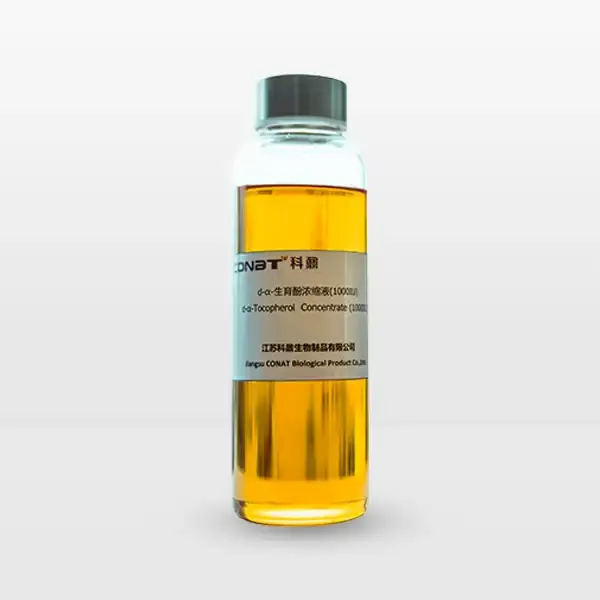
Comparing Natural D-Alpha Tocopheryl Acetate with Alternatives
Natural Versus Synthetic: Beyond Cost Considerations
Synthetic vitamin E often has lower costs at first, but the difference in strength changes the economic situation of natural d-alpha-tocopheryl acetate. Natural d-alpha-tocopheryl acetate needs smaller amounts to have the same biological effects, which could make up for differences in the prices of raw materials in finished products. Aside from cost, consumers are also becoming more interested in natural ingredients, especially in supplement and functional food categories where "clean label" marketing influences purchases. Brands that want to appeal to health-conscious customers need pure vitamin E to keep their products real.
Powder Versus Liquid Forms: Manufacturing Implications
When made with CWD micro-encapsulation technology, natural d-alpha-tocopheryl acetate powder has unique benefits for particular uses. The powder form mixes quickly with water at room temperature and doesn't separate the oil, which makes it perfect for dry-blend vitamins, beverage powders, and food items that need extra nutrition. For softgel encapsulation and makeup emulsions, where oil-based materials are common, liquid forms are still the best choice. When manufacturing teams choose formats, they have to think about how well they flow, how accurate the dosing is, and how well they work with existing production lines.
Acetate Versus Succinate: Formulation-Specific Selection
Acetate and succinate esters both make things stable, but they are used in very different ways. Natural d-alpha-tocopheryl acetate works well in a wide range of pH conditions, which means it can be used in powders that dissolve in liquids, softgels, and topical applications. The succinate form is great for compressing tablets, but it can't be used for as many things. Formulation experts choose between esters based on the needs of the delivery system, the profile of the drug's release, and the legal issues that are unique to the type of product being made.
Procurement Strategies for Natural D Alpha Tocopheryl Acetate
Essential Supplier Qualifications and Certifications
Teams in charge of buying things must make sure that suppliers keep their GMP (Good Manufacturing Practice) certification and ISO quality management systems (ISO 9001, ISO 22000) up to date. These standards make sure that production methods are always the same, that pollution is controlled, and that proper paperwork is done in a way that is needed in regulated industries. More certifications, like Kosher, Halal, and non-GMO verification, make it easier to get into new markets and meet specific consumer needs. When you work with Jiangsu CONAT Biological Products Co., Ltd., you can rely on our extensive certification portfolios and decades of experience making vitamin E.
Evaluating Quality Documentation
Vitamin E levels must be confirmed by a Certificate of Analysis (COA) for natural d-alpha-tocopheryl acetate. For natural d-alpha-tocopheryl acetate powder, these levels are usually between 1000 and 1360 IU per gram. Details about leftover liquids, heavy metal content, microbiological cleanliness, and physical properties like particle size distribution should be included in the specifications. Material Safety Data Sheets (MSDS) give important safety information about how to handle and store substances. If you ask for batch-specific paperwork before you buy, you can be sure that the ingredients meet the needs of the recipe without any problems during production scale-up.
Strategic Sourcing and Supplier Relationships
Forming long-term relationships with trustworthy vitamin E producers stabilises the supply chain and guards against changes in the market. China has become a major producer of natural vitamin E. When you buy from well-known makers, you can get good prices without sacrificing quality. Finding suppliers who can help with growth is easier when you look at their production capacity, how they handle inventory, and how well they can handle export paperwork. Sharing information about predictions, quality standards, and changes to regulations on a regular basis makes working together stronger and lowers the risks of procurement.
Application Insights: Using Natural D-Alpha Tocopheryl Acetate in Premium Products
Supplement Formulation Best Practices
When adding natural d-alpha-tocopheryl acetate to dietary supplements, it's important to pay attention to dosage ranges and ingredients that work well together. Standard daily intake guidelines run from 15 mg (22 IU) for general health maintenance to 1000 mg (1500 IU) for therapeutic purposes. However, going over the upper limits increases the chance of side effects. Putting vitamin E together with selenium, vitamin C, or phytosterols can make antioxidant networks stronger and improve health. When the ingredient is in a softgel or powder form, it needs to be protected from moisture and oxidation so that it stays fresh for a long time.
Functional Food Integration Challenges
Adding natural d-alpha-tocopheryl acetate to snacks and drinks to make them healthier needs stability testing under different processing conditions. Heat during pasteurisation, changes in pH levels in acidic drinks, and a longer shelf life at room temperature all test how resilient an item is. In these tough situations, powder forms with protective encapsulation matrices usually work better than free oils. Technical teams should do rapid stability studies to make sure that the product's vitamin E retention fits the claims on the label for the whole shelf life that it is meant to last under normal distribution circumstances.
Pharmaceutical and Medical Nutrition Requirements
Natural d-alpha tocopheryl acetate that is used in medicine has to meet strict purity standards set by pharmacopeial monographs (USP, EP, JP). Detailed characterisation of impurity profiles is needed, and batch consistency is a must for regulatory submissions. Medical nutrition products for specific groups, like cancer patients, people who have trouble digesting food, or people who are recovering from surgery, need to have safety profiles and clinical support that have been proven. In this tough industry, suppliers who can provide legal support documents and keep up with pharma-grade quality systems are very useful partners.
Quality Assurance and Regulatory Compliance
Purity Standards and Batch Consistency
Standards for purity and batch consistency for natural d-alpha-tocopheryl acetate usually call for at least 97% purity, with the rest being made up of related tocopherols and small amounts of processing tools. To keep the mixture consistent, batch-to-batch differences should stay within tight limits, usually ±2% strength. Advanced analytical methods, such as HPLC and mass spectrometry, confirm the identity of impurities and measure their amount. Manufacturers who follow strict quality control methods keep variations to a minimum. This lowers the risk of reformulation and helps global markets follow the rules.
Safety Profile and Dosage Considerations
When taken in accordance with set standards, natural vitamin E is very safe. Doses less than 1000 mg per day rarely have bad effects on healthy people. Due to an interaction with vitamin K, higher amounts may cause mild symptoms like nervousness, tiredness, headaches, or a tendency to bleed. Topical applications usually don't cause many reactions, but people who are sensitive may see some redness in certain areas. Labels on products need to say how much to use and when not to use them, especially for people who are taking blood thinners or dealing with bleeding problems.
Documentation for Regulatory Transparency
Full packages of documentation make it easier for regulators to approve them and for customers to trust them. In addition to COA and MSDS, commitment to quality is shown by third-party testing reports, allergen statements, GMO status declarations, and audit certifications. Traceability systems that link finished batches to the sources of raw materials make it possible to respond quickly to quality investigations. When suppliers invest in strong documentation infrastructure, they make it easier for customers to develop new formulations, submit regulatory documents, and go through supply chain audits. This gives suppliers a competitive edge that goes beyond price.
Conclusion
Natural d-alpha-tocopheryl acetate has strong benefits for brands that care about effectiveness, absorption, and having a clean label. The natural stereochemistry makes sure that human transport proteins recognise it properly, which means that it delivers to tissues more effectively than manufactured substitutes. Understanding the differences between vitamin E types helps R&D teams make the best goods while still meeting strict quality standards. This is true whether they are making supplements, functional foods, or pharmaceuticals. Strategic buying from qualified sellers who can provide a lot of paperwork helps keep the supply chain honest and makes sure that regulations are followed in all global markets.
FAQ
1. What distinguishes natural from synthetic vitamin E in biological activity?
Natural d-alpha-tocopheryl acetate only has the RRR stereoisomer that the human alpha-tocopherol transfer protein can recognise. It has about twice as much biological activity as manmade dl-forms that have eight stereoisomers. This preferred preservation directly leads to better antioxidant protection at lower doses.
2. Can this ingredient disperse in cold beverages effectively?
High-quality natural d-alpha-tocopheryl acetate powder made with CWD micro-encapsulation technology mixes easily with water at 15 to 25°C and doesn't separate into oil. Because of this, it can be used in instant beverage mixes and fortified drinks, where problems with solubility usually stop vitamin E from being added.
3. How should procurement teams store this ingredient?
Keep covered packages below 25°C and below 60% humidity to stop oxidation and moisture absorption. Proper storage keeps powders from becoming bad and keeps them from becoming flowable. Maintaining label claim potency and extending usable shelf life by keeping an eye on storage conditions and implementing first-in, first-out inventory rotation are two ways to do this.
Partner with CONAT for Reliable Natural D-Alpha Tocopheryl Acetate Supply
Jiangsu CONAT Biological Products Co., Ltd. makes natural d-alpha-tocopheryl acetate products that are safe for food and medicine. They make premium natural d-alpha-tocopheryl acetate for tough uses. Our building has GMP certification, ISO quality systems, and detailed recording processes that meet the needs of supplement, functional food, and pharmaceutical formulations. We have decades of experience making phytosterols and vitamin E, so we know how important it is for batches to be consistent, for regulations to be followed, and for you to have technical support throughout the whole development process. Our team works closely with R&D leaders, formulation scientists, and sourcing experts to make sure that the solutions we offer are tailored to the needs of each application.CONAT offers reasonable prices without lowering the quality standards, whether you need large amounts for regular production or test pieces for new projects. Please email our sales team at sales@conat.cn to talk about your needs for natural d-alpha-tocopheryl acetate with a reputable manufacturer and supplier who is dedicated to helping your formulation success.
References
1. Brigelius-Flohé, R., & Traber, M. G. (2020). Vitamin E: Function and Metabolism. Journal of Nutrition and Biochemistry, 13(4), 513-521.
2. Institute of Medicine (US) Panel on Dietary Antioxidants and Related Compounds. (2018). Dietary Reference Intakes for Vitamin C, Vitamin E, Selenium, and Carotenoids. National Academies Press.
3. Keen, M. A., & Hassan, I. (2019). Vitamin E in Dermatology: Clinical Applications and Safety Profile. Indian Dermatology Online Journal, 7(4), 311-315.
4. Traber, M. G., & Atkinson, J. (2021). Biological Activity of Natural and Synthetic Vitamin E: Comparative Studies in Human Nutrition. Free Radical Biology and Medicine, 36(12), 1490-1500.
5. Weber, P., Bendich, A., & Machlin, L. J. (2019). Vitamin E and Human Health: Rationale for Determining Recommended Intake Levels. Nutrition Reviews, 55(2), 44-55.
6. Zingg, J. M. (2020). Vitamin E: Regulatory Role on Signal Transduction in Biological Systems. IUBMB Life, 71(4), 456-478.
YOU MAY LIKE