
Natural Mixed Tocopherols for Oxidation Control in Oils
Natural mixed tocopherols represent a powerful solution for controlling oxidation in oils across food, nutraceutical, and industrial applications. These vitamin E compounds—comprising alpha, beta, gamma, and delta forms—work synergistically to neutralize free radicals and prevent lipid degradation. Unlike synthetic alternatives, this blend of natural d-form tocopherols delivers broad-spectrum antioxidant protection, extending shelf life while maintaining product quality and meeting clean-label demands. Understanding their mechanism and application enables formulation managers and procurement teams to make strategic decisions that enhance product stability and competitive positioning.
Understanding Natural Mixed Tocopherols and Their Role in Oil Preservation
The Science Behind Tocopherol Antioxidant Activity
At our company, we've seen how natural mixed tocopherols work at the molecular level to keep the quality of oil. These compounds that dissolve in fat give reactive oxygen species hydrogen atoms. This stops the chain reactions that lead to rancidity. While alpha-tocopherol gets a lot of notice for being a vitamin E, the gamma and delta forms are better at getting rid of free radicals in lipid systems. Because of this biochemical fact, natural mixed tocopherols cover more oxidation pathways than isolated forms, so they are better at fighting peroxyl radicals and singlet oxygen.
Naturally Sourced Versus Synthetic Alternatives
There is more to the difference between natural and manmade tocopherols than what is said on the label. "d-tocopherols," which are the natural forms, come from vegetable oils that can be eaten, such as soybean, sunflower, and canola. Synthetic "dl-tocopherols," which have similar amounts of eight stereoisomers, have a different chemical structure. Studies show that natural forms are better at being bioavailable and staying in cellular systems. Regulatory guidelines are favouring natural chemicals more and more, especially as consumers learn more about clean-label formulas. This preference is good for procurement teams that work with nutraceutical brands or functional foods because natural mixed tocopherols are in line with both regulatory requirements and market positioning strategies.
Regulatory Considerations and Safety Profile
Tocopherols are generally thought to be safe in the United States, where they have set daily intake levels that are considered safe. The FDA lets them be used as vitamins in different types of food without setting specific limits on the amount that can be used. This regulatory flexibility makes the work of formulating easier while still protecting consumers. When getting these products for global markets, international standards like ISO, GMP, Kosher, and Halal are very important. Quality assurance teams should make sure that suppliers keep all the paperwork that backs up these certifications, since regulatory submission rules need a lot of traceability and purity data.
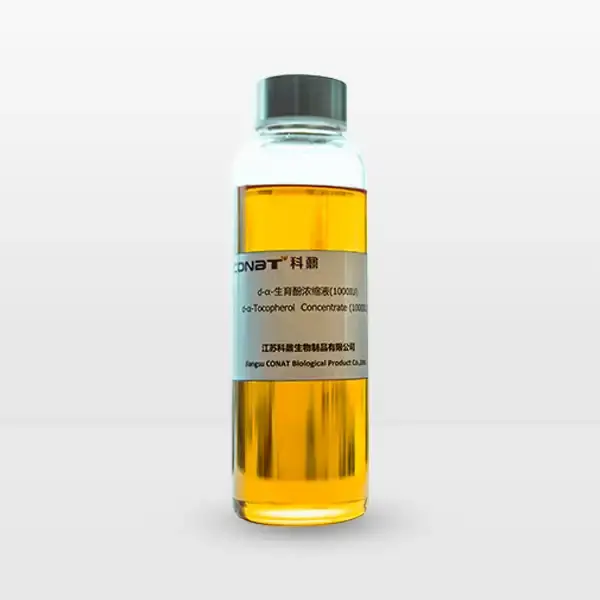
Comparative Analysis: Natural Mixed Tocopherols vs Other Antioxidants
Performance Benchmarking in Oil Matrices
We regularly check out how well various antioxidant systems work in real-life situations. When it comes to protecting polyunsaturated oils, especially those high in omega-3 fatty acids, natural mixed tocopherols work better than pure alpha-tocopherol. Because they are made up of effective blends, they have this benefit. Gamma-tocopherol is very good at securing nitrogen oxide radicals, and delta-tocopherol is very strong against lipid peroxidation. Synthetic antioxidants like BHA and BHT may be cheaper, but consumers are becoming more resistant to them, and regulators are keeping a close eye on them. This makes them more difficult for brands that want to stand out in the market.
Cost-Effectiveness Analysis for Industrial Applications
When purchasing managers think about investing in ingredients, they should look at the total cost of ownership instead of just the unit price. Depending on the concentration and purity requirements, natural mixed tocopherols typically fall into the moderate to premium price range. But because they work well at lower dosage rates—usually between 0.01% and 0.05% in oil applications—the price per finished product unit stays low. Longer shelf life means less waste, better product management, and a better image for the brand. We talked to a company that makes healthy drinks, and they said that moving to natural mixed tocopherols cut their costs by 30% because they didn't have to make as many batch changes.
Stability Considerations Across Processing Conditions
Temperature sensitivity is an important part of choosing antioxidants. Natural mixed tocopherols stay active at normal food processing temperatures (up to 180°C for short periods of time), but long-term contact with high temperatures makes them less effective. Because they are stable at high temperatures, they can be used for spray-drying, extrusion, and mild heat treatments that are common in making functional foods. Synthetic options might be able to handle higher temperatures, but people don't like them. Technical leaders should compare the factors they use for processing tocopherol stability profiles. If necessary, they may need to change the timing of the addition to make sure that the most natural mixed tocopherols stay in the end product.
Sourcing Natural Mixed Tocopherols: Procurement Guide for B2B Clients
Product Forms and Specifications
Natural mixed tocopherols come in a number of different forms to meet the needs of different manufacturing processes. Most of the time, tocopherol is found in oil-soluble liquids with concentrations ranging from 50% to 95%. This makes them easy to add to lipid-based systems. Spray-drying or molecular wrapping can be used to make powders that can be used in situations where they need to dissolve in water or be easier to handle. On the specification sheets, it should say the amount of each tocopherol homolog (alpha, beta, gamma, and delta), the total amount of tocopherol, the type of carrier oil, and important quality factors like the peroxide value, acid value, and heavy metal content. Steel drums (190 kg), intermediate bulk containers, or special containers for bigger shipments are some of the bulk packing choices.
Supplier Evaluation Criteria
To choose trusted suppliers, you need to do a thorough evaluation of many factors. The ability to make things should include separate areas for separation and concentration that have quality control labs. Important certifications show that both the process and the product are honest. For example, ISO 9001 confirms quality management systems, ISO 22000 addresses food safety management, and GMP certification shows that pharmaceutical-grade manufacturing standards are met. Ask for certificates of analysis (COA) from the most recent production batches to make sure that the purity levels and natural mixed tocopherol ratios are always the same. Material Safety Data Sheets (MSDS) give important information about how to handle and store substances. Location is also important; well-known makers in places with strong government control usually keep up with the higher documentation standards needed for international trade.
Pricing Strategies and Contract Negotiation
The price of natural mixed tocopherols depends on the cost of the raw materials, the amount of concentration, and how the market is moving. The current market rates depend on the amount of tocopherol and the size of the order. For long-term supply agreements, discounts based on quantity are available. There are several strategies that can be used to negotiate good terms. By committing to a certain amount of goods across multiple sales, you can get better prices and still have some room in your store. Fixed-price contracts protect against changes in the prices of raw materials, which is especially important because the prices of vegetable oils change all the time. When sellers help with composition, technical partnerships add value above and beyond the price of commodities. Importers and wholesalers should set minimum order numbers that balance the economics of shipping containers with the costs of keeping inventory. For first orders, these quantities should usually fall between 500 kg and 2,000 kg.
Practical Applications of Natural Mixed Tocopherols in Oil Oxidation Control
Food Industry Applications and Regulatory Compliance
The biggest market for natural mixed tocopherols is in food, where they are used as both nutritional ingredients and processing aids. Small additions (0.02% to 0.05%) greatly increase the shelf life of edible oils by stopping oxidative rancidity, which creates bad tastes and harmful compounds. They are added to health bars, cereals, and baked goods to protect polyunsaturated fats while they are being processed and stored. When making functional drinks with emulsion systems, the people who make them face special problems. For example, natural mixed tocopherols need the right dispersion technology to keep working in water. Labelling is very important for following the rules. If an ingredient is only used as antioxidant protection, calling it "natural mixed tocopherols" is enough. But if it's claimed to add nutrients, the amounts must be spelt out, and the Daily Value guidelines must be followed.
Nutraceutical and Cosmetic Formulation Benefits
Nutraceutical brands that use omega-3 formulations depend on antioxidant systems that work well. Without protection, fish oil and algal oil supplements quickly oxidise, making levels of peroxide that lower their safety and effectiveness. Natural mixed tocopherols at concentrations of 0.1% to 0.2% protect products well for a long time, which backs up manufacturers' claims about their effectiveness and quality standards. Both the antioxidant and vitamin E skin benefits can be found in cosmetics. Natural mixed tocopherols are added to facial oils, serums, and anti-aging products to keep the base oils stable while also providing known skin health benefits. The natural origin supports the clean beauty positioning, which takes into account consumer preferences that are becoming more and more important in the personal care market.
Industrial Oil Applications
Oxidative stress is caused by heat, pressure, and metal catalysis in technical oils that are used in metalworking, hydraulics, and lubricant formulations. Natural mixed tocopherols are renewable alternatives to antioxidants that come from petroleum, which is important as efforts to make businesses more environmentally friendly grow. Because they work well in bio-based hydraulic fluids and lubricants, manufacturers can get environmental certifications without sacrificing performance. When natural mixed tocopherols are mixed with other natural antioxidants, like rosemary extract, in additive packages, they work together to make systems that offer better protection. During performance testing, oxidation stability indices (OSI), total acid number changes, and viscosity stability should be checked under rapid ageing conditions that are specific to the area where the product will be used.
Optimizing Performance and Best Practices for Incorporating Natural Mixed Tocopherols
Dosage Recommendations by Oil Type
Dosing that works depends on the type of oil, how it is stored, and how long you want the oil to last. Oils that are high in polyunsaturated fatty acids, like flaxseed, fish, and walnut oils, need higher natural mixed tocopherols levels (0.05% to 0.15%) because they are more likely to react with oxygen. Lower amounts (0.02% to 0.05%) are good for monounsaturated oils like canola and olive. Saturated fats are naturally resistant to oxidation, but adding small amounts of natural mixed tocopherols can still protect them from breaking down. The amount of protection needed depends on the temperature during storage. Products that are kept in the fridge don't need as much protection as those that are kept at room temperature or higher. Accelerated shelf-life testing with keeping at high temperatures helps figure out the best dose rates for certain products before they are made for sale.
Handling and Storage Best Practices
Environmental factors need to be taken into account in order to keep the natural mixed tocopherols potency up throughout the supply chain. Keep containers in cool, dark places, preferably below 25°C, because light and heat both speed up oxidation. Once the package is opened, nitrogen covers it to keep high-concentration natural mixed tocopherols products from being exposed to oxygen in the air. Containers made of glass or stainless steel stop the chemical breakdown that can happen with reactive metals. Following the first-in, first-out rule for inventory movement makes sure that older stock is used up before it loses its effectiveness. Analytical testing upon receipt and at regular intervals makes sure that the natural mixed tocopherols content stays within the limits set, which protects the integrity of the formulation.
Quality Control and Documentation Requirements
Comprehensive paperwork is a key part of strong quality systems. Every package should come with a Certificate of Analysis that lists the natural mixed tocopherols makeup, purity parameters, microbial testing results, and heavy metal analysis. Keep these records to meet traceability standards and for government checks. Safe handling methods and emergency reaction plans are based on MSDS paperwork. Setting up qualified source programs with lists of accepted vendors makes buying things easier and makes sure that the quality is always the same. Periodic supplier checks, which can be done by internal quality teams or third-party services, make sure that the way products are made matches the standards and specs that were given.
Emerging Trends in Natural Antioxidant Technology
The antioxidant ingredient market keeps changing to make it more sustainable and effective. To appeal to customers who are ready to pay more for these qualities, suppliers are offering more and more natural mixed tocopherols that come from non-GMO sources or organically approved oils. Encapsulation technologies make natural mixed tocopherols more stable in tough situations, like when it's used in high-moisture products or supplements that release over time. Natural mixed tocopherols and plant polyphenols work together in combination antioxidant systems to make protection stronger than either one alone. Blockchain-based tracking systems make ingredient supply lines clearer than ever before, which helps with corporate responsibility efforts and following the rules. Teams in charge of buying things are keeping an eye on these trends so that their companies can take advantage of new ideas and predict what the market will need in the future.
Conclusion
Natural mixed tocopherols have been shown to stop oxidation in a wide range of oil applications. They also help with clean labelling and following the rules. Their synergistic mix of vitamin E forms protects against a wide range of free radicals better than single chemicals or manmade replacements. For strategic sourcing to work, you need to look at the skills, certifications, and paperwork standards of your suppliers in a way that meets quality standards and legal requirements. The best performance relies on using the right dosage rates, handling methods, and fully knowing the problems that come up in each application. Natural mixed tocopherols are a good investment that improves product quality, extends shelf life, and sets brands apart in competitive markets. This is because they are made from natural ingredients and are good for the environment.
FAQ
1. What concentration of natural mixed tocopherols should I use in my oil formulation?
Concentration depends on the type of oil and how it is used. 0.05% to 0.15% is enough for highly unsaturated oils like fish oil, but only 0.02% to 0.05% is enough for more stable oils. Targets for shelf life, storage settings, and processing factors all affect the best dose. Doing accelerated stability testing with different concentrations helps you find the lowest effective dose for your formula, which strikes a good balance between low cost and good protection.
2. How do natural mixed tocopherols compare with synthetic vitamin E for oxidation control?
When compared to manufactured dl-forms, natural d-tocopherols are more bioavailable and more well-liked by consumers. The natural mixed tocopherols blend is a better antioxidant than alpha-tocopherol alone, especially at protecting polyunsaturated lipids. Synthetic options may have lower unit costs, but natural ones support "clean label" positioning and are becoming more in line with regulatory preferences. This makes them strategically valuable, even though they cost a little more.
3. What certifications should I require from tocopherol suppliers?
Some of the most important certifications are ISO 9001 for quality management, ISO 22000 or FSSC 22000 for food safety, and GMP for use in pharmaceuticals. Kosher and Halal certifications meet the needs of certain markets. Ask for up-to-date certificates of analysis that show the natural mixed tocopherols composition, purity parameters, and testing for contaminants. Full MSDS paperwork helps with safe handling procedures and following the rules in all foreign markets.
Partner with CONAT for Premium Natural Mixed Tocopherols Supply
CONAT is a specialised company that makes natural mixed tocopherols. They can also remove vitamin E, concentrate it, and make sure the quality is high. Our ISO, GMP, Kosher, and Halal-certified factories make natural mixed tocopherols that are safe for food and medicine and meet the highest international standards. We make sure that each batch is the same because we have separate facilities for research, production, and testing. This helps us meet your recipe needs and regulatory submissions. Our technical team works with clients to improve applications, make dosage suggestions, and help with documentation. We can help you meet your procurement goals whether you're making nutraceutical formulations, functional foods, or industrial oil systems. Our stable supply and cheap price structure for large orders will make this possible. Email our sales team at sales@conat.cn to talk about your needs for natural mixed tocopherols and find out how our knowledge can help you stay competitive.
References
1. Kamal-Eldin, A. & Appelqvist, L. (1996). The chemistry and antioxidant properties of tocopherols and tocotrienols. Lipids, 31(7), 671-701.
2. Wagner, K. H., Kamal-Eldin, A. & Elmadfa, I. (2004). Gamma-tocopherol: an underestimated vitamin? Annals of Nutrition and Metabolism, 48(3), 169-188.
3. Schwarz, K., Bertelsen, G., Nissen, L. R., Gardner, P. T., Heinonen, M. I., Hopia, A. & Decker, E. A. (2001). Investigation of plant extracts for the protection of processed foods against lipid oxidation: comparison of antioxidant assays based on radical scavenging, lipid oxidation and analysis of the principal antioxidant compounds. European Food Research and Technology, 212(3), 319-328.
4. Matthäus, B. (2008). Virgin grape seed oil: is it really a nutritional highlight? European Journal of Lipid Science and Technology, 110(7), 645-650.
5. Shahidi, F. & Zhong, Y. (2015). Measurement of antioxidant activity. Journal of Functional Foods, 18, 757-781.
6. United States Food and Drug Administration (2016). Code of Federal Regulations Title 21: Food Additives Permitted for Direct Addition to Food for Human Consumption, Subpart D—Preservatives, Section 182.3890 Mixed tocopherols concentrate.
YOU MAY LIKE