
Optimal Beta-Sitosterol Dosage for BPH and Prostate Health
When addressing benign prostatic hyperplasia and supporting prostate wellness, clinical research suggests an optimal beta-sitosterol dosage typically ranges from 60 to 130 mg daily, divided into two or three doses. This plant sterol extract demonstrates effectiveness in alleviating urinary symptoms without altering prostate size. The dosage formulation depends on concentration purity and delivery format, making quality sourcing decisions essential for supplement formulators and functional ingredient procurement teams seeking consistent, verifiable results in their product lines.
Understanding Beta-Sitosterol and Its Role in Prostate Health
Learn about beta-sitosterol and how it affects the health of your prostate.
Beta-sitosterol is a phytosterol, which is a plant-based compound that has some structural similarities to cholesterol but different biological activities. This naturally occurring substance is found in large amounts in nuts, seeds, veggie oils, and beans, among other plant foods. Nutraceutical researchers and formulators all over the world are very interested in it because of the unique ways that its molecules interact with biological systems.
Natural Sources and Chemical Characteristics
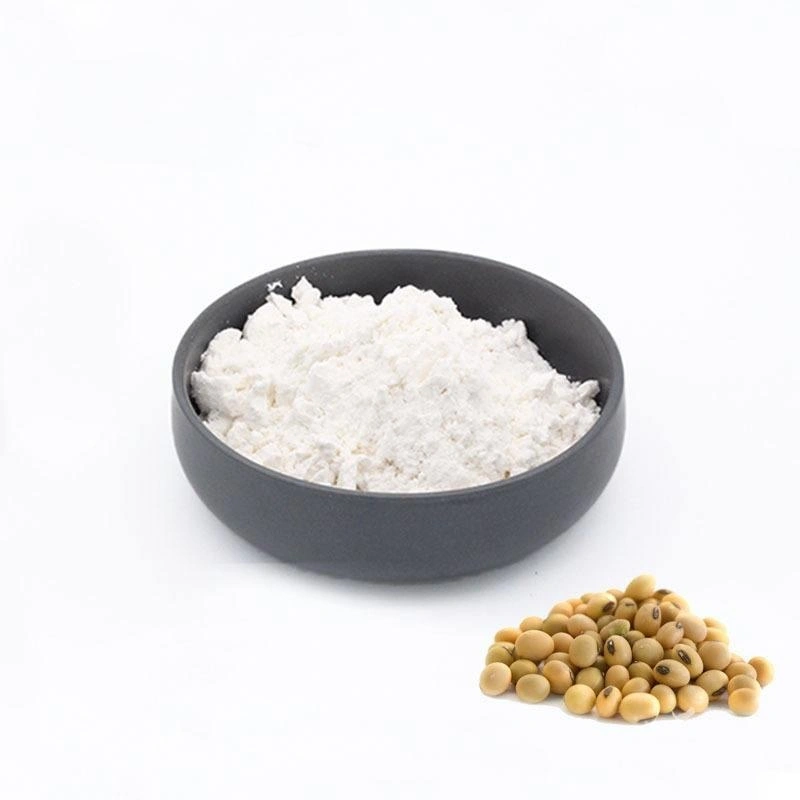
There are many types of plants that contain this compound, but the two most common commercial sources are soy and pine. Types that come from soy usually have 40–50% beta-sitosterol, along with campesterol and stigmasterol, while types that come from pine usually have amounts higher than 75%. This difference is very important when making clean-label products or dealing with allergen issues in regulated markets. Pine products naturally back the non-GMO position and get around the need for soy allergen labeling rules that are common in the US and Europe.
Mechanism of Action in Prostate Wellness
Researchers have found that phytosterols affect prostate tissue by changing cellular signaling and processes that reduce inflammation. It looks like the substance changes inflammatory molecules and changes the way the bladder works by increasing urine flow rates and decreasing leftover volume. Unlike drugs that might change the size of the prostate, beta-sitosterol mostly helps with symptoms. This makes it a good choice for formulators looking for natural active ingredients with well-established safety profiles.
Distinction from Related Phytosterols
Even though beta-sitosterol is similar to stanols and sterol esters in some ways, they are absorbed and act biologically in different ways. Beta-sitosterol dosage tends to work with the consideration of these differences, while beta-sitosterol has a wider range of uses, including supporting heart health, promoting prostate health, and lowering inflammation. By knowing these differences, formulation teams can choose the right raw materials that support product claims and appeal to specific groups of people, resulting in legal compliance and customer happiness.
Recommended Beta-Sitosterol Dosage for BPH and Related Conditions
Finding the right doses for different uses is easier when you look at the results of clinical studies. The body of evidence backs up specific levels that strike a balance between effectiveness and safety. This makes it easier for buying teams to confidently list ingredient needs.
Standard Dosing for Prostate Support
Studies that look at prostate health supplements always use 60–130 mg a day, usually spread out over several meals to help the body absorb it better. A systematic review with 519 participants showed that symptoms got better in this dosage range, setting a clinical standard for product development. These results help with making softgels, hard-shell capsules, and tablets, each of which has its own benefits when it comes to bioavailability and customer choice.
Dosage Variations for Additional Applications
Beta-sitosterol is useful for more than just the prostate. It also has different nutritional uses that require different diet guidelines. Higher doses are often used in cardiovascular support formulas that aim to lower cholesterol. Health claims can be supported by daily intakes of 1.3 to 3.0 grams of plant sterol esters, which is equal to 800 mg to 1.8 g of free sterols. Hair health products that study how to change DHT levels usually include 50 to 100 mg per day as part of complete formulas. These differences show how important it is to get ingredients that are right for the job and make sure that the dosage labels are correct.
Safety Considerations and Upper Limits
Beta-sitosterol has a great safety profile across all groups that have been tested, with few side effects seen in clinical studies. Some things that might need to be thought about are how it might affect the absorption of fat-soluble vitamins, especially carotenoids. This is why some formulators add extra vitamins to their products to make up for it. Up to 140°C, heat stability is still good, but long-term contact above 160°C may make sterol oxidation products. During manufacturing, these technical factors help with making choices about processing and quality standards.
Comparison of Beta-Sitosterol Dosage With Alternative Supplements and Medications
Knowing what other choices are out there helps sourcing pros place beta-sitosterol correctly within larger ingredient portfolios and meet the needs of a wide range of markets.
Natural Supplements Comparison
Plant stanols are a different type of phytosterols that has its own beta-sitosterol dosage characteristics. When it comes to prostate health, beta-sitosterol products use 60–130 mg per day, while stanol products meant to lower cholesterol need 1.5–3.0 g per day to have the same lipid-lowering effects. Another popular ingredient in men's health products is saw palmetto extract, which works at 160–320 mg of liposterolic extract per day. Different dosages show different ways of working and how strong they are. This affects how complicated the recipe is and how much it costs, which buying teams have to think about when making competitive product lines.
Pharmaceutical Alternatives
Prescription drugs that treat the same problems work in different ways and at different times. Alpha-blockers and 5-alpha-reductase inhibitors need to be taken every day at certain times, and they may have side effects that worry people who are looking for natural alternatives. Due to its natural origin, good safety rating, and ability to work at low amounts, beta-sitosterol is a good choice for brands that want to promote clean labels and gentle treatments. This competitive environment helps market positioning strategies work and makes it easier for wholesalers to explain value propositions to store partners and end customers.
Form Factor Advantages
The method of delivery has a big effect on bioavailability and user acceptance. Softgels made from oil make it easier for lipophilic phytosterols to be absorbed, and they also let you mix them with other ingredients that work well together, like vitamin E or pumpkin seed oil. Tablet forms are better for precise dosing and stability, but choosing the right excipients is important for getting uniform dispersion. Powder forms give you the most options for custom mixing and adding to drinks, but water-dispersible forms need special handling with maltodextrin or caseinate carriers. There are different things to think about when buying each type in terms of minimum order amounts, shelf stability, and certification needs.
Procurement Considerations: Sourcing High-Quality Beta-Sitosterol Products
Finding the right ingredients means finding a balance between quality control, following the rules, a reliable supply chain, and cutting costs. In competitive markets, the success of a product and the longevity of a relationship depend on how well these things work together.
Evaluating Supplier Credentials
Verification of quality starts with a full evaluation of the supplier. Facilities that make things should show that they follow current Good Manufacturing Practices by showing certificates from reputable groups that say they follow quality management systems. Systematic quality management is shown by ISO 9001 certification, and food safety management is covered by ISO 22000 certification. Kosher and Halal approvals help brands that cater to certain groups of people get into more markets. In addition to certificates, audit records, batch analysis data, and impurity profiles give you more information about the supplier's skills and reliability.
Purity and Concentration Standards
The amount of beta-sitosterol has a big effect on how well dosages work and how much the mixture costs. The purity of commercial products ranges from 40% to 95%, and the prices reflect the level of concentration and the difficulty of the extraction process. Higher purity grades lower the size of the capsules needed and make label claims easier to understand, which is good for people who want strong formulas. Teams in charge of buying things should ask for specific details, like the amount of total phytosterols, beta-sitosterol, campesterol, and stigmasterol, as well as the absence of any unwanted compounds. Testing by a third party in separate labs adds a layer of proof that makes quality assurance processes stronger.
Supply Chain Reliability and Documentation
A steady supply of ingredients keeps production running smoothly and the market stable. Suppliers who have integrated extraction facilities and a variety of raw material sources are better able to handle supply shocks. Complete documentation makes regulatory filings and import clearance easier, especially when buying things from other countries. Certificates of Analysis, allergen releases, GMO statements, BSE/TSE compliance letters, and stability data to back up shelf-life claims are all important papers. Clear information about production schedules, minimum order amounts, and lead times makes it possible to plan for demand and handle inventory accurately.
Cost-Effectiveness Analysis
Prices are very different depending on the quality level, the number of orders, and any extra services that are added for beta-sitosterol dosage. Bulk powder forms usually have the lowest prices per kilogram, while water-dispersible formulations and compressed ingredients cost more because they are processed more. People who work in procurement should look at the total cost of ownership, which includes not only the unit price but also the costs of shipping, customs duties, quality testing, and keeping inventory on hand. Long-term supply agreements often get manufacturers better prices and make sure that ingredients are distributed during times of limited supply, which is good for both parties.
Maximizing Procurement Value: Recommendations and Best Practices
Strategic sourcing practices change buying ingredients from a one-time purchase to relationships that create value, make operations more efficient and help a company stay competitive.
Aligning Specifications with Applications
Different types of products need different standards for their ingredients. Pharmaceutical-grade uses need the highest levels of purity, strict limits on impurities, and a lot of paperwork to back up regulatory files. Dietary supplement formulators choose amounts that give clinically relevant doses within acceptable pill sizes. They do this by balancing purity with cost. To keep the taste and look of the product from changing, functional food formulators focus on dispersibility, processing stability, and organoleptic neutrality. Custom specifications let formulators get the best performance while keeping costs low. This lets them make unique goods that effectively target specific market groups.
Building Strategic Supplier Relationships
Long-term partnerships have benefits that go beyond lowering prices. Building relationships with suppliers makes it easier for them to work together on technical issues, so they can help with formulation by giving advice on how to use ingredients and samples of those ingredients. As a preferred provider, you might be able to get new grades or better extraction methods before anyone else, which can lead to new ideas. When customers place regular orders, suppliers can make the best use of their production schedules, which could lead to better quality and more reliable delivery. Regular contact, like site visits and expert reviews, helps people understand each other and trust each other, which is very helpful when there are problems with supply or when quality is being investigated.
Supporting Market Success Through Education
Differentiating products depends more and more on how well you tell customers and marketing partners about the benefits of ingredients. Getting technical papers, clinical study reports, and marketing assets from suppliers that help place the brand can add value for procurement teams. Knowing why a dose is given, how it works, and how safe it is helps sales teams answer customer questions with confidence and build credibility. Investing in education builds trust in a brand and encourages return purchases and good word of mouth, which are what drive long-term growth in the competitive nutritional market.
Conclusion
Based on clinical evidence showing effectiveness in managing symptoms, the ideal beta-sitosterol dosage for supporting prostate health ranges from 60 to 130 mg daily. To make a good product, you need to get high-quality ingredients from certified sources who can provide full paperwork and regular quality. Professionals in procurement have to look at concentration grades, delivery formats, and suppliers' abilities while balancing the need for effectiveness with the need to save money. Strategic buying methods that focus on long-term relationships and application-specific requirements give businesses in the growing nutraceutical market an edge.
FAQ
1. What represents the most effective beta-sitosterol dosage range?
When it comes to prostate health, clinical studies have shown that 60–130 mg every day, usually split into two or three doses with meals, works well. Higher amounts of 800 mg to 1.8 g of free sterols may be used every day for cholesterol control, but this depends on the design goals and the rules for making claims.
2. How does dosage vary across supplement formats?
Capsules and tablets usually have between 20 mg and 65 mg per unit, so you need to take more than one dose every day to reach therapeutic levels. Powder forms let you adjust the dose for specific uses, and water-dispersible forms let you add extra nutrients to drinks. Different types of media have different solubility properties that affect daily intake suggestions and labeling rules.
3. What sourcing criteria ensure authentic product quality?
Give more weight to suppliers who have GMP certification, thorough testing methods, and clear paperwork. Ask for Certificates of Analysis that are specific to each batch and show the phytosterol profile, purity percentage, and results of any contaminant tests. Verification by a third party through independent agencies adds to the confidence. When making new partnerships, check the track records of suppliers, the skills of their facilities, and their quality management systems through audits and calls to references.
Partner with CONAT for Premium Beta-Sitosterol Ingredients
CONAT has decades of experience in extracting phytosterols and making natural ingredients. They work with supplement brands, functional food makers, and pharmaceutical businesses all over the world. Our building has state-of-the-art study, production, and testing tools that are run by skilled technical teams whose sole goal is to provide steady, high-purity beta-sitosterol powder that meets the highest quality standards. We keep our GMP and ISO 9001 certifications up to date and make sure that every batch meets your exact needs, whether you need pharmaceutical-grade purity for clinical formulations or food-grade concentrations for functional beverage uses. As a reliable supplier of beta-sitosterol dosage, we offer flexible minimum order quantities, fair pricing, and full technical support as you work on developing your product. We are dedicated to a reliable supply chain, full paperwork, and quick contact. This makes us the perfect partner for procurement teams looking for reliable sources of top phytosterol ingredients. You can talk to our team at sales@conat.cn about your specific needs, ask for samples, or look into custom recipe solutions that will help you make your products better and give you an edge in the growing nutritional market.
References
1. Wilt T, Ishani A, MacDonald R. Beta-sitosterols for benign prostatic hyperplasia. Cochrane Database of Systematic Reviews. 2000;(2):CD001043.
2. Berges RR, Windeler J, Trampisch HJ, Senge T. Randomised, placebo-controlled, double-blind clinical trial of beta-sitosterol in patients with benign prostatic hyperplasia. Lancet. 1995;345(8964):1529-1532.
3. Klippel KF, Hiltl DM, Schipp B. A multicentric, placebo-controlled, double-blind clinical trial of beta-sitosterol for the treatment of benign prostatic hyperplasia. British Journal of Urology. 1997;80(3):427-432.
4. Ostlund RE Jr. Phytosterols in human nutrition. Annual Review of Nutrition. 2002;22:533-549.
5. Gupta RS, Mukhtar H, Agarwal R. Phytosterols: perspectives in human nutrition and clinical therapy. Current Medicinal Chemistry. 2011;18(29):4557-4567.
6. Weihrauch JL, Gardner JM. Sterol content of foods of plant origin. Journal of the American Dietetic Association. 1978;73(1):39-47.
YOU MAY LIKE