
Organic Vitamin E Oil Bulk: What Global Buyers Should Verify
When sourcing organic vitamin e oil bulk, procurement professionals face critical decisions that directly impact formulation quality and business outcomes. Global buyers must verify several essential factors: supplier certification authenticity, chemical composition accuracy through third-party lab analysis, proper tocopherol concentration levels (typically 50%, 70%, or 90% mixed tocopherols), and compliance with GMP and organic standards. Understanding these verification checkpoints protects your investment and ensures you receive natural d-alpha tocopherol rather than synthetic alternatives that lack comparable bioavailability and efficacy in dietary supplements and functional foods.
Introduction
As supplement and functional food companies shift toward "clean label" goods, the worldwide market for natural vitamin E has exploded. As an R&D director or procurement manager, you realise price isn't everything when sourcing. The quality of your organic vitamin E oil bulk influences your product's stability, consumer trust, and compliance with several regulations.
Check the supplier's credentials, manufacturing techniques, and quality control standards before purchasing huge volumes of high-purity natural vitamin E. Health-conscious consumers choose organic vitamin E oil because it retains bioactivity and offers stronger antioxidant protection. This handbook covers technical specifics, supplier evaluation criteria, and product quality checks to distinguish trustworthy relationships from costly blunders. Working with nutraceutical companies and functional food producers has taught us that knowledgeable purchasing teams always obtain better formulation outcomes and strengthen the supply chain.
Understanding Organic Vitamin E Oil Bulk: Quality and Benefits
Natural Extraction and Chemical Composition
Tocopherols and tocotrienols are the names of a group of fat-soluble compounds that make up organic vitamin E oil bulk. Molecular distillation from non-GMO soybean, sunflower, or wheat germ oils is usually used to get the oil out. This makes a thick liquid that can be brownish-red to pale yellow, based on how refined it is. There are four different types of tocopherols in its chemical structure: alpha, beta, gamma, and delta. Each has a different biological effect.
Alpha-tocopherol is the vitamin with the most action, so it is needed for food supplements to make nutritional claims. Gamma and delta types, on the other hand, are better at protecting food from spoilage as antioxidants. This difference is very important when making goods. Isolated d-alpha tocopherol meets certain restorative nutrition needs, while mixed tocopherol concentrates balance different forms to provide both vitamin E activity and reactive stability.
Technical Specifications That Matter
Natural vitamin E has specific rotation values of [α]D25 ≥ +20° to +24°, which shows that it comes from the d-form and not manufactured dl-alpha tocopherol. This measured difference proves that the supplement is real and supports its high-end standing in supplement formulations. Natural tocopherols work well in oil-based delivery systems, soft gelatin capsules, and emulsified drinks because they are lipophilic.
Another important benefit is that it is thermally stable. Natural vitamin E stays intact at processing temperatures up to 200°C for short periods of time, so it can be used in hot-fill operations and spray-drying processes without breaking down much. Acid values usually stay below 1.0 mg KOH/g, which means that there isn't much free fatty acid in the product, which could shorten its shelf life. These technical factors have a direct effect on how well the product is made and how good it is when it's finished.
Industrial Applications and Market Positioning
Manufacturers of dietary supplements use natural vitamin E in cholesterol-lowering formulas, antioxidant support products, and sports nutrition uses. Being able to back up "natural" and "organic" claims sets products apart in markets where competition is high, and customers are looking for clean-label options. Food-grade tocopherols are used by companies that make functional drinks to naturally extend the shelf life of their products and add nutritional value that supports marketing claims about heart health and cell protection.
For medical nutrition products and drug delivery systems, pharmaceutical formulators need natural vitamin E that is pharma-grade and meets strict impurity controls. Vitamin E and other antioxidants, such as ascorbyl palmitate, work together to build regenerative processes that make the mixture work better overall. With this level of technical know-how, brands can make high-end products that are backed by clinical studies and customer trust.
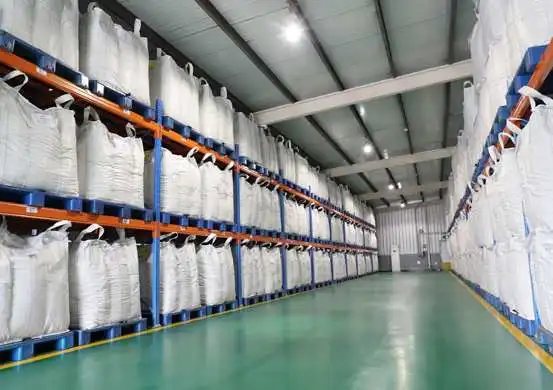
How to Evaluate and Select the Best Organic Vitamin E Oil Bulk Supplier
Certification, Authentication, and Regulatory Compliance
Verifying organic certifications carefully is the first step in choosing a reputable supplier for organic vitamin E oil bulk. Real sellers keep their USDA Organic, EU Organic, or similar certifications up to date and keep records that show how raw materials were used to make finished goods. Ask for full copies of certificates instead of summary documents, and check certificate numbers directly with the organizations that issued them if you can.
GMP approval shows that factories follow the Good Manufacturing Practices that are needed to make sure that ingredients are uniform and free of contaminants. ISO 9001 certifies systems for managing quality, and ISO 22000 certifies systems for managing food safety. Kosher and Halal certifications help brands that cater to a wide range of customers get into more markets. Each certification is an investment in operational excellence and regulatory alignment that helps keep your brand's good name.
Production Capacity and Supply Chain Transparency
Knowing a seller's production capacity prevents stockouts amid excessive demand. Ask potential partners how much they produce annually, how lengthy typical and emergency lead times are, and how flexible they are with order adjustments. Suppliers with dedicated natural vitamin E manufacturing lines have more consistent batches than those that utilise the same equipment for several products.
Transparent vendors are glad to discuss where they receive their raw materials, how they remove them, and how they verify quality throughout manufacturing. This openness demonstrates they trust their methods and are willing to collaborate on technical issues. Suppliers have extremely varying minimum order amounts. Some need many tonnes, while others can handle smaller trial orders. By matching MOQ criteria with your capacity to foresee the future, you may avoid overpaying for items and ensure supply security.
Customization and Technical Support Services
Advanced sellers offer customization options, such as the ability to change the concentration or tocopherol ratio and to put their own name on the products. These services help make products stand out and build brands, which is especially helpful when making your own formulas. Technical support teams should be able to give you advice on the best rates of usage, how to test for compatibility, and how to keep your apps stable.
The total cost of ownership is directly affected by the logistics skills. Check out providers' shipping trustworthiness, the types of containers they offer (drums, totes, isotanks), and the accuracy of their export paperwork. Suppliers who have done business with other countries before can easily get through the customs process, which cuts down on delays and extra costs. Prices are set based on quality scores, certification fees, order numbers, and the state of the market at the moment. Clear talks about prices that take these things into account help people set practical goals and build long-lasting relationships.
Optimal Usage and Storage Guidelines for Organic Vitamin E Oil Bulk
Formulation Integration Techniques
When adding organic vitamin E oil volume to dietary supplements, dose and distribution are crucial. Soft gel packing suits oil-soluble compounds, preserving vitamin E and ensuring proper dosage. Powdering liquid tocopherols for tablets involves spray-drying or adhering to carriers like silica or starch.
Tocopherol's low volatility and processing tolerance make it beneficial in beverages. Emulsification systems stabilise vitamin E in water-based mixes if the emulsifiers and processing parameters are selected appropriately. This prevents vitamin E separation during storage. Natural vitamin E combined with antioxidants such as ascorbyl palmitate or lecithin provides longer-lasting protection than a solo antioxidant. Before scaling up manufacturing, do small-scale compatibility studies to see how the product may react with other components.
Storage Conditions and Shelf Life Management
To keep the effectiveness of vitamin E, it needs to be stored in a controlled setting. Temperatures between 15°C and 25°C in containers that are tightly covered and don't let air or light in are ideal. Photosensitive tocopherols are kept from breaking down by amber or opaque packaging materials. By replacing air that speeds up oxidation, nitrogen blanketing during bulk storage makes the shelf life even longer.
Natural vitamin E oil stays effective for 24 to 36 months after it was made as long as it is kept properly. Testing for potency on a regular basis during storage periods ensures stability and helps with inventory rotation. Keep an eye out for changes in color or thickness that mean the product is wearing out and needs to be replaced. These keeping rules will protect your investment and make sure that finished recipes always work the same way.
Navigating Procurement Processes for Organic Vitamin E Oil Bulk
Sample Evaluation and Quality Verification
When you start working with a new provider, trying samples first lowers your risk before you commit to big orders of organic vitamin E oil bulk. Ask for example samples along with Certificates of Analysis that show the tocopherol composition by HPLC or gas chromatography, as well as exact rotation values, acid numbers, and peroxide values. Compare the analysis data to your requirements and industry standards to find differences that need to be explained.
Do rapid stability testing in-house or with a third party to get a sense of how it will work in the real world. Instead of testing samples on their own, test them in your real recipes. This is because testing them alone might not show compatibility issues that happen when ingredients interact with each other. Record sensory qualities like color, smell, and clarity to set standard goals for production runs. Before making big promises, this methodical evaluation process builds trust.
International Shipping and Customs Compliance
Global buying adds practical challenges that need to be managed proactively. Work with suppliers who know how to ship and can give you all the paperwork you need, like business invoices, packing lists, certificates of origin, and, if needed, phytosanitary certificates. Correct Harmonized System (HS) codes make sure that goods are properly classified and charged the right tax.
Knowing the rules about importing in the country where you're going will save you a lot of money and time. In some places, bulk containers need to have certain labels, import permits, or pre-shipment notifications. Temperature-controlled shipping keeps goods safe while they're in transit, especially when they are going through more than one temperature zone. Marine shipping insurance protects financial investments from damage or loss while being shipped between countries. When buying choices are made, these things are taken into account when figuring out the total landed cost.
Building Sustainable Supplier Relationships
Clear communication and shared goals are key to long-term buying success. Set up people who can be contacted for technical questions, help with managing orders, and quality issues. Performance reviews done on a regular basis check for dependability in delivery, consistency in quality, and the ability to deal with problems in a constructive way. When you negotiate framework agreements with volume commitments, you can often get better prices and make sure that supply comes first in allocation scenarios.
Being open about the difficulties of your forecasts and the way the market is changing helps providers plan production runs more efficiently. When there are problems in the supply chain, collaborative relationships hold up better than business agreements that are only about price. Spending time managing relationships with suppliers gives you a competitive edge by giving you access to new ideas, letting you make changes, and giving you special treatment when supplies are low.
Reviewing and Verifying Product Quality: What Global Buyers Should Check
Analytical Testing and Certification Standards
Scientific testing beyond name verification is needed to ensure organic vitamin e oil bulk quality. Gas chromatography, often known as HPLC research, evaluates tocopherol levels and ensures that alpha, beta, gamma, and delta forms fulfil provider standards. Rotation measurements distinguish native d-form vitamin E from racemic blends with lower biological activity.
Purity tests examine for pesticide residues, heavy metals (lead, cadmium, mercury, arsenic), and extraction liquids. Microbiological testing showed no hazardous organisms and excellent overall plate counts for food and pharmaceuticals. Peroxide levels indicate product oxidation stability. Lower numbers indicate fresher, more stable product. You can demonstrate savvy purchasing and defend production quality by demanding certain analytical variables.
Third-Party Verification and Documentation Review
In addition to data produced by the seller, independent laboratory research gives unbiased quality confirmation. Verification methods are more trustworthy when they use accredited testing labs that follow ISO 17025 standards. When you compare third-party results to seller Certificates of Analysis, you can find discrepancies that need to be looked into before orders are accepted.
Check supplier audit reports from certification bodies to make sure they follow GMP guidelines, organic handling procedures, and allergen management protocols. Referrals from well-known brands in your business can help you figure out how reliable a supplier is and how good their expert support is. Online platforms and industry groups sometimes keep supplier rating systems that collect buyer feedback that helps people make decisions about which suppliers to choose. This multi-layered method to due diligence lowers the risks of buying while boosting trust in the supplier's skills.
Regulatory Compliance and Labeling Accuracy
Compliance with rules protects your firm from lawsuits and market interruptions. Natural vitamin E used in US dietary supplements must fulfil FDA labelling and guidelines. Other target markets may follow similar guidelines. Food additive guidelines govern how much and how to utilise them for food-grade purposes.
Supplier bulk container labels should precisely state concentration percentages, lot numbers for traceability, production and expiry dates, and storage recommendations. Cross-contamination during processing may introduce allergens not reported; therefore, allergy declarations are crucial even for non-allergenic products. With sufficient documentation, competitors and regulators can't challenge "organic" and "non-GMO" claims. These compliance checks preserve the company's identity and promote client confidence.
Conclusion
When looking for organic vitamin E oil bulk, you need to do a lot of research, including checking the quality, seeing what the seller can do, and making sure they follow the rules. Professionals in procurement regularly check the tocopherol's make-up, the authenticity of the certification, the production capacity, and the availability of technical support services to find the best ingredients that improve the performance of formulations and the reputation of the brand. The steps outlined here for verification, which include everything from analytical tests to reviewing documents, protect investments and make the supply chain more resilient. Because natural vitamin E has special qualities and more people want it, choosing a source is becoming more and more strategic. This affects how products are differentiated and how they compete in markets that are always changing.
FAQ
1. What shelf life can I expect from bulk natural vitamin E oil?
When stored properly, organic vitamin E oil bulk stays effective for 24 to 36 months after it was made, as long as it is kept in sealed cases at 15 to 25°C and out of the reach of light and air. Stability is increased by nitrogen blanketing and amber packing. Regular testing of potency during storage times ensures quality is maintained and helps inventory managers make decisions.
2. How do I distinguish natural versus synthetic vitamin E in bulk shipments?
The rotation values of natural vitamin E are [α]D25 ≥ +20° to +24°, which confirms that it is a d-alpha tocopherol. Racemic mixtures (dl-alpha tocopherol) and synthetic forms have almost no rotation. Gas chromatography shows tocopherol profiles that are only found in natural sources. For example, manufactured goods don't have the beta, gamma, or delta forms of tocopherol. These differences in analysis prove that the product is real and support higher prices for natural products.
3. What minimum order quantities should I anticipate?
MOQ requirements are very different between suppliers. Bulk natural vitamin E oil from well-known manufacturers usually comes in quantities of 500 kg to 1,000 kg, but some will work with smaller orders at a different price. Trial orders of 100 to 200 kg help find out if everything works well together before committing to larger orders. Talk openly about your forecasting skills so that you can come up with the best MOQ arrangements that balance the costs of inventory with the needs for supply security.
Partner with CONAT for Premium Organic Vitamin E Oil Bulk Supply
Jiangsu CONAT Biological Products Co., Ltd. is an expert in making organic vitamin E oil bulk. They have been making phytosterols and natural vitamin E for decades. Our cutting-edge facilities keep up with the strictest global standards for GMP compliance, ISO 9001 approval, and organic handling qualifications. We have mixed tocopherol concentrates that are 50%, 70%, and 90% effective. All of them come from non-GMO sources and have been proven safe by independent tests.
Our technical team works with businesses that make dietary supplements, functional foods, and medicines to come up with custom solutions that meet the needs of each recipe. No matter if you need exact tocopherol ratios, private marking services, or advice on the best usage rates, CONAT is here to help you every step of the way. Competitive pricing shows that we don't cut corners on quality when we make things, and dependable international shipping makes sure that orders get to markets in North America, Europe, and around the world on time. Email our knowledgeable staff at sales@conat.cn to get samples or talk about how much organic vitamin E oil you need in bulk. We're excited to help you make great products by giving you natural vitamin E ingredients that make them work better and build trust with customers.
References
1. National Institutes of Health, Office of Dietary Supplements. "Vitamin E - Health Professional Fact Sheet." Reviewed March 2021.
2. Jiang, Q. "Natural Forms of Vitamin E: Metabolism, Antioxidant, and Anti-inflammatory Activities and Their Role in Disease Prevention and Therapy." Free Radical Biology and Medicine, Vol. 72, 2014.
3. American Oil Chemists' Society. "Official Methods and Recommended Practices of the AOCS: Methods for Analysis of Tocopherols and Tocotrienols." 7th Edition, 2017.
4. Codex Alimentarius Commission. "General Standard for Food Additives: Tocopherols (Mixed Concentrate, Natural) and d-alpha Tocopherol (Synthetic)." CAC/STAN 192-1995, Revised 2019.
5. Wagner, K.H., and Elmadfa, I. "Biological Relevance of Terpenoids: Overview Focusing on Mono-, Di- and Tetraterpenes." Annals of Nutrition and Metabolism, Vol. 47, 2003.
6. International Organization for Standardization. "ISO 9936:2016 - Animal and Vegetable Fats and Oils: Determination of Tocopherol and Tocotrienol Contents by High-Performance Liquid Chromatography." 2016.
YOU MAY LIKE