
PhytoPin: What It Is, Benefits, Dosage, and Sources
PhytoPin is a high-quality pine phytosterol powder that is made from tall oil pitch that comes from pine trees (Pinus spp.). This beneficial ingredient made from wood has normal amounts of beta-sitosterol, campesterol, and stigmasterol, which are plant sterols known to be good for your heart. Traditional options made from soy raise worries about GMO and allergen labels. PhytoPin, on the other hand, is a clean-label answer that works well in nutraceutical formulations, functional foods, and pharmaceutical uses. Because of its unique sterol profile, it is very useful for B2B producers who need non-allergenic, high-purity active ingredients that meet very high quality standards.
Understanding PhytoPin: What Is Pine Phytosterol Powder?
Botanical Origin and Extraction Process
PhytoPin comes from tall oil, which is a waste result of the kraft pulping process used to make paper. Natural oils from pine wood are extracted and put through fractional distillation and molecular distillation methods in this commercial process. The pine phytosterol powder that is made is more than 95% pure, with beta-sitosterol making up about 70% to 80% of the total sterol content. This way of extracting chemicals from plants keeps the molecules intact while getting rid of useless parts and contaminants.
Chemical Composition and Molecular Structure
PhytoPin's sterol profile is made up of three main molecules that physically look like cholesterol. Beta-sitosterol has a 29-carbon structure and a unique side-chain arrangement that lets it compete with cholesterol for absorption in the intestines. In similar ways, campesterol and stigmasterol work together to enhance this action. Because these plant sterols have similar molecules, they can fill absorption sites in the digestive system. This lowers the amount of cholesterol from food that gets into the bloodstream. The bioactivity of the free sterol form stays at its best, but esterified versions are made for certain food matrix uses where stability is a problem.
Industrial Applications Across Sectors
PhytoPin works with a lot of different businesses, each with its own specific needs. Its high beta-sitosterol content makes it a useful starting material for making steroid hormones through bacterial fermentation in medicinal biotechnology. It is added to pills, tablets, and softgels for cardiovascular health by companies that make nutraceuticals. Esterified forms are added to margarines, spreads, dairy products, and drinks by functional food makers to get benefits that have been shown in clinical trials. The free sterol form is used in barrier-repair creams by cosmetic formulators because it can mix with the skin's fatty layers. For each use, specific quality standards are needed for things like particle size, sterol distribution, and approval status.
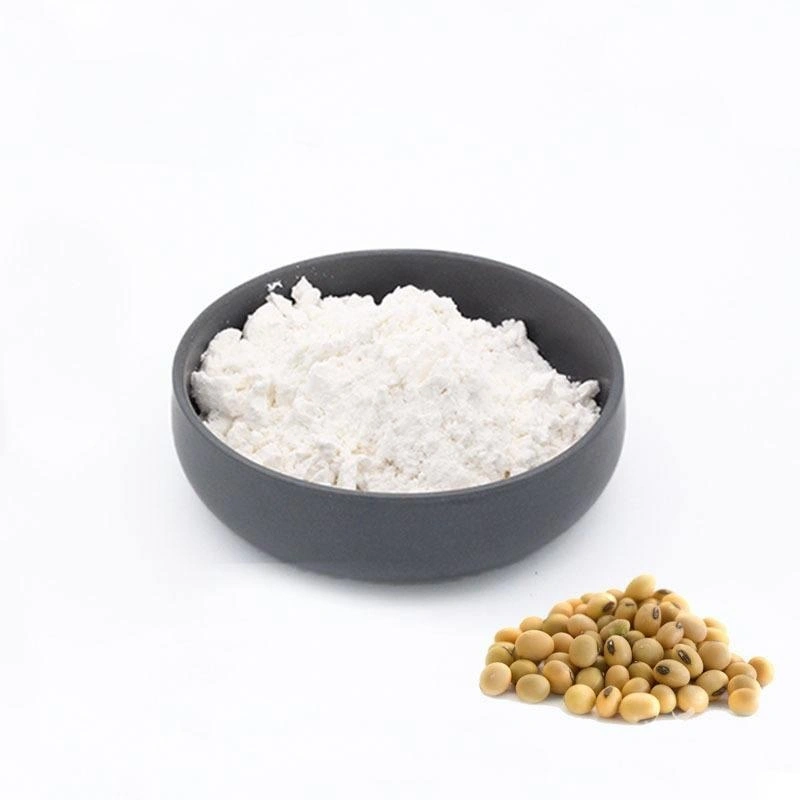
Health Benefits and Efficacy of Pine Phytosterol Powder
Cardiovascular Wellness and Cholesterol Metabolism
A clinical study shows that phytosterols stop the absorption of cholesterol in the small intestine by competing for room in mixed micelles. These are the tiny vehicles that move lipids across the intestinal wall. When eaten in the right amounts, this process lowers LDL cholesterol levels by about 8 to 10 percent. The FDA allows a qualified health claim for foods that have at least 0.65 grams of plant sterols per dose and are eaten twice a day as part of a low-saturated fat diet. The National Cholesterol Education Program says that people with high cholesterol should eat 2 grams of this food every day. These suggestions, which are based on evidence, give formulation scientists clear goals for making new products.
Antioxidant and Anti-Inflammatory Properties
In addition to their use in cardiovascular health, phytosterols are antioxidants that keep cell walls safe from reactive stress. According to research, these chemicals change inflammation pathways by affecting the production of cytokines and the activity of immune cells. A growing group of people who are interested in natural anti-inflammatory ingredients that help with healing are athletes and other busy people. More and more, people who make sports nutrition products see pine-derived sterols as better choices than synthetic chemicals, especially when they want to use "clean label" methods.
Advantages Over Soy-Derived and Synthetic Alternatives
pine phytosterol powder solves some of the problems that come with getting soy-based ingredients. It doesn't have any GMO issues, doesn't need to be labeled with allergens, and doesn't have any supply chain problems that are linked to farming product markets. People who want to be sure that a product isn't made with GMOs are paying more attention to soy phytosterols. This is especially true for high-end products. Synthetic choices aren't as appealing to marketers as natural plant sources, and they can be hard to regulate in some places. The fact that PhytoPin comes from wood gives formulation teams interesting story-telling possibilities while still meeting technical performance standards. This placement benefit is very appealing to brands that want to set their natural products apart in a crowded retail market.
Safety Profile and Contraindications
According to the latest research, phytosterol supplements are safe for a wide range of people as long as they are taken according to the recommended amounts. Mild stomach problems like gas, bloating, or changes in the consistency of the stool may happen during the first few days of adaptation, but they usually go away in a few days. These symptoms change depending on the dose, and they usually go away when the dose is spread out over several meals instead of being focused in one dish. One very important reason not to use it is phytosterolemia, also known as sitosterolemia, a rare genetic disease that causes too many plant sterols to build up in the blood and organs. People who have this genetic problem shouldn't take phytosterol supplements. To make sure they follow the rules and protect consumers, formulators must put the right warnings on the labels that talk about this contraindication.
Dosage Recommendations and Quality Considerations
Evidence-Based Intake Guidelines
To get the most cholesterol-lowering benefits, the FDA suggests eating at least 1.3 grams of phytosterols every day, split into two servings of 0.65 grams each and eaten with meals. People with high cholesterol may benefit from eating up to two to three grams more every day, as long as they follow the advice of a doctor. Most Americans only get 160 to 500 milligrams of naturally occurring phytosterols from their food every day. This means that fortified foods and supplements have a big business potential. Formulation managers have to figure out exact inclusion rates based on dose size, desired label claims, and delivery method in order to reach intake goals while keeping the taste and stability of the product.
Purity Standards and Active Sterol Content
The first thing that is used to judge the quality is the overall phytosterol level, which is usually found using gas chromatography. The best pine phytosterol powder has at least 95% total sterols, with beta-sitosterol making up the majority. Individual sterol percentages, leftover solvent levels, heavy metal amounts, and microbiological factors should all be written on certificates of analysis. Pharmaceutical-grade material needs to be tested for particular impurities and to make sure it meets the requirements of compendial standards. Specifications for food-grade products focus on how they taste and how stable they are during processing. Procurement pros should set clear quality standards that are in line with the products' intended uses and ask for multi-batch uniformity data to show that the manufacturing process is under control.
Certifications and Regulatory Compliance
Business-to-business buyers make sure that sellers keep up with relevant certifications that make legal requirements easier further down the line, including for pine phytosterol powder. ISO 9001 certification shows that a quality management system is mature, and ISO 22000 certification talks about managing food safety. GMP compliance is necessary for pharmaceutical and nutraceutical uses that need stricter paperwork and more tracking than food-grade uses. Natural product brands like organic certification, even though it can be hard to confirm ingredients that come from trees, such as pine phytosterol powder. Kosher and Halal approvals help brands that cater to certain groups of people get into more markets. CONAT has a wide range of certifications, such as ISO 9001, GMP, and allergen-free proof. They also offer paperwork packages to make it easier for customers to submit regulatory documents.
Price-Quality Relationships in Global Markets
The price of a material depends on its purity grade, licensing status, order number, and where it is in the supply chain. Pharmaceutical-grade materials are more expensive because they have to go through strict testing procedures and have a lot of paperwork. The cost of food-grade choices is lower, and they work well enough for most fortified food uses. With direct manufacturer ties, you don't have to pay markups to distributors, and you can get technical help and make sure you always have supplies. When purchasing teams look at seller offers, they should do a total cost analysis that takes into account more than just the price per kilogram. They should also look at things like quality consistency, technical service availability, regulatory support capabilities, and the dependability of transportation.
How to Choose and Source Pine Phytosterol Powder? — A B2B Procurement Guide
Critical Supplier Evaluation Criteria
To choose a phytosterol producer, you need to carefully look at their technical skills, quality control methods, and ability to make money. Check the capability of your wholesalers' production to make sure they can keep up with your growth without sacrificing quality. Look at the analytical testing options, such as in-house labs that can do sterol analysis, impurity identification, and stability testing. Check the supplier's regulatory knowledge by looking at how well they've helped customers with audits, regulatory reports, and compliance paperwork in the past. Ask for references from customers who have used similar applications to check the performance claims. Site visits are a great way to learn about factory practices, the culture of quality, and the level of operating development that paperwork alone can't show.
Advantages of Factory-Direct Partnerships
Building ties directly with manufacturers like CONAT has many strategic benefits, not just lower prices. Technical teams can talk directly to formulation scientists, who know how to solve problems with processes and can suggest the best grades for each job. Quality problems are dealt with right away, without any delays that would make finding the root cause harder. When working with production sources that are ready to change parameters for large orders, custom specs become possible. Supply security is improved by making capacity distribution and production plans clear. Documentation packages come full and correct, which shortens the time needed to prepare for regulations. Because of these organizational efficiencies, product creation times are shorter and the total cost of ownership is lower.
Global Market Landscape and Manufacturer Positioning
The industry that makes phytosterols is mostly concentrated in places that already have strong wood and chemical production infrastructure. In the past, European companies controlled the premium market by presenting their products as pharmaceutical-grade. Asian makers, especially those in China, are quickly improving their professional skills and setting prices that are competitive. This change is shown by CONAT, which combines cutting-edge extraction technology with complete quality systems and a collection of foreign certifications. Because the company only makes phytosterol and natural vitamin E goods, it has a lot of knowledge that you can't get from chemical sources that sell a wide range of chemicals. When judging manufacturers, you should look at more than just their current skills. You should also look at their investment plans and how committed they are to market areas that are in line with your strategic goals.
Procurement Logistics and Sample Acquisition
A thorough review of the sample's physical qualities, analytical requirements, and application performance tests for pine phytosterol powder are the first steps to efficient sourcing. To make sure the evaluation is fair, ask for samples that come from real production batches instead of lab-made materials. Before committing to business volumes, you should do stability studies in the storage and processing settings you want to use for pine phytosterol powder. Negotiate clear quality agreements that spell out the criteria for acceptance, who is responsible for testing, and how to handle material that doesn't meet the standards. Set up rules for how to communicate that include expert contacts, sales reps, and ways to escalate problems. To avoid confusion during scale-up, make sure that wait times, minimum order amounts, package configurations, and shipping terms are all clear. CONAT offers complete sample programs for pine phytosterol powder backed by full technical datasheets and application advice that are meant to make the process of qualifying customers easier.
Conclusion
PhytoPin, which is high-purity pine phytosterol powder, gives B2B companies a unique natural ingredient that can be used in nutraceuticals, functional foods, pharmaceuticals, and cosmetics to improve cardiovascular health. Its clean label, lack of allergens, and clinically proven effectiveness make it a better choice than soy-based options in markets that are becoming more quality-conscious. To make a good purchase, you need to look at more than just price comparisons when comparing purity standards, certification portfolios, technical skills of suppliers, and total cost factors. Formulation teams can make competitive goods that meet performance standards and market positioning goals by learning about dosage requirements, legal frameworks, and quality factors that are specific to an application.
FAQ
1. What distinguishes pine phytosterol powder from beta-sitosterol supplements?
There is a natural mix of plant sterols in pine phytosterol powder. Beta-sitosterol makes up most of it (about 70–80%), followed by campesterol and stigmasterol. Pure beta-sitosterol products take extra steps to separate this one substance from others. The mixed sterol profile of pine phytosterol powder may have benefits that work better together, and it is more like the phytosterol profile found in whole foods. When it comes to functional foods, cost and regulatory positioning often make the mixed sterol method more appealing. On the other hand, pure beta-sitosterol is better for certain nutraceutical positioning strategies.
2. How can procurement teams verify pine phytosterol powder purity and supplier credibility?
Ask for Certificates of Analysis from unbiased labs that show the gas chromatography data for the ratios of individual sterols, the total amount of phytosterols, and the profiles of impurities. Check the certificates of your suppliers, such as ISO, GMP, and organic status, by using granting-body verification. Do source checks that look at the factories, quality control methods, and systems for keeping records. Check examples from past buyers who have used similar applications. Ask for batch-to-batch uniformity data that shows that manufacturing has control over more than one production run. As part of the rules for building partnerships, CONAT makes quality documents easy to find and welcomes customer checks.
3. Are there specific populations who should avoid phytosterol supplementation?
People who have phytosterolemia (sitosterolemia) should not take phytosterol supplements because their genes are not able to control how much plant sterol they absorb and get rid of. This is a rare genetic disease that makes too much build up in the blood and organs. Women who are pregnant or nursing should talk to their doctors before starting to take supplements. People who are taking medicines to lower their cholesterol should take phytosterols while under medical care to get the most out of the combined benefits. Supplementing kids should only be done with the help of a doctor and in doses that are right for their age. On product labels, there must be clear warnings about when the product should not be used. This protects consumers and follows the rules.
Partner With CONAT for Premium Pine Phytosterol Powder Supply
CONAT is a specialized producer that only makes phytosterols and natural vitamin E. They bring decades of scientific knowledge to their B2B partnerships. Our building keeps a full set of certifications, such as ISO standards, GMP compliance, and Kosher proof, to help users in the pharmaceutical, nutraceutical, and functional food industries. We have pine phytosterol powder standards for both medicinal and food use, and we ensure batch uniformity with strict analytical testing methods. Technical support teams help with things like improving formulations, giving advice on stability, and making regulatory paperwork. Our reliable supply chain and low prices make us a great choice for buying professionals who want to work with a pine phytosterol powder provider for a long time. Email our team at sales@conat.cn to get product specs, licensing paperwork, and sample programs that are specifically made for your purpose.
References
1. Ras RT, Geleijnse JM, Trautwein EA. LDL-cholesterol-lowering effect of plant sterols and stanols across different dose ranges: a meta-analysis of randomised controlled studies. British Journal of Nutrition. 2014;112(2):214-219.
2. Demonty I, Ras RT, van der Knaap HC, et al. Continuous dose-response relationship of the LDL-cholesterol-lowering effect of phytosterol intake. Journal of Nutrition. 2009;139(2):271-284.
3. Ostlund RE. Phytosterols in human nutrition. Annual Review of Nutrition. 2002;22:533-549.
4. Moreau RA, Whitaker BD, Hicks KB. Phytosterols, phytostanols, and their conjugates in foods: structural diversity, quantitative analysis, and health-promoting uses. Progress in Lipid Research. 2002;41(6):457-500.
5. Piironen V, Lindsay DG, Miettinen TA, Toivo J, Lampi AM. Plant sterols: biosynthesis, biological function and their importance to human nutrition. Journal of the Science of Food and Agriculture. 2000;80(7):939-966.
6. Fernandes P, Cruz A, Angelova B, Pinheiro HM, Cabral JM. Microbial conversion of steroid compounds: recent developments. Enzyme and Microbial Technology. 2003;32(6):688-705.
YOU MAY LIKE