
Phytosterol Colloidal Particles as Pickering Stabilizers for Emulsions
Phytosterol colloidal particles are a new way to keep emulsions stable without using manufactured detergents. Due to their special physicochemical characteristics, Pure Phytosterol Particles act as solid supports at oil-water surfaces, producing strong Pickering emulsions. This natural technology comes from plants and meets the rising need for products with clean labels in functional foods, dietary supplements, and pharmaceuticals. Their ability to do two things—benefit cardiovascular health and steady emulsions—makes them very useful for formulators who want to simplify their ingredients and make their products stand out in competitive markets.
Understanding Phytosterol Colloidal Particles and Their Mechanism in Emulsions
What Are Phytosterol Colloidal Particles?
Plant sterols and stanols are naturally found in food oils that can be eaten, like sunflower seed oil. This means that they are part of human nutrition. Since the 1950s, when early studies looked at their treatment potential using solid forms, these bioactive substances have been shown to lower plasma cholesterol. Modern processing methods change these molecules that come from plants into colloidal particles whose sizes and surfaces can be exactly managed. The change from bulk solid material to designed particles makes them much more useful for both delivering nutrients and keeping emulsion formation stable. From making phytosterol goods, we know that particle shape has a direct effect on how well they stabilize. These particles have uniform crystallinity patterns and surface energy profiles that are needed for effective emulsion formation when they come from plant-based materials and are processed under controlled conditions. In terms of nutrition, phytosterols are useful for more than just heart health. They are multipurpose ingredients that meet the needs of formulas and meet regulatory claims for functional benefits.
The Pickering Stabilization Mechanism Explained
Pickering emulsions are very different from regular emulsions because they are stabilized by solid particles instead of molecular stabilizers. At the points where oil and water meet, plant sterol particles stick there permanently, making a shield that stops droplets from sticking together. This stabilization process relies on three important particle properties: the right size (usually between 10 nanometers and 10 micrometers), the right amount of wetness to allow anchoring at the interface, and the right amount of surface concentration to create protective layers. Whether oil-in-water or water-in-oil emulsions form depends on the angle at which the particles touch the surface. Particles of phytosterol that are evenly hydrophilic and lipophilic are better at stabilizing oil-in-water systems that are widespread in drinks and supplements. Traditional surfactants constantly absorb and desorb from surfaces. Solid particles, on the other hand, stay in place, making them very stable against changes in temperature and mechanical stress during processing and storage.
Health Benefits Supporting Industrial Adoption
There is clinical proof that phytosterols lower blood cholesterol by competing with dietary cholesterol for absorption in the gut. This system lets companies make goods that make claims about heart health that can be backed up. According to research, eating 2 grams of plant sterols every day can lower LDL cholesterol by 8 to 10 percent, which is a clinically useful effect that doesn't require drug treatment. New studies show that plant sterols may also help protect against obesity, diabetes, and some cancers. For example, eating a lot of plant sterols may lower your chance of cancer by up to 20%. These new health uses open up new market possibilities in areas other than cardiovascular goods, such as metabolic health and a protective diet. The fact that it can be used as both an active ingredient and a processing aid makes recipes easier while keeping the label's appeal, which is a big plus as more people look through Pure Phytosterol Particles ingredient lists for known plant-based parts.
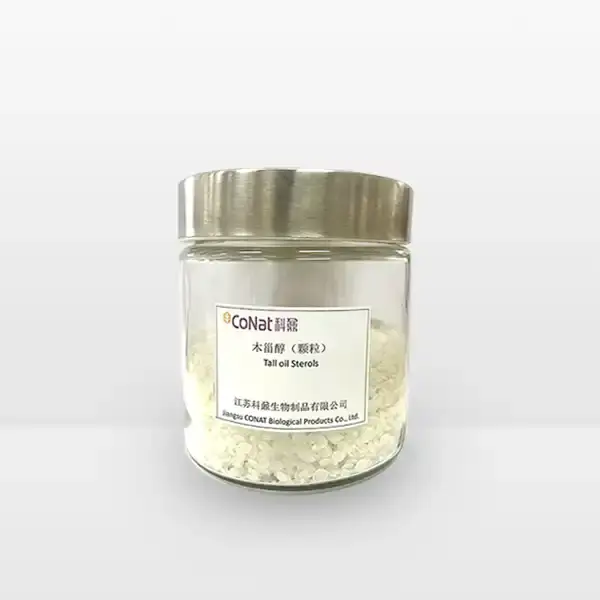
Comparing Pure Phytosterol Particles with Other Plant Sterols and Emulsifiers
Chemical Purity and Functional Performance
Pure Phytosterol Particles have set amounts of beta-sitosterol, campesterol, and stigmasterol, and are usually more than 95% pure after being refined. On the other hand, crude phytosterol products have different amounts of tocopherols, squalene, and other substances that are attracted to fat. Higher purity means more uniform functionality and less variation from batch to batch, which are important things for procurement managers to keep in mind when making sure that products perform the same way throughout production runs. The shape and size of manufactured particles are very different from crystalline aggregates that form spontaneously. Controlled precipitation and grinding processes make particle sizes that are spread out evenly and have short spans, which improves the efficiency of covering the surface. Changing the surface of particles can make them even more wettable and dispersible, making them fit different types of emulsions and processing conditions. These improvements take phytosterol particles from being common ingredients to specialized, useful parts that need technical know-how to make and use correctly.
Advantages Over Conventional Emulsifiers
Traditional emulsifiers, such as polysorbates, mono- and diglycerides, and lecithin, work in very different ways. Molecular detergents lower the tension between surfaces but aren't very good at stopping droplets from sticking together, especially when there are stresses like changing temperatures, high pressure, and long-term storage. Pickering stabilizers make surfaces that are sterically hindered and much less likely to become unstable. When emulsion stability is compared across different industrial processing scenarios, plant sterol particles perform better in situations where heat treatment, freeze-thaw cycles, and long shelf life are needed. The particles can handle being heated and mixed together in ways that break down protein-based emulsifiers or manmade detergents. Because it is so strong, there is less need for various stabilizer systems and safe colloids, which makes the recipe simpler. Clean-label concerns are becoming more and more important in design choices. People want ingredients that come from plants that they can recognize, and phytosterol particles do that without the bad reputation that comes with manufactured emulsifiers. Because they are regulated as food ingredients instead of chemicals in many places, they are even more appealing to companies that want to sell healthy goods.
Form Variations: Powdered Versus Encapsulated Products
Free-flowing powders give you the most options for how to make your products because they can easily dissolve in oil or spread out in water with the right handling. These forms work well for makers who have high-tech blending tools and the know-how to make dispersion routines work better. Powder items usually have good prices and can be made in a wide range of concentrations to meet the needs of the application. Spray-dried beadlets or microencapsulated versions of phytosterols that are enclosed make them more stable and easier to handle. Protective materials stop oxidation, limit the amount of water that is taken in, and allow direct addition to dry mixes without the need for special tools. The trade-off is higher prices and maybe limits on the highest concentrations that can be used in the end product. Before choosing between powder and encapsulated forms, each product development project's handling needs, shelf-life goals, and cost limits must be carefully considered.
Procurement Insights: How to Source and Evaluate Pure Phytosterol Particles
Identifying Reliable Supply Channels
There are well-known providers in Europe, North America, Pure Phytosterol Particles and Asia, and each area has its own benefits. In line with the strict rules set by the EU, European sources often stress organic approval and non-GMO status. North American providers usually keep a lot of paperwork to back up their FDA compliance and GRAS status decisions. Asian makers, especially those in China, offer low prices and higher quality standards as their factories spend money on getting foreign certifications. Procurement strategies should weigh the smallest order numbers against the costs of keeping inventory and the time it takes to develop new formulations. Industrial quantities usually start at 25-kilogram drums, and prices get better for pallet quantities (500 to 1000 kilos). Bulk tanker supplies work well for producers who make a lot of products, but they need the right infrastructure for getting and storing them. The terms of delivery have a big effect on the total landing costs, especially when buying from other countries and having to think about things like freight classification, customs taxes, and regulatory clearances.
Quality Certifications and Supplier Audits
For pharmaceutical and nutraceutical uses, GMP approval makes sure that factories have the right quality processes in place. Food safety management is covered by ISO 22000 throughout the supply chain. Kosher and Halal standards help goods that serve certain groups of people get into more markets. Organic approval, whether from the USDA, the EU, or another organization, comes with higher prices but lets you place your product differently in the market. Through direct building checks, supplier audits make sure that certifications are real. Effective audits look at how to track down raw materials, how to make sure that processes are true, how well analytical tests can be done, and how well quality recording systems work. The audit process shows that the supplier is more skilled than just showing certificates. It includes things like how well they keep records for each batch, how they look into deviations, and how they encourage ongoing growth. Keeping processes open and building relationships with providers who are willing to be audited greatly reduces the risks in the supply chain.
Balancing Cost, Reliability, and Partnership Value
Different pricing systems are used for different levels of purity, particle sizes, and volume agreements. Pharmaceutical-grade goods that meet the standards of the USP monograph are much more expensive than commodity-grade materials that can be used in feed. Knowing exactly which specs are important for your application keeps you from over-specifying and making costs go up for no reason. Reliability includes always delivering on time, stable prices with clear ways to change them, and quick technology help. When quality problems cause production delays, attempts to change the recipe, or customer complaints, the cheapest provider rarely gives the best overall value. Long-term relationships with providers who care about your success and are willing to help you with formulation, share market insights, and meet urgent needs give you a competitive edge that goes beyond just comparing prices. Risk reduction through dual sources strikes a mix between supply security and relationship depth.
Practical Applications and Case Studies of Phytosterol Particles in Emulsions
Food and Beverage Applications
Manufacturing companies that make functional drinks use phytosterol-stabilized emulsions to lower cholesterol in tasty ways. Adding plant sterols to orange juice shows that it can be sold, with particles stabilizing oil-phase ingredients and adding useful claims. Emulsion technology makes it possible for uniform distribution across liquid matrices. This keeps the dose similar per serve and stops separation during distribution. Dairy alternatives, including plant-based milks and yogurts, benefit from natural stabilization, which goes well with their "clean label" messaging. Phytosterol particles give foods a smooth taste and improve their nutritional profiles, which is good for your heart. The sensory qualities are the same as or better than regular stabilizer systems, and the tastes are neutral, so they don't mess up flavoring systems. Shelf-life testing shows that systems that are properly made stay stable and effective in terms of nutrition through normal market cycles.
Cosmetic and Personal Care Formulations
Skin care emulsions that are supported with plant sterol Pure Phytosterol Particles particles moisturize better and may help reduce inflammation. Because the particles are biocompatible with human flesh, they are less likely to irritate it than manufactured stabilizers. People who care about the environment will be interested in luxury cosmetic brands that talk about plant roots and sustainability. A lot of work goes into making sure that the desired aesthetic qualities are met, like the smoothness, spreadability, and absorption rate, while also making sure that the material stays stable in the wide range of temperatures that are common in global distribution. Formulators can change the particle surface chemistry and size ranges using customization choices to get the best performance for their product ideas. Color makeup and sun care products are two new uses for multifunctional ingredients that make recipes easier and back up marketing claims.
Pharmaceutical and Medical Nutrition Products
Pickering stability is helpful for the drug delivery of oral emulsions when active pharmaceutical ingredients need lipid carriers. Plant sterol particles provide stability that is safe and non-toxic, making them good for use in pharmaceuticals. They are appealing to formulators who are working on new delivery systems because they meet regulatory reporting standards, such as the ICH stability rules. Medical nutrition items for heart patients mix therapeutic amounts of phytosterol with emulsion forms that make them easier to take. When compared to pills or tablets, ready-to-drink forms are better at keeping people on track, especially older people. Precision factory controls make sure that each batch meets the quality standards for pharmaceuticals, and full analytical paperwork backs up regulatory files for markets around the world.
Conclusion
The phytosterol colloidal particles combine the benefits of nutrients with the latest emulsion technology. Because of how they work as Pickering stabilizers, they make it possible for clean-label products with proven health benefits to be used in a wide range of situations. As the need for natural ingredients that can be used for more than one thing grows, buying workers who know how to source ingredients, how to judge quality, and how they can be used will have a competitive edge. The level of technical know-how needed for the best application makes it hard for new people to join. This encourages skill and partnerships between suppliers. As the market moves toward eco-friendly, plant-based options, phytosterol particles will continue to grow in all functional ingredient markets around the world.
FAQ
1. How Do Pure Phytosterol Particles Differ From Regular Plant Sterols?
There are different kinds of plant sterols, such as free sterols, sterol esters, and modified particles. The solid form of bulk sterols doesn't dissolve well in either water or fat, which limits the range of uses. Pure Phytosterol Particles have controlled size ranges and surface qualities that are made to stabilize emulsions and improve bioavailability. Through this engineering process, raw materials are turned into useful ingredients whose performance can be predicted. The particles keep the nutritional value while adding processing benefits that raw sterols don't have. Compared to crude extracts, which have a different makeup, purity levels are usually higher than 95%. This makes sure that the functionality stays the same from batch to batch, which is important for industrial preparation.
2. Are Phytosterol Particles Safe for Long-Term Consumption?
Several decades of clinical studies have shown that taking 2 to 3 grams of plant sterols every day is a safe way to supplement your diet. Safety assessments have been done by regulatory groups like the FDA and EFSA that back their use in food and supplements. Side effects are still rare and generally mild. Stomach pain that happens sometimes when high doses are taken usually goes away with continued use or a lower amount. People who have the very rare genetic disease sitosterolemia should not take phytosterol supplements, but this only affects a very small group of people. Long-term consumption data from markets where sterol-enriched goods have been sold for more than 20 years show that they are safe and effective, and there have been no signs of harm to health found through post-market monitoring.
3. What Certifications Validate Quality Sourcing?
GMP certification proves that production processes are safe and follow the right quality control methods for making medicines. ISO 9001 shows how to set up a quality management system, and ISO 22000 talks about food safety management in particular. Organic licenses from recognized organizations confirm that farming materials are grown and processed without using synthetic poisons. Kosher and Halal approvals from well-known organizations help businesses reach new groups of customers. In addition to maker reports of analysis, third-party tests for toxins like heavy metals, pesticides, and microbial loads add another level of quality guarantee. Asking for all the paperwork, like scanned copies of certificates, audit reports, and test results for analysis purposes, helps you make smart choices about which suppliers to buy from.
Partner with CONAT for Premium Pure Phytosterol Particles
Jiangsu CONAT Biological Products Co., Ltd. is a Pure Phytosterol Particles seller that has been making bioactives from plants for many years. Our buildings are fully integrated, so they can do research, production, and analytical testing. This makes sure that the quality is pharmaceutical-grade and meets the needs of the most demanding uses. We have a lot of certificates, like GMP, ISO, and organic credentials, that help us follow all the rules around the world. Technical teams help clients come up with the best emulsion systems for their needs, from figuring out if the idea will work at all to making it big enough for sale.
Sample availability enables thorough evaluation before commitment, with tailored quotations reflecting volume requirements and specification needs. Our system for the supply chain makes sure that deliveries happen on time, which is important for just-in-time manufacturing or strategic inventory plans. Purchasing managers looking for a reliable Pure Phytosterol Particles producer to work with on a long-term basis will find that CONAT's quality control, technical know-how, and excellent customer service give them a long-term competitive edge. Get in touch with our team at sales@conat.cn to talk about your unique needs and find out how our plant sterol particles can help your product development process.
References
1. Berton-Carabin, C.C., & Schroën, K. (2015). Pickering emulsions for food applications: Background, trends, and challenges. Annual Review of Food Science and Technology, 6, 263-297.
2. Chevalier, Y., & Bolzinger, M.A. (2013). Emulsions stabilized with solid nanoparticles: Pickering emulsions. Colloids and Surfaces A: Physicochemical and Engineering Aspects, 439, 23-34.
3. Ostlund, R.E. (2002). Phytosterols in human nutrition. Annual Review of Nutrition, 22, 533-549.
4. Patel, A.R., & Dewettinck, K. (2016). Edible oil structuring: An overview and recent updates. Food & Function, 7(1), 20-29.
5. Pollak, O.J. (1953). Reduction of blood cholesterol in man. Circulation, 7(5), 702-706.
6. Rayner, M., Marku, D., Eriksson, M., Sjöö, M., Dejmek, P., & Wahlgren, M. (2014). Biomass-based particles for the formulation of Pickering-type emulsions in food and topical applications. Colloids and Surfaces A: Physicochemical and Engineering Aspects, 458, 48-62.
YOU MAY LIKE