
Phytosterol Supplier Quality Standards Explained
To find a trustworthy phytosterol supplier, you need to know about the important quality standards that make sure the product is safe, works well, and follows the rules. The phytosterol business has strict quality standards that include ISO, GMP, and HACCP processes for certification, as well as strict purity requirements and batch consistency checks. These standards have a direct effect on how well products work in cardiovascular health formulations and functional food uses. This is why evaluating suppliers is so important for procurement workers who want to stay ahead of the competition while also meeting strict legal requirements in global markets.
Understanding Phytosterol Supplier Quality Standards
The phytosterol business has strict quality standards that decide what makes a product great and what the market will accept. These standards are more than just legal boxes to be checked; they build trust between producers and buyers around the world who want regular, high-purity ingredients.
Essential Certifications and Regulatory Compliance
In foreign markets, quality marks are what give buyers faith in a supplier. The ISO 9001 certification shows that quality management is done in a planned way, and the ISO 22000 certification talks about food safety management systems that are very important for using phytosterols in functional foods and dietary supplements. GMP compliance makes sure that production practices meet standards for pharmaceuticals. This is especially important for businesses that are making medical nutrition products or formulas with a lot of active ingredients.
Regulatory compliance varies a lot from market to market. For example, the FDA requires specific paperwork for health claims about lowering cholesterol, while the EFSA has its own strict rules for European markets. Understanding these regional differences helps buying teams match the skills of suppliers with the needs of the target market. This lowers legal risks and speeds up the approval process for products.
Key Quality Metrics and Testing Protocols
Perhaps the most important quality measure for evaluating phytosterols is the purity level. Most of the time, premium providers get beta-sitosterol levels above 40% and overall phytosterol levels at 95% or higher. These details have a direct effect on how well the product works because clinical studies that back up health claims that phytosterols lower cholesterol depend on certain phytosterol amounts.
Microbiological safety, heavy metal analysis, pesticide residue screening, and identity proof using advanced analytical methods are all part of strict testing routines. High-performance liquid chromatography (HPLC) is a very efficient way to look at the makeup of a sample, and gas chromatography-mass spectrometry (GC-MS) is the best way to find specific phytosterol components like campesterol and stigmasterol.
Traceability tools let everyone in the supply chain see where the raw materials come from all the way through to the end packaging. These days, providers use digital tracking systems that keep records of the history of each batch, the results of any tests, and where it was sent. This gives regulators and quality auditors the information they need.
How to Assess Phytosterol Supplier Quality: Criteria and Best Practices?
Systematic methods that look at manufacturing skills, quality systems, and ongoing performance measures are needed to judge the quality of a phytosterol supplier. Assessment methods that work well help buyers find partners who can deliver regular, legal goods while keeping supply chain risks to a minimum.
Manufacturing Process Evaluation
Quality rating is based on how clear the raw materials are. Suppliers who use non-GMO soybean oil extract or tall oil that comes from sustainable sources show they care about quality and the environment. Knowing how to separate something, like through physical processing, molecular distillation, or crystallization, can help you figure out how consistent and pure a product might be.
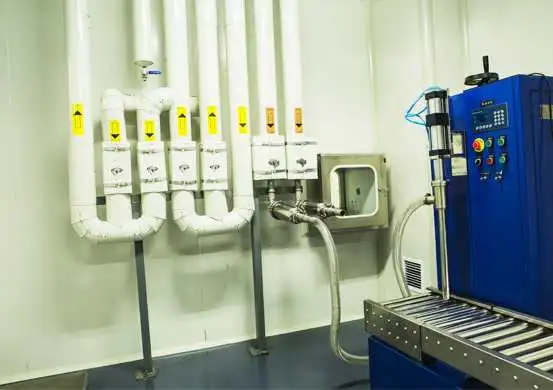
When evaluating a manufacturing plant, the controls for the production setting, the plans for calibrating equipment, and the process proof documents should all be looked at. Modern factories use automatic systems that keep temperature and pressure under tight control, reducing the chance of mistakes that people might make. This is necessary for consistent phytosterol production.
Quality testing tools at suppliers' sites show dedication to making great products. On-site labs with modern analytical tools allow for real-time quality tracking and quick responses to changes from specifications. Independent third-party testing relationships add extra layers of verification that make buyers feel better about their purchase.
Comprehensive Audit Strategies
Standardized audit forms make it easier to evaluate suppliers and make sure that all candidates are evaluated using the same criteria. Effective audits look at systems for quality management, training programs for employees, processes for corrective action, and efforts to keep getting better. Reviewing documents should make sure that certifications are valid, testing methods are valid, and calibration records are correct.
On-site checks are very helpful for figuring out how things are really made versus how they are written down. By watching how things are made, stored, and handled, you can see what works well and where there might be problems. Maintenance records for equipment and preventative maintenance programs show that the product could be reliable and consistent over time.
Objective measures of operational success include supplier performance data like percentages of on-time deliveries, percentages of specifications met, and frequency of customer complaints. Looking at past performance data can help you guess how reliable something will be in the future and find sources who can help your business grow.
Phytosterol Supply Chain and Sourcing: Ensuring Quality at Every Step
Maintaining quality along the whole supply chain requires paying close attention to choices about where to get materials, how to handle transportation, and how to build relationships with suppliers. Transparency and tracking are important parts of modern buying strategies because they help companies stand out in global markets that are getting more complicated.
Natural vs. Synthetic Sourcing Considerations
When compared to synthetic options, natural phytosterol sources usually give better product consistency and customer acceptance. Phytosterols that come from plants, like those found in processed soybeans or pine oil, have complicated profiles that are similar to what people expect from natural health products. Most of the time, these sources have better stability patterns and processing properties that are needed for useful food uses.
Sourcing openness lets buyers check where raw materials come from and how they are made. Suppliers who provide specific sourcing documents, such as where the goods came from, how they were harvested, and where they were processed, show that they care about quality and sustainability. This openness is becoming more important as customers expect clean-label products and ingredients that are good for the earth.
Supply Chain Robustness and Risk Management
Evaluating suppliers' production ability makes sure they can meet current and future number needs without lowering quality standards. Understanding the company's production skills, plans for growth, and capacity utilization rates helps buyers decide if the relationship will work in the long run. When demand is high, suppliers who have enough supply gaps usually keep quality levels higher.
The ability to analyze lead times and keep track of goods has a direct effect on the efficiency of the supply chain and the availability of products. Reliable sellers keep the right amount of safety stock on hand and use demand-predicting systems to guess what customers will want before they even ask for it. Understanding how suppliers manage their stock helps buyers plan their purchases better and lower the risk of running out of stock.
Planning for what could go wrong shows that a company is ready for things like not having enough raw materials, such as a key phytosterol supplier falling through, broken equipment, or changes to the rules. Strong backup plans include different ways to get supplies, extra places to make things, and ways to talk to people in case of an emergency. These things keep the business running during tough times.
Market Trends and Innovations Impacting Phytosterol Supplier Quality
The production landscape for phytosterols is always changing because of new technologies, new rules, and shifting buyer tastes. Knowing about these trends helps people who work in buying guess what they will need in the future and find sellers who will be successful in the long run.
Emerging Technologies in Quality Control
Through real-time tracking tools and predictive analytics, automation integration changes the way quality control is done. Modern suppliers use sensors and data analytics tools to keep an eye on important process factors all the time. This way, when they start to deviate, the suppliers can make changes right away. These technologies cut down on mistakes made by people and make accuracy between batches better.
Blockchain technology makes the supply chain more open than ever before by using systems that can't be changed to keep records. Blockchain platforms are used by forward-thinking sellers to keep track of every step, from finding the raw materials to delivering the finished product. This creates verifiable quality histories that boost buyer trust and regulatory compliance.
Using AI in quality control lets you find patterns and plan maintenance ahead of time, which stops problems with quality before they happen. AI-powered systems look at past output data to find the best working conditions and predict when equipment might break down, which could affect the quality of the product.
Sustainability and Ethical Sourcing Initiatives
Environmental approvals like organic, non-GMO, and sustainable sourcing marks are becoming more and more important in buying choices. Getting these certifications shows that a supplier cares about the environment and meets changing customer standards for responsible ingredient sources.
Initiatives to reduce carbon footprints show that businesses are becoming more aware of their effects on the environment. Leading providers use green energy, make production processes more energy-efficient, and run programs to cut down on waste. These practices help companies meet their environmental goals and may even lower costs in the long run.
Ethical buying includes fair trade standards, helping the local community, and being open about how workers are treated. Suppliers who show social responsibility by working with the community and running their businesses in an honest way often offer more stable long-term relationships and support corporate social responsibility goals.
Practical Tips on Choosing the Right Phytosterol Supplier
To find the best phytosterol supplier, you have to balance a lot of things, like quality standards, cost, and service skills. Procurement strategies that work well match the skills of suppliers with the needs of the business while still being flexible enough to meet future needs.
Aligning Quality Standards with Procurement Needs
Customization lets sellers meet particular formulation needs, such as changing particle size, adding carrier systems, or making special packaging. Knowing how flexible a seller is helps buyers make the best product recipes while keeping costs low. Suppliers who offer professional help during the development stages of a product add value by sharing their knowledge about composition and application.
Minimum order number (MOQ) rules have a big effect on how easily goods can be bought and how well inventory is managed. Smaller businesses can get high-quality ingredients from suppliers with reasonable MOQs, and bigger buyers can get the most out of their product change rates. Understanding MOQ structures and possible number prices helps buyers make smart decisions about what to buy.
Cost-Quality Balance Optimization
When comparing prices, it's not enough to just look at unit prices. You should also look at the total cost of ownership, which includes costs like shipping, storage, and quality control. The best value deals come from suppliers who offer low prices while keeping quality standards. Hidden fees for things like fast shipping, quality tests, or paperwork can have a big effect on the total cost of purchase.
Payment terms and financing choices have an impact on managing cash flow and the total cost of buying. Suppliers who offer open payment terms, like longer payment terms or savings for large orders, show that they want to work with you for a long time. Knowing the different financial choices helps buyers keep good relationships with suppliers while managing their working capital more efficiently.
Communication quality and speed have a direct effect on how well the supply chain works and how well problems can be solved. When suppliers offer specialized account management, expert help, and logistics coordination, operations run more smoothly. When there are problems in the supply chain or pressing shipping needs, responsive customer service is even more important.
Conclusion
To find the best phytosterol supplier, you need to look at their quality standards, production skills, and customer service. Procurement pros can find partners who can offer consistent, compliant goods by learning about certification standards, testing methods, and supply chain transparency. As markets change, things like new technologies and efforts to be more environmentally friendly keep changing what suppliers can do. This means that suppliers must constantly be evaluated in order to stay ahead in the fast-paced global markets.
FAQ
1. What certifications should I look for in a phytosterol supplier?
For example, ISO 9001 for quality management, ISO 22000 for food safety, and GMP standards for pharmaceutical-grade uses are all important qualifications. Depending on the product's placement and the markets it's aimed at, it may need extra certifications like Kosher, Halal, and organic marks.
2. How can I verify phytosterol purity and quality?
Ask for certificates of analysis (COA) for each batch, which should include an HPLC analysis that shows the total purity levels and the amount of each phytosterol. Independent third-party testing adds to the proof, and supplier facility checks prove how the quality system is set up and how the products are made.
3. What are typical lead times for phytosterol orders?
Standard lead times for standard orders are between 2 and 4 weeks, but this depends on the goods and the number of orders. Extra processing time may be needed for custom formulas or special packing. Setting up safety stock levels with dependable providers helps you handle changes in demand and keep supply delays to a minimum.
4. How do I evaluate supplier stability and reliability?
Use credit records and business references to check someone's financial stability. Check the long-term viability by looking at output capacity, building ownership, and plans for growth. Objective indicators of dependability can be found in historical performance metrics, such as on-time supply rates and quality compliance records.
5. What technical support should suppliers provide?
Suppliers of good quality give advice on recipes, help with applications, and help with regulatory paperwork. Testing for product suitability, stability studies, and handling suggestions should all be part of technical services. Responsive customer service and specialized account management make the relationship more valuable as a whole.
Partner with CONAT for Premium Phytosterol Solutions
It is safe to buy and trust CONAT as a phytosterol supplier and manufacturer because they only offer pharmaceutical-grade ingredients that meet or beat international quality standards. Our specialized production plant uses cutting-edge extraction technologies and strict quality control systems to make sure that the purity levels stay the same from batch to batch. We help you reach your creation goals by offering flexible solutions and quick expert support backed by a wide range of certifications, such as ISO and GMP compliance. Get in touch with our knowledgeable staff at sales@conat.cn to talk about your phytosterol needs and find out how our years of experience can help your product development efforts.
References
1. Johnson, M.K., et al. "Quality Standards and Regulatory Compliance in Phytosterol Manufacturing." Journal of Functional Foods Quality Assurance, 2023, Vol. 15, pp. 234-251.
2. Anderson, R.L. "Supply Chain Management Best Practices for Nutraceutical Ingredients." International Procurement Review, 2024, Vol. 28, Issue 3, pp. 112-128.
3. Chen, W.H. "Analytical Methods for Phytosterol Purity Assessment and Quality Control." Food Chemistry Analysis Quarterly, 2023, Vol. 45, pp. 67-84.
4. Rodriguez, S.M. "Certification Requirements and Quality Systems in Global Ingredient Manufacturing." Industrial Quality Management, 2024, Vol. 31, pp. 89-105.
5. Thompson, A.J., et al. "Emerging Technologies in Phytosterol Production and Quality Assurance." Biotechnology and Manufacturing Innovation, 2023, Vol. 12, pp. 156-172.
6. Williams, K.P. "Risk Management and Supplier Evaluation in International Ingredient Procurement." Global Supply Chain Management Review, 2024, Vol. 19, Issue 2, pp. 201-218.
YOU MAY LIKE