
Phytosterole Pine Sterols vs. Cholesterol Absorption
Phytosterols pine sterols, are chemicals that come from plants and have a structure similar to cholesterol. They are extracted from pine sources using modern methods for cleaning them up. These natural ingredients lower serum cholesterol levels by fighting with food cholesterol for absorption in the intestines. This stops the absorption of cholesterol and lowers serum cholesterol levels. Eating enough of these plant sterols has been shown in clinical tests to lower LDL cholesterol by 5–15%. This makes them a scientifically proven way to control cholesterol in functional foods and dietary supplements.
Understanding Phytosterole Pine Sterols and Their Role in Cholesterol Absorption
The Chemical Nature of Pine-Derived Plant Sterols
A larger group of phytochemicals called phytosterols includes phytosteryl pine sterols. Phytosterols have the same molecular structure as cholesterol from animals, but they only come from plants. The main parts are β-sitosterol, campesterol, and stigmasterol. In pine-derived extracts, β-sitosterol usually makes up more than 70% of the total sterol content. Because these plant sterols have similar structures, they can compete directly with cholesterol molecules when they are absorbed in the intestines. This is how they lower cholesterol.
How Do Plant Sterols Block Cholesterol Uptake?
When eaten with food, phytosterols or pine sterols move to the inside of the gut, where cholesterol is absorbed. To help cholesterol get into the bloodstream, the human digestive system needs important proteins called "transporters." These transporter sites are taken up by phytosterols, which stop dietary and bile cholesterol from being absorbed. The cholesterol that is stopped then moves through the digestive system and is normally flushed out of the body. According to research, this competitive inhibition can lower cholesterol intake by 30 to 50 percent if enough plant sterols are eaten on a daily basis.
Additional Functional Benefits Beyond Cholesterol Management
In addition to their main job of stopping cholesterol, pine-derived plant sterols have other benefits for product development. These chemicals have antioxidant properties that help protect cells from reactive stress. This is a very useful quality for supplements that aim to improve heart health. Researchers have also found that it can reduce inflammation, which suggests that it could be used in a wider range of food goods. These abilities to do more than one thing make pine sterols a desirable ingredient for formulators who want to make unique goods that offer a number of health benefits that are backed by science.
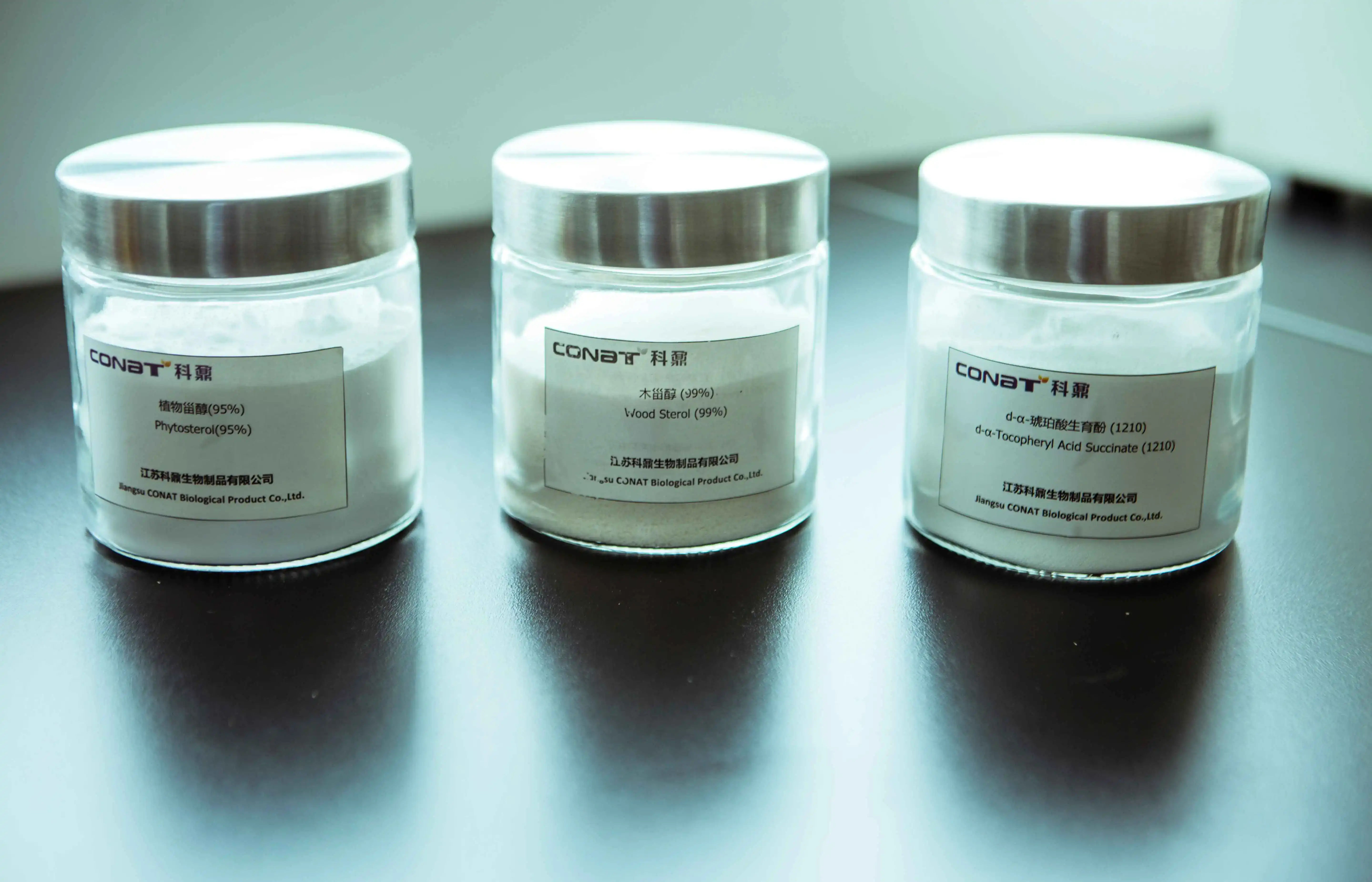
Phytosterole Pine Sterols vs. Other Cholesterol-Lowering Agents: A Comparative Analysis
Comparing Plant Sterols to Stanols
Plant sterols and stanols both lower cholesterol in similar ways, but there are some small changes. Stanols are hydrogenated, fatty forms of sterols. Some studies show they may help lower cholesterol a little more effectively in some groups. However, phytosterols, or pine sterols, still have some of their natural protective qualities, which are lost when they are turned into stanol. From a purchasing point of view, sterols are usually more cost-effective and are accepted by regulators around the world more easily, which makes them the best choice for most business formulas.
Pine Sterols Versus Marine-Based Omega-3 Alternatives
Different from phytosterols plant sterols, fish oil, and omega-3 fatty acids help heart health in different ways. Omega-3s mostly affect triglyceride levels and signs of inflammation, while phytosterols directly stop the absorption of cholesterol. This difference in how things work makes it possible for products that work together to address multiple circulatory risk factors at the same time. When these ingredients are mixed together, formulators can make complete goods that health-conscious customers looking for solutions with multiple benefits will like. Pine sterols also avoid common allergen issues that come with chemicals that come from fish, which could help them reach a wider market.
Advantages Over Fermentation-Derived Alternatives
Red yeast rice, which naturally contains monacolins, is another type of food that can help lower cholesterol. In many countries, especially the US, where FDA control changes based on monacolin content, these ingredients are hard to regulate. Pine sterols have easier access to regulations and are generally thought to be safe (GRAS) for use in food. This shortens the time it takes to make new products and get them on the market. Plant sterols have been studied for decades and are known to be safe, but goods made from fermentation are constantly being inspected by regulators. Pine sterols have clear benefits for buying teams that put legal stability and supply chain reliability at the top of their list of priorities.
Key Considerations for Sourcing Phytosterole Pine Sterols in Bulk Procurement
Quality Parameters and Certification Requirements
When buying phytosterol pine sterols, procurement workers need to look at a number of important quality indicators. The purity level should be at least 90% of the total phytosterol content, and β-sitosterol, campesterol, and other sterol fractions should be confirmed through a thorough compositional study. Certificate of Analysis (CoA) paperwork must be sent with every batch to prove that it doesn't contain any toxins, such as heavy metals, pesticide leftovers, or microbes. More quality guarantee comes from international certifications like ISO 9001, ISO 22000, GMP compliance, and, if available, organic approvals. For supplement uses, kosher and halal approvals make the market more accessible and increase customer acceptance across a wide range of age groups.
Manufacturing standards directly impact product consistency and regulatory compliance. Suppliers who work under GMP conditions make sure that quality is controlled in a planned way throughout the whole production process. Traceability paperwork that links raw materials to finished ingredients makes things clear and helps with regulatory applications in markets with a lot of rules. Stability data from different storage situations helps formulators figure out how long a product will last and how to handle it properly. Before forming long-term partnerships with a possible provider, procurement teams should ask for detailed technical dossiers that include descriptions of the manufacturing process, quality control methods, and stability studies.
Evaluating Supplier Credibility and Manufacturing Standards
To find trusted providers, you need to do more than just compare prices. Generic chemical suppliers usually don't offer as consistent quality as well-known makers with specialized phytosterol production sites. When they are possible, site audits give manufacturers a lot of useful information about how things are really made, how quality systems work, and what their technology powers are. References from current customers, especially those who use similar applications, can give you a good idea of how well a supplier does in terms of delivering on time, providing good expert support, and solving problems. Suppliers with strong research and development (R&D) skills can offer recipe help and customization choices that go beyond just providing basic ingredients.
Strategic Approaches to Bulk Purchasing
The market for phytosterol ingredients, including phytosteryl pine sterols, changes depending on the supply of raw materials, especially the price of pine tall oil, which is linked to activity in the wood industry. Strategies for buying things should weigh the need to save money right away against the need to ensure a steady supply of goods. A lot of the time, promises to buy in bulk get better prices, but flexible terms that protect against things like force majeure or quality failures are also very helpful for lowering risk. Payment terms, minimum order quantities, and wait times vary a lot between providers, so it's important to carefully weigh them against your inventory management goals and working capital limits. By building relationships with several qualified providers, you can make your supply chain more stable and keep prices low by negotiating with them based on market information.
Safe Usage, Dosage Recommendations, and Potential Side Effects
Clinically Supported Dosage Guidelines
The FDA knows that eating at least 1.3 grams of phytosterol, like pine sterols, every day, split between two meals, can lower the chance of heart disease as part of a diet low in cholesterol and saturated fat. Doses between 1.5 and 3.0 grams per day are usually used in clinical studies that show circulatory effects. The National Cholesterol Education Program says that people with high cholesterol should eat 2 grams of this food every day. These standards are based on evidence and give formulators clear goals for product development. This makes sure that sold goods provide real health benefits when used as recommended.
Understanding Mild Side Effects and Contraindications
Phytosterol pills are well tolerated by most people, and clinical studies have shown that they cause few side effects. Some stomach problems, like slight constipation, nausea, or gas, may happen when you first start using it, but they usually go away as your body gets used to it. Higher doses are linked to a higher chance of stomach problems, but symptoms generally go away quickly when doses are lowered. Importantly, people who have the rare genetic disease phytosterolemia (sitosterolemia) should not take any plant sterol supplements at all, because they may not be able to get rid of enough plant sterols in their bodies. Procurement teams should make sure that goods come with the right marking instructions to let customers know about this warning.
Regulatory Compliance Across Major Markets
To follow the rules in different markets, you have to pay attention to the different labeling rules and health claim permissions for phytosterols pine sterols. In the US, health claims that link plant sterols to a lower risk of heart disease must use specific language that has been allowed by the FDA. Similar claims are allowed in Europe under EFSA guidelines, which include specific dosage standards and label style rules. Health claims should be backed up by evidence, like clinical study reports and substantiation files, which should be easy for suppliers to provide for regulatory applications. In most developed markets, basic requirements include following current good manufacturing practices, having accurate allergen labels, and having accurate nutritional information panels. Suppliers' support for these requirements is a key factor in the selection process during procurement evaluations.
Conclusion
Phytosterols, or plant sterols, are a widely effective ingredient that has been scientifically proven to help lower cholesterol in functional foods and dietary supplements. Their competitive ability to stop cholesterol absorption, which is backed by a lot of clinical proof, makes them a key ingredient in heart health goods. Compared to other cholesterol-lowering substances, phytosterols have clear regulatory guidelines, good safety ratings, and a range of formulation options that make product creation easier while still meeting customers' desire for natural, plant-based solutions. For procurement to go well, suppliers must be carefully evaluated, with a focus on quality certifications, manufacturing standards, and the ability to provide expert help. As the market continues to favor clean-label, medically useful ingredients, pine sterols offer great chances to make products stand out and grow the market in a number of health-focused categories.
FAQ
1. Are pine-derived plant sterols safe for all age groups?
People of all ages are very safe when they eat phytosterols and pine sterols at the recommended amounts. But there isn't a lot of detailed advice for kids yet, since most clinical studies are still done on adults. Women who are pregnant or nursing should talk to their doctors before taking supplements, but eating natural foods doesn't seem to be a problem.
2. How quickly can cholesterol improvements be observed?
Usually, noticeable drops in LDL cholesterol can be seen within three to four weeks of taking the medicine every day at the recommended doses. For best results, take it regularly as part of a heart-healthy diet. If you stop taking supplements, the effects will go away.
3. Can plant sterols be combined with other supplements?
Pine sterols can easily be mixed with most food supplements, such as omega-3 fatty acids, CoQ10, and B vitamins, and may work together to help the heart. People who are taking prescription cholesterol-lowering drugs should talk to their doctors to make sure they are being properly monitored and to avoid duplicating processes that aren't needed.
Partner with CONAT for Premium Phytosterole Pine Sterols Supply
Because we have so much knowledge, we are the best company to get phytosterole pine sterols from for making cholesterol-lowering medicines. CONAT has complete study, production, and testing facilities that are only used for making phytosterols and natural vitamin E. This gives them unmatched experience in quality control and plant sterol purification. Our technical team brings decades of specialized knowledge to every batch, so we can promise that the purity levels will always be higher than 90% total phytosterol content. We also do full chemical analysis and keep records of everything. We keep our ISO 9001, ISO 22000, GMP, kosher, and halal certifications up to date. This helps us meet your legal needs in global markets and give procurement workers the supply chain stability they need. You can email our team at sales@conat.cn to talk about your unique formulation needs, get technical specs and samples, or look into our cheap bulk price structures that are meant for long-term partnerships in the growing market for cardiovascular health.
References
1. Ostlund, R. E. (2002). Phytosterols in human nutrition. Annual Review of Nutrition, 22, 533-549.
2. Katan, M. B., Grundy, S. M., Jones, P., Law, M., Miettinen, T., & Paoletti, R. (2003). Efficacy and safety of plant stanols and sterols in the management of blood cholesterol levels. Mayo Clinic Proceedings, 78(8), 965-978.
3. Demonty, I., Ras, R. T., van der Knaap, H. C., Duchateau, G. S., Meijer, L., Zock, P. L., ... & Trautwein, E. A. (2009). Continuous dose-response relationship of the LDL-cholesterol-lowering effect of phytosterol intake. Journal of Nutrition, 139(2), 271-284.
4. Plat, J., & Mensink, R. P. (2005). Plant stanol and sterol esters in the control of blood cholesterol levels: mechanism and safety aspects. American Journal of Cardiology, 96(1), 15D-22D.
5. Ras, R. T., Geleijnse, J. M., & Trautwein, E. A. (2014). LDL-cholesterol-lowering effect of plant sterols and stanols across different dose ranges: a meta-analysis of randomized controlled studies. British Journal of Nutrition, 112(2), 214-219.
6. Calpe-Berdiel, L., Escolà-Gil, J. C., & Blanco-Vaca, F. (2009). New insights into the molecular actions of plant sterols and stanols in cholesterol metabolism. Atherosclerosis, 203(1), 18-31.
YOU MAY LIKE