
Phytosterols and γ-Oryzanol as Cholesterol Solid Phase Modifiers during Digestion
In the digestive process, phytosterols and γ-oryzanol change the solid phase of cholesterol by competing with food cholesterol for uptake sites in the intestines. By creating mixed micelles with cholesterol molecules, Pure Phytosterol Particles successfully lower the bioavailability of cholesterol through molecular competition mechanisms. These chemicals come from plants and form solid structures that stop cholesterol from dissolving, which stops it from being absorbed. Phytosterols and γ-oryzanol work together to lower cholesterol in a way that has been proven by science. They are solid natural ingredients that makers can use to make heart health products that work.
Understanding Pure Phytosterol Particles and γ-Oryzanol
Plant sterols and stanols are complex beneficial molecules that have changed the way we think about how cholesterol is broken down during digestion. These naturally occurring molecules have structures that are similar to cholesterol, but they also have different chemical arrangements that allow them to have their own regulatory qualities.
Molecular Structure and Composition
Pure Phytosterol Particles are mostly made up of β-sitosterol, campesterol, and stigmasterol, which together make up about 95% of the plant sterol content. The makeup of the molecules is made up of a steroid backbone with side-chain changes that make them different from cholesterol. There is an extra ethyl group at position 24 in β-sitosterol, but there is a methyl change at the same spot in campesterol. These changes to their structure make them more likely to bind to places where cholesterol is absorbed, but they also make them less bioavailable.
This substance, γ-oryzanol, comes mostly from rice bran oil and is made up of ferulic acid esters, triterpene alcohols, and plant sterols. Cycloartenyl ferulate, 24-methylenecycloartanyl ferulate, and campesteryl ferulate are the main parts. This special mixture can change cholesterol levels and fight free radicals very effectively, which makes it very useful for complete heart health formulas.
Extraction Technology and Quality Standards
Modern methods of extraction use supercritical CO2 technology and molecular distillation to get purity levels higher than 95% that are suitable for medicinal use. Manufacturers can make uniform phytosterol concentrates that have the same makeup from batch to batch using advanced fractionation methods. As part of quality control, gas chromatography analysis, moisture content verification, and heavy metal screens are used to make sure that international standards like USP, EP, and JP papers are met.
The first step in the extraction process is choosing the raw materials. Tall oil from pine processing or vegetable oil deodorizer distillates are often used. The next steps in the purification process get rid of unwanted fatty acids and other toxins. These are saponification, crystallization, and final purification. This multi-step process makes sure that high-purity phytosterol particles are made that can be used in medicinal and nutritional products.
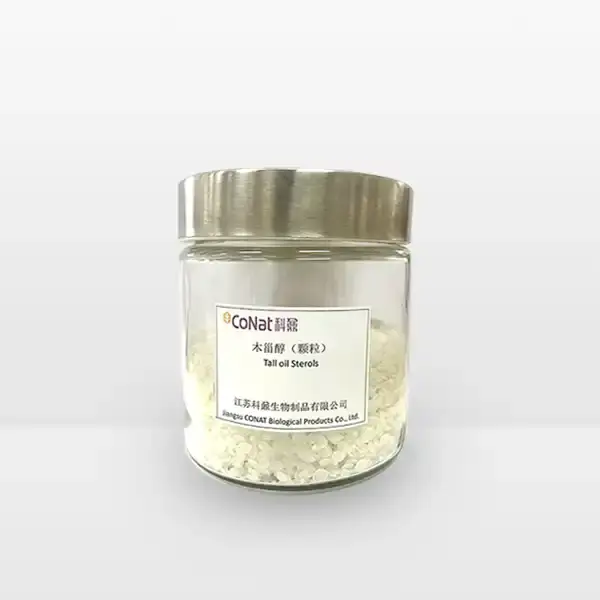
Benefits and Health Effects of Pure Phytosterol Particles and γ-Oryzanol
For more than fifty years, clinical studies have shown that phytosterols and γ-oryzanol are safe ingredients that can help lower cholesterol and have other health benefits besides supporting the heart.
Cholesterol-Lowering Efficacy
Meta-analyses of randomized controlled studies show that eating two to three grams of plant sterols every day can lower LDL cholesterol levels by eight to fifteen percent after two to three weeks of frequent use. Competitive inhibition at intestinal absorption sites, where phytosterol molecules occupy cholesterol transporters and lower total cholesterol uptake by about 30–50%, is how the cholesterol-lowering process works.
Due to their improved solubility properties in the intestinal environment, Pure Phytosterol Particles show better bioactivity than esterified forms. According to research, free phytosterols have more constant cholesterol-lowering effects across a wider range of dietary situations. This makes them a better choice for regular formulations.
Cardiovascular and Systemic Benefits
In addition to lowering cholesterol, these substances help the heart in many other ways as well. γ-Oryzanol has powerful anti-inflammatory effects, lowering levels of C-reactive protein and other inflammatory factors linked to the development of atherosclerosis. Studies show that improving capillary function and making arteries more flexible might be helpful.
More studies show that phytosterols may help the immune system work better and fight against oxidative stress. γ-oryzanol's antioxidant qualities help protect cells and may even help the body age in a healthy way. These multiple benefits make the product more valuable for companies that are making complete health formulas that work on many body systems.
Safety Profile and Regulatory Considerations
A lot of safety tests have shown that phytosterols and γ-oryzanol are very well tolerated and have few negative effects when taken in the suggested amounts. Regulatory bodies like the FDA, EFSA, and Health Canada have given phytosterol ingredients used in food the "Generally Recognized as Safe" (GRAS) label.
The daily suggested maximum amount for people is between 2 and 3 grams, and products that contain plant sterols must meet certain labeling standards. Manufacturers must include the right directions for use and warnings for people who have certain genetic conditions that affect how their bodies process plant sterols.
Comparison and Selection Criteria for Pure Phytosterol Particles
When making a purchase choice, you need to carefully consider a lot of things, such as the level of purity, the distribution of particle sizes, the stability of the product, and the certifications of the seller, to make sure the best product performance and compliance with regulations.
Purity and Quality Specifications
Pharmaceutical-grade Pure Phytosterol Particles usually have at least 95% total sterols and certain amounts of each component. Premium types are 98% pure or more pure, and they have to meet strict requirements for having less than 0.5% moisture, less than 0.1% ash, and less than medicinal levels of heavy metals. These requirements have a direct effect on the safety, bioactivity, and shelf life of the product.
Bioavailability and formulation suitability are both very affected by the size range of particles. Micronized particles with sizes ranging from 10 to 50 microns show faster dissolution and better mixing with different dosage types, such as pills, tablets, and functional foods.
Certification and Testing Requirements
As part of quality assurance processes, testing methods must be fully described and include name verification, purity analysis, microbiological safety, and stability assessment. Some important certificates are ISO 9001 for quality control, ISO 22000 for food safety, HACCP compliance, and, if necessary, organic certifications.
Gas chromatography-mass spectrometry (GC-MS) and other advanced analysis methods make it possible to precisely measure the amounts of different sterol components and find any possible toxins. Verification by a third party during testing builds trust and helps with regulatory applications for entry to foreign markets.
Cost-Efficiency and Supply Chain Considerations
Strategies for buying in bulk should look at the total cost of ownership, which includes the prices of raw materials, shipping, storage, and investments in quality control. Long-term supply deals with qualified manufacturers keep prices stable and ensure availability, which helps with planning production.
Beyond just giving low prices, suppliers who offer expert support, regulation documentation, and application development help add value. These services are especially important for businesses that are coming up with new formulas or going into new markets that have strict rules about how they can do business.
Strategic Guide to Procuring Pure Phytosterol Particles and γ-Oryzanol for Global B2B Clients
For procurement plans to work, they need to carefully look at potential suppliers, build smart partnerships, and know how regulations work in all of their target markets.
Supplier Qualification and Partnership Development
To find reputable providers, you have to look at their technical know-how, production skills, quality systems, and compliance with regulations. Qualified manufacturers should keep their Good Manufacturing Practice (cGMP) certifications up to date, show that they can consistently produce goods, and back up their claims and specs with a lot of paperwork.
International standards for cleanliness, equipment upkeep, and quality control processes are met by production facilities that go through site checks and supplier qualification programs. As part of the product filing process, you need to keep records of each batch, a proof of analysis, stability data, and statements of regulatory compliance.
Bulk Purchasing and Logistics Optimization
Minimum order amounts are usually between 100 and 1000 kilograms, but can be higher or lower, depending on the goods and the supplier's capabilities. Volume savings become important for orders over 5,000 kilograms per year, which is why established makers should sign long-term supply deals.
You can package things in fiber drums, containers sealed with polyethylene, and special packing made for uses that need to keep moisture out. For products to stay stable over their shelf lives, they need to be stored in a way that keeps the temperature below 25°C, the humidity below 65%, and the product out of direct sunlight.
Formulation and Application Guidance
For adding Pure Phytosterol Particles to certain product structures, technical support services should include formulation advice, stability testing methods, and help with application development. Compatibility studies help find out how ingredients might react with each other and help improve handling conditions so that the most bioactivity is kept.
Regulatory support services help with things like registering ingredients, proving health claims, and making sure labels are correct for all foreign markets. These services are very helpful for businesses that are growing into new areas with strict rules about paperwork and regulations.
Case Studies and Future Prospects of Using Phytosterols and γ-Oryzanol in Cholesterol Management
Phytosterol-containing goods can be sold and are liked by a wide range of consumer groups and product types because they are used in real life.
Market Success Stories and Product Applications
Leading companies that make functional foods have successfully added phytosterols to margarine, yogurt, and drinks, gaining a large share of the market and customer support. Products with 1.5 to 2.0 grams of Pure Phytosterol Particles per dose have been shown to lower cholesterol levels in tests with real people while still tasting and feeling good.
Nutraceutical companies have come up with advanced ways to send their products, such as softgel capsules, chewable tablets, and powder mixes that make the products more bioavailable and easier for customers to use. Phytosterols are often mixed with other ingredients that work well together, like omega-3 fatty acids, CoQ10, and plant oils, to make items that are good for your heart.
Innovation Trends and Technology Advancement
New technologies try to make drugs more bioavailable by using different ways to give them, such as liposomal encapsulation, nano-emulsification, and time-release formulas. These improved transport methods might make it easier for the drug to be absorbed and keep working longer to lower cholesterol during the digestive process.
Researchers are looking into how these compounds can work together with other beneficial compounds, like policosanols, red yeast rice extracts, and fiber components, to make new ways to control cholesterol. These combination methods might make drugs more effective while also lowering the doses that are needed and making them more cost-effective for both customers and makers.
Conclusion
Phytosterols and γ-oryzanol are highly proven ingredients that can help lower cholesterol and be safe, effective, and marketable. Because of how they work at the molecular level to block cholesterol, manufacturers have solid tools for making heart health products that work. Product development and market acceptance are both successful when strategic buying factors like quality standards, seller skills, and regulatory compliance are taken into account. As new delivery methods and combination formulations keep getting better, these natural ingredients will stay important parts of the next generation of cholesterol control products that meet changing health needs and government rules.
FAQ
Q1: What makes Pure Phytosterol Particles more effective than synthetic alternatives?
Because of their complicated matrix of complementary substances and ideal molecular configurations, Pure Phytosterol Particles from natural sources exhibit superior bioactivity. Natural extraction methods keep helpful co-factors that make absorption and cholesterol-blocking work better than synthetic options that don't have these helpful parts.
Q2: How can I make sure that the quality of each batch of production is the same?
Using strict quality control procedures that include testing arriving raw materials, keeping an eye on the process while it's happening, and checking the end product makes sure that each batch is the same. Quality differences are kept to a minimum, and reliable output results are supported by working with certified suppliers who provide thorough certificates of analysis and keep ISO-certified quality management systems.
Q3: What kinds of paperwork are needed to get into foreign markets?
Regulatory requirements change from place to place, but they usually include details about the product's safety, how it was made, and proof of any health claims. Certificates of analysis, safety statements, GMO statements, and proof of compliance with local food ingredient laws are all important pieces of paperwork. Talking to legal experts makes sure that all the paperwork needed to enter a market is complete.
Partner with CONAT for Premium Pure Phytosterol Particles
Jiangsu CONAT Biological Products Co., Ltd. stands as a leading Pure Phytosterol Particles manufacturer with advanced extraction technology, comprehensive quality systems, and proven expertise in natural ingredient production. Our modern factory follows cGMP licensing, ISO 9001 quality management, and ISO 22000 food safety standards to make sure that the quality of our products is always the same and that we follow all the rules. The expert team at CONAT helps clients with all aspects of product creation, including application support, formulation advice, and legal help. We are the best Pure Phytosterol Particles provider for nutrition and functional food companies around the world because we are dedicated to innovation, quality excellence, and building partnerships with our customers. Get in touch with our team at sales@conat.cn to talk about your unique needs and find out how CONAT's quality ingredients can help your business and product line.
References
1. Ostlund, R. E. (2007). Phytosterols, cholesterol absorption, and healthy diets. Lipids, 42(1), 41-45.
2. Moreau, R. A., Whitaker, B. D., & Hicks, K. B. (2002). Phytosterols, phytostanols, and their conjugates in foods: structural diversity, quantitative analysis, and health-promoting uses. Progress in Lipid Research, 41(6), 457-500.
3. Cicero, A. F., & Gaddi, A. (2001). Rice bran oil and gamma-oryzanol in the treatment of hyperlipoproteinaemias and other conditions. Phytotherapy Research, 15(4), 277-289.
4. Piironen, V., Lindsay, D. G., Miettinen, T. A., Toivo, J., & Lampi, A. M. (2000). Plant sterols: biosynthesis, biological function and their importance to human nutrition. Journal of the Science of Food and Agriculture, 80(7), 939-966.
5. Katan, M. B., Grundy, S. M., Jones, P., Law, M., Miettinen, T., & Paoletti, R. (2003). Efficacy and safety of plant stanols and sterols in the management of blood cholesterol levels. Mayo Clinic Proceedings, 78(8), 965-978.
6. Quilez, J., García-Lorda, P., & Salas-Salvado, J. (2003). Potential uses and benefits of phytosterols in diet: present situation and future directions. Clinical Nutrition, 22(4), 343-351.
YOU MAY LIKE